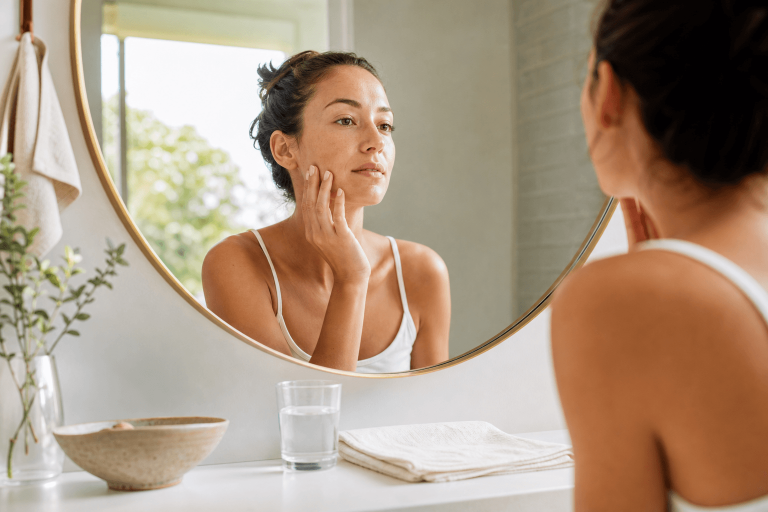
Collagen is usually one of the first places women look when their skin starts feeling less cooperative. It makes sense. The promise is tidy. More bounce. More firmness. More of the face you remember seeing when the mirror felt less complicated. I understood the appeal because I reached for the same story myself: if skin is changing, perhaps one ingredient can bring it back into line.
But over time I realized that collagen was not the whole skin conversation. My face did not live separately from the rest of me. It reflected sleep, stress, digestion, hydration, nourishment, and the tone of the routine I was building around it. When those parts were strained, my skin looked strained too, no matter how focused the beauty marketing sounded.
That realization was not disappointing. It was relieving. It gave me permission to stop chasing a single answer and start building a gentler, more complete plan. Beauty began to feel less like correction and more like support.
Why One Ingredient So Easily Becomes the Whole Hope
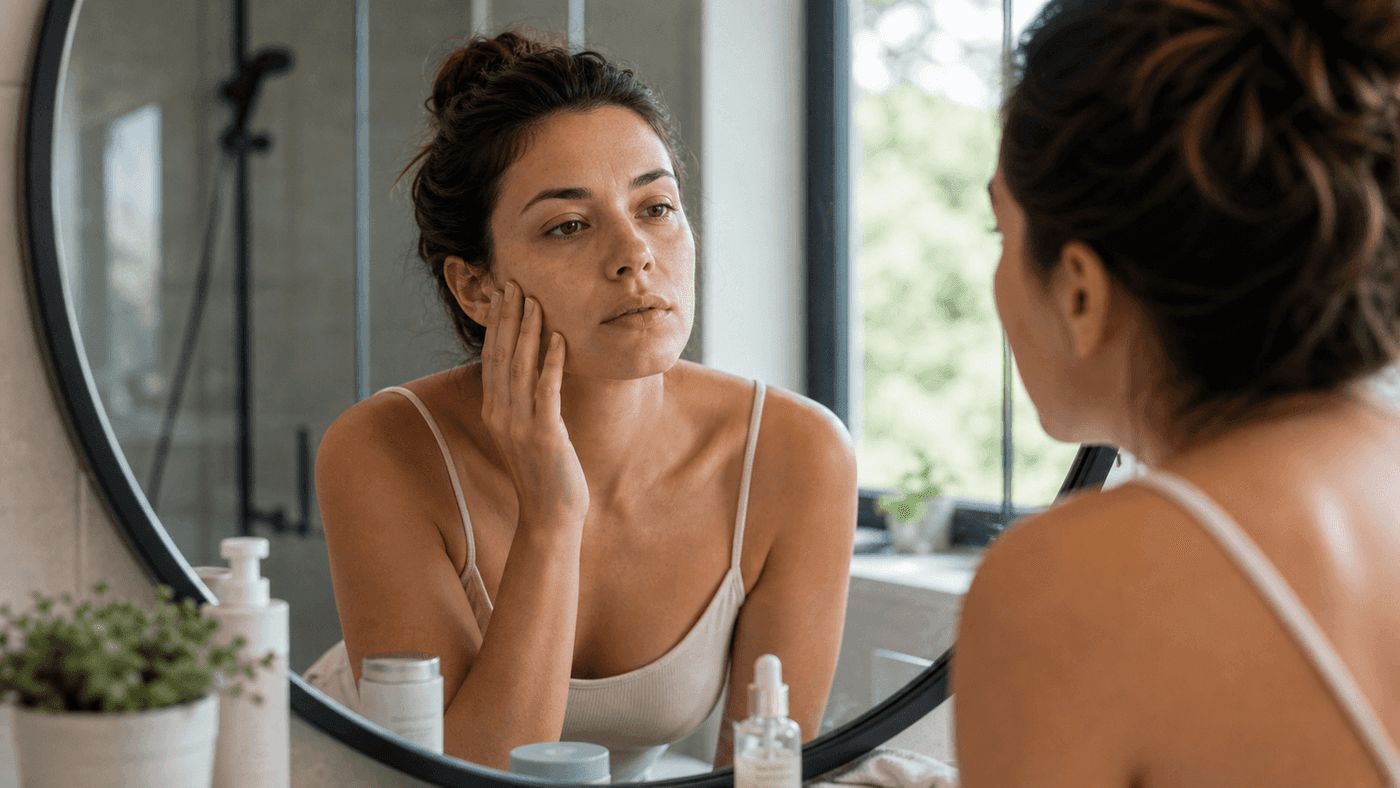
When skin changes feel personal, a single solution sounds comforting. One ingredient is simpler than a whole-body conversation. It feels efficient, measurable, and less emotionally messy than admitting that your skin may be echoing the pace of your life.
That is why collagen becomes such a strong mental anchor. It offers a clean explanation for a messy experience. But skin is rarely that narrow. It reflects protein intake, hydration, stress load, recovery, and the body’s ability to keep renewing itself beneath the surface.
Once I saw that, the conversation got softer. I stopped expecting one ingredient to carry the full emotional weight of wanting to feel more like myself again.
What Skin Is Often Reporting Beneath the Surface

The mirror shows texture, tone, brightness, and bounce. What it does not show directly is how hurried your meals felt, how little water you drank, whether sleep actually restored you, or how aggressively you have been treating your own face in pursuit of improvement. Skin may be visible, but it is not isolated.
For me, dullness made more sense once I looked below the surface. On the weeks when I felt undernourished, dehydrated, or chronically rushed, my skin seemed to say so before the rest of me could. It was not betraying me. It was communicating.
That is a much kinder frame for the reader. Instead of panic, there is information. Instead of blame, there is support.
Why Panic Routines Usually Make Beauty Feel Worse
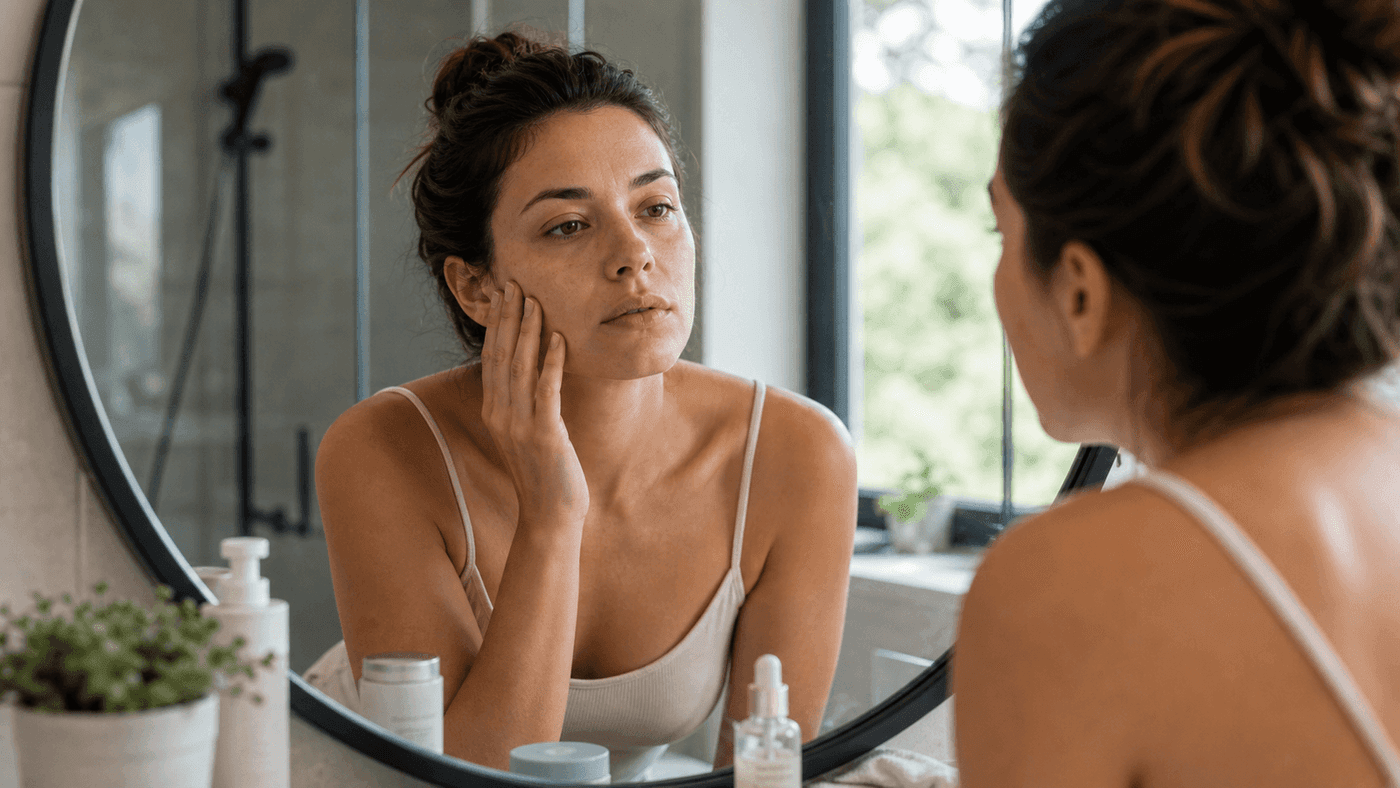
When skin starts changing, the instinct is often to do more. More products. More scrutiny. More late-night internet searching. More checking the mirror in unforgiving light. But panic routines rarely create a sense of beauty. They create a sense of surveillance.
I noticed that the harsher my relationship with my face became, the less helpful my routine felt. The products may not have changed much, but the emotional tone did. I was no longer caring for my skin. I was interrogating it.
That is one reason a beauty-from-within approach matters. It interrupts the frantic mindset. It reminds the reader that visible change can be met with nourishment and steadiness, not only escalation.
What a Fuller Skin Routine Actually Looks Like

A more complete plan is surprisingly ordinary. Protein at breakfast. Water before coffee. Less punishing self-observation. A short walk that improves circulation and helps the face look less like it has been bracing all day. Skincare that feels consistent and soothing instead of corrective and dramatic.
These shifts do not produce instant miracles, which is precisely why they are trustworthy. They support the body that the skin belongs to. They create conditions where renewal feels more plausible instead of more pressured.
For readers comparing broader options, I often point toward the main guide to skin-support supplements. This article is the more intimate version for women who are collagen-aware but weary of pretending one ingredient is the whole answer.
Where Collagen Refresh Fits in the Bigger Picture
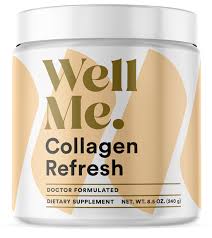
Collagen Refresh made sense to me because it matched that fuller view. I did not want a product that implied the routine beneath it no longer mattered. I wanted support that could sit naturally beside hydration, nourishment, rest, and a softer relationship with the mirror.
That is why the product bridge belongs here. The reader first understands why skin may want broader support. Then Collagen Refresh becomes one clear option inside that routine, not a magical replacement for it.
That kind of positioning feels calm rather than desperate. It respects buyer intent without flattening the reader into a problem to be solved by one bottle alone.
What Softer Beauty Support Gives Back
The most meaningful change was not just in my skin. It was in my posture toward my skin. I stopped treating every shift as proof that I was losing something. I started seeing beauty as something that could be supported from the inside and expressed more gently on the outside.
That emotional shift matters because it changes consistency. Routines built on panic are exhausting to maintain. Routines built on care are easier to live with. And when the routine is easier to live with, it is more likely to help.
Beauty begins to feel less like a rescue mission and more like a long-term conversation with the body you already have.
The Goal Is Not Perfect Skin. It Is Better Partnership.
I do not want the mirror to become a courtroom. I want it to become feedback. I want skin support that acknowledges age, stress, nourishment, and renewal without making any of them feel shameful. I want a routine that leaves room for hope without demanding obsession.
If your skin is asking for more than collagen alone, listen to that. The answer may not be louder products. It may be broader care, steadier nourishment, and one thoughtful support step that fits the whole beauty picture instead of only the headline ingredient.
That is the kind of plan that feels easier to trust, and trust is often what finally makes beauty routines sustainable.
It also helped me stop isolating beauty from the rest of my health. On the days when I ate better, moved a little, and treated hydration like part of the routine instead of an afterthought, my face looked less depleted. That did not feel like vanity. It felt like alignment. The outer routine started matching the inner one.
There is a practical confidence that returns when skin support stops being frantic. You choose fewer things, but you choose them more intentionally. You stop expecting a single ingredient to correct an entire season of stress, thin sleep, and rushed meals. In that calmer frame, consistency becomes possible again, and consistency is usually where visible improvement begins.
That is why I think the best beauty routines leave room for ordinary care. They make breakfast matter. They make water count. They make softness feel strategic rather than optional. When the body feels better supported overall, the face often stops carrying so much of the strain by itself.
Written by Liora Menden — for those who want resilient skin and gentler renewal