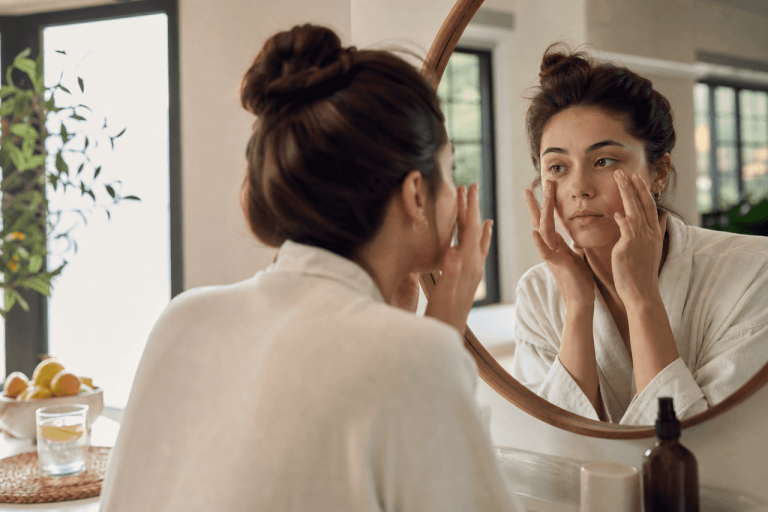
There is a point in many beauty routines where the products stop feeling supportive and start feeling vaguely disciplinary. You add another active. You use the stronger version. You exfoliate a little more often because the texture still bothers you. And yet the mirror keeps giving back the same tired message: your skin does not seem calmer, brighter, or more resilient. It just seems more worked on.
I know that feeling well. It is frustrating because effort should feel like progress. When it does not, the instinct is often to increase pressure. More correction. More urgency. More trying. But over time I started noticing that my skin rarely looked its best when I was treating it like a project to overpower.
That changed the question for me. I stopped asking what stronger thing to do next and started asking what kind of support my skin was actually requesting. The answer was gentler and wider than I expected.
Why Do Beauty Routines Turn Harsh So Easily?

When your face feels personal, visible, and emotional, stronger solutions sound tempting. A harsher routine can feel decisive. It creates the impression that you are finally taking the problem seriously. But skin often does not interpret intensity as care. It interprets it as more demand.
The American Academy of Dermatology emphasizes that gentle, consistent skin habits matter more than constantly escalating products. That principle reaches beyond the bathroom counter. Skin responds to consistency, nourishment, hydration, recovery, and the emotional tone of how we treat it.
Once I absorbed that, I stopped feeling obligated to prove my commitment through harsher products. A better routine did not need to feel punitive to be serious.
What Is Your Skin Often Trying To Say Under the Surface?

The mirror shows dullness, uneven tone, puffiness, and texture. What it does not show directly is how rushed your meals have felt, how thin your sleep has been, whether stress has been sitting too high in your body, or how much nourishment your skin has actually had to work with.
That is why beauty support from within makes so much sense to me. The face lives on the surface, but the reasons it looks strained often do not. On the weeks when I felt under-rested, under-hydrated, or quietly overwhelmed, my skin seemed to report it before the rest of me had put the pieces together.
That is not failure. It is feedback. Skin often becomes easier to work with once you stop treating it as an isolated cosmetic issue.
Why Does More Correction Sometimes Create More Beauty Fatigue?
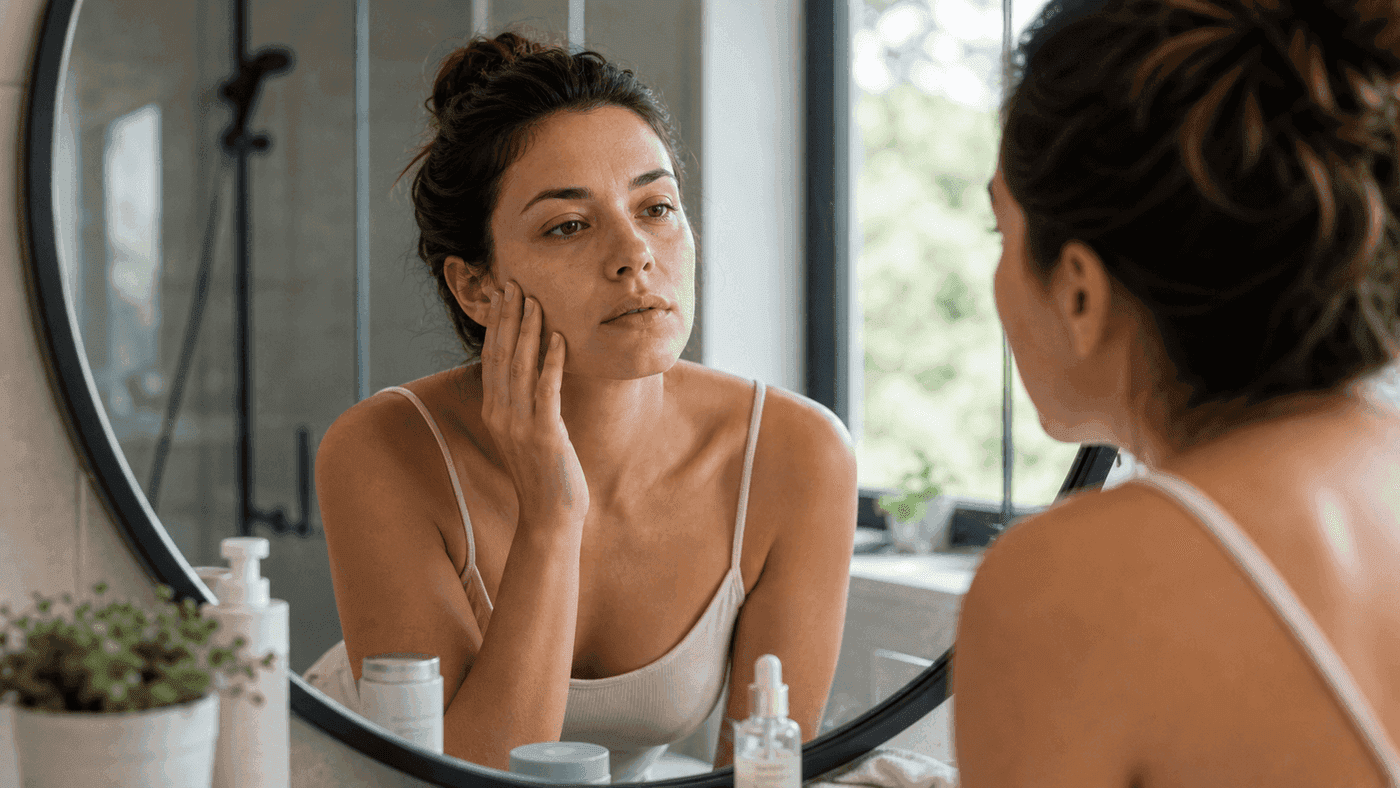
When visible change feels urgent, routines can become emotionally loud. You start checking constantly. You monitor every flare, line, or rough patch as if your face were a performance review. That kind of attention rarely leads to softness. It leads to surveillance.
I noticed that the more tense my relationship with my skin became, the less helpful any product felt. I was no longer supporting my face. I was interrogating it. The routine got busier, but the results felt less believable.
That is why I care so much about the phrase better support. Support sounds different than correction. It makes room for nourishment, patience, and routines that your skin can actually live inside without feeling attacked.
What Starts Making a Skin Routine Feel Calmer and More Honest?

The changes that helped me most looked almost modest on paper. More water earlier in the day. More protein and less skipped nourishment. More sleep that actually restored me. Less emotional intensity inside the routine. Products gentle enough to use consistently rather than dramatically.
Those choices did not create instant transformation, which is part of why I trust them. They support the body the skin belongs to. They make renewal more plausible by making the whole system less strained.
- treat hydration as part of beauty support, not only part of health advice
- build meals that support steadier skin instead of surviving on convenience alone
- keep the routine gentle enough to sustain on stressful days
- count sleep, recovery, and nervous-system calm as beauty inputs too
That list may sound quieter than a dramatic product promise, but skin tends to reward believable care more than beauty panic.
Where Does Collagen Refresh Fit in a Better Support Plan?
Collagen Refresh made sense to me because it fit that wider, calmer view. I did not want a product that implied the rest of the routine no longer mattered. I wanted support that could sit beside hydration, nourishment, rest, and a softer relationship with the mirror.
That is why the product bridge belongs here. The reader first understands that harsher treatment is not necessarily better treatment. Then Collagen Refresh arrives as one thoughtful support step inside a fuller beauty-from-within plan.
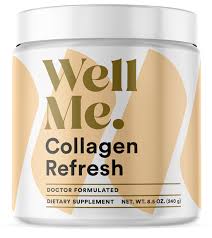
That positioning feels honest. It respects buyer intent while still treating the reader like a whole person rather than a problem to push harder against.
I think that is part of why broad beauty support converts more honestly. It matches the lived experience of women who are not only shopping for a product. They are trying to feel less depleted, less overcorrected, and more comfortable in their own skin again. When the article respects that wider goal, the recommendation becomes easier to trust.
Which Internal Links Help the Reader Go Deeper Into the Skin Cluster?
This article should guide readers into IyoMend’s stronger skin cluster, which is why I want it linking to best anti-aging supplements for skin, to the broader comparison at best anti-aging skin supplements, and to the narrative companion at your skin routine cannot outrun your gut.
Those links help readers decide whether they need comparison content, internal-support framing, or a deeper explanation of why topical routines stop feeling sufficient. They also strengthen the site structure around a high-impression cluster that clearly wants more support.
I like that approach because beauty frustration is rarely a one-page problem. Some readers want to compare options. Some want reassurance that their skin is not simply failing them. Some want a calmer explanation of how internal support and external care can finally cooperate. A real cluster makes room for all three.
That structure helps the product recommendation stay believable too. Readers trust an offer more when the article contains multiple useful next steps rather than sounding like it was written to trap them into one conclusion.
The Goal Is Not Harsher Control. It Is Better Partnership.
I do not want the mirror to become a courtroom. I want it to become information. I want routines that help my skin feel supported, not supervised.
If your skin does not want a harsher routine, listen to that. The answer may not be stronger correction. It may be broader care, steadier nourishment, and one good support step that fits the whole beauty picture instead of escalating the stress already showing up on your face.
That kind of plan is easier to trust and easier to keep. And the routines we can actually sustain are usually the ones that create the most believable change over time.
The anti-aging angle matters here too. Many high-impression skin queries are really asking a more human question beneath the keyword: how do I look more supported, less tired, and more like myself again? Pages that answer that question with both practical care and internal support are usually much more helpful than pages that only promise a harsher routine or a faster miracle.
Skin support that lasts usually grows from repetition readers can actually keep. That means steadier meals, calmer hydration habits, gentler products, and realistic support choices that do not collapse the second life gets busy. Beauty routines become much more convincing when they are built to survive ordinary weeks instead of only ideal ones.
Readers are often trying to protect confidence as much as complexion. They want to look less worn down without turning their routine into another source of self-judgment. That is why better support matters so much in this category. It gives the reader a steadier path toward resilience while still respecting the emotional reality of wanting the mirror to feel kinder again.
That softer approach still respects ambition. It simply refuses to confuse intensity with effectiveness. Readers can pursue firmer, brighter, more resilient skin while choosing routines and support that feel sustainable enough to keep.
That steadier path is usually what keeps beauty support credible. It helps the reader feel cared for, not corrected, and that emotional difference often makes consistency much easier to maintain over time.
Written by Liora Menden — for readers who want gentler renewal and steadier skin support