I used to think being “high-strung” was just my personality. The way my shoulders lived somewhere near my ears, how my heart would race during normal conversations, the strange exhaustion that sleep never seemed to touch. Everyone around me seemed to move through their days with this ease I couldn’t access, like they had some internal dimmer switch I’d never been given.
It wasn’t until I started paying attention to the subtle rhythms underneath the obvious stress that I realized something deeper was happening. My body was stuck in a conversation I didn’t know how to change.
The revelation came during what should have been a peaceful morning. I’d carved out time for tea, no phone, no agenda—yet my pulse felt like I’d just finished a sprint. That’s when I understood: this wasn’t about my schedule or my mindset. This was about hormones that had forgotten how to dance together.
The Orchestra That Never Stops Playing

Your stress response system operates like a complex orchestra, with multiple hormones playing different instruments in what should be a coordinated symphony. When everything works as designed, cortisol rises gently in the morning to wake you up, adrenaline spikes briefly when you need it, and both settle back into quiet background levels when the moment passes.
But chronic stress turns this orchestra into chaos. Cortisol stops following its natural rhythm and instead plays at full volume around the clock. Adrenaline joins in at inappropriate moments—during dinner conversations, while you’re trying to fall asleep, in response to emails that aren’t emergencies. Your body loses the ability to distinguish between actual threats and the everyday friction of being human.
What makes this particularly exhausting is that these hormones don’t operate in isolation. When cortisol stays elevated, it affects insulin sensitivity, making your blood sugar feel like a roller coaster. It disrupts thyroid function, leaving you tired but wired. It interferes with sex hormone production, affecting everything from mood stability to sleep quality. The whole system starts speaking in anxious whispers even when life is relatively calm.
Ready to give your stress system the support it’s been asking for?
Why Rest Stops Working

I spent years trying to fix my stress response with the tools everyone recommends: meditation apps, yoga classes, earlier bedtimes, less caffeine. These weren’t wrong approaches, but they were addressing the symptoms while the underlying hormonal conversation continued unchanged.
When your stress hormones are dysregulated, your nervous system interprets relaxation attempts as just another thing to monitor and evaluate. You sit down to meditate and your mind immediately starts cataloging everything you should be doing instead. You try deep breathing and notice how shallow your normal breathing has become. You attempt to unwind and realize you’ve forgotten how.
This isn’t a failure of willpower or technique. It’s biochemistry. Your body is producing the chemical signals that make relaxation feel dangerous, like letting your guard down when you can’t afford to. No amount of mental effort can override hormones that are convinced you’re in constant peril. The exhaustion that comes from this is different from ordinary tiredness. It’s the bone-deep fatigue of a system that’s been running on high alert for so long it doesn’t remember how to idle. Sleep becomes another task to accomplish rather than the restoration it’s meant to be.
Your hormones want to find their natural rhythm again.
The Forgotten Players

While cortisol gets most of the attention in stress conversations, it’s just the loudest voice in a chorus that includes dozens of other chemical messengers. DHEA, often called the anti-stress hormone, should balance cortisol’s effects but gets suppressed when stress becomes chronic. Aldosterone affects how your body handles minerals and hydration, which is why chronic stress can leave you feeling simultaneously dehydrated and puffy.
Then there’s the cascade effect through neurotransmitters. Chronic stress depletes serotonin, making mood regulation feel impossible. It burns through dopamine reserves, leaving you unable to feel satisfaction from activities that used to bring joy. GABA production decreases, removing your natural ability to feel calm and grounded.
Your body also starts producing stress hormones in response to internal signals that have nothing to do with external circumstances. Blood sugar fluctuations trigger cortisol release. Inflammation from poor sleep or digestive issues sends stress signals. Even dehydration can activate your stress response, creating a cycle where the physical effects of stress create more stress.
Transform mornings from survival mode to welcoming the day.
The Morning That Changed Everything

The shift began when I stopped trying to manage stress and started supporting the system that produces it. Instead of fighting my body’s responses, I began giving it what it needed to remember its natural rhythms. That’s when I discovered Cortisol AM, a supplement designed specifically to work with your body’s existing stress hormone pathways rather than against them.
What struck me about Cortisol AM wasn’t that it promised to eliminate stress—anyone who’s lived in the modern world knows that’s impossible. Instead, it offered something more sophisticated: support for the complex dance between multiple stress hormones so they could find their natural patterns again.
Within the first week, I noticed something subtle but profound. My morning anxiety, that familiar flutter of dread that used to greet me before I was fully conscious, began to soften. Not disappear—I wasn’t suddenly living in some stress-free bubble—but soften into something more manageable, more proportional to what was actually happening.
Experience what it feels like when your body remembers how to regulate.
When Your System Remembers

The changes that came with supporting my stress hormone system felt like remembering something I’d forgotten I once knew. My energy started following a more natural curve, higher in the morning and tapering toward evening instead of the chaotic spikes and crashes I’d grown accustomed to. Sleep began to feel restorative again rather than just a pause between periods of vigilance.
But perhaps most surprisingly, my tolerance for normal life stress increased dramatically. The same situations that used to send my nervous system into overdrive—difficult conversations, unexpected changes, even positive excitement—no longer hijacked my entire day. I could feel the stress response activate appropriately and then settle back down, the way it’s supposed to work.
This wasn’t about becoming less sensitive or more resilient through sheer force of will. It was about giving my body the biochemical support it needed to respond to stress in proportion rather than with the nuclear option every time. My nervous system learned to trust that not everything required a full-scale emergency response.
Support Your Natural Rhythm
When stress hormones remember their dance, everything feels different.
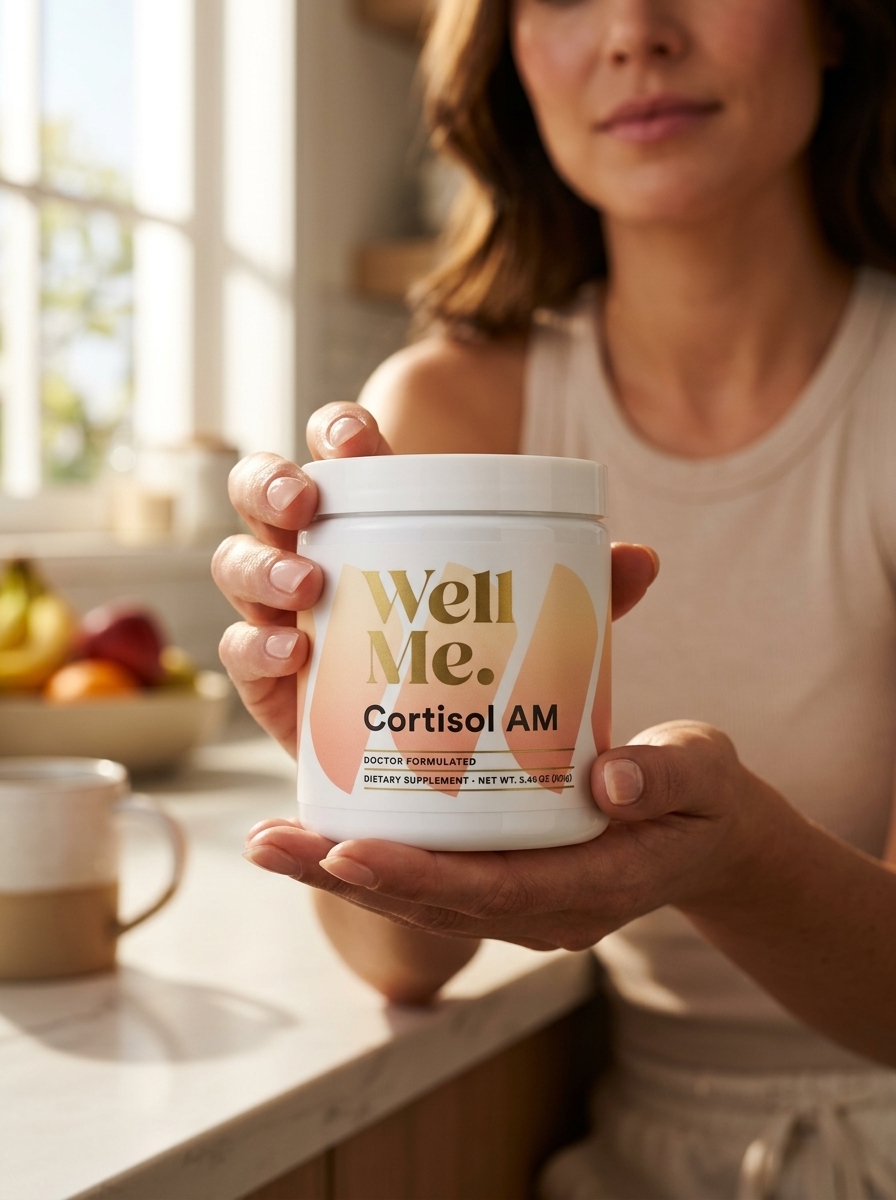
Cortisol AM works with your body’s existing pathways to support healthy stress hormone balance. Instead of fighting your stress response, give your system what it needs to find its natural rhythm again. Experience the difference when your body remembers how to regulate itself.
- ✓ Morning calm without the flutter
- ✓ Energy that follows natural curves
- ✓ Sleep that actually restores you
The Ripple Effect of Regulation

When your stress hormones find their rhythm, everything downstream begins to settle too. My digestion improved because my body wasn’t constantly diverting resources away from normal functions to deal with perceived threats. My skin cleared up as chronic inflammation decreased. Even my relationships became easier because I wasn’t bringing the same level of internal urgency to every interaction.
The mental clarity that emerged felt like waking up from a fog I hadn’t realized I was walking through. Decisions that used to feel overwhelming became simply decisions. Tasks that had felt insurmountable became just items on a list.
Not because my life became simpler, but because my stress response system was no longer treating every minor challenge like a crisis.
I started noticing details again—the quality of light in the afternoon, the taste of my morning coffee, the feeling of truly deep breaths. These weren’t things I’d consciously missed, but their return felt like coming home to myself in a way I hadn’t experienced in years.
Let your nervous system learn to trust again.
Learning to Trust Your Body Again

The most unexpected gift of hormone regulation was the return of my body’s innate wisdom. For so long, physical sensations had felt like false alarms—hunger that wasn’t really hunger, tiredness that wasn’t satisfied by sleep, restlessness that had no clear cause. As my stress system recalibrated, these signals became trustworthy again.
I could feel the difference between being actually tired and being overstimulated. I could distinguish between needing food and needing a break from stress eating. My body’s requests for rest, movement, solitude, or connection started making sense again instead of feeling like mysterious urges I couldn’t decode.
This renewed trust extended beyond physical sensations to emotional ones. Instead of every feeling being amplified by stress hormones, emotions began to feel proportional and informative. Sadness felt like sadness, not despair. Concern felt like concern, not panic. Joy felt like joy, not the manic edge that often accompanies stress-driven happiness.
Step into the calm that’s been waiting underneath the chaos.
The Gentle Return to Yourself

Supporting your stress hormone system isn’t about achieving some perfect state of zen-like calm. It’s about returning to your baseline—that place where you can respond to life’s genuine challenges with appropriate energy while reserving your nervous system’s emergency protocols for actual emergencies.
With Cortisol AM as part of my daily routine, mornings became something to welcome rather than survive. That anxious flutter of anticipation transformed into curious readiness. The tight feeling in my chest that used to greet me along with consciousness became spaciousness, a sense that I had room to breathe and respond rather than just react.
The most profound realization was that I hadn’t been broken or inherently anxious—I’d been biochemically stuck. My body had been doing exactly what it was designed to do under chronic stress conditions. All it needed was the right support to remember how to regulate itself naturally, the way it was always meant to do.
Written by Liora Menden — for those who seek inner calm
Ready to feel the difference this formula makes?