The morning I realized my energy wasn’t just about sleep or stress, I was standing in my kitchen, staring at a handful of walnuts. Not because I was hungry — I rarely felt genuinely hungry anymore — but because something in my body was asking for them. A quiet cellular whisper I’d been ignoring for months.
I’d spent years thinking about nutrition in terms of what to avoid. Less sugar, fewer carbs, minimal processed foods. The constant subtraction had left me feeling lighter on the scale but somehow heavier in spirit. My skin looked dull despite expensive serums. My afternoon energy crashes had become so predictable I’d started scheduling around them.
What I didn’t understand then was that my cells weren’t just tired — they were undernourished in a very specific way.
The healthy fats my body needed for energy production, hormone synthesis, and cellular repair had been casualties of my well-intentioned but incomplete approach to eating well.
The Fat Fear That Kept Me Small

Growing up in the low-fat era meant I learned to see fat as the enemy early. Even when I transitioned to plant-based eating for ethical reasons, that fear followed me. I’d load my plates with vegetables and grains, feeling virtuous, while my body quietly struggled with the basics — absorbing fat-soluble vitamins, producing hormones, maintaining the cellular membranes that keep everything functioning smoothly. The irony wasn’t lost on me when I finally understood it: I was eating more plants than ever but missing some of the most powerful nutrients plants had to offer.
The omega-3s in flax seeds I was too afraid to eat regularly. The monounsaturated fats in olive oil I measured in teaspoons. The rich, satisfying fats in nuts and seeds that could have been supporting my brain and stabilizing my blood sugar.
My body was sending signals I’d learned to misinterpret. The 3 PM brain fog I blamed on needing more caffeine. The difficulty concentrating I attributed to being too busy. The way my skin felt tight and looked lackluster despite drinking plenty of water. These weren’t character flaws or inevitable parts of aging — they were symptoms of cellular hunger.
Ready to support your cellular energy production naturally and effectively?
The Plants That Changed Everything
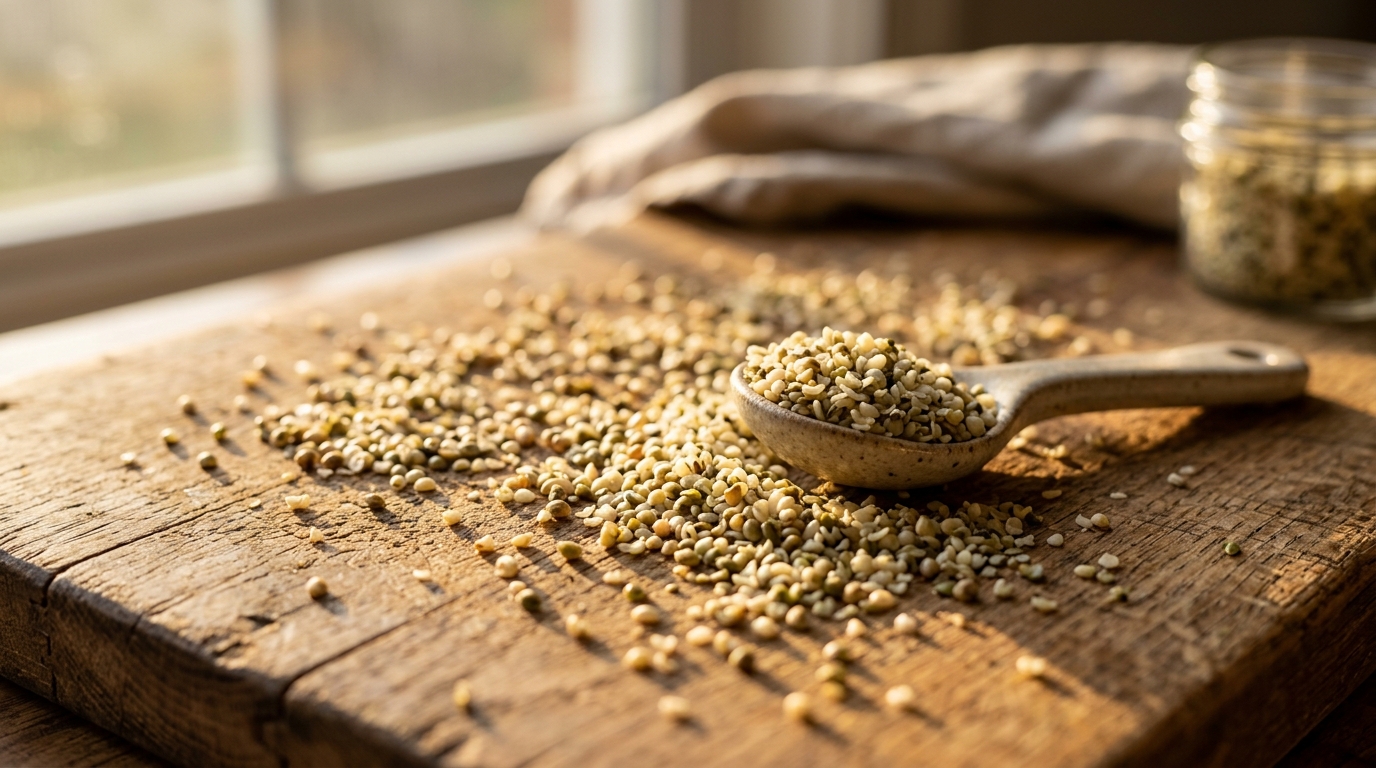
The shift began with hemp hearts. Such a small thing — a tablespoon sprinkled over my morning smoothie bowl. But within a week, something felt different. Not dramatic, just… easier.
My energy felt more consistent. My skin started looking more luminous. I wasn’t reaching for that second cup of coffee by 10 AM. Hemp hearts became my gateway to understanding that plant-based fats weren’t just acceptable — they were essential. Rich in both omega-3 and omega-6 fatty acids in an ideal ratio, they provided the building blocks my cells had been quietly requesting.
I started noticing how my body responded to different sources of healthy fats, each offering its own unique nutritional profile. Chia seeds brought me omega-3s and fiber that kept my digestion smooth and my blood sugar stable. Walnuts provided the alpha-linolenic acid my brain needed for clear thinking. Tahini offered calcium and magnesium alongside its rich, satisfying fats. Each addition felt like giving my body a tool it had been trying to work without.
Transform how your cells convert healthy fats into sustained vitality
Learning to Listen to Cellular Wisdom

As I began incorporating these foods more intentionally, I started paying attention to my body’s responses in a new way. Not just how I felt immediately after eating, but how my energy flowed throughout the day. How well I slept. How my mood stayed stable even during stressful periods. Avocados became a weekly staple, not something I ate with guilt but something I craved for good reason — my body knew it needed the monounsaturated fats for hormone production and the potassium for cellular function.
Ground flax seeds mixed into my morning oats provided the omega-3s that supported my skin from the inside out.
The quality of these fats mattered too. Cold-pressed oils that hadn’t been damaged by heat or chemical processing. Raw nuts and seeds when possible. Organic sources free from pesticides that could interfere with delicate cellular processes. My body seemed to recognize the difference between fats that nourished and those that merely filled space.
Experience the difference when nutrition and cellular support work together
When Plant-Based Wasn’t Enough

Despite eating more mindfully and including these nourishing fats regularly, something was still missing. My energy was better, but not optimal. My recovery from workouts was improved, but I still felt like I was working harder than I should have to maintain basic vitality. I was sleeping better, but not waking up truly refreshed.
That’s when I started researching cellular energy production more deeply. I learned about mitochondria — the tiny powerhouses in every cell that convert nutrients into usable energy. Even with the best dietary fats, these cellular engines sometimes need additional support to function at their peak, especially as we age or when we’re under chronic stress.
The connection between healthy fats and mitochondrial function fascinated me.
Fats provide the raw materials for energy production, but the mitochondria need to be healthy enough to use those materials efficiently. It’s like having high-quality fuel but needing an engine that runs smoothly to make the most of it.
Give your mitochondria the targeted nutrition they need to thrive
The Missing Piece I’d Been Searching For

When I discovered Mitolyn, it felt like finding the final piece of a puzzle I’d been working on for years. Here was targeted support for the very cellular processes that convert the healthy fats I was eating into sustainable energy. Not a replacement for good nutrition, but a synergistic partner that helped my body make the most of the nourishing choices I was already making. The difference was subtle at first, then undeniable.
My morning energy felt more sustained. The afternoon dip that had plagued me for years began to smooth out.
Most remarkably, I started waking up feeling actually rested, as if my cells had spent the night repairing and regenerating more efficiently.
What I loved about adding Mitolyn to my routine was how it complemented rather than competed with my plant-based approach. The healthy fats I was eating — from hemp hearts to walnuts to avocados — were being utilized more effectively. My body finally had both the raw materials and the cellular machinery working optimally together.
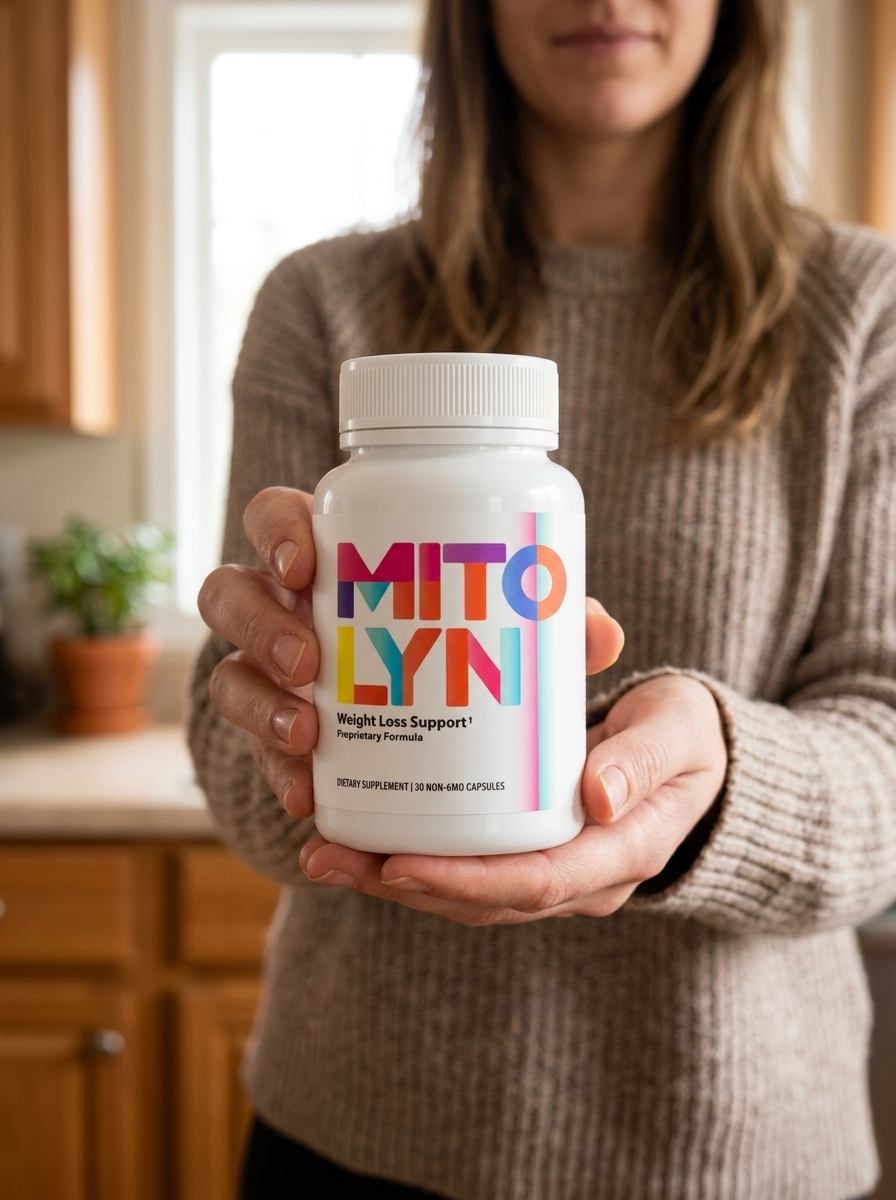
Fuel Your Cellular Power
Transform healthy fats into sustained energy with targeted mitochondrial support.
Your cells work hard to convert nutrition into energy, but sometimes they need extra support. Mitolyn provides targeted nutrients that help your mitochondria function optimally, turning the healthy fats you eat into the sustained vitality you crave. Experience the difference when cellular machinery and quality nutrition work in perfect harmony.
- ✓ Sustained energy without afternoon crashes
- ✓ Enhanced cellular fat utilization
- ✓ Natural vitality from optimized metabolism
The Art of Nourishing Integration

Now my relationship with food feels completely different. I don’t fear fats or measure them obsessively. Instead, I choose them intentionally, knowing each source offers something unique my body needs. A drizzle of olive oil isn’t empty calories — it’s vitamin E and monounsaturated fats that support my skin and heart. A handful of almonds isn’t a indulgence — it’s magnesium and healthy fats that keep my energy stable.
My daily routine includes a variety of plant-based fats that work together: hemp hearts in my smoothies, tahini in my salad dressings, walnuts in my afternoon snacks. Each choice supports different aspects of cellular health, from hormone production to inflammation regulation to energy metabolism.
The Mitolyn I take each morning feels like insurance for this investment in good nutrition. It ensures that all these carefully chosen fats can be converted into usable energy efficiently. My cells have both the building blocks they need and the metabolic support to use them well.
Bridge the gap between good nutrition and optimal cellular function
The Ripple Effects of Cellular Nourishment

The changes extended far beyond energy levels. My skin developed a glow that no topical treatment had ever achieved — the kind of radiance that comes from cells functioning optimally from within. My hair felt stronger and shinier. Even my nails, which had always been weak and brittle, became noticeably healthier. My mood stabilized in a way I hadn’t experienced before.
The irritability that used to hit when my blood sugar dropped became a thing of the past. My focus sharpened, especially in the afternoon hours that used to be my mental low point.
Sleep became more restorative, and I started waking up before my alarm, feeling genuinely ready for the day.
Perhaps most importantly, my relationship with my body shifted from management to collaboration.
Instead of fighting against fatigue or forcing myself through energy crashes, I was working with my cellular needs. The healthy fats and mitochondrial support created a foundation of vitality that felt sustainable and natural.
Your cells deserve both quality fuel and the machinery to use it well
The Quiet Revolution in My Kitchen

These days, my kitchen reflects this new understanding. Glass jars of hemp hearts, chia seeds, and ground flax line my counter. Cold-pressed oils sit next to my stove, ready to add both flavor and nutrition to every meal. My morning routine includes both the foods that nourish my cells and the Mitolyn that helps them function at their best.
The transformation wasn’t dramatic or overnight — it was gentle and cumulative, like watching a garden slowly come into bloom. Each day of providing my cells with both quality fats and metabolic support built on the last, creating a foundation of energy and vitality that now feels completely natural.
I no longer think about restriction when it comes to fats. Instead, I think about abundance — the abundance of plant-based sources that can nourish every cell, and the abundance of energy that flows when those cells have everything they need to thrive. My body finally has both the fuel and the cellular machinery working in perfect harmony, and the difference is profound in the most beautifully ordinary ways.
Written by Liora Menden — for those who seek cellular vitality
Ready to feel the difference this formula makes?