The mirror doesn’t lie, but sometimes you wish it would. Standing there at 6 AM, you catch sight of yourself between brushing teeth and grabbing coffee, and something feels… different. Not just older. Not just tired. Something deeper. Like your body decided to clock out early and forgot to leave a forwarding address.
You remember when mornings used to feel like potential. When your first thought wasn’t about how many cups of coffee it would take to feel human. When your shoulders didn’t carry that invisible weight that seems to settle there sometime after thirty-five, growing heavier with each passing year.
The thing about testosterone decline isn’t that it announces itself. It’s sneaky. One day you’re lifting the same weights, feeling strong, recovering fast. The next day—or maybe it’s six months later—you realize you’ve been coasting.
That fire in your belly, that drive that used to push you through workouts and long days at work, it’s dimmed to barely a flicker.
The Energy Connection Nobody Talks About

Most guys think testosterone is just about muscle mass and libido. But here’s what took me years to understand: testosterone and energy are dance partners. When one stumbles, they both fall. Your testosterone levels don’t exist in a vacuum—they’re intimately connected to how well your cells produce energy.
Think about it this way: your body is a complex factory, and testosterone is one of the most important products coming off the assembly line. But if the power plant—your mitochondria—isn’t running efficiently, that assembly line slows to a crawl. You can eat all the protein you want, lift all the weights you can manage, but if your cellular energy production is compromised, your hormone production follows suit.
I learned this the hard way. For months, I focused on all the external factors. Better sleep schedule. Cleaner diet. More exercise. Less stress. All good things, but I was missing the foundation. I was trying to build a house on quicksand, wondering why nothing felt solid.
The breakthrough came when I realized that testosterone production is one of the most energy-demanding processes your body performs.
If your mitochondria are struggling, your hormone production becomes a luxury your body can’t afford. It’s basic biological triage—survival functions first, everything else gets rationed.
Ready to power up your cellular engine and feel like yourself again?
When Morning Energy Becomes an Uphill Battle

You know the feeling. The alarm goes off, and instead of that natural surge of energy that used to carry you into the day, there’s this heavy blanket of fatigue that seems impossible to shake. Your first thought isn’t about what you want to accomplish—it’s about how you’re going to survive the next eight hours.
This isn’t just being tired. This is your body running on backup power, conserving resources for essential functions only. And guess what’s not considered essential when your cellular energy is compromised? The robust hormone production that makes you feel like yourself.
I remember standing in my kitchen one morning, staring at the coffee maker like it held the secrets to the universe. My wife asked if I was okay, and I couldn’t even explain what was wrong. I wasn’t sick. I wasn’t injured. I was just… empty. Like someone had drained my batteries and forgot to plug me back in.
That’s when I started digging deeper into the connection between cellular energy and hormone production. What I found changed everything about how I approached my health. Testosterone isn’t just influenced by what you eat or how you exercise—it’s fundamentally dependent on how efficiently your cells can produce energy.
Tired of fighting your body every morning? Support your mitochondria instead.
The Cellular Power Plant Connection
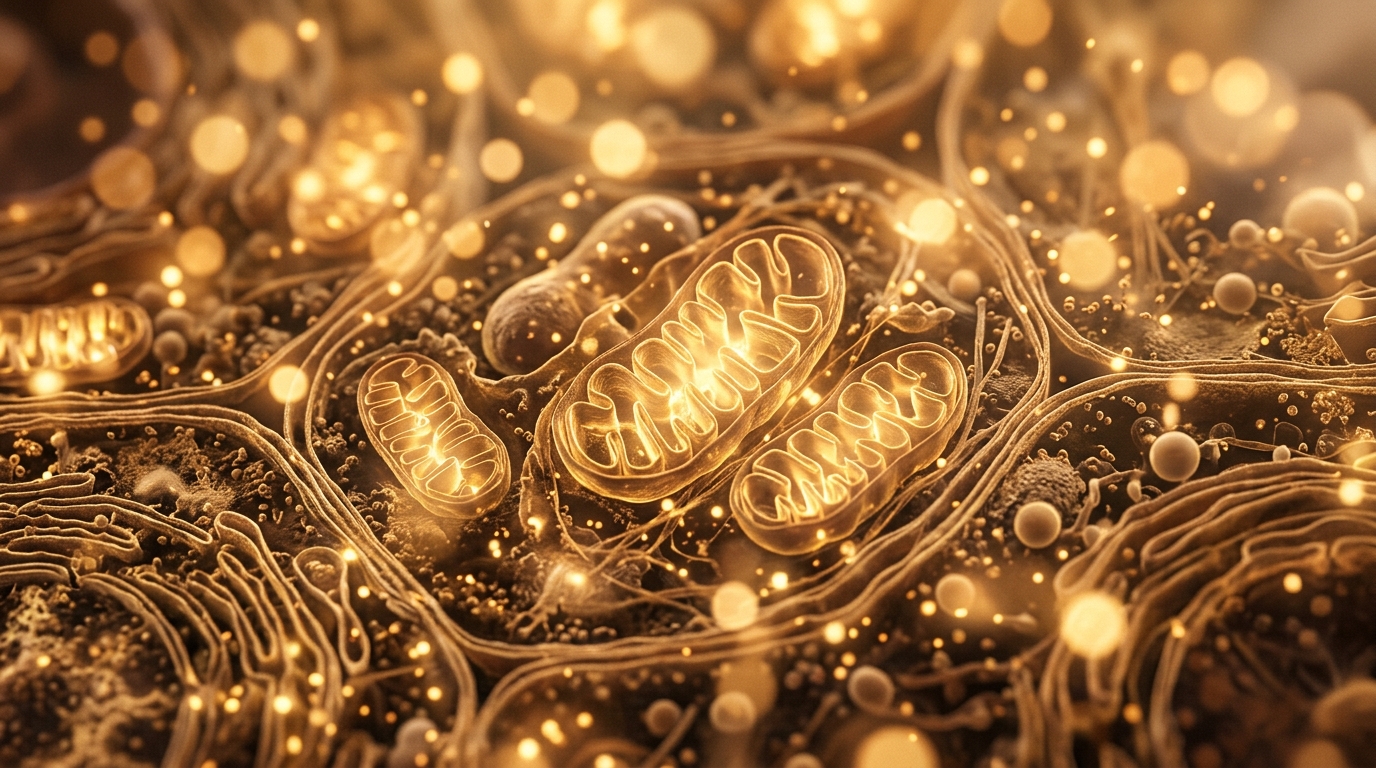
Your mitochondria are like tiny power plants inside every cell, converting nutrients into the energy currency your body uses for everything—including making hormones. When these cellular power plants start running inefficiently, it’s like brownouts rolling through your entire system.
Here’s what happens: your body starts prioritizing energy allocation. Heart function, brain function, basic metabolism—these get first dibs on whatever energy is available. Hormone production, including testosterone, gets pushed down the priority list. It’s not that your body doesn’t want to maintain robust testosterone levels; it’s that it literally can’t afford the energy cost.
This explains why so many guys find themselves in this frustrating cycle: they feel low energy, so they try to push harder at the gym, which demands even more energy their cells can’t efficiently produce, which further depletes their system, which further reduces hormone production. It’s like trying to fill a bucket with a hole in the bottom.
The solution isn’t working harder—it’s working smarter. Instead of demanding more from a system that’s already running on fumes, you need to fix the power plant first. Support the mitochondria, and everything downstream—including testosterone production—starts to improve.
What if the solution isn’t working harder but supporting cellular function?
Why Everything Else Falls Short

I spent months chasing symptoms instead of addressing the root cause. Testosterone boosting supplements that promised quick fixes. Workout routines designed to “naturally increase T-levels.” Diet plans that claimed to optimize hormone production. Some helped a little, but nothing created lasting change.
The problem with most approaches is they assume your cellular energy production is already functioning optimally. They’re like trying to tune a race car engine when the fuel pump is barely working. You can adjust all the settings you want, but if fuel isn’t getting to where it needs to go efficiently, you’re not going anywhere fast.
Traditional testosterone support focuses on providing raw materials—more zinc, more vitamin D, more healthy fats. But what happens when your cells can’t efficiently process those raw materials into energy, and then into hormones? You end up with a supplement cabinet full of expensive bottles and the same frustrating symptoms.
The missing piece was mitochondrial support. Once I understood that testosterone production is fundamentally an energy-dependent process, everything clicked.
You can’t separate hormone health from cellular energy health. They’re not just connected—they’re inseparable.
Give your body the cellular foundation it needs to produce energy naturally.
The Moment Everything Shifted

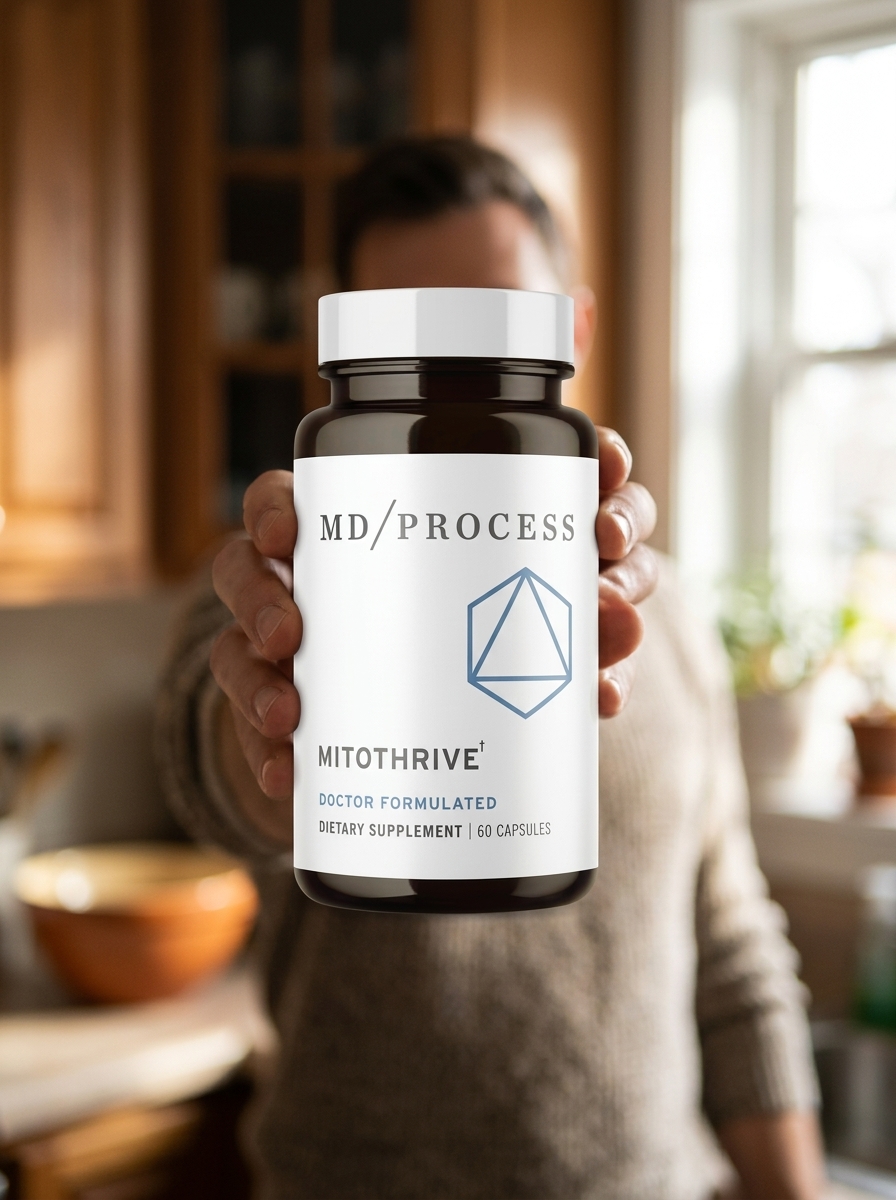
Three weeks into taking MitoThrive, something changed. Not dramatically—this isn’t a movie montage—but genuinely. I woke up on a Tuesday morning and realized I hadn’t hit the snooze button. More than that, I didn’t want to. There was this subtle but unmistakable feeling of… readiness. Like my body was actually prepared for the day ahead instead of dreading it.
MitoThrive works by supporting your mitochondrial function at the cellular level. Instead of trying to force hormone production through external supplementation, it addresses the underlying energy deficit that was limiting my body’s natural hormone production in the first place. It’s like upgrading your cellular power grid instead of just demanding more electricity.
The changes weren’t just about energy, though that was the first thing I noticed. My recovery time after workouts improved. My mental clarity sharpened. That persistent background fatigue that had become so normal I’d stopped noticing it—that started lifting. And with it, other things began to improve too.
What impressed me most was how natural it felt. This wasn’t the jittery artificial energy of stimulants or the forced feeling of synthetic hormone support. This felt like my body remembering how to run efficiently again. Like someone had finally given my cellular power plants the maintenance they desperately needed.
Power Your Cellular Engine
When your mitochondria thrive, your testosterone follows—naturally and sustainably.
MitoThrive targets the root cause of declining energy and hormones: compromised cellular power production. Instead of forcing symptoms to improve, it supports your mitochondria to restore your body’s natural hormone manufacturing capacity. Real energy. Real strength. Real you.
- ✓ Morning alertness without fighting fatigue
- ✓ Workouts that energize instead of drain
- ✓ Natural testosterone support from within
When Your Body Starts Working With You Again

Six weeks later, the change was undeniable. Not just in how I felt, but in how I moved through the world. That morning sluggishness had been replaced by genuine alertness. The afternoon crashes were gone. But more than that, I felt like myself again—that confident, energetic version of me that I thought had just gotten lost somewhere in my thirties.
My workouts became something I looked forward to instead of something I had to force myself through. Recovery happened faster. Muscle definition improved. But the real difference was internal—a sense of vitality and strength that extended far beyond the gym.
The interesting thing about supporting mitochondrial function is that it creates positive cascading effects throughout your entire system. Better cellular energy production means better hormone production, which means better energy, which means better recovery, which creates more capacity for everything else. It’s the opposite of that depleting cycle I’d been trapped in.
My wife noticed too. Not just that I had more energy, but that I seemed more present, more engaged. Like I wasn’t constantly fighting an internal battle just to maintain normal function. When your cells are producing energy efficiently, you have bandwidth for life beyond just survival mode.
Experience what happens when your mitochondria work as designed.
The Foundation That Changes Everything

Looking back, I realize that all those other approaches I tried weren’t wrong—they were just incomplete. Exercise is crucial. Nutrition matters. Sleep quality is non-negotiable. But none of those lifestyle factors can reach their full potential if your cellular energy production is compromised.
MitoThrive became the foundation that made everything else work better. My workouts were more effective because my cells could actually utilize the nutrients I was providing and recover efficiently. My sleep became more restorative because my body had the energy to perform proper cellular repair. Even my stress resilience improved because I wasn’t constantly operating from a deficit.
The truth is, testosterone decline isn’t inevitable with age—cellular energy decline is what’s actually driving most of what we attribute to “getting older.”
When you address the root cause, when you give your mitochondria the support they need to function optimally, your entire system upgrades. Hormone production, including testosterone, returns to levels that match how you want to feel.
This isn’t about chasing some superhuman ideal or trying to turn back time. It’s about giving your body the cellular support it needs to function as it was designed to. When your mitochondria are thriving, everything else follows. Your energy, your strength, your vitality—it all comes back online.
Stop managing symptoms and start addressing the cellular root cause.
What Mornings Look Like Now

These days, that mirror conversation is different. I still see the same face, still acknowledge that I’m not twenty-five anymore. But there’s strength there now. Presence. The kind of quiet confidence that comes from feeling genuinely capable instead of constantly managing symptoms.
My mornings begin with possibility again. That first moment of consciousness isn’t about assessing damage or calculating how much caffeine I’ll need to function. It’s about readiness—mental, physical, emotional readiness for whatever the day brings.
The transformation wasn’t just about testosterone, though that certainly improved. It was about rediscovering what it feels like when your body is actually working with you instead of against you. When your cells are producing energy efficiently, when your hormones are at optimal levels, when your entire system is functioning as an integrated whole.
MitoThrive gave me back something I didn’t even realize I’d lost—the simple pleasure of feeling strong in my own skin. Not artificially stimulated, not temporarily boosted, but genuinely, sustainably powerful. That’s what proper mitochondrial support can do. It doesn’t just change your energy levels; it changes how you experience being alive.
If you’re tired of feeling like your body is working against you, if that morning mirror reflects someone who doesn’t quite feel like you anymore, the answer might not be what you think. It’s not about working harder or pushing through—it’s about supporting the cellular foundation that makes everything else possible.
Written by Elias Menden — for those who seek authentic strength
Ready to feel the difference this formula makes?