The bloating hit me on a Tuesday morning, three weeks into what I thought would be my most nourishing dietary shift yet. I’d traded my morning eggs for a smoothie bowl packed with chia seeds, hemp hearts, and berries. By noon, I felt like I’d swallowed a balloon that someone kept inflating from the inside.
This wasn’t how the vegan transition was supposed to go. The Instagram accounts I followed showed glowing skin and boundless energy. The documentaries promised digestive harmony. Instead, I found myself doubled over after meals that should have been gentle, wondering if my gut was actively rejecting my attempts at plant-based wellness.
What I discovered over the following months changed not just how I approach vegan eating, but how I think about gut health entirely.
The truth is more nuanced than the simple narrative of “plants good, everything else complicated.” Your digestive system has its own timeline for adaptation, its own needs for support, and its own way of asking for what it requires to thrive.
The Fiber Shock That Nobody Mentions
When you suddenly increase your fiber intake from 15 grams a day to 45, your gut bacteria throw what can only be described as a fermentation party — and you’re not invited. The cramping, the gas, the unpredictable bathroom visits — these aren’t signs that plant-based eating is wrong for you. They’re signs that your microbiome is scrambling to catch up with your dietary revolution.
I remember the third week, standing in my kitchen at 2 AM with a cup of ginger tea, my abdomen tender and distended. I’d eaten a beautiful Buddha bowl for dinner — quinoa, roasted vegetables, tahini dressing — and my body responded like I’d challenged it to a wrestling match.
The irony wasn’t lost on me: the foods that were supposed to heal my gut were making it feel more chaotic than ever.
Your digestive enzymes need time to upregulate. The beneficial bacteria that thrive on plant fibers need to multiply and establish new colonies. This process can take anywhere from six weeks to six months, depending on your starting point and how you support the transition. During this time, your gut is essentially learning a new language — the complex vocabulary of plant polysaccharides, resistant starches, and diverse fiber types.
The key insight I wish I’d known earlier: this adaptation period isn’t just about waiting it out. It’s about giving your digestive system the targeted support it needs to make the transition gracefully.
Ready to support your plant-based journey with targeted digestive care?
When Plant Diversity Becomes Overwhelming
I became obsessed with eating the rainbow. Thirty different plant foods per week, they said. Variety is the cornerstone of gut health, they promised. So I dutifully rotated through exotic grains, unfamiliar legumes, and vegetables I’d never heard of. My grocery cart looked like a botanical garden, and my digestive system felt like it was processing a science experiment.
The problem wasn’t the diversity itself — it was the pace. I was asking my gut to simultaneously adapt to new fiber types, different protein structures, novel plant compounds, and unfamiliar fermentation patterns.
It was like learning to speak five languages at once while running a marathon.
Some mornings, I’d wake up with my stomach already feeling unsettled before I’d eaten anything. The anticipation of another day of digestive chaos was creating its own stress response. I started to dread meals, which felt like the opposite of the nourishing relationship with food I was trying to cultivate.
What I learned was that plant diversity is indeed powerful for gut health, but it needs to be introduced systematically. Your microbiome is remarkably adaptable, but it prefers gentle expansion over sudden revolution. The most sustainable approach honors both the goal of variety and the reality of digestive adaptation.
Tired of choosing between plant-based ideals and digestive comfort?
The Missing Piece in Most Vegan Gut Health Advice
Every article I read focused on what to add: more fiber, more fermented foods, more prebiotic-rich vegetables. But nobody talked about what might be missing when you remove entire food categories. The assumption seemed to be that elimination automatically equals optimization, but my gut was telling a different story.
Plant-based diets excel at providing fiber, antioxidants, and anti-inflammatory compounds. But they can sometimes fall short in supporting the actual mechanics of digestion — the enzyme production, the gut barrier integrity, the balanced microbial environment that allows all those plant benefits to be properly utilized.
I started to suspect that my gut needed more than just the right inputs. It needed support for the systems that break down, absorb, and integrate those inputs. The bloating and discomfort weren’t necessarily about the foods themselves, but about my digestive capacity to handle them efficiently.
This realization led me to look beyond diet alone and consider targeted digestive support that could work alongside my plant-based choices, not against them.
Give your gut the support it needs to thrive on plants.
The Day Everything Started to Shift
Four months into my vegan journey, I was ready to give up. The chronic bloating had settled into a dull, constant presence. I felt like I was carrying a small boulder in my midsection, and even my favorite plant-based meals had become sources of anxiety rather than nourishment.
That’s when I discovered SynoGut, a comprehensive digestive support formula that addressed exactly what my transition had been missing. Unlike the single-ingredient supplements I’d been trying, this combined digestive enzymes, gut-healing compounds, and microbiome support in one thoughtful blend.
Within the first week of adding SynoGut to my routine, something fundamental shifted.
The post-meal heaviness that had become my new normal started to lift. My morning smoothie — the same chia-seed combination that had been triggering hours of bloating — suddenly felt light and energizing instead of challenging.
What impressed me most was how the support felt: not like masking symptoms, but like giving my digestive system the tools it needed to handle my plant-rich diet with ease. The fiber that had been fermenting chaotically was now being processed smoothly. The variety that had been overwhelming was now creating the diverse, thriving microbiome I’d been hoping for.
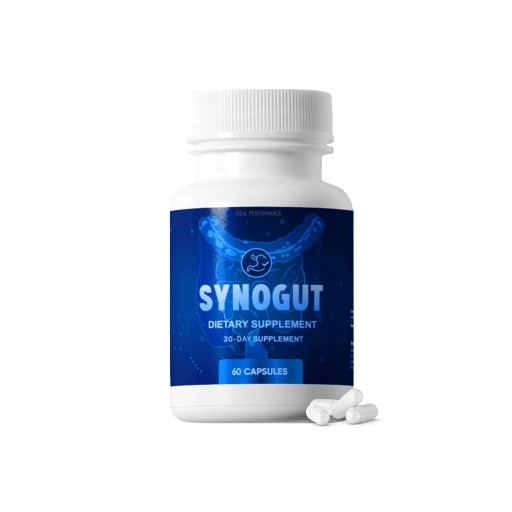
Transform Your Plant-Based Journey
Give your gut the support it needs to thrive on plants without the bloating.
SynoGut combines digestive enzymes, gut-healing compounds, and microbiome support in one comprehensive formula. Finally process plant fiber smoothly, absorb nutrients efficiently, and enjoy the energy you expected from your vegan diet. The missing piece that makes plant-based eating work.
- ✓ Gentle digestion without bloating
- ✓ Enhanced nutrient absorption from plants
- ✓ Stable energy throughout the day
The Gentle Art of Digestive Capacity Building
With proper digestive support in place, I could finally approach my vegan diet as a practice of gradual expansion rather than sudden overwhelm. I started reintroducing variety slowly, paying attention to how different plant families felt in my body, noting which combinations created energy and which created effort.
Legumes became less intimidating when my system could properly break down their complex proteins. Cruciferous vegetables stopped causing the intense gas that had made me avoid them entirely.
Even raw foods, which had been completely off-limits during my worst digestive phase, started to feel nourishing again.
The process taught me that digestive capacity is like physical strength — it can be built gradually with the right support, but it can’t be rushed or forced. My gut needed time to develop the enzymatic resources, the microbial diversity, and the barrier integrity to truly thrive on a plant-based diet.
I began to think of SynoGut as scaffolding for my digestive system — temporary support that allowed the deeper healing and adaptation to happen naturally. As my gut health improved, I felt more confident exploring new foods, more resilient in social eating situations, and more connected to the intuitive signals my body was sending me.
Experience what plant-based eating should actually feel like.
What True Gut Harmony Feels Like
Six months later, my relationship with food had transformed completely. The chronic bloating was gone, replaced by a gentle, stable energy that carried me through long days without the crashes I’d experienced before. My digestion had become so efficient that I barely thought about it — which was exactly how it should be.
Meals became enjoyable again. I could eat a substantial salad without planning my afternoon around potential digestive discomfort. I could try new restaurants and cuisines without anxiety.
The diversity I’d been forcing earlier was now happening naturally, guided by genuine cravings and curiosity rather than nutritional obligation.
What surprised me most was how the digestive improvements rippled into other areas. My skin cleared up in a way that felt different from surface treatments — more radiant and stable. My sleep became deeper, my energy more consistent throughout the day. My mood felt more balanced, less reactive to daily stresses.
I realized that gut health isn’t just about avoiding discomfort — it’s about creating the foundation for your entire body to function with ease.
Stop letting digestive issues hold back your wellness goals.
The Vegan Diet That Actually Works
Now when people ask me if a vegan diet can truly optimize gut health, my answer is unequivocally yes — but with important caveats. Plant-based eating provides extraordinary benefits for the microbiome, but those benefits are only accessible when your digestive system has the capacity to handle the transition gracefully.
The key is recognizing that removing animal products is just the first step. The second step is supporting your body’s ability to extract maximum nutrition and minimum stress from your new way of eating. This might mean digestive enzymes during the transition period. It might mean targeted gut-healing compounds. It almost certainly means patience with the adaptation process.
My morning routine now includes my plant-based breakfast alongside my SynoGut capsules, and the combination feels like the missing puzzle piece I’d been searching for. The supplement doesn’t replace good food choices — it amplifies their benefits while minimizing their potential challenges.
The vegan diet that works isn’t just about what you include or exclude. It’s about creating an internal environment where plant foods can do what they do best: nourish, heal, and sustain your body with gentle, lasting vitality. Sometimes that requires admitting that willpower and perfect food choices aren’t enough on their own.
Your gut will tell you when you’ve found the right balance. Listen to it carefully, support it thoughtfully, and trust that it knows how to heal when given what it needs.
Written by Liora Menden — for those who seek digestive harmony
Discover the missing piece in your plant-based journey.