The first sign wasn’t the headaches. It wasn’t even the dryness that made blinking feel like sandpaper. The first sign was when I caught myself squinting at my phone while holding it at arm’s length, trying to make the text sharp again. This was 11 AM on a Tuesday, and I’d been working for exactly two hours.
That moment of holding my phone away from my face — like someone’s grandfather examining a restaurant menu — made something click. This wasn’t aging. This wasn’t normal wear and tear. This was my eyes telling me they were running on empty, and I was only getting started with my day.
For months, I’d been attributing the burning sensation behind my eyes to everything except the obvious culprit. Allergies. Lack of sleep. Too much coffee. The air conditioning at work. It took me longer than it should have to connect the dots between the eight hours of screen time and the way my eyes felt like they were dissolving by evening.
The Biology Behind the Burn
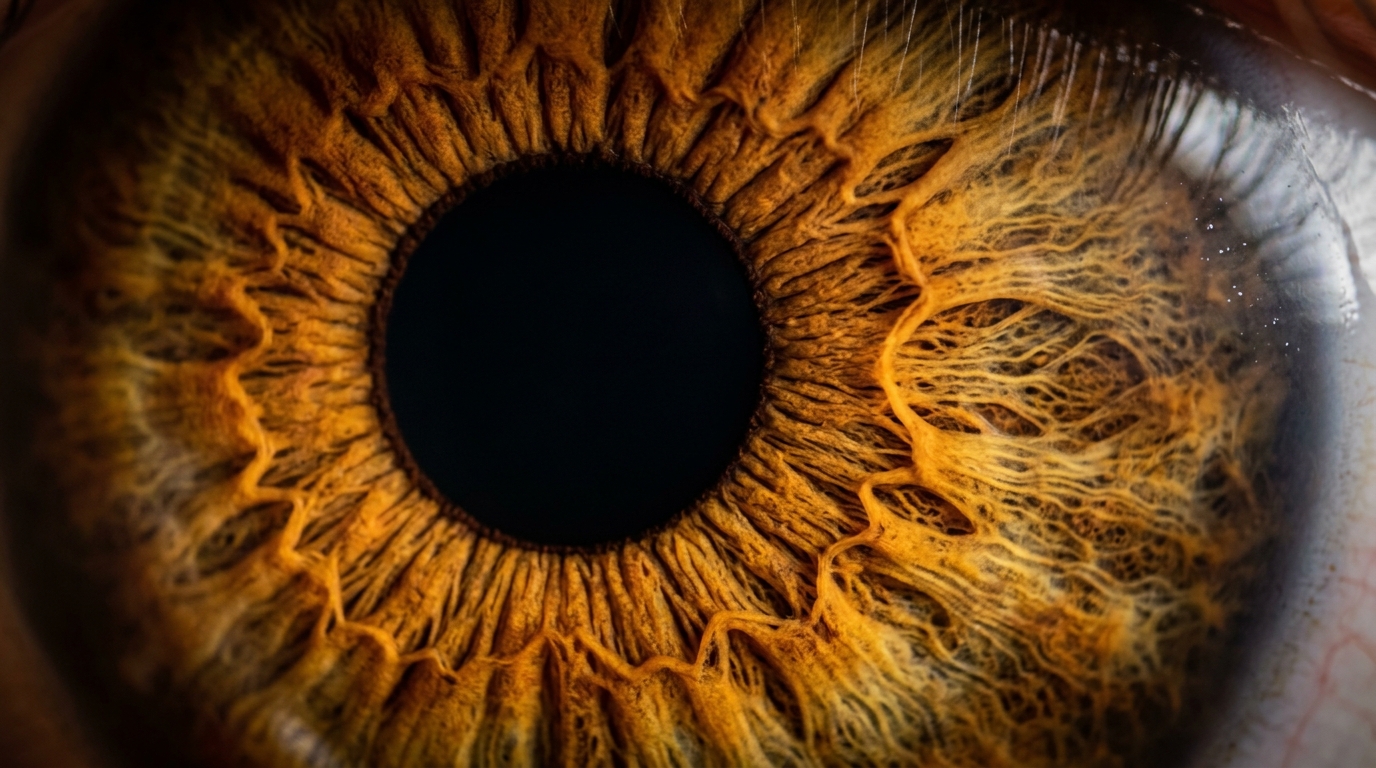
Your eyes aren’t just passive windows. They’re high-energy organs packed with mitochondria — the cellular powerhouses that fuel every blink, every focus adjustment, every micro-movement that keeps your vision sharp. When you stare at screens for hours, those mitochondria work overtime. Blue light penetrates deep into the retina, generating reactive oxygen species that essentially rust your cellular machinery from the inside out.
The muscles that control your focus — the ciliary muscles — contract and release thousands of times per hour when you’re switching between screen and keyboard, screen and notepad, screen and coffee cup. They’re doing the equivalent of bicep curls all day long, but without the recovery time biceps get between workouts.
Add to this the fact that your blink rate drops by 60% when you’re concentrating on a screen. Sixty percent. Your eyes are working harder while getting less lubrication. It’s like running a car engine at high RPMs with half the oil it needs. Something has to give.
Ready to support your eyes at the cellular level where it matters most?
When “Computer Glasses” Aren’t Enough

I bought blue light filtering glasses first. Expensive ones with the amber tint that made everything look like a 1970s photograph. They helped marginally — maybe reduced the end-of-day burn from a seven to a five. But I was still squinting at my phone by lunch, still feeling like my eyeballs were made of cotton by dinner.
The 20-20-20 rule came next. Every twenty minutes, look at something twenty feet away for twenty seconds. This works beautifully in theory. In practice, when you’re deep in focused work, twenty minutes passes like twenty seconds.
The problem with most approaches to digital eye strain is they address the symptoms without touching the root cause. Your eyes aren’t tired because of blue light alone. They’re tired because the cellular machinery inside them is running out of fuel.
Stop settling for surface solutions when your mitochondria need real support.
The Mitochondrial Connection

Everything changed when I started thinking about my eyes the way I think about my muscles after a long workout. Sore muscles need protein and rest. Overworked mitochondria need antioxidants and cellular support. The burning sensation wasn’t just irritation — it was my eyes asking for help at the cellular level.
This is where most people get lost in the supplement aisle. Lutein for eye health. Omega-3s for dryness. Vitamin A for night vision. But what if the issue isn’t specific nutrients? What if it’s broader mitochondrial support — giving your cellular powerhouses the raw materials they need to keep functioning under stress?
I started researching compounds that support mitochondrial function specifically in high-energy tissues. The retina uses more oxygen per gram than almost any other tissue in your body. When those mitochondria start struggling, everything downstream suffers. Focus. Clarity. Comfort. The ability to work past 3 PM without feeling like you’re looking through fog.
Give your overworked eye muscles the energy they need to keep going.
Why Astaxanthin Caught My Attention

Astaxanthin is what makes salmon pink and flamingos orange. It’s a carotenoid that crosses the blood-brain barrier and accumulates in the retina, where it acts like a molecular bodyguard for your photoreceptors. Unlike other antioxidants that get used up in the process of neutralizing free radicals, astaxanthin can handle multiple oxidative attacks without breaking down.
But here’s what made me pay attention: astaxanthin doesn’t just protect against damage. It actually improves mitochondrial efficiency. Studies show it can increase ATP production — the cellular currency that powers everything your eyes do.
The research on astaxanthin and eye fatigue is compelling, but finding it in a form that actually gets absorbed is the challenge. Most eye supplements contain astaxanthin in doses too low to make a difference, or in forms that barely register in your bloodstream.
Fuel Your Eyes From Within
Stop managing tired eyes. Start supporting the cellular powerhouses that fuel your vision.
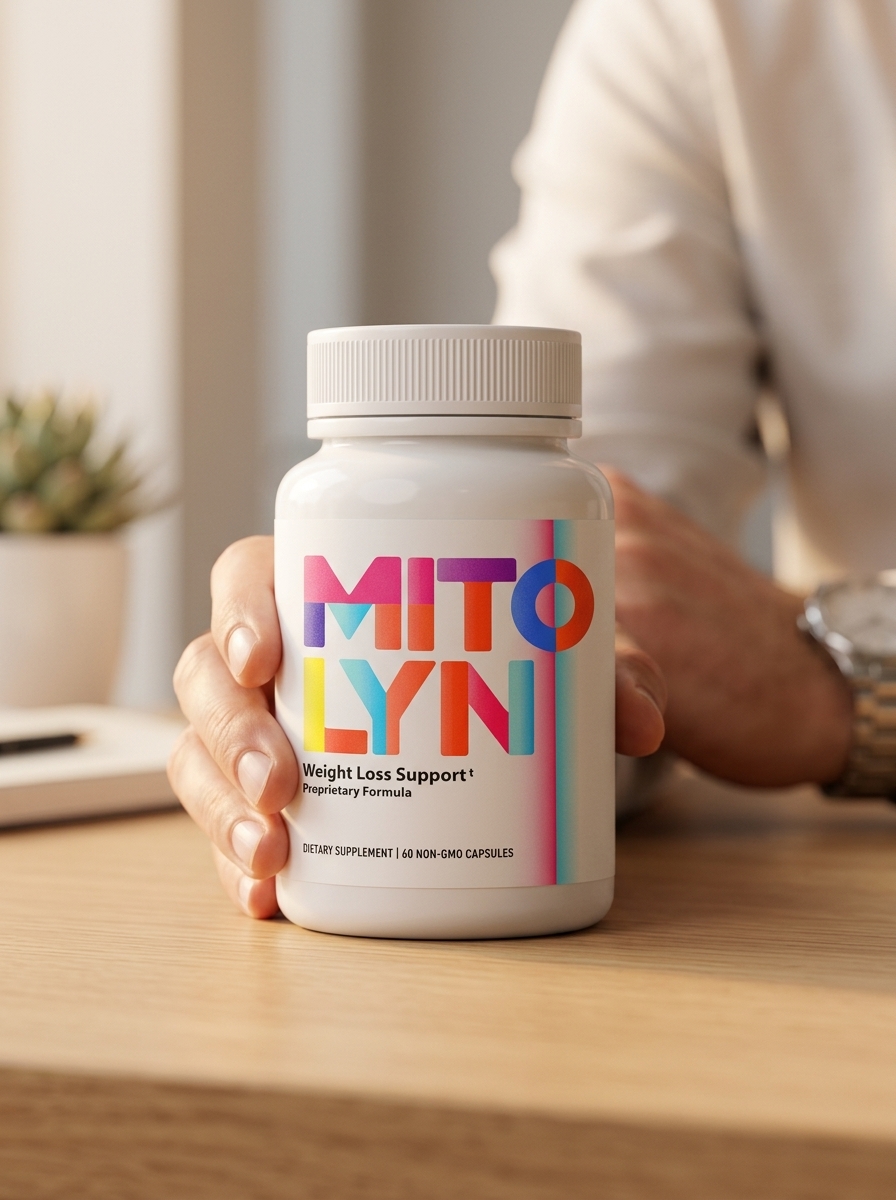
Mitolyn delivers therapeutic levels of astaxanthin plus mitochondrial cofactors that work where blue light filters can’t reach. Your retinal mitochondria work overtime during screen time. Give them the cellular support they need to maintain sharp, comfortable vision all day long.
- ✓ Morning clarity that lasts past lunch
- ✓ Reduced burning sensation by evening
- ✓ Sustained focus without the fade
The Day I Stopped Accepting Tired Eyes as Normal
I found Mitolyn during one of those late-night research sessions that happen when you’re frustrated enough to dig deeper than the first page of Google results. It’s specifically formulated for mitochondrial support, with astaxanthin in a bioavailable form plus other compounds that work synergistically to support cellular energy production. What attracted me wasn’t the marketing — it was the dosing.
This wasn’t the token 1mg of astaxanthin you find in most eye supplements. This was therapeutic levels, combined with other mitochondrial cofactors that made biological sense for someone whose eyes were working overtime every single day.
I started taking Mitolyn with my morning coffee, treating it like any other part of my routine. The changes weren’t dramatic at first — more like a slow climb out of a hole I didn’t realize I’d fallen into. The afternoon burning sensation became less intense. The end-of-day haziness started lifting. Most notably, I stopped unconsciously holding my phone at arm’s length.
Transform tired eyes into sustained clarity that lasts all day long.
What Actually Changed

Three weeks in, I realized I hadn’t thought about my eyes in days. This might sound simple, but when you’ve been consciously managing discomfort for months, not thinking about it is profound.
I was working the same hours, looking at the same screens, but the underlying fatigue had lifted. The morning sharpness lasted past lunch. The transition from screen to book didn’t require a five-minute adjustment period where everything looked blurry. I could work past 6 PM without feeling like my eyes were made of sandpaper. These aren’t dramatic changes, but they’re the difference between managing your day around your limitations and simply getting on with your work.
The real test came during a particularly intense project that required twelve-hour screen days for a week straight. Previously, this would have left me with splitting headaches and eyes that felt raw for days afterward. Instead, I felt normal. Tired from the long hours, but not that specific cellular exhaustion that comes from overworked mitochondria.
Your eyes work overtime every day. Give them the cellular backup they deserve.
Beyond the Quick Fix
Supporting your mitochondria isn’t just about reducing eye strain. It’s about maintaining the cellular energy that powers focus, clarity, and sustained attention. When your eyes feel better, everything downstream improves. Your work quality. Your evening reading. The way you feel when you wake up in the morning.
I still use blue light filters. I still try to follow the 20-20-20 rule when I remember. But these feel like optimization now, not desperate measures. The foundation — the cellular support — handles the heavy lifting. Everything else is just fine-tuning.
The burning sensation behind your eyes isn’t normal, even if it’s common. It’s your cellular machinery asking for help, and there are ways to provide that help that go deeper than adjusting your screen brightness or buying expensive glasses. Sometimes the most practical solutions are the ones that work with your biology instead of against it.
Written by Elias Menden — for those who seek clarity
Stop managing symptoms and start addressing the mitochondrial root cause.