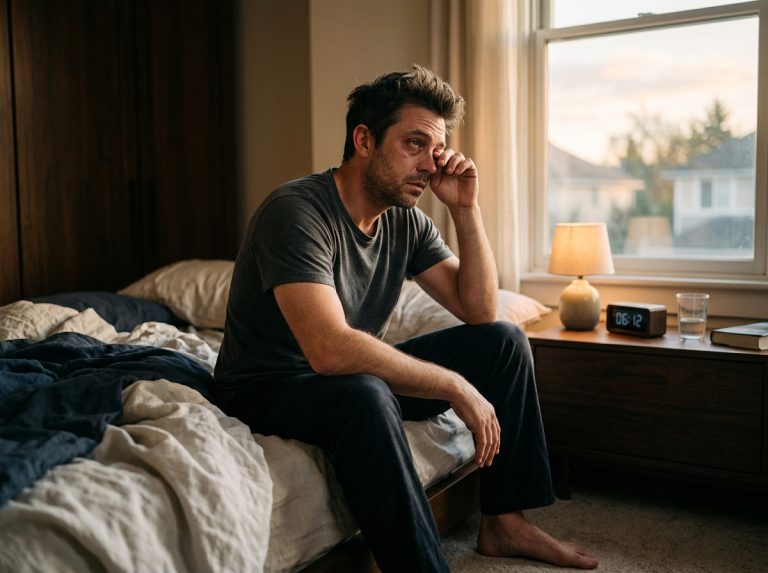
The street sign blurred into a gray smudge at the intersection I’d driven through a thousand times. I leaned forward, squinting harder, my hands gripping the steering wheel as I tried to make sense of letters that used to be crystal clear. That Tuesday morning in March became the day I stopped pretending that aging was something that happened to other people.
I pulled over, heart racing slightly, and realized it wasn’t just my eyes. The radio seemed muffled too, like someone had wrapped cotton around the speakers. Standing there on the sidewalk, I felt something shift—a quiet recognition that my body was asking for more support than I’d been giving it.
What struck me wasn’t panic, but clarity. My grandfather had worn thick glasses by sixty and cupped his ear during conversations by seventy. I was seeing the preview of coming attractions, and for the first time, I understood that healthy aging meant getting ahead of the decline, not just accepting it as inevitable.
When Your Senses Start Sending Signals

The changes happen so gradually that we adapt without noticing. You turn up the volume on the TV. You hold your phone a little farther away to read text messages. You start asking people to repeat themselves, claiming they’re mumbling when really, the world has gotten quieter. Your brain works overtime to compensate, filling in gaps and making educated guesses about what you’re seeing or hearing. It’s remarkable, really—this neurological workaround that keeps us functioning even as our sensory input starts to fade. But that compensation comes with a cost. Mental fatigue creeps in. Concentration becomes harder. You end each day feeling more drained than you should.
I started paying attention to these moments instead of brushing them off. The restaurant where I couldn’t quite catch what the server was saying over the background noise. The book I held at arm’s length to bring the words into focus.
Small adaptations that had become so automatic I barely noticed them.
That’s when I realized something important: these weren’t just isolated problems with my eyes or ears. They were connected—part of a larger network that includes brain function, circulation, and cellular health. The solution wouldn’t be found in reading glasses alone.
Ready to address sensory aging before it limits your life?
The Science Behind Sensory Aging
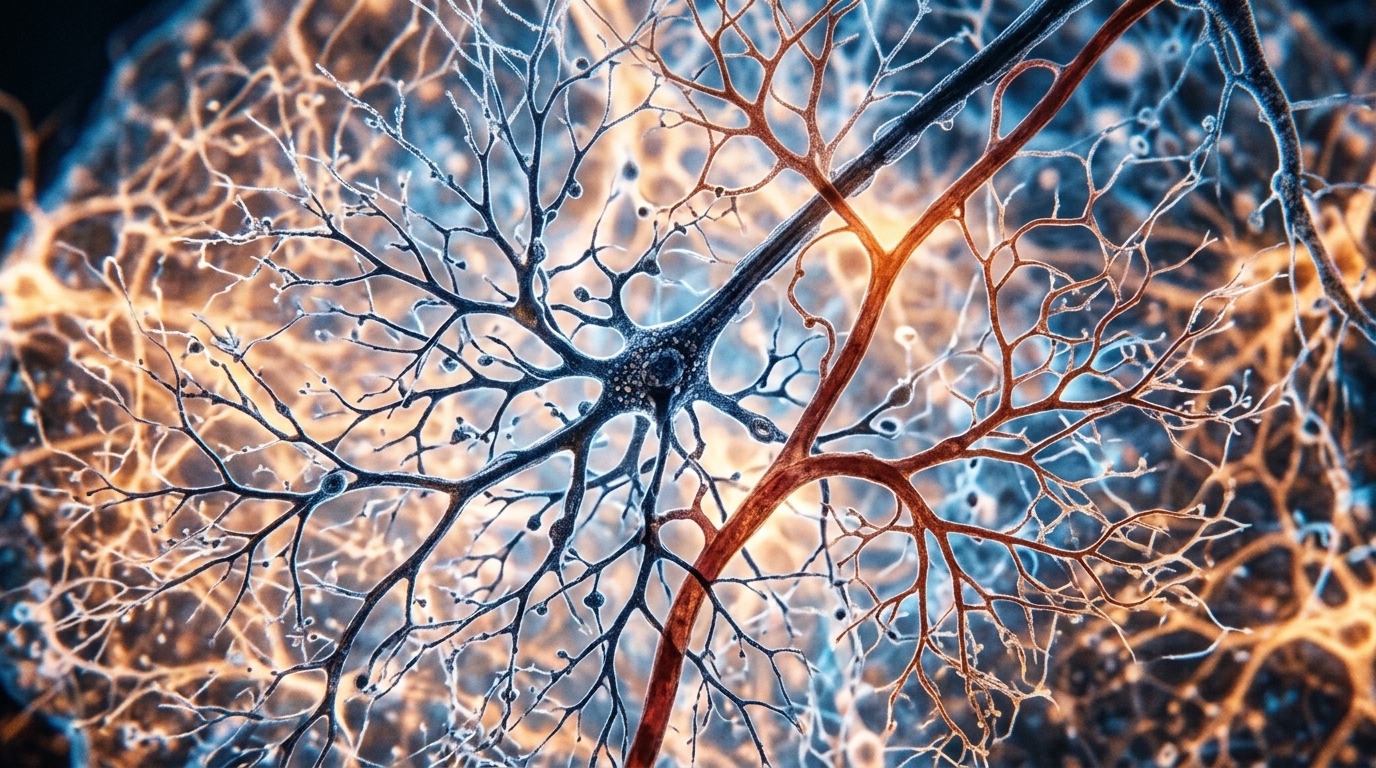
Your eyes and ears share more than you might think. Both rely on delicate cellular structures that are vulnerable to oxidative stress and inflammation. Both depend on robust blood flow to deliver nutrients and remove waste. Both connect directly to your brain through complex neural pathways that need maintenance as you age. The retina in your eye contains some of the most metabolically active tissue in your body. It’s constantly processing light and converting it to electrical signals your brain can understand. Similarly, the tiny hair cells in your inner ear are working around the clock to translate sound waves into neural messages. All of this cellular activity generates free radicals—unstable molecules that can damage healthy tissue over time.
When you’re young, your body’s natural antioxidant systems handle this oxidative stress efficiently. But as you age, that protective capacity diminishes while the stress load increases. Environmental factors like blue light from screens, loud noises, and everyday toxins add to the burden.
Your sensory organs start working harder with less support.
The breakthrough came when I learned about targeted nutrition for neurological health. Instead of treating vision and hearing as separate problems, I could address them as connected parts of a aging nervous system that needed comprehensive support.
Give your brain and hearing the targeted support they deserve.
What Changed When I Started Taking This Seriously

I remember the first time I took ZenCortex on a quiet Sunday morning. Not because I expected immediate results, but because I’d finally accepted that my sensory health deserved the same attention I gave to exercise and nutrition. I was done waiting for problems to get worse before addressing them. The formula caught my attention because it wasn’t just about one thing—it addressed the whole network of brain health, circulation, and cellular protection that supports both hearing and cognitive function. Ingredients like Ginkgo Biloba for circulation, Green Tea for antioxidant protection, and a blend of nutrients specifically chosen to support auditory and neurological wellness.
Three weeks in, I noticed something subtle but unmistakable. Conversations in noisy restaurants became easier to follow. I wasn’t straining to separate voices from background noise the way I had been. The constant low-level effort of listening—something I hadn’t even realized I was doing—started to ease.
More importantly, I felt sharper mentally. That afternoon fog that had been creeping in earlier each day seemed lighter. I could focus on detailed work longer without feeling drained. It was as if someone had turned up the clarity on both my physical senses and my mental processing.
Stop adapting to decline and start building sensory resilience.
The Connection Between Circulation and Sensory Function

One thing I hadn’t fully appreciated was how much healthy circulation matters for sensory organs. Your eyes and inner ears are supplied by some of the smallest, most delicate blood vessels in your body. When circulation becomes sluggish—whether from age, stress, or inflammation—these organs are among the first to feel the impact. I started thinking about it like watering a garden. You can have the richest soil and the best seeds, but without consistent water flow, nothing thrives. Your sensory organs need that steady delivery of oxygen and nutrients to maintain their intricate cellular machinery. When blood flow improves, everything downstream benefits.
That’s why ingredients like Ginkgo Biloba made sense to me. It’s been used for centuries to support circulation, particularly to the brain and sensory organs. Combined with antioxidants that protect blood vessels from damage, it creates an environment where your eyes and ears can function optimally.
The difference wasn’t dramatic—no sudden restoration of twenty-year-old hearing or eagle-sharp vision. Instead, it was a gradual return to a quality of sensory experience I’d been missing without realizing it. Colors seemed more vivid. Conversations became less effortful. The world felt a little brighter and clearer.

Support Your Sensory Future
Advanced nutrition for hearing clarity and cognitive sharpness as you age gracefully.
ZenCortex combines Ginkgo Biloba, Green Tea, and targeted nutrients to support healthy circulation to your ears and brain. Address sensory aging proactively with a formula designed for auditory function, cognitive clarity, and neurological wellness. Stop adapting to decline and start investing in resilience.
- ✓ Clearer conversations without straining
- ✓ Sharper mental focus throughout the day
- ✓ Confident aging with comprehensive support
Why Standard Approaches Miss the Mark

Most people approach sensory aging reactively. Reading glasses for blurry vision. Hearing aids for diminished hearing. These solutions treat symptoms after they’ve already progressed, like patching holes in a boat instead of maintaining the hull.
The problem with waiting is that sensory decline often accelerates once it starts.
The neurological pathways that aren’t stimulated regularly begin to weaken. Your brain, remarkable as it is, starts allocating resources elsewhere. What begins as minor inconvenience can compound into significant limitations on your quality of life. I realized I needed to think proactively—supporting the underlying systems before problems became unavoidable. That meant addressing circulation, inflammation, oxidative stress, and neurological health simultaneously. It meant choosing a supplement that understood the interconnected nature of sensory aging rather than targeting isolated symptoms.
ZenCortex appealed to me because it was formulated with this systems approach in mind. Instead of just throwing generic vitamins at the problem, it combined specific nutrients known to support auditory function, cognitive clarity, and the delicate balance of neurological wellness that keeps everything working together.
Experience the clarity that comes from proactive neurological support.
The Quiet Confidence of Proactive Care

Six months later, I drive past that same intersection where I first noticed the blurry street sign. I can read it clearly now—not because my prescription changed, but because I’m supporting my visual system from the inside out. The radio sounds crisp and clear, music filling the car with detail I’d been missing.
More than the physical improvements, though, there’s a psychological shift. I’m no longer bracing for decline or adapting to limitations I haven’t reached yet. Instead, I’m actively investing in the health of systems that I want to serve me well for decades to come.
The evening routine of taking ZenCortex has become a small ritual of self-care that extends beyond the supplement itself. It’s a daily reminder that aging well requires intention, that the choices I make today influence how I experience the world tomorrow.
Friends have started commenting on how engaged I seem in group conversations, how I don’t ask them to repeat things the way I used to. They can’t pinpoint exactly what’s different, but they notice that I’m more present, more connected to what’s happening around me.
Join others who choose prevention over reaction for healthy aging.
Building Resilience for the Years Ahead

What I’ve learned is that protecting your senses as you age isn’t just about maintaining what you have—it’s about building resilience for whatever comes next. Every day you support healthy circulation is a day you’re protecting those delicate blood vessels that serve your eyes and ears. Every day you counter oxidative stress is a day you’re preserving cellular function that can’t be easily restored once it’s lost. ZenCortex has become part of a larger philosophy of aging that emphasizes maintenance over repair, prevention over reaction. I take it not because I have to, but because I choose to invest in the kind of sensory health that keeps me fully engaged with life.
The morning light streams through my kitchen window as I prepare for another day, and I notice details I might have missed before—the way dust motes dance in the sunbeam, the subtle layers of sound from the neighborhood awakening. These aren’t dramatic revelations, just the quiet satisfaction of a body that’s been cared for properly.
There’s something deeply empowering about taking control of your aging process instead of just letting it happen to you. That street sign was a wake-up call, but it didn’t have to be the beginning of inevitable decline. It could be—and was—the beginning of a more intentional approach to staying connected to the world around me.
Written by Elias Menden — for those who seek clarity
Invest in the sensory future you want to experience.