Three months ago, I watched my neighbor drag herself to her car at 7 AM, coffee mug trembling in her hand. Same scene every morning. Dark circles, shoulders curved inward, moving like someone twice her age. “Bad night again?” I asked one morning. She laughed, but it came out hollow. “Every night’s a bad night now. Even when I sleep eight hours, I wake up feeling like I ran a marathon.”
I recognized that exhaustion. Not the kind that comes from staying up too late or working hard—this was different. This was the bone-deep fatigue that sleep couldn’t touch, the kind that made simple tasks feel monumental. What she didn’t know yet, and what took me years to understand, is that her sleep and that persistent, low-grade inflammation in her body weren’t separate problems. They were the same problem, feeding each other in an endless loop.
The discovery changed how I understood energy entirely. And it led me to something that finally broke the cycle.
When Your Body Betrays Your Best Intentions
I spent two years doing everything right. Evening routine locked down—no screens after 9 PM, bedroom temperature at exactly 67 degrees, blackout curtains so thick my room looked like a cave. I tracked my sleep on three different apps. Eight hours in bed became my religion. Yet morning after morning, I woke up feeling like I’d been hit by a truck.
The frustration was maddening. Friends would say, “You look tired,” and I’d want to scream. Of course I looked tired—I was tired. But not because I wasn’t sleeping.
That’s when I started noticing the other signs. The afternoon brain fog that rolled in like clockwork around 2 PM. The way my joints ached for no reason. The persistent feeling that my body was fighting something, even when I wasn’t sick. My energy felt like a phone battery that wouldn’t hold a charge—no matter how long I plugged it in, it died by noon.
Ready to address the root cause of your exhaustion?
The Hidden War Inside Your Cells
The breakthrough came during a conversation with a friend who studies cellular biology. I was complaining about my sleep again when she stopped me mid-sentence. “Elias, what if your sleep isn’t the problem? What if something is preventing your sleep from doing its job?”
She explained something that changed everything: sleep is when your body repairs itself at the cellular level. But when your cells are dealing with chronic inflammation, they can’t focus on repair and restoration. Instead, they’re stuck in defense mode, fighting off perceived threats that never really go away. It’s like trying to renovate your house while it’s still on fire.
Inflammation creates this internal chaos that makes restorative sleep nearly impossible. Your body might be unconscious for eight hours, but your cells never get the signal that it’s safe to shift into repair mode. You’re sleeping, but your cellular machinery is still running on high alert, burning through energy reserves instead of replenishing them.
This explained everything—the exhaustion that sleep couldn’t touch, the way I felt older than my years, the sense that my body had forgotten how to truly rest.
Stop treating symptoms and start supporting your cellular powerhouses.
Why the Usual Solutions Miss the Mark
Once I understood the connection, I realized why all my previous attempts had failed. I was treating symptoms in isolation instead of addressing the root cause. Sleep aids helped me fall asleep but didn’t improve how I felt in the morning. Anti-inflammatory foods helped with joint pain but didn’t fix my energy levels. Each approach tackled one piece of the puzzle while ignoring the larger picture.
The real issue wasn’t in my bedroom or my diet—it was in my mitochondria, the tiny powerhouses inside every cell. When chronic inflammation persists, it damages these cellular engines, making them less efficient at producing the energy your body needs for repair and restoration.
I started researching mitochondrial support, looking for something that could address the problem at its source. Most supplements felt like shots in the dark—unclear mechanisms, vague promises, no real science behind the marketing claims. I needed something that specifically targeted the cellular dysfunction that was sabotaging my sleep and stealing my energy.
Experience what true restorative sleep feels like.
The Discovery That Changed My Mornings
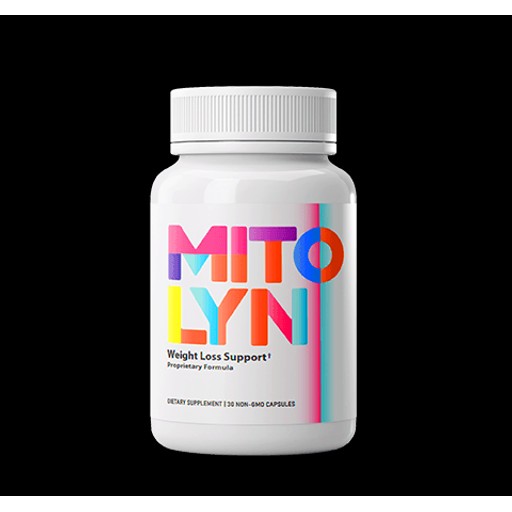
That’s when I found Mitolyn. Unlike other supplements that focused on surface-level symptoms, Mitolyn was designed specifically to support mitochondrial function and cellular health. The science made sense—if inflammation was damaging my cellular powerhouses and preventing restorative sleep, I needed something that could protect and optimize those powerhouses directly.
What drew me to Mitolyn wasn’t just the research behind it, but how it approached the problem holistically. Instead of forcing sleep or suppressing inflammation with harsh compounds, it worked to restore the natural balance that allows both systems to function properly. It felt like finally treating the disease instead of just managing symptoms.
The first few weeks were subtle. I wasn’t expecting overnight transformation—I’d been disappointed too many times before. But gradually, something fundamental began to shift.
Cellular Energy Restored
When your cells work properly, everything else falls into place.
Mitolyn targets the root cause of exhaustion—mitochondrial dysfunction and cellular inflammation. Unlike surface-level solutions, it supports your body’s natural ability to repair and restore at the cellular level, leading to truly restorative sleep and sustained energy.
- ✓ Wake up feeling genuinely refreshed
- ✓ Energy that lasts throughout the day
- ✓ Natural reduction in inflammation
When Your Body Remembers How to Rest
Six weeks into taking Mitolyn consistently, I woke up one morning and realized something extraordinary had happened: I felt rested. Not just “got enough hours” rested, but truly restored. My mind was clear, my body felt light, and for the first time in years, I had energy that lasted throughout the day.
The change wasn’t just about energy levels. My mood stabilized. That low-grade anxiety I’d carried for months—the constant feeling that I was running on empty—simply disappeared. Food started tasting better. Colors seemed brighter. I realized I had been living in a fog so dense I hadn’t even noticed it until it lifted.
My neighbor noticed the difference before I said anything. “You look different,” she said one morning. “Younger. What changed?”
Give your cells what they need to function properly.
The Ripple Effects of Cellular Health
What surprised me most was how fixing my cellular health affected everything else. My workouts felt easier—not because I was suddenly stronger, but because my body had the energy to actually perform. My focus sharpened. Tasks that used to drain me became manageable again.
Even my relationships improved. When you’re not constantly fighting fatigue, you have more patience, more presence, more capacity for the people you care about.
The inflammation markers that had been elevated in my last blood work started coming down. My doctor was impressed, asking what changes I’d made. When I explained about supporting mitochondrial function, she nodded knowingly. “That makes sense,” she said. “When your cells can do their job properly, everything else falls into place.”
Join thousands who’ve rediscovered natural, lasting energy.
What I Wish I’d Known From the Beginning
If I could go back and tell myself one thing, it would be this: stop treating sleep and inflammation as separate problems. They’re part of the same system, and you can’t fix one without addressing the other. The exhaustion that sleep can’t touch isn’t a character flaw or a sign that you’re getting old—it’s a signal that something deeper needs attention.
Mitolyn gave me back something I thought I’d lost forever: the ability to wake up refreshed and maintain that energy throughout the day. It’s not magic—it’s just what happens when you give your cells what they need to function properly. The inflammation settles down, sleep becomes truly restorative, and energy returns naturally.
My neighbor started taking Mitolyn three weeks ago. Yesterday morning, she bounded out to her car with a spring in her step I hadn’t seen in months. “I actually feel human again,” she told me, grinning. That’s exactly how I would describe it—feeling human again, feeling like myself.
The transformation doesn’t happen overnight, but when it comes, it’s unmistakable. Your body remembers how to rest, how to repair, how to generate the energy you need for the life you want to live.
And that changes everything.
Written by Elias Menden — for those who seek lasting energy
Break the cycle of exhaustion that sleep can’t touch.