The first sign wasn’t dramatic. Just a subtle shift in how my eyes felt during those productive late-morning hours when everything used to click into focus effortlessly. Instead of that crisp clarity I’d taken for granted, there was a faint haze — like looking through a window that needed cleaning, except the smudge was behind my eyes somewhere I couldn’t reach.
I kept adjusting my monitor settings, thinking it was the screen. Increased the brightness, changed the contrast, moved closer, moved back. Nothing helped. The tiredness wasn’t just in my eyes anymore; it was seeping into my whole sense of sharpness, that mental edge I’d relied on for decades.
At 45, I wasn’t ready to accept that this was just how things were now. The conventional wisdom about aging and vision felt too passive, too resigned. There had to be something deeper going on — something I could actually address instead of just manage with drops and stronger reading glasses.
The Morning Test That Changed Everything

Every morning became an informal assessment. How quickly could my eyes adjust from the dim bedroom to the bright bathroom mirror? How long before that gritty, tight feeling set in? How many blinks did it take to feel like I was seeing clearly instead of through a thin film? The answers were getting worse.
What used to happen automatically — that smooth transition from sleep-blurred vision to sharp awareness — now required conscious effort. I found myself squinting more, rubbing my eyes more, reaching for artificial tears before I’d even had my first cup of coffee.
But it was the detail work that really got my attention. Reading small print, distinguishing between similar colors, tracking moving objects with the precision I’d always had — these weren’t just harder now. They felt effortful in a way that left me mentally drained by mid-afternoon.
That’s when I realized this wasn’t just about my eyes. The fatigue that followed visual tasks was affecting my entire energy system, like my body was working overtime just to see clearly.
Ready to move beyond managing symptoms to supporting cellular excellence?
Beyond Surface Solutions

The eye drops helped with the immediate dryness, but they were like putting a band-aid on a deeper problem. The relief was temporary, superficial. Within an hour, that tight, gritty sensation would creep back in, and I’d be reaching for the bottle again. Even the better artificial tears — the preservative-free ones, the gel formulations, the nighttime ointments — only addressed the symptoms showing up at the surface.
They made my eyes feel temporarily better without touching whatever was causing the decline in the first place.
I started researching what actually happens to our vision as we age, beyond the standard explanations about lens flexibility and muscle strength. What I found was fascinating: the cellular powerhouses in our eyes — the mitochondria — are among the most energy-demanding in our entire body. When they start struggling, visual function is one of the first things to suffer. That made perfect sense. My eyes weren’t just getting older; they were getting tired at the cellular level.
Your visual system deserves the cellular foundation it’s been asking for.
The Energy Connection I’d Been Missing

Think about it: your eyes are working every single second you’re awake, constantly adjusting, focusing, filtering light, sending signals to your brain. The retina alone consumes more oxygen per gram of tissue than almost any other part of your body. When cellular energy production starts declining, your visual system feels it immediately.
This wasn’t just about lubrication or muscle strength. This was about giving my eye cells the mitochondrial support they needed to function at their best. The same way an athlete needs better nutrition when training intensifies, my aging visual system needed better cellular fuel to maintain its performance.
That’s when I discovered astaxanthin — a compound that specifically supports mitochondrial function in eye tissues. Not just any antioxidant, but one that actually crosses the blood-retinal barrier and provides direct cellular protection where vision happens. Combined with comprehensive mitochondrial support, it offered a completely different approach than I’d been taking.
Instead of managing symptoms, I could address the energy deficit that was causing them. Instead of accepting decline, I could give my visual system the cellular foundation it needed to maintain clarity and sharpness.
Stop accepting decline and start supporting the clarity you deserve.
The Mitochondrial Foundation

When I started taking Mitolyn, I wasn’t expecting immediate changes. Cellular support works differently than symptom relief — it’s more like rebuilding the foundation than patching the roof. But within a few weeks, something fundamental shifted in how my eyes felt throughout the day. The morning adjustment period shortened. That gritty, effortful feeling took longer to appear.
More importantly, the visual fatigue that used to knock me out by mid-afternoon started backing off, giving me hours of clear, comfortable vision I’d been missing.
The astaxanthin in Mitolyn was specifically what caught my attention. This isn’t just general antioxidant support — it’s targeted mitochondrial protection that reaches the exact tissues where vision happens. Combined with the comprehensive cellular energy support in the formula, it gave my visual system what it had been asking for all along. I stopped reaching for eye drops multiple times a day.
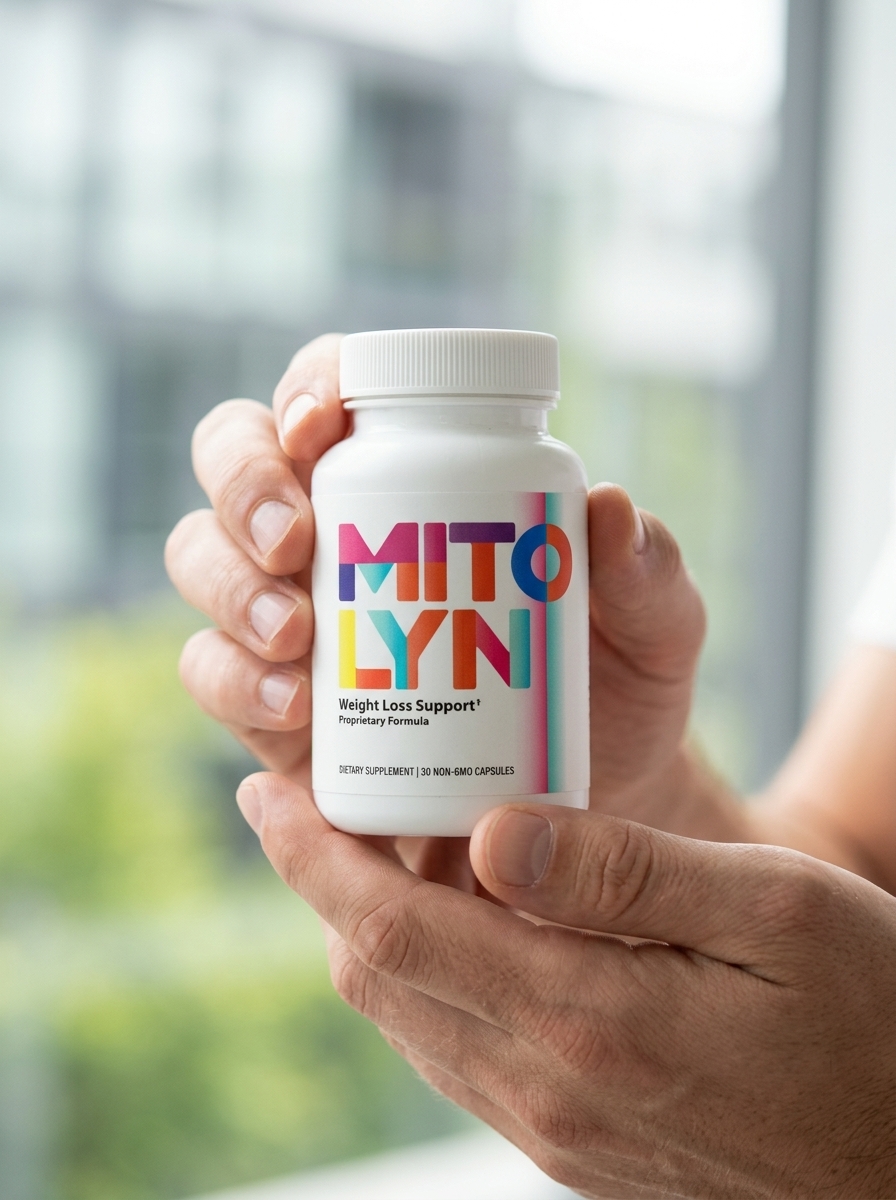
Power Your Visual Clarity
When your eyes work at the cellular level, everything else follows naturally.
Mitolyn delivers targeted mitochondrial support with astaxanthin that crosses the blood-retinal barrier. Instead of managing symptoms, you’re addressing the energy foundation your visual system needs. Clear, comfortable vision that lasts all day starts with cellular excellence.
- ✓ Energy that sustains sharp focus all day
- ✓ Natural visual endurance without strain
- ✓ Cellular foundation for lasting clarity
What Actually Changed

The first improvement was endurance. I could work at my computer for longer stretches without that burning, tired feeling that used to force me to look away. Reading didn’t require the same conscious effort it had been demanding. The natural ease of focusing — something I hadn’t even realized I’d lost — quietly returned.
But it was the sharpness that really convinced me this was working. Details that had been getting progressively hazier started coming back into focus. Not dramatically, not overnight, but with the steady improvement that comes from addressing root causes instead of just managing symptoms.
The contrast sensitivity that had been declining for months stabilized, then actually improved. I could read in dimmer light again. Colors looked richer, more distinct. The subtle visual clarity that makes everything easier — from driving at dusk to reading fine print — was coming back online. Most importantly, the mental fatigue that had been following every visual task started lifting.
When your eyes don’t have to work so hard just to see clearly, your whole energy system gets a break.
Give your eyes the mitochondrial support they need to thrive.
Beyond Managing Decline

What struck me most was how quickly I’d accepted that vision decline was just part of aging. How easily I’d shifted from expecting sharpness to managing symptoms. It wasn’t until I got some of that clarity back that I realized how much I’d been compensating for — and how much energy that compensation was costing me.
This wasn’t about turning back the clock or pretending age doesn’t matter. It was about giving my visual system the cellular support it needed to function at its best, regardless of my age. The same way proper nutrition supports athletic performance, targeted mitochondrial support was supporting visual performance.
The dry eye symptoms that had sent me searching for solutions in the first place became occasional instead of constant. When they did appear, they were mild, temporary, easily resolved. The underlying energy deficit that had been driving them was finally being addressed. I started thinking about vision the way I think about fitness: not something that automatically declines with age, but something that responds to proper support and attention.
Discover what cellular energy support can do for your vision.
The Clarity Worth Protecting

Now, six months later, my mornings start with clear, comfortable vision that lasts well into the evening. The effortful quality that had been creeping into all my visual tasks has been replaced by the natural ease I thought I’d lost forever. I’m not squinting at screens, rubbing tired eyes, or reaching for artificial tears multiple times a day.
The sharpness I’d been mourning — that ability to distinguish fine details, to focus smoothly between distances, to see clearly in varied lighting — isn’t just stable anymore. It’s actually better than it was when this whole journey started. Better because it’s supported at the cellular level, not just managed at the surface.
Looking back, I realize the dry eyes were just the beginning. They were my visual system’s way of saying it needed better cellular support. Once I started providing that support through Mitolyn’s targeted mitochondrial formula, everything else followed. The clarity, the endurance, the comfortable vision that lasts all day.
At 45, I’m not managing visual decline anymore. I’m supporting visual excellence. And that shift — from accepting less to demanding more — has changed not just how I see, but how I think about aging itself.
Written by Elias Menden — for those who seek lasting clarity
Transform tired eyes into clear, comfortable vision that lasts all day.