I caught my reflection in the bathroom mirror last Tuesday morning and paused. Not because of what I saw, but because of what I suddenly understood. The fine lines around my eyes weren’t just from laughing or squinting in sunlight. The dullness that seemed to settle over my skin wasn’t just from poor sleep or stress. My skin was telling a story I hadn’t been listening to—a story about what was happening inside my cells.
For months, I’d been addressing surface symptoms. Better moisturizers. More sunscreen. Earlier bedtimes. But standing there in the soft morning light, I realized I’d been treating the messenger instead of reading the message. My skin wasn’t failing me. It was reflecting something deeper—a cellular conversation I needed to join.
That realization changed everything about how I approached aging. Not just skin aging, but the whole process of how our bodies change over time.
Because what I learned next shifted my understanding of what healthy aging actually looks like when you support it from the inside out.
The Story Your Skin Is Already Telling

Every morning, your skin is writing a report. Not just about yesterday’s sun exposure or last night’s sleep, but about the cellular environment where your skin cells are born, live, and renew themselves. When that environment becomes chronically inflamed—what researchers call “inflammaging”—your skin starts to show it in ways that go far beyond what any cream can address. I used to think inflammation was obvious. Red, swollen, hot to the touch. But chronic low-grade inflammation is different. It’s subtle and persistent, creating an environment where your skin cells can’t perform their renewal dance properly.
Collagen production slows down. Cellular repair becomes sluggish. The natural glow that comes from healthy cellular turnover starts to dim.
This isn’t about vanity or fighting the natural process of aging. This is about understanding that your skin’s appearance is intimately connected to your cellular health. When your cells are functioning optimally, your skin reflects that vitality.
Ready to support your cells from within?
Why Everything I Tried Stayed on the Surface

For two years, I invested in what felt like every promising skincare routine. Serums with peptides. Retinoids. Professional treatments. Each one promised to address the signs of aging I was seeing, and some of them helped—temporarily. But I was always chasing the next product, the next treatment, the next solution for something that seemed to keep advancing despite my efforts.
The breakthrough came when I realized I was trying to solve a cellular problem with surface solutions. No matter how sophisticated the topical ingredients, they could only work with the cellular environment I was providing.
If my cells were operating in a state of chronic inflammation, even the most advanced skincare was working against challenging conditions.
I started researching what creates optimal cellular environments for skin health. What I discovered was both humbling and empowering: the quality of cellular function depends largely on mitochondrial health—the energy factories within each cell that power every process, including skin renewal and repair.
Experience what mitochondrial support feels like.
The Cellular Foundation of Radiant Skin

Your mitochondria are extraordinary. They’re the microscopic power plants that fuel every cellular process, including the complex work of maintaining healthy skin. When mitochondria function optimally, they provide clean, efficient energy that supports robust collagen synthesis, effective cellular repair, and the natural antioxidant systems that protect skin from environmental damage. But when mitochondria become compromised—often by chronic inflammation, oxidative stress, or simply the accumulated effects of daily life—they can’t provide the energy your skin cells need for optimal function.
This creates a cascade effect: sluggish cellular repair, decreased collagen production, and a gradual loss of the natural resilience that keeps skin looking vital.
The beauty of supporting mitochondrial health is that it addresses skin aging at its source. Instead of trying to compensate for tired cells with external interventions, you’re creating the internal conditions where skin cells can thrive naturally.
Your skin is ready for cellular-level support.
When I Found What Actually Changed Things

After months of research into mitochondrial support and inflammaging, I discovered Mitolyn. What drew me in wasn’t marketing promises, but the specific botanical ingredients and their documented effects on cellular health. Maqui Berry for its powerful antioxidant compounds. Rhodiola for supporting cellular stress response. Astaxanthin for protecting mitochondrial membranes. But it was the comprehensive approach that convinced me to try it.
Mitolyn wasn’t just targeting inflammation or just supporting mitochondria—it was addressing the interconnected systems that determine cellular health. The six botanicals work synergistically to support the cellular environment where healthy skin cells are born and maintained.
I started taking Mitolyn not with dramatic expectations, but with curiosity about what consistent mitochondrial support might feel like.
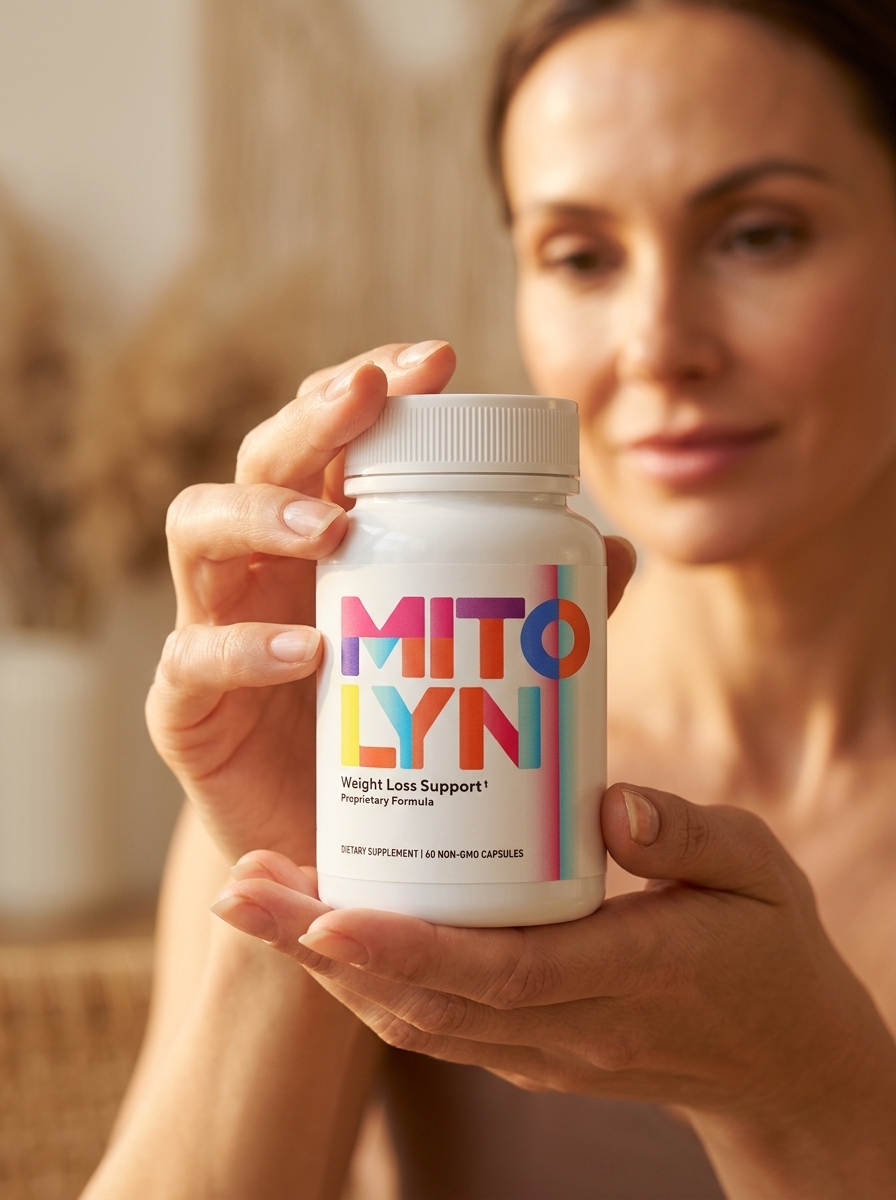
Support Your Cells
Target inflammaging where it starts—in your mitochondria.
Mitolyn combines six rare botanicals including Maqui Berry, Rhodiola, and Astaxanthin to support your cellular energy factories. When mitochondria function optimally, your skin reflects that vitality from within. Experience the difference of addressing aging at its source.
- ✓ Cellular energy that you can feel
- ✓ Skin vitality from deep within
- ✓ Natural resilience that lasts
The Quiet Revolution in How My Skin Felt

Three weeks into taking Mitolyn daily, I noticed something subtle but unmistakable. My skin felt different when I touched it. Not just smoother, but somehow more alive. Like there was better circulation, better cellular activity happening beneath the surface. The kind of change you feel before you see it. By the sixth week, people started commenting. Not on specific features or treatments, but on something harder to pinpoint.
“You look rested.” “Your skin is glowing.” “What are you doing differently?”
But the most significant change was internal. I stopped feeling like I was fighting against my skin’s natural aging process and started feeling like I was supporting it.
There’s something profoundly different about working with your cellular health rather than trying to override it with external solutions. It feels sustainable in a way that surface treatments never did.
Join the quiet revolution in healthy aging.
What Mitochondrial Health Actually Looks Like

Supporting your mitochondria isn’t about stopping the aging process—it’s about ensuring that aging happens from a place of cellular strength rather than cellular compromise. When your mitochondria are functioning well, your skin cells have the energy they need for efficient repair, renewal, and protection against environmental stressors. This shows up in ways that go beyond appearance. Skin that feels more resilient. A complexion that seems to maintain its natural luminosity longer throughout the day.
The sense that your skin is working with you rather than requiring constant management and intervention.
I’ve been taking Mitolyn for eight months now, and the transformation has been both subtle and profound. My skin looks healthier, but more importantly, it feels like an expression of my overall cellular health rather than something separate that requires constant attention.
Support the cellular conversation your skin is having.
A Different Approach to Healthy Aging

What I’ve learned through this experience is that the most effective anti-aging strategies work from the inside out, supporting the cellular processes that determine how we age rather than trying to mask or reverse aging after it’s already begun from a compromised cellular foundation. Mitolyn gave me a way to address inflammaging at its source—in the mitochondria where cellular energy is produced and where the quality of that energy determines the quality of every cellular process, including skin renewal.
It’s not about turning back time, but about ensuring that time moves forward from a place of cellular vitality.
Now when I look in the mirror, I see skin that tells a different story. Not a story of fighting against aging, but of aging well, with cellular support that shows up in the natural radiance and resilience that comes from healthy mitochondrial function. It’s the difference between trying to override your body’s processes and learning to support them so completely that they can do what they’re designed to do.
Some mornings I still pause in front of that bathroom mirror. But now it’s not with concern about what I’m seeing—it’s with appreciation for the cellular conversation that’s been happening beneath the surface, supporting not just how I look, but how I age from the inside out.
Written by Liora Menden — for those who seek vitality from within
Feel the difference that cellular vitality makes.