I used to think detox meant a color-coded juice plan and a big promise. Then, one foggy morning, I woke up with that “heavy sweater” feeling—like my body was wearing a layer I couldn’t take off. The light through the blinds looked dull. Coffee helped me move, but not think. That’s when I started learning about cellular detox, not as a crash fix, but as a daily relationship with my cells.
This is the guide I wish I had then—gentle, practical, grounded.
What Is Cellular Detoxification (Really)?

Cellular detox is your cells doing what they already know how to do: identify waste, escort it out, and reset. It’s not punishment. It’s housekeeping.
Every day, we meet the modern world—air, water, plastics, preservatives, and the low-grade stress of a six-tab life. Your cells sort that load and hand it off to your liver, kidneys, gut, skin, and lungs. When that traffic flows, you feel light, focused, clear. When it clogs, you feel like you’re walking through molasses.
You don’t have to “force” detox. You help it. You give your body rhythm, raw materials, and space.
Why Your Cells Crave Regular Detox Support
Think of your cells like a team that plays every day without a bench. If they don’t recover, they underperform—not because they’re weak, but because they’re tired.
When the detox backlog grows, you might notice:
- brain fog that makes sentences feel slippery
- stubborn bloat or irregular digestion
- mood swings that don’t match the day
- energy that dips and doesn’t rebound
Under the hood, it’s often a mix of oxidative stress and low-grade inflammation. When you clear the load and steady those sparks, repair gets easier. You feel the lights come back on—first as a flicker, then as a glow.
The Simple Science (In Human Words)
Cells create energy in tiny powerhouses called mitochondria. Energy makes everything else possible—focus, movement, resilience. But mitochondria are sensitive. Toxins and chronic stress can nudge them into “protect” mode. Cellular detox supports them so they can return to “produce” mode.
How? By:
- stabilizing cell membranes so nutrients move in and waste moves out
- neutralizing reactive byproducts (the smoke from the energy-making fire)
- giving the liver the building blocks to tag and ship out waste
You don’t need a lab to do this. You need rhythm.
Build Your Cellular Detox Rhythm
You can start today. Keep it kind. Keep it consistent.
Morning Light, Water, and Movement

- Step outside within an hour of waking. Natural light tells your cells, “We’re on.”
- Drink water before coffee. Add a pinch of mineral-rich salt or a squeeze of lemon for taste and trace electrolytes.
- Move for 10–20 minutes—walk, stretch, or do gentle mobility. Movement is lymph’s best friend.
Clean, Colorful Meals
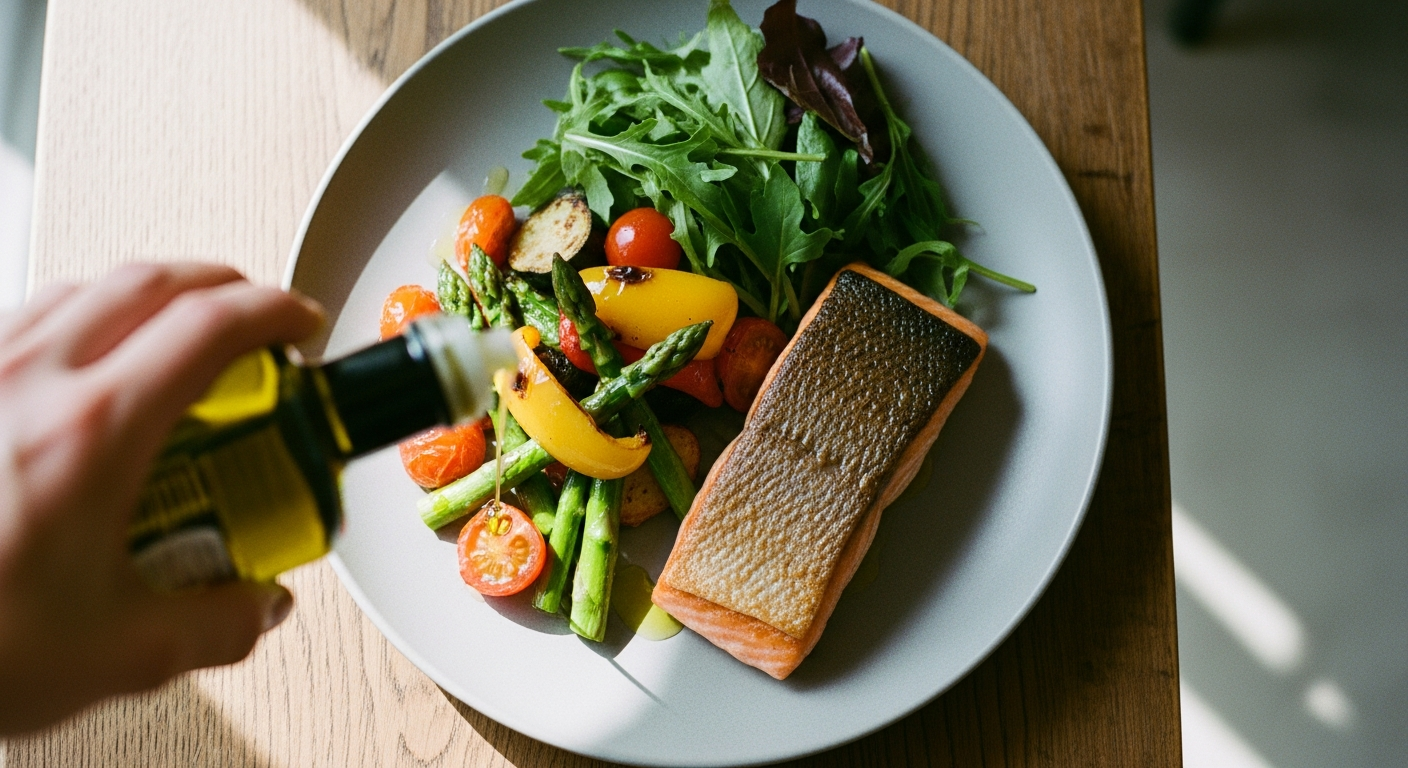
- Anchor meals around protein and plants. Think eggs with greens, salmon with roasted veggies, lentil bowls with olive oil and herbs.
- Aim for fiber from whole foods—berries, beans, chia, ground flax. Fiber binds waste in the gut and helps it leave the building.
- Choose fats that calm, not inflame: extra-virgin olive oil, avocado, walnuts, and cold-water fish.
Core Nutrients That Support Detox Pathways
- Omega-3s: Help keep cell membranes flexible and support a healthy inflammatory response.
- Antioxidants: Vitamin C foods (citrus, peppers), vitamin E (almonds, sunflower seeds), and selenium (Brazil nuts) help neutralize oxidative stress.
- Sulfur-rich plants: Broccoli, cauliflower, garlic, onions—these support the liver’s natural phases of detox.
- Magnesium: Think leafy greens, cacao, pumpkin seeds. Helpful for relaxation and regularity.
Gentle Extras, If You Like
- Herbal liver allies like milk thistle or dandelion root (tea or capsules).
- Probiotic-rich foods like kefir, sauerkraut, kimchi to keep the gut barrier strong.
- Sweat from a brisk walk, cycling, or a short sauna session if accessible.
An Early Hint That Helped Me
When I first tried to “detox,” I went too hard. Too few calories. Too many rules. My body pushed back with headaches and a short fuse.
What worked was adding support instead of taking everything away. I started a simple, gut-focused cleanse support called BellyFlush. It’s a gentle digestive detox approach that pairs well with whole foods and walking. I take it in the late afternoon or early evening with water, and it slotted into my rhythm without drama. No fireworks—just steadier digestion and a little more mental air by the end of week one.
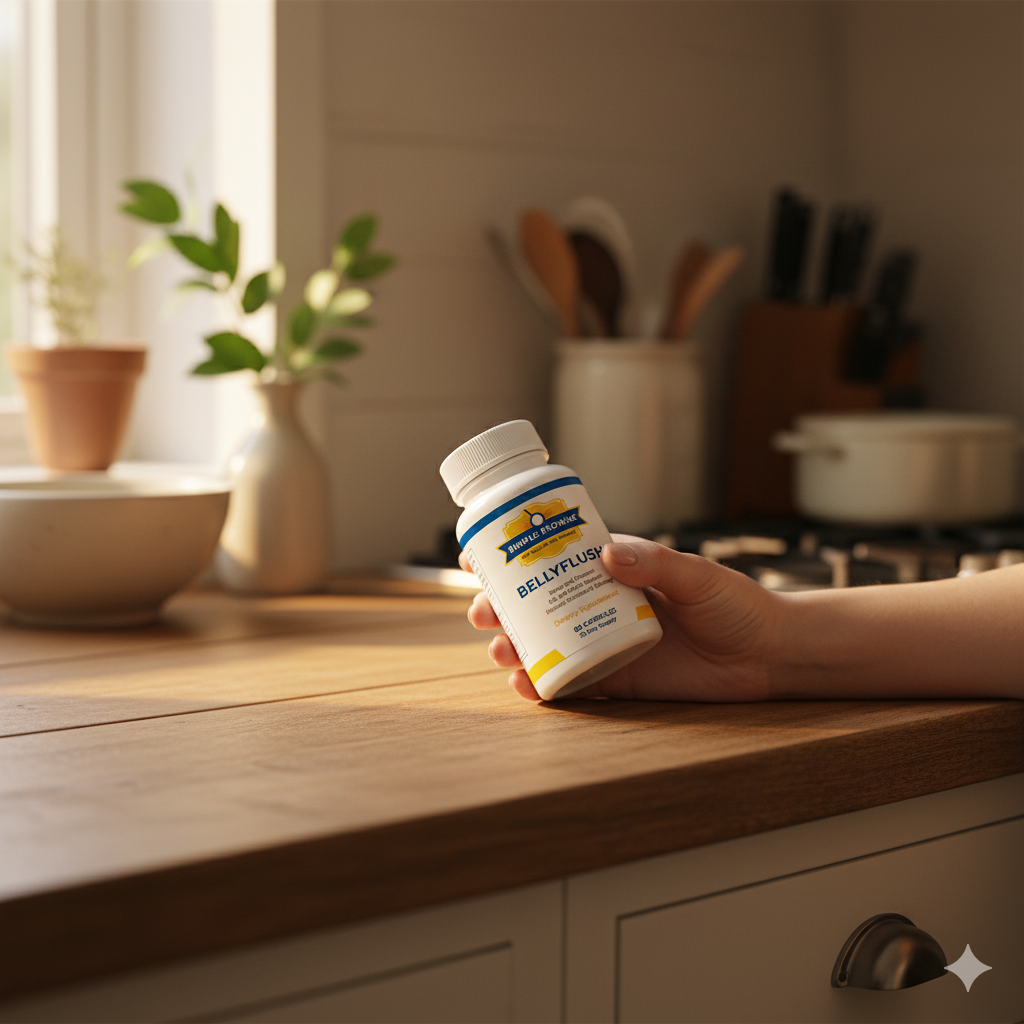
BellyFlush Starts the Shift
Ready for lighter evenings and easier mornings? Start with this bottle
BellyFlush is a gentle digestive cleanse designed for daily use. Take it with water before your evening wind-down. It plays well with real food and a short walk—so you feel less heavy at night and more regular tomorrow. Simple step in, steady relief out.
-
Less end-of-day heaviness
-
Morning regularity you can count on
-
Calm, keepable daily rhythm
Signs Your Cellular Detox Is Working

You’ll feel it in micro-moments first:
- your morning face looks less puffy
- your stomach feels flatter without effort
- your thoughts line up with less coaxing
- you fall asleep faster, then wake a touch lighter
Keep a simple journal—three lines a day. Track energy (low/medium/high), mood (stormy/gray/clear), and digestion (off/ok/steady). Patterns reveal themselves when willpower can’t.
By Week Two, Something Shifts
For me, it was a quiet morning in the kitchen. The kettle clicked off, and I noticed two things: I wasn’t reaching for a second coffee right away, and the sunlight had that clean look again. It wasn’t a miracle. It was the compound effect of water, color on my plate, movement, breath—and yes, consistent support.
That’s the real story of cellular detox. Not a sprint. A click into place.
How I Fit Support Into My Day (Without Making It a Project)
I protect my effort with simple anchors:
- Morning: Water, light, and a walk; omega-3 rich breakfast (like eggs with smoked salmon and herbs)
- Midday: Big salad with olive oil, seeds, and a protein; a piece of fruit or kefir later
- Late Afternoon/Evening: BellyFlush with water; fiber at dinner (lentils or roasted veg with ground flax)
- Night: Warm shower, two minutes of slow breathing, lights down
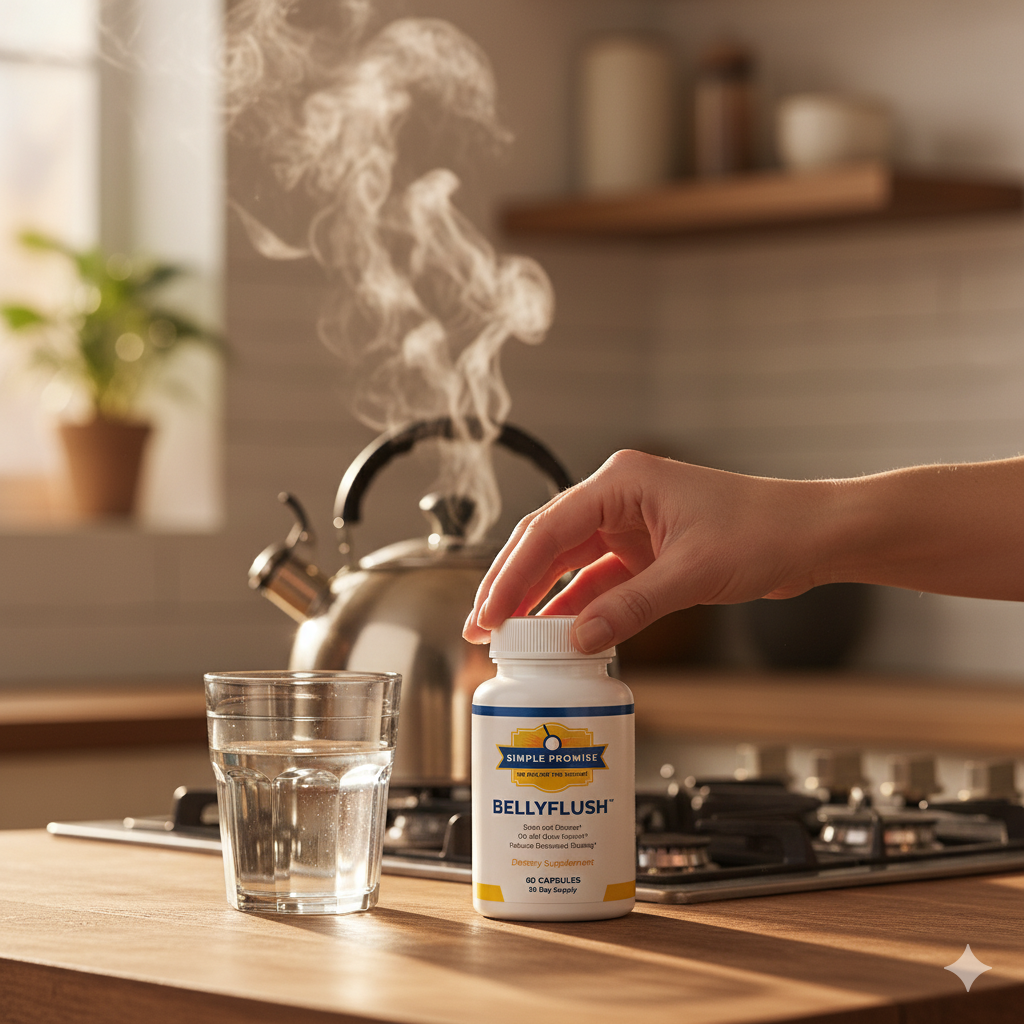
Make Evenings Work For You
BellyFlush fits right next to your water and wind-down
Add BellyFlush after dinner, before lights down. This gentle digestive cleanse supports regularity and helps your evenings feel lighter—without strict rules. Pair with fiber at dinner and a short walk. Keep it nightly, and let consistency do the heavy lifting.
-
Lighter nights, smoother mornings
-
Easy, keepable routine
-
Support without the struggle
What I notice with this rhythm—and the added cleanse support—is practical, lived change:
- less bloat after dinner
- more regular mornings
- a steadier, warmer mood
- the kind of energy that makes you want to move, not need to push
It’s not flashy. It’s dependable. That’s the win.
Cellular Detox, Not Extremes
You don’t need to fast yourself into a corner or drink your meals. In fact, pushing too hard can backfire. Your body likes predictability. It likes to feel safe.
So, build a small, repeatable loop:
- eat real food most of the time
- drink enough water to keep your thoughts fluid
- move daily, even if it’s just a brisk loop around the block
- sleep like it matters (because it does—overnight is prime cellular cleanup time)
- add the supports that fit your life, including a gentle digestive detox if it helps you stay consistent
Quick Answers to Common Questions
How long does cellular detox take?
You can feel small shifts within 1–2 weeks. Deeper steadiness builds across 6–12 weeks of consistent rhythm.
Do I have to give up coffee or live on juices?
No. Keep meals balanced, add color and fiber, and hydrate. Coffee can fit—just pair it with water and real breakfast.
Can you overdo detox?
Yes. If you stack too many extremes at once, your body will tell you—fatigue, headaches, irritability. The fix is not “more.” It’s “steady.”
A Note on “Toxic Load” Without the Fear
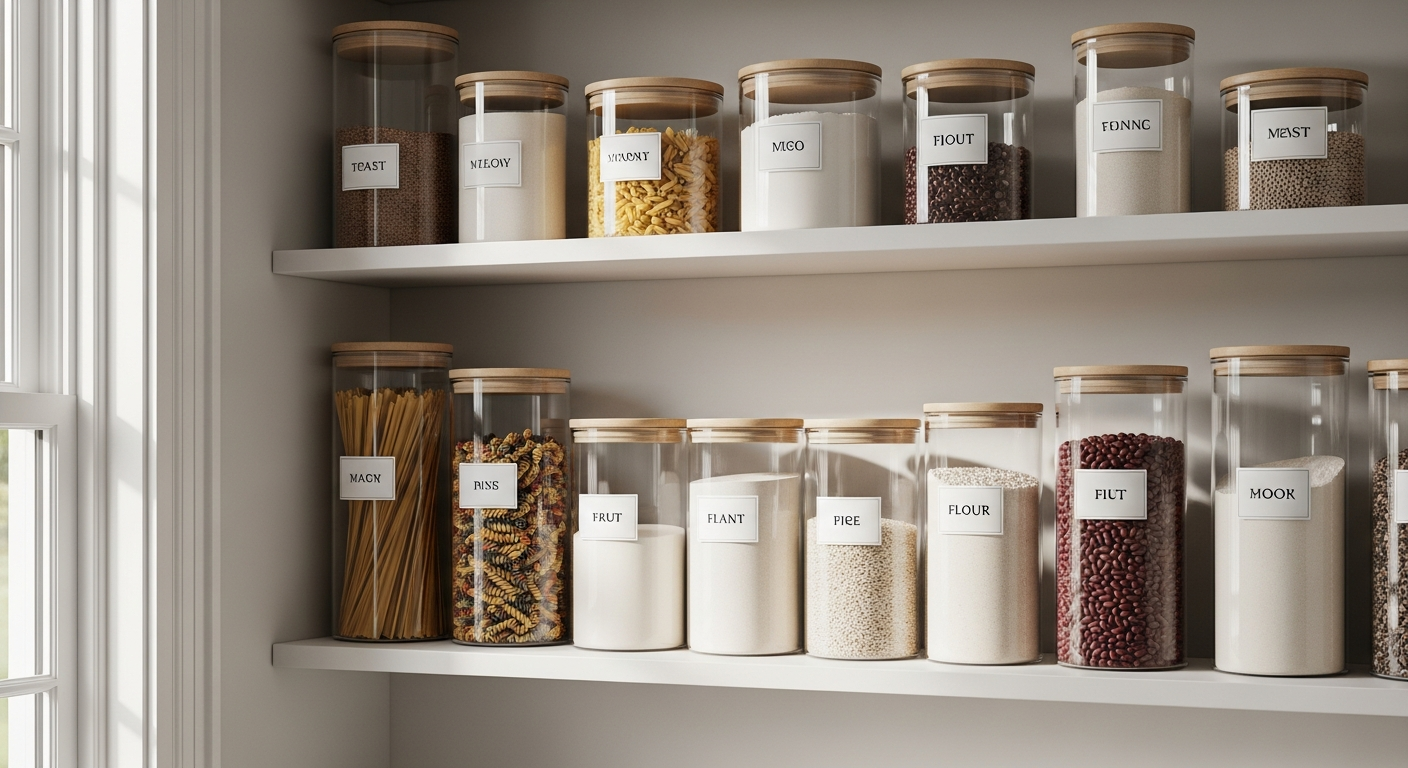
We’re not trying to scare ourselves into change. Fear is a poor long-term coach. Instead, we practice tiny, doable upgrades that reduce the load a little, every day:
- swap plastic containers for glass
- open a window while you cook or clean
- choose fragrance-free where you can
- buy the “dirty dozen” organic when it fits your budget
- keep your calendar breathable—stress is a toxin, too
You’ll feel the difference as absence: less noise in your body, more room for you.
Bringing It Home: Cellular Detox as a Daily Relationship
Cellular detox is not punishment. It’s care. It’s you, giving your cells what they need so they can give you back the day.
If you’re ready to feel that quiet lift, start with the simplest loop: water, fiber, color, movement, sleep. If you want an easy nudge, layer in a gentle digestive cleanse like BellyFlush. It played a supporting role in my own shift—helped me create momentum I could keep. No drama. Just relief.
Step outside tomorrow morning. Feel the light on your face. Sip your water. Take ten slow breaths. Your cells are listening.
—
Written by Elias Menden — for those who seek resilience.