
Seven hours of sleep. A salad for lunch. A thirty-minute walk after dinner. And still — you drag yourself out of bed like your bones borrowed weight overnight. Not pain. Not illness. Just a thickness behind everything. A slowness in the fingers. A blur at the edge of your thinking that no amount of water or willpower seems to rinse away.
You’ve said it to yourself a hundred times: I’m doing everything right. Why don’t I feel right?
Here’s the part no one told you. The answer isn’t in your habits. It isn’t in your motivation. It’s underneath all of that — in a process happening inside your cells that may have quietly stopped finishing its job. A process called autophagy. And when it stalls, your body doesn’t break. It just… never fully resets.
The Cleanup System You Were Never Taught About

Autophagy comes from a Greek word that means “self-eating.” It sounds harsh. But what it actually describes is one of the most elegant things your body does. Every day, through totally normal activity — breathing, digesting, thinking, repairing — your cells produce waste. Broken-down proteins. Damaged mitochondria. Fragments of structures that served a purpose once but now just take up space. Autophagy is the system that sweeps all of that out. It doesn’t just discard the junk — it breaks it down and recycles it into fresh materials the body can rebuild with.
When autophagy runs well, your cells stay lean and responsive. Energy moves without friction. Inflammation stays quiet. Thinking sharpens. Skin holds a kind of clarity that has nothing to do with products.
But when it slows — and it does slow, with age, with disrupted sleep, with chronic low-grade stress, with a body that never gets enough stillness — the waste accumulates. Not dangerously. Not urgently. Just enough that everything feels like it’s running through gauze.
That background heaviness you’ve been blaming on the weather, or the season, or your age? It might be your cells, sitting in their own unfinished business.
⸻
Why Effort Alone Can’t Fix What’s Happening Inside

This is the part that stings. Because you’ve been trying. You really have. You’ve changed your diet. You’ve moved more. You’ve cut back on the late-night scrolling. And some of it helped — but only partway. Like painting the outside of a house while the pipes are clogged.
Autophagy and cellular health don’t respond to willpower. They respond to signals. Fasting sends one of the strongest — when you stop eating for a stretch, your body shifts out of building mode and into cleanup mode. Deep sleep is another powerful trigger, especially the slow-wave kind, when the brain runs its own waste-clearing cycle. Movement helps too — the kind that gently stresses your cells just enough to activate repair.
But even with all three of those running, autophagy can still underperform. Because the machinery that powers the whole process — your mitochondria — might be struggling quietly on their own.
The Part of the Cell That Powers the Cleanup

Mitochondria produce your cellular energy. That much you might remember. But here’s what the textbooks left out: mitochondria don’t just fuel your muscles and your brain. They fuel the cleanup process itself.
When your mitochondria are healthy and producing energy efficiently, your cells have what they need to run full autophagy cycles. When mitochondria weaken — from age, from oxidative stress, from years of inflammation grinding away in the background — the whole system downshifts. Including the very mechanism that was supposed to clear the damage out.
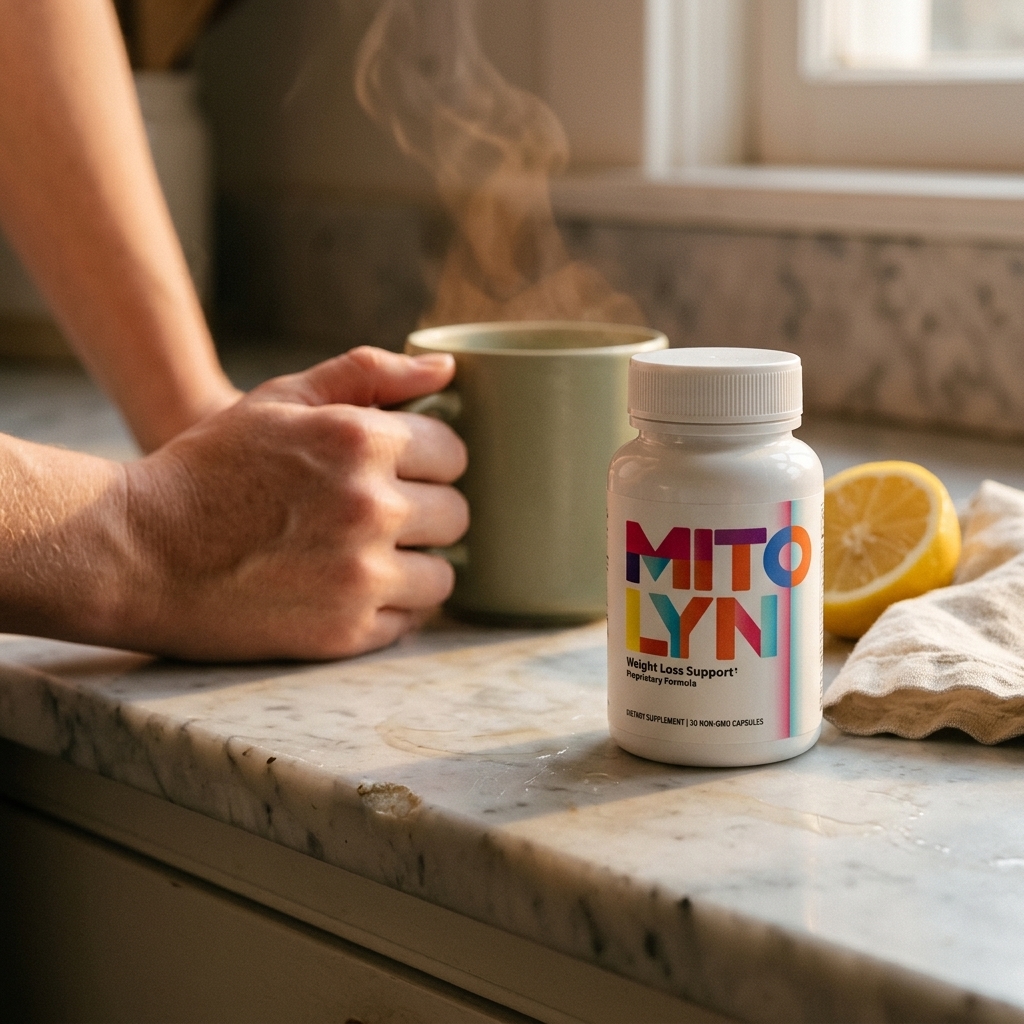
Energy That Finishes the Job
Your cells already know how to reset — they just need the fuel to follow through
Mitolyn was designed to support the mitochondria that power your body’s natural cleanup cycle. When cellular energy runs stronger, everything downstream — clarity, recovery, that morning feeling of actually being rested — has room to land. Not a stimulant. Not a shortcut. Just steady support for the part of the cell where renewal begins.
-
Wake up feeling like your body actually completed something overnight
-
Support the cellular engine behind natural energy and recovery
-
A quiet daily input that works beneath the surface
It becomes a loop. Sluggish mitochondria create more cellular debris. But the system that clears debris needs strong mitochondria to run.
When both sides of that equation soften, the body ages faster from the inside — even if nothing looks obviously wrong from the outside. This is the missing piece for so many people. Not discipline. Not information. Cellular energy that’s quietly running low.
⸻
What Actually Supports Autophagy From the Inside

There’s no single answer. But a few things consistently help.
Movement — especially the kind that challenges your cells without crushing them. A swim. A weighted walk. Strength work that warms you up without wrecking you. That mild stress tells the body: time to clean up and rebuild.
Sleep — real, unbroken, slow-wave sleep — is probably the most underrated reset your body has access to. If you’re waking three times a night or never quite dropping below the surface, your autophagy window barely opens before it closes again.
Eating rhythm matters more than most people think. Twelve to sixteen hours without food isn’t deprivation. It’s silence. It’s giving your cells the space to shift from digesting to maintaining.
And then there’s the layer I didn’t expect to matter as much as it did: mitochondrial support. Not stimulants. Not caffeine dressed up in a new label. Actual nutritional support for the part of the cell that generates energy — and by extension, powers every cleanup cycle your body runs.
I’d read about this connection for months before I tried anything. Most of what I found was either buried in jargon or wrapped in hype. Then I came across Mitolyn — a formula built specifically around mitochondrial function. No loud claims. Just a blend designed to support the part of the cell where energy begins and renewal depends.
I didn’t notice anything at first. But around week three, something settled. The morning fog — that soft blur I’d gotten so used to it felt normal — wasn’t there. I got to the top of the stairs without pausing. By mid-afternoon, I still had something left. Not a buzz. Not a surge. Just a quiet, steady presence. Like my body had actually completed something overnight instead of leaving it half-done.
That feeling — the body finishing its own cycle — is what autophagy is supposed to deliver when it’s running the way it should.
A Rhythm, Not a Hack

The wellness world loves to turn biological processes into intense protocols. Fast for seventy-two hours. Shock your system with ice. Megadose a compound and track the results on a spreadsheet. But autophagy isn’t something you force. It’s something you allow.
Your body already knows how to do this. The question is whether you’re giving it the space, the rest, and the raw support to actually finish.
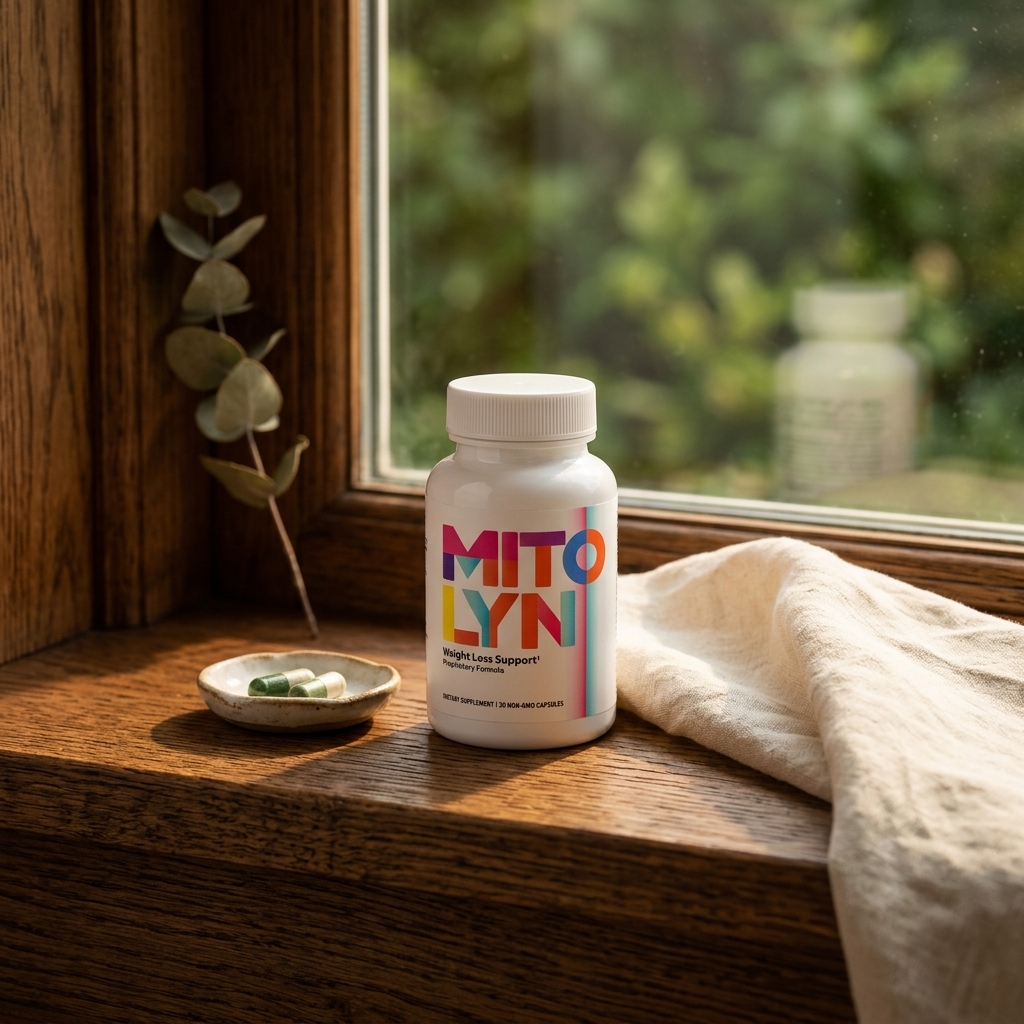
Not a Surge. A Rhythm
The kind of support you stop noticing because your body just starts working again
Mitolyn isn’t built to make you feel something dramatic. It’s built to support the mitochondria that power your body’s own renewal process — so the cleanup runs, the energy holds, and you stop wondering why your effort never seems to land. One daily rhythm. No protocol required.
-
Afternoons that still have something left in them
-
Mornings that feel cleared out instead of carried over
-
Support your body’s renewal cycle at the cellular level
Mitolyn became part of that rhythm for me. Not the centerpiece — just one steady input into a system I wanted to run more honestly. Something I didn’t have to think about once I took it, because the results weren’t flashy. They were textural. Mornings that felt cleared out instead of carried over. Skin that looked a little more awake. A steadiness through the afternoon that I’d almost forgotten my body could produce.
It was like finding out the machine wasn’t broken — it had just been underpowered.
⸻
When the Reset Actually Lands

If you’ve been doing the work and still feel like your body is lagging one step behind you — like it keeps almost recovering but never quite arriving — the problem might not be effort. It might be what’s happening at the cellular level, in the space where mitochondria make energy and autophagy clears the way for what’s next.
Autophagy and cellular health aren’t trends. They’re the way your body has always tried to care for itself. Sometimes it just needs a little more support to finish what it started.
And when it does — when the cleanup runs clean and the energy holds — you don’t get a jolt. You get a morning where you open your eyes and think: oh. So this is what rested actually means.
Written by Elias Menden — for those who want their effort to finally reach the cell.