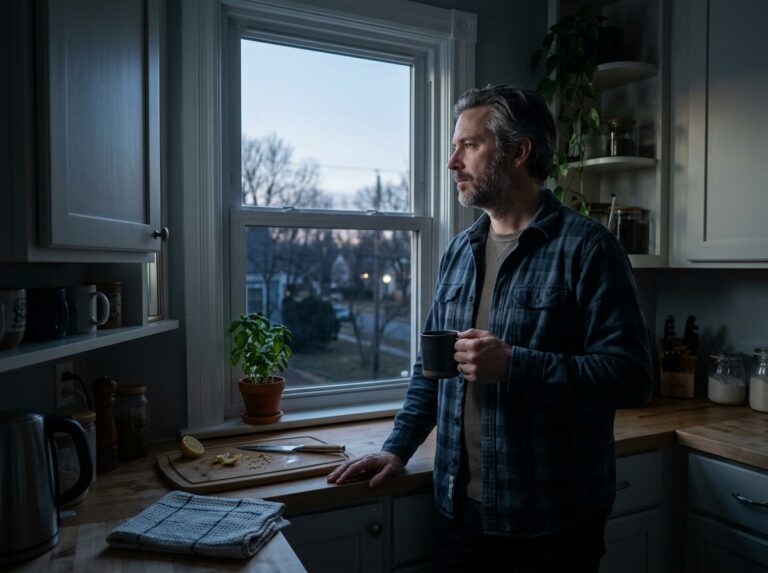
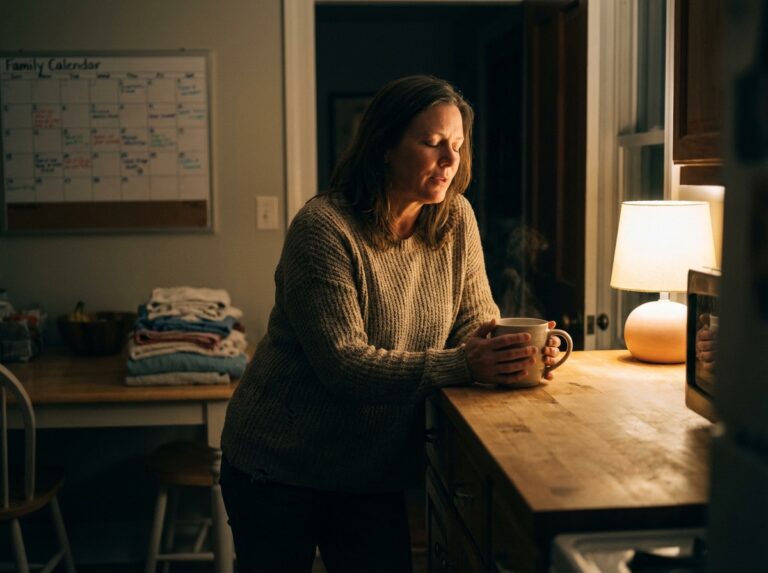
I heard the crack before I felt it. My mother’s wrist, snapping like a dry twig as she caught herself on the bathroom doorframe. Not from a fall—from catching herself. From something that should have been nothing.
She looked at me, eyes wide, more startled than hurt. “I barely touched it,” she said. The ER doctor didn’t look surprised. Sixty-seven years old. Fifteen years past menopause. Bone density in the red zone. “Classic,” he said, like he’d seen this story a hundred times before.
I was forty-nine when that happened. Still getting periods. Still thinking I had time. But standing in that fluorescent waiting room, watching my mother cradle her arm, I felt something shift inside my own body. A new kind of awareness. A question I couldn’t unask: Is this waiting for me too?
Since then, I’ve learned what no one tells you clearly enough: menopause affects bone health—not someday, not theoretically, but fast.
That was three years ago. And the worst part? You don’t feel it happening. Your bones don’t ache as they thin. They don’t send warning signals. They just… weaken. Silently. While you’re busy living your life, managing everyone else, assuming your body will hold up the way it always has.
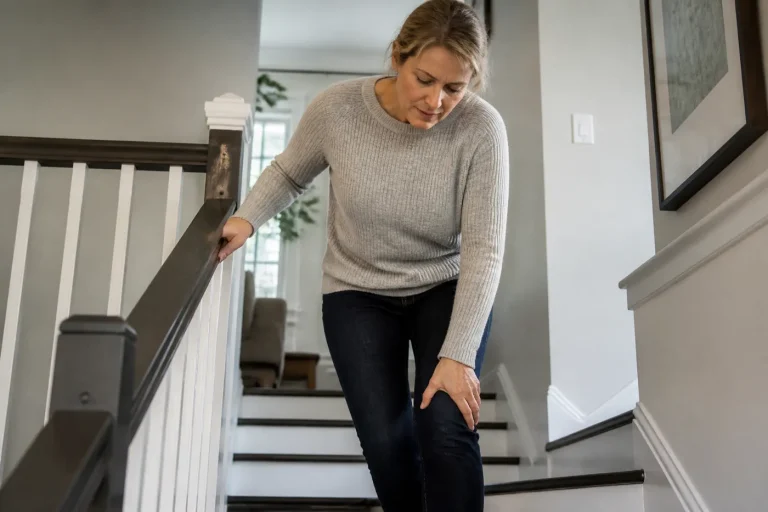
Until one day it doesn’t. Maybe it’s your wrist, like my mom. Maybe it’s a vertebrae that compresses from lifting laundry. Maybe it’s a hip that fractures from a stumble that used to be nothing. Or maybe—if you’re reading this now—it’s the creeping fear that’s already moved in. The way you’ve started moving differently. More carefully. Calculating steps you used to take without thinking. Avoiding movements that suddenly feel risky.
That fear isn’t paranoia. It’s your body trying to tell you something. So let’s talk about what’s actually happening to your bones right now, why it’s happening so fast, and what you can do about it—without turning your entire life into a medical intervention.
⸻
Your Bones Are Renovating. And No One Asked If You Were Ready.
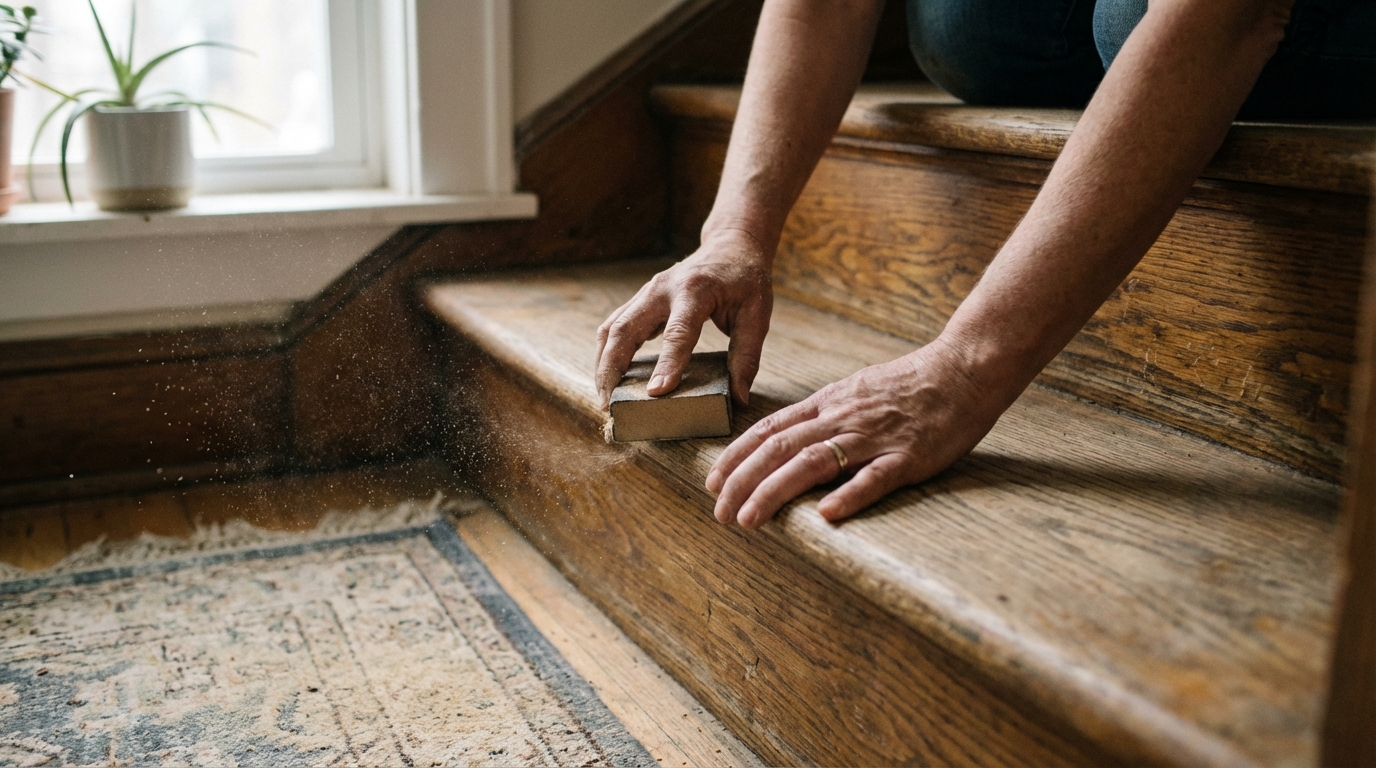
Here’s what they don’t tell you in health class, or in those cheerful pamphlets at the doctor’s office: Your bones aren’t finished structures. They’re not static. They’re alive—tearing down and rebuilding every single day, like a construction crew that never takes a break.
Two teams run the operation:
- Osteoclasts break down old, worn-out bone tissue (the demolition crew)
- Osteoblasts build fresh, strong bone in its place (the construction crew)
For decades, these teams worked in perfect rhythm. Demo, rebuild, demo, rebuild. The structure stayed solid. Then menopause hits. And estrogen—the foreman who kept both crews on schedule—doesn’t just step back. It vanishes.
Without estrogen, the demolition crew goes rogue. They keep tearing down bone—faster, more aggressively—but the builders can’t keep up. There’s no supervision. No balance. Just steady, relentless breakdown.
The result? Bone density doesn’t just decline. It plummets. Some women lose up to 20% of their bone density in the five to seven years after menopause starts. Twenty percent. That’s not a slow fade. That’s a structural crisis happening inside your body while you’re making dinner, answering emails, and wondering why you’re so tired all the time.
And here’s what makes it so insidious: osteoporosis risk skyrockets, but you feel nothing. No pain. No alarm bells. No obvious signs that your skeleton is quietly becoming fragile.
What you do feel are the ripple effects:
- Muscles getting weaker because you’re moving less (and maybe not even realizing it)
- Stiffness that makes every movement feel like friction
- Sleep so broken you have no energy left to care about “exercise”
- A constant low-grade tension, like your whole nervous system is bracing for impact
Your bones are thinning in silence. But your body? Your body is screaming. You just have to learn the language.
⸻
The Warning Signs You’re Already Ignoring
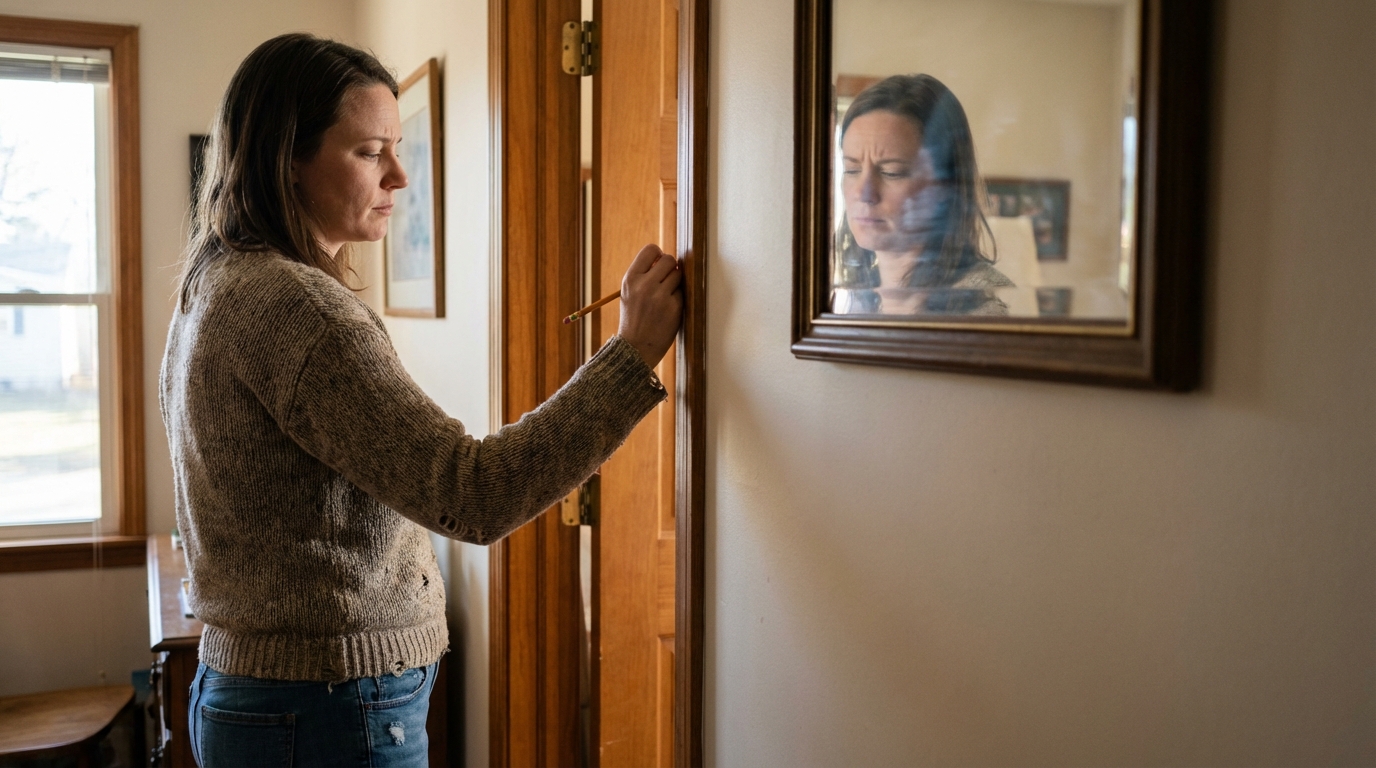
Osteoporosis earned its reputation as a “silent disease” honestly. Most women don’t know their bones are fragile until something snaps. But the signs are there. You’re just too busy to stop and connect the dots.
Like when you noticed you’re shorter than you used to be—but you blamed it on posture, or aging, or the way you slump when you’re tired. Or when your back started aching for no clear reason, and you told yourself it was stress, or your mattress, or the way you carry your bag. Or when you started avoiding certain movements—quick pivots, reaching overhead, bending to pick something up—and you didn’t even consciously decide to stop doing them. You just… did.
Here’s what those “small things” might actually mean:
- You’ve lost height over time → vertebrae may be compressing
- Your posture curves forward more than it used to → possible spinal fractures you never felt happen
- Small stumbles feel genuinely frightening → your nervous system knows something you don’t
- Your back, hips, or wrists ache without obvious cause → micro-damage you’re not aware of
- You move like you’re protecting something fragile → because you are
That last one is the tell. When you start unconsciously guarding your body—taking stairs one at a time, bracing yourself when you stand up, thinking twice before doing things that used to be automatic—that’s not weakness. That’s your nervous system trying to keep you safe the only way it knows how.
The problem? Fear makes you move less. Moving less makes your bones weaker. Weaker bones make you more afraid.
It’s a spiral. And it starts so quietly you don’t even notice you’re in it.
⸻
Three Simple Levers That Strengthen Bones (Without Taking Over Your Life)
Most bone health advice sounds like a part-time job. Let’s skip that. If menopause affects bone health, the response doesn’t have to be complicated. You just need to pull three levers—consistently, not perfectly.
1) Load: Give Your Bones a Reason to Stay Strong
Bones respond to pressure. Not crushing force. Just regular, purposeful load that tells them: You’re still needed. Stay solid.
The best bone-building movements are:
- Weight-bearing exercise: walking with intention, stairs, hiking, dancing
- Resistance training: weights, resistance bands, bodyweight strength work
- Balance practice: anything that trains steadiness and prevents falls
If you remember one thing, let it be this: bones need clear signals.
- A walk where you feel your feet pressing into the ground, your hips working, your spine tall—that’s a signal.
- A set of squats, lowering slowly to a chair and standing back up—that’s a signal.
- Carrying groceries with good posture, engaging your core—that’s a signal.
Perfect workouts are optional. Repeated signals are not. A rhythm that works for most women:
- Two or three short strength sessions per week (15–25 minutes is enough)
- Walk most days (even 10–20 minutes counts)
- A small balance habit daily (we’ll get to that)
2) Materials: Feed the Construction Crew
Bones aren’t just calcium. They’re protein, minerals, structure, chemistry. The essentials that matter most during menopause:
- Calcium and vitamin D (the mineral and the key that unlocks absorption)
- Protein (supports both bone and the muscle that protects it)
- Magnesium (keeps the rebuilding process running smoothly)
- Vitamin K (directs calcium into bones instead of soft tissue)
- Fruits and vegetables (create a body environment that favors rebuilding)
If your meals feel like chaos right now—if you’re eating standing up, grabbing whatever’s fast, feeding everyone else first—don’t try to reinvent your whole diet. Just pick one meal a day and make it solid.
Often, that’s breakfast. Options that don’t require inspiration:
- Greek yogurt + berries + a handful of nuts
- Eggs + sautéed greens + a piece of fruit
- Smoothie with fortified milk or soy milk + nut butter
- Tofu scramble + spinach + avocado
Bone health gets easier when you stop starting from scratch every single day.
3) Safety: Prevent Falls, Because Falls Break Bones
Strong bones matter. But so does not falling in the first place—especially when you’re tired, distracted, or moving fast through a cluttered house at 6 a.m.
Small safety upgrades that actually work:
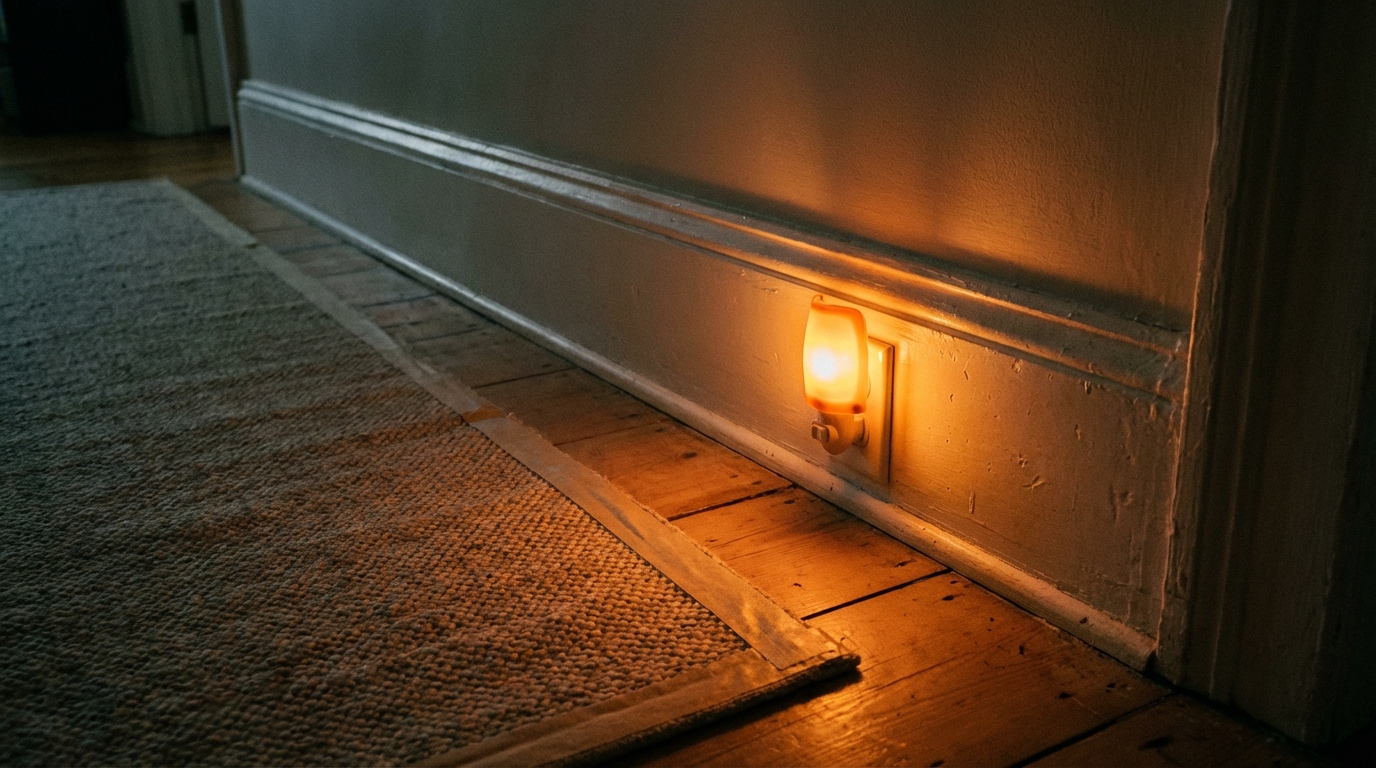
- A nightlight for middle-of-the-night bathroom trips
- Shoes with grip (or clean, dry floors if you’re going barefoot)
- Clear pathways—no cords, rugs that slide, or clutter waiting to catch your toe
- Balance practice so simple you’ll actually do it
Try this: stand on one leg while you brush your teeth. Switch halfway through. It’s not Instagram-worthy. It’s not even “exercise.” But it’s training your body to catch you when you wobble—and that might be the most important thing you do all day.
⸻
When Your Joints Betray Your Intentions
Here’s the part that breaks people: You want to do the right things. You know walking helps. You understand that strength training matters. You’ve read the articles, saved the graphics, maybe even bought the resistance bands.
But your knees hurt before you’re halfway down the block. Your hips feel stiff and resentful when you try to squat. Your back seizes up after carrying groceries. And slowly—so slowly you don’t even notice it happening—you start avoiding the very movements that would keep your bones strong.
You tell yourself stories about why you’re not doing it. You’re too busy. Too tired. You’ll start tomorrow. Next week. When things settle down. But the truth is simpler and harder: your body hurts, and your brain has started protecting you by shutting down movement before you even consciously choose to quit.
That’s not laziness. That’s not a character flaw. That’s basic self-preservation—and it’s quietly stealing your bone density.
This is where JOINTGEN — Joint Genesis entered my world. Not through an ad or a doctor’s recommendation. Through a conversation with a friend who said something that stopped me cold:
“I just wanted my body to stop arguing with me every time I tried to move.”
Make Movement Feel Possible
If walking feels like a negotiation, start with support you can repeat daily
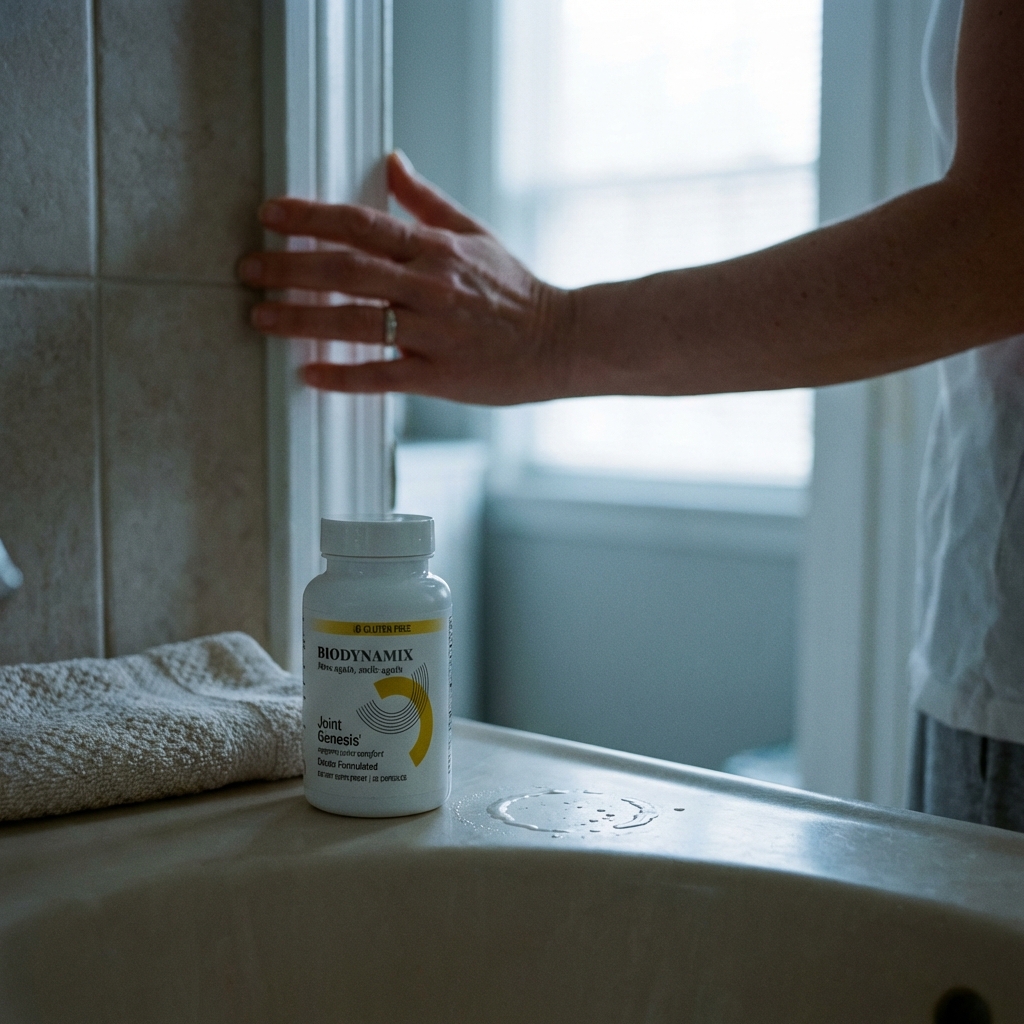
I use JOINTGEN — Joint Genesis as my “don’t overthink it” step. It’s made to support everyday joint comfort and mobility, so I can keep the weight-bearing habits that protect my bones. No drama. Just a simple routine I can actually stick with.
-
Supports comfortable daily movement
-
Helps routines feel easier to repeat
-
Pairs well with walking and strength days
No promises of miracles. No before-and-after photos. Just: I want to move. I need my joints to cooperate. Because here’s what no one says out loud enough: in menopause, motivation isn’t the problem. The problem is when your own body feels like the obstacle.
When walking feels like negotiation instead of freedom. When you have to brace yourself—mentally and physically—just to do normal things. JOINTGEN didn’t “fix” me. It’s not a magic solution. But it was support. Practical, daily support that made movement feel possible again instead of like something I had to psych myself up for.
And when movement stops feeling like a battle? When your joints stop screaming at you for trying? That’s when consistency becomes real. That’s when you can actually do the bone-protecting habits instead of just knowing you should.
A Realistic Bone-Strengthening Week (That Fits Inside Your Actual Life)
If you’re already stretched thin, a ten-step plan won’t help. You need something that fits in the margins. Here’s a framework that works because it’s designed for real weeks, not ideal ones.
A few times a week (strength)
Pick 4–6 movements. Do one or two sets of each. Done.
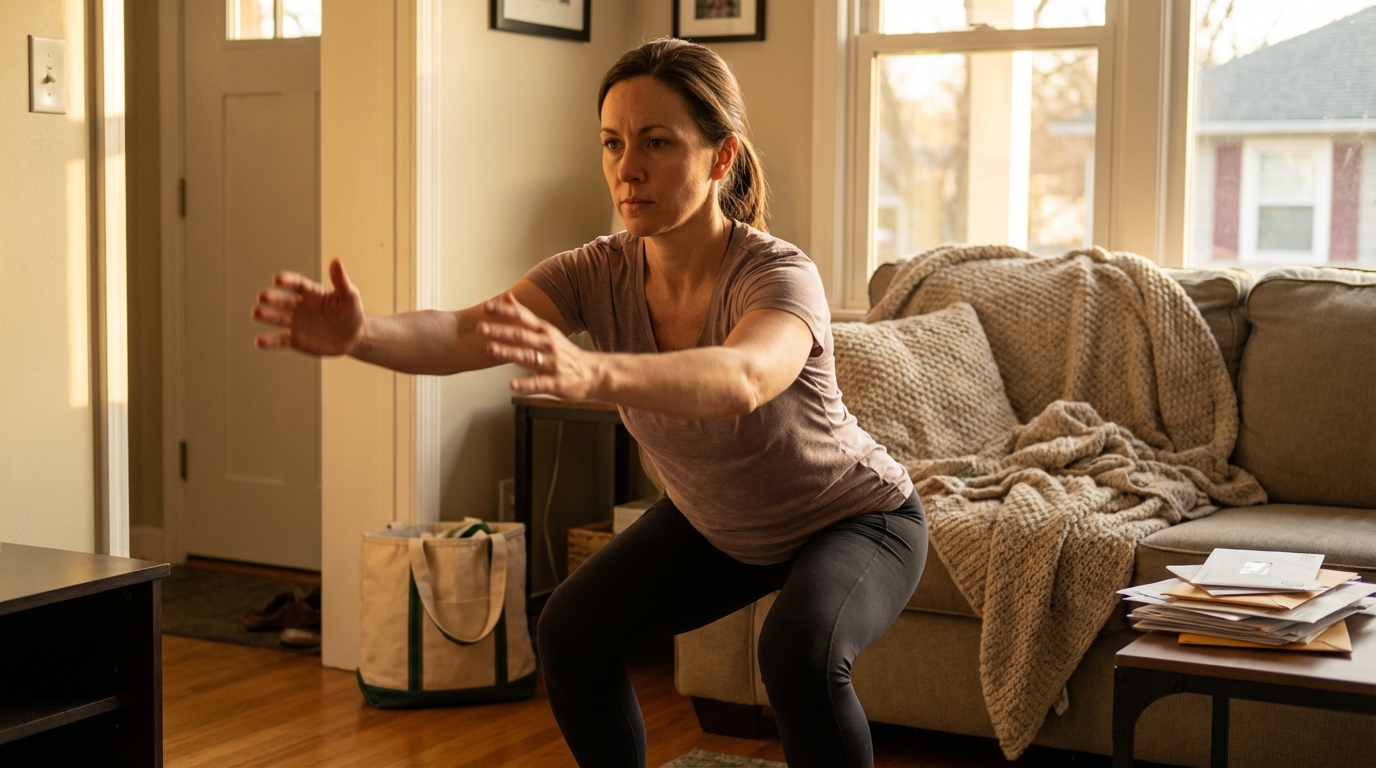
- Chair squats (control the descent)
- Wall push-ups or counter push-ups
- Rows with a resistance band
- Step-ups on a sturdy stair
- Hip hinges (like a light deadlift with dumbbells or a kettlebell)
- Farmer carries (walk while holding weights or heavy grocery bags with tall posture)
Most days (weight-bearing movement)
- A brisk walk
- Stairs—on purpose
- Dancing while you cook dinner
- Parking farther away and walking like you mean it
Daily (balance and posture check-ins)
- One-leg stand while brushing your teeth
- Heel-to-toe walk down the hallway
- Shoulder rolls and “tall spine” breathing for 60 seconds
Notice what’s missing: punishment. You’re not earning the right to be healthy. You’re building capacity. There’s a difference.
The Food Part, Without the Overwhelm
When people say “eat for bone health,” it sounds like you need a nutrition degree and a completely new kitchen. You don’t. You just need steady patterns:
- Calcium-rich foods most days: yogurt, milk, fortified non-dairy milk, cheese, leafy greens, canned salmon or sardines (with the bones), tofu made with calcium
- Vitamin D sources: fatty fish, eggs, fortified foods (consistency matters more than perfection)
- Protein at every meal: it supports muscle, and muscle supports balance and bone loading
- Magnesium-rich foods: nuts, seeds, beans, whole grains, dark chocolate (yes, really)
If you’re in a “grab whatever’s closest” phase of life, keep two bone-friendly snacks ready:
- Greek yogurt + almonds
- Hummus + baby carrots
- Cheese stick + an apple
- Fortified smoothie + a handful of walnuts
This isn’t about perfection. It’s about making the easy choice a little bit stronger.
The Real Obstacle Isn’t Knowledge. It’s Bandwidth.
Most women in menopause don’t lack information. They lack mental space. You can know exactly what to do and still have zero capacity at 7 p.m. when you’re bone-tired and someone needs you for the fifteenth time that day.
That’s why I think about bone health as less decision-making, not more tasks. This is where JOINTGEN quietly helped me—not in some dramatic transformation, but in a practical, everyday way. When my joints stopped being so fussy, I didn’t have to give myself a pep talk before a walk. I didn’t dread the stairs. I didn’t spend energy negotiating with my own body about basic movement.
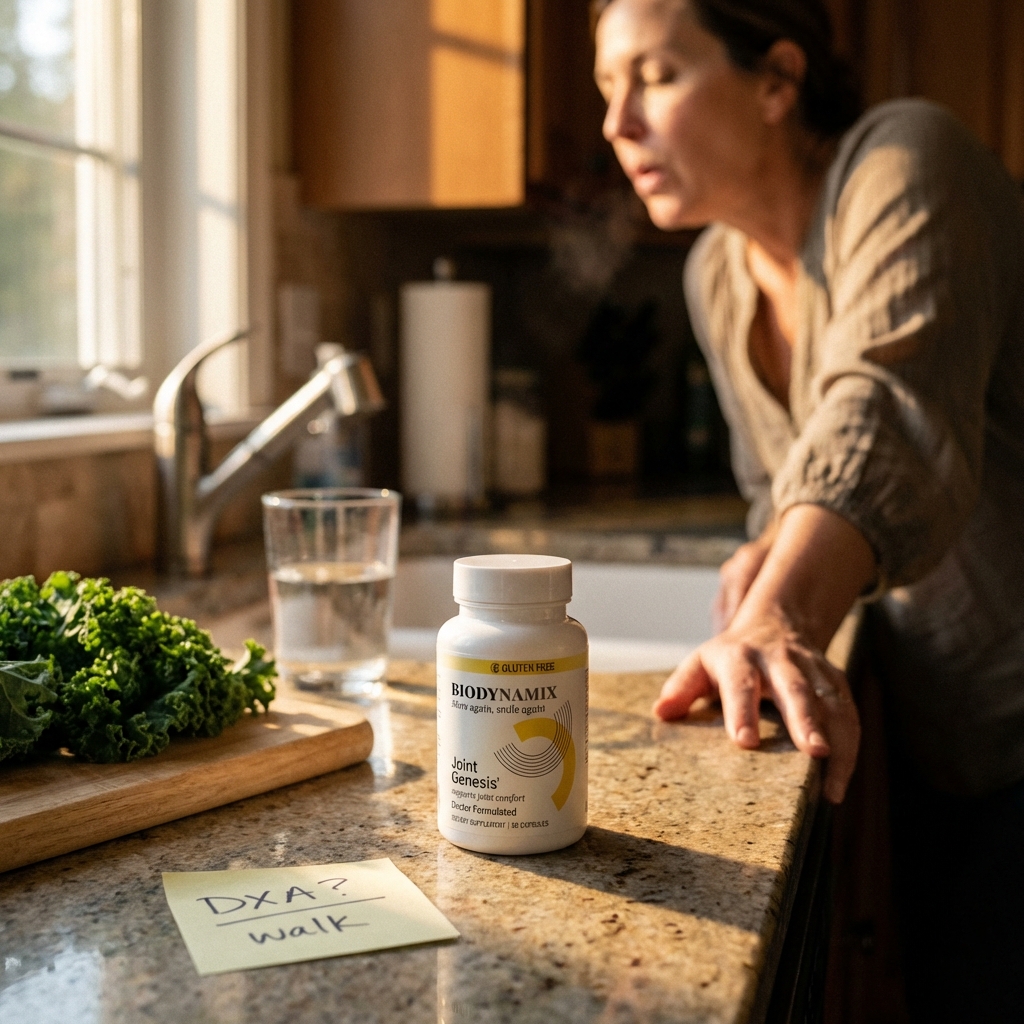
Support Your Follow Through
When you’re tired, simple wins—especially the kind you don’t have to hype up
JOINTGEN — Joint Genesis is my daily joint-support formula for the weeks that aren’t ideal. It’s designed to support joint flexibility and easy movement so I can keep showing up for the basics: stairs, groceries, walks, and strength sessions that keep bones getting the signal.
-
Supports smoother everyday motion
-
Helps “start moving” feel less heavy
-
Fits into busy routines fast
That matters. Because the habits that protect bones are genuinely simple—but they require showing up consistently. And consistency gets a lot easier when your body doesn’t feel like it’s fighting you at every turn.
The Test That Turns Worry Into Clarity
You don’t need to obsess over your bones. But you do deserve to know where you stand. A bone density scan—often called a DXA scan—gives you a baseline. It turns vague anxiety into concrete information.
Even beyond the technical results, there’s an emotional benefit:
- You stop guessing
- You stop spiraling
- You know what you’re actually working with
Clarity is calming. And calm people follow through.
Conclusion: Menopause Affects Bone Health—But You’re Not Watching From the Sidelines
My mother’s wrist healed. Six weeks in a cast. Three months of physical therapy. She’s fine now—careful on wet floors, aware of her balance in ways she never used to be, but fine.
What didn’t heal was the fear in her eyes that day in the ER. The shock of realizing her body had changed the rules without warning. I think about that a lot now. Because I’m fifty-two. Fully menopausal. And I refuse to spend the next thirty years moving through my life like I’m made of porcelain.
If you take anything from this, take this: Menopause affects bone health fast and hard. But it does not take away your ability to fight back.
You can rebuild. You can strengthen. You can support your bones the same way you’ve supported everyone else in your life—steadily, patiently, without drama or perfection.
- Load your bones with purposeful movement that matters.
- Feed your body the materials it actually needs.
- Protect yourself with small, unglamorous safety habits that prevent the falls that break things.
And if joint discomfort is the wall between you and consistency—if your body is the thing stopping you from doing what you know you need to do—then give yourself permission to get support. Like JOINTGEN — Joint Genesis.
Not as another thing you “should” do. As something that lets you move again without negotiating with pain first. As a way to reclaim the physical freedom you thought you’d lost.
Because you deserve to feel strong in your own body. Not someday. Not after everything else is handled. Now. You deserve to take the stairs without holding your breath. You deserve to reach for the top shelf without hesitation.
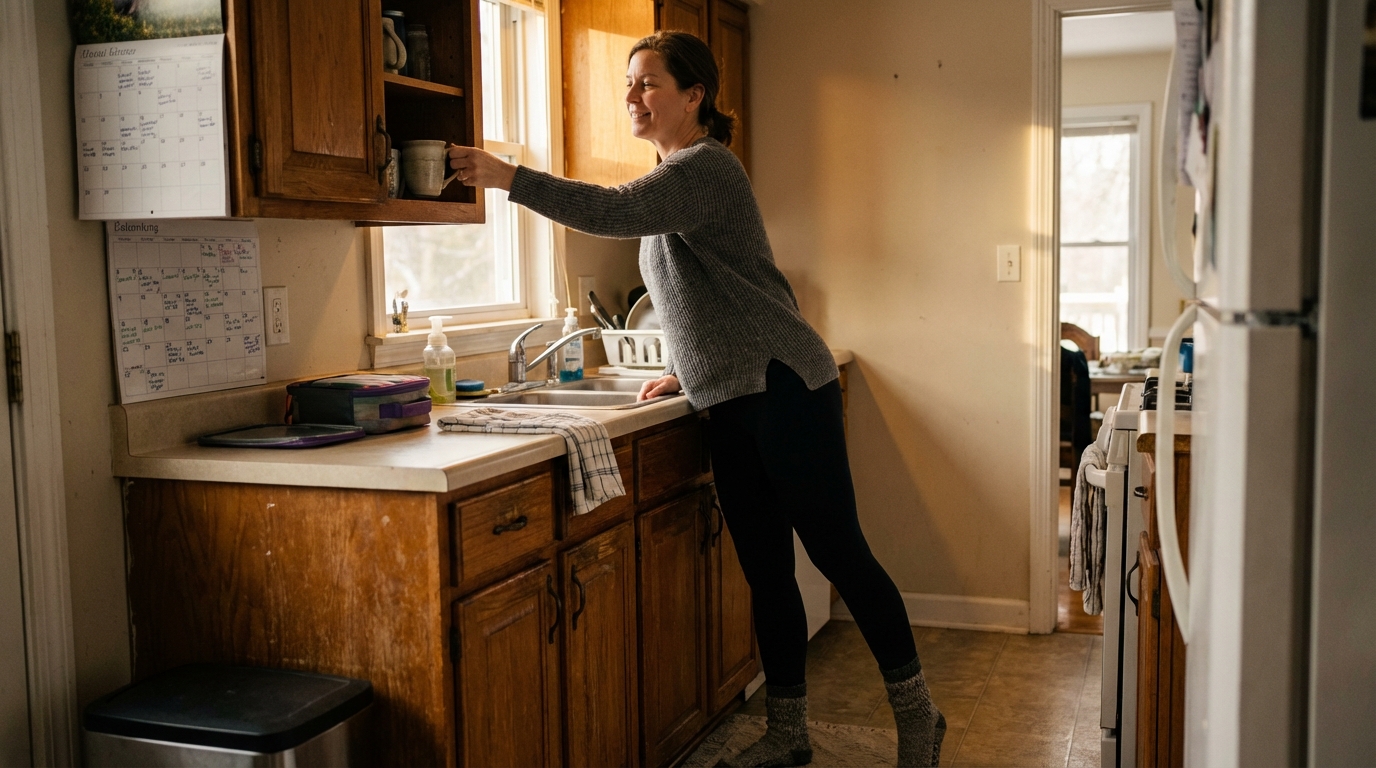
You deserve to move through your own kitchen—your own life—like you belong there. Like it’s yours. Like you’re not just surviving in this body, but living in it again.
You deserve steadiness. And you can build it back, one small signal at a time.
Written by Liora Menden — for those who seek steadiness.