I used to count the hours between meals not by hunger, but by dread.
Not the dramatic kind. The low, administrative kind — the kind where you’re mentally budgeting how much discomfort you’re willing to accept in exchange for eating lunch. Where ordering at a restaurant becomes a quiet risk calculation you run behind your smile.
You start organizing your life around a stomach that won’t cooperate, and after a while, you forget you’re even doing it.
I forgot for almost four years.
⸻
Everything I tried that missed the point

I want to be specific here, because if you’ve been where I’ve been, you deserve honesty more than encouragement.
I tried standalone probiotics first. Three different brands over eighteen months. The logic made sense — repopulate the gut with beneficial bacteria, restore balance, feel better. But my gut didn’t get the memo. The bloating stayed. The brain fog at 2 p.m. stayed. That strange, heavy fatigue that no amount of sleep seemed to touch — it stayed too. What I didn’t understand then was that dropping good bacteria into a hostile environment is like planting seeds on concrete. Without the right soil conditions, they can’t take root.
Then came digestive enzymes. These did something — meals felt slightly less like a negotiation. But it was surface-level relief. The enzymes were managing traffic, not fixing the road. My gut lining was still compromised. The microbial imbalance underneath was still running the show.
Fiber supplements were next, and honestly, they made things worse. The bloating intensified. I felt like I was carrying a second meal I hadn’t eaten. Turns out, not all fiber sources work the same way for every gut.
- Some expand aggressively.
- Others feed the very bacteria you’re trying to keep in check.
- Without knowing which strains dominate your microbiome, fiber is a gamble.
And fish oil? I took it faithfully for months. Good for inflammation in theory. But in terms of my day-to-day digestion, I noticed nothing. Zero shift.
Here’s the pattern I finally recognized: every single one of those supplements was addressing a fragment. One corner of a system that needed full-spectrum support. Trying to fix a microbiome with a single-ingredient approach is like trying to tune an orchestra by adjusting one instrument.
⸻
What’s actually going on beneath the bloating
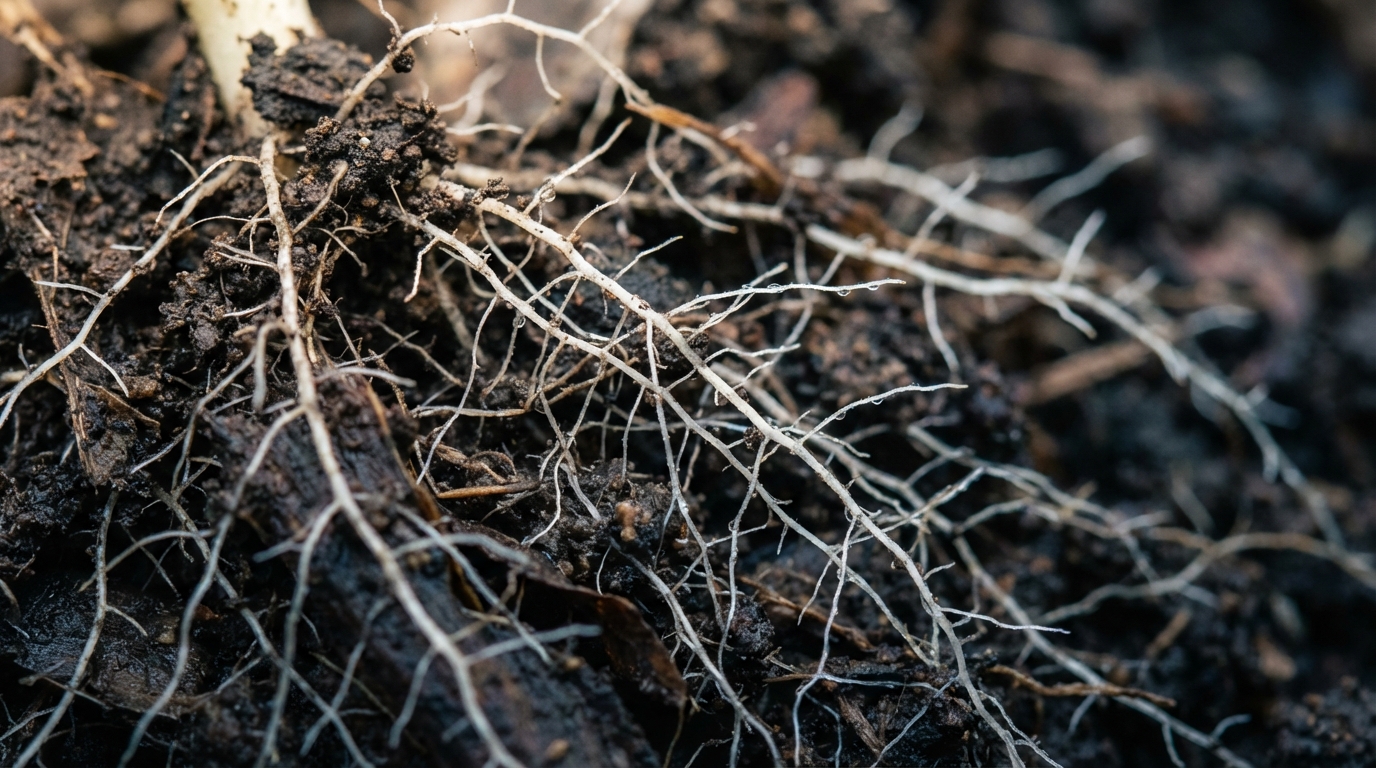
There’s a reason gut health has become one of the most studied areas in modern wellness, and it’s not because of digestion alone.
Your gut houses roughly 100 trillion microorganisms. Bacteria, fungi, and other microscopic residents that collectively influence your metabolism, your immune response, your mood, your sleep quality, and even how clearly you think. Researchers have identified what they call the gut-brain axis — a direct communication line between your digestive system and your central nervous system. When your gut microbiome shifts out of balance, the signal doesn’t stay local. It radiates.
That 2 p.m. fog? Often microbial. The skin that looks dull despite every serum you own? Frequently gut-related. The cravings that feel irrational — the ones that show up even when you’re not hungry? Those can trace back to which bacterial strains are dominant in your intestinal environment.
What shifted everything for me was understanding that the gut operates as an ecosystem, not a machine. Machines break and you replace a part. Ecosystems fall out of balance and you have to restore conditions across the whole environment simultaneously — the bacteria, the lining, the fiber, the inflammation, the metabolic signaling.
That understanding changed what I looked for in a supplement.
⸻
The approach that actually worked

Once I stopped chasing individual fixes, I started asking a different question: what would it take to support the entire gut ecosystem in one consistent daily practice?
The answer came from research I stumbled into late one night — studies linking specific probiotic strains not just to digestion, but to metabolic function, appetite regulation, and even fat storage patterns.
- Lactobacillus gasseri
- Lactobacillus rhamnosus
- Bifidobacterium longum
- Bifidobacterium breve
But the research also showed something critical: single-strain probiotics consistently underperformed compared to multi-strain formulas. The gut doesn’t run on one species. It runs on communities. And those communities need prebiotic fuel — fiber that specifically nourishes beneficial bacteria without feeding the problematic ones.
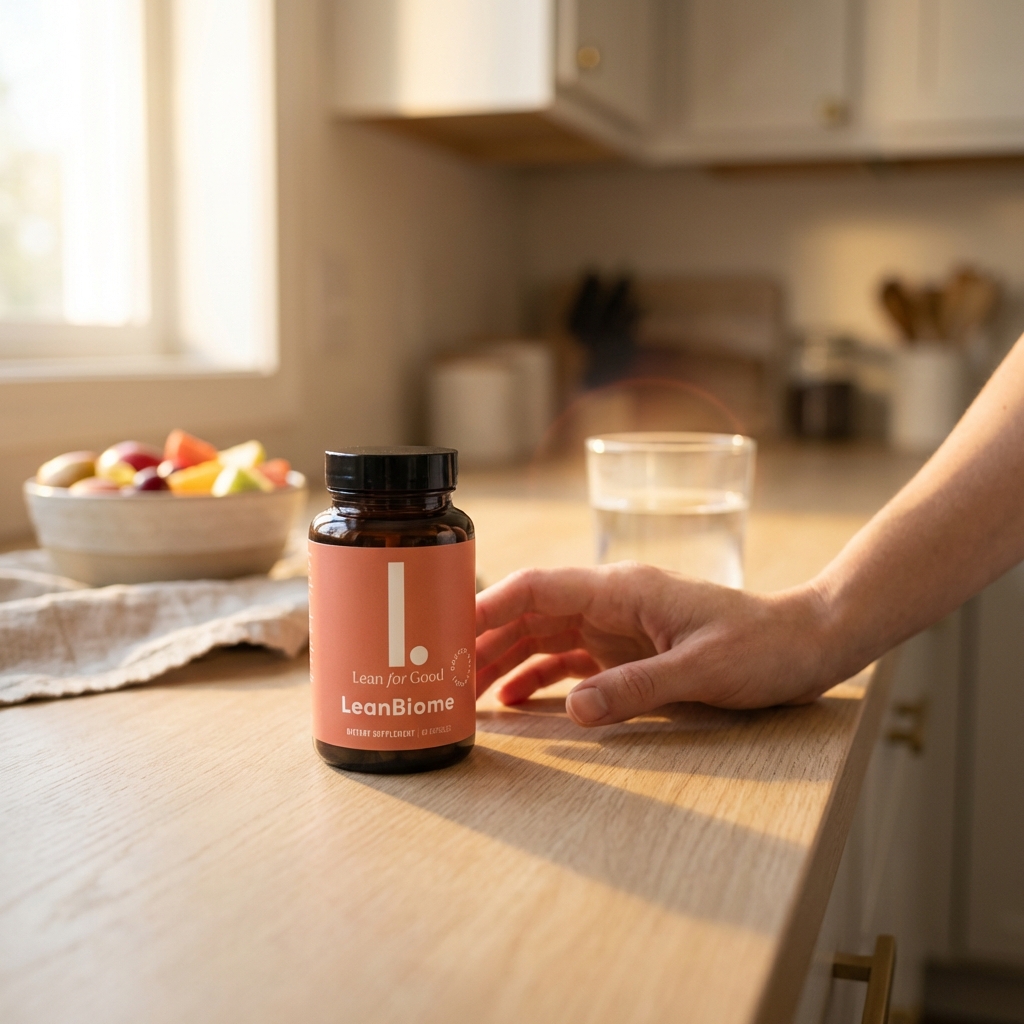
Your Gut Runs on Community
Nine targeted strains, one prebiotic fiber, zero guesswork — designed the way your microbiome actually works
Biome pairs clinically studied probiotic strains with inulin prebiotic fiber and caffeine-free Greenselect Phytosome for full-ecosystem gut support. Delayed-release capsules protect every strain through stomach acid so they arrive where they function. No GMOs. No gluten. No stimulants. Just the architecture your gut has been missing.
-
Supports digestion, clarity, and metabolic balance in one daily capsule
-
Feeds beneficial bacteria while starving the strains that drive cravings
-
Delayed-release delivery so nothing is wasted before it arrives
That’s when I found Biome. A nine-strain probiotic formula paired with inulin as prebiotic fiber and Greenselect Phytosome — a caffeine-free green tea extract that supports metabolic function without the jittery edge of stimulants. Every capsule uses delayed-release technology so the bacteria actually survive stomach acid and reach the intestines intact. No GMOs. No gluten. No dairy. No stimulants. Just the strains, the fiber, and the botanical support — working together the way a real ecosystem should.
I started it without expectations. Genuinely. After years of supplement disappointments, I’d trained myself not to hope too aggressively.
⸻
What the first thirty days felt like

The first thing I noticed wasn’t digestive. It was cognitive.
Around day ten, the afternoon fog started lifting. Not dramatically — more like a window slowly being cleaned. I could sustain a thought longer. I wasn’t reaching for caffeine at 3 p.m. out of desperation. My focus had a steadier floor beneath it.
By week three, the bloating started receding. Not gone entirely, but the constant low-grade pressure after meals — that hum I’d lived with so long I thought it was just how my body worked — began to quiet. I ate dinner one Thursday night and realized, halfway through a conversation, that I hadn’t thought about my stomach once. That might sound small. It wasn’t.
I later read that this can happen when the gut microbiome shifts toward strains that produce different metabolic signals — essentially, the bacteria that thrive on sugar lose their voting majority.
The cravings shifted too. I’d been someone who wanted sugar after every meal — not a little, but with urgency. By week four, the urgency dulled. The craving still surfaced occasionally, but it felt more like a suggestion than a command.
By day forty-five, I stopped carrying antacids entirely. My belt fit differently — not from dramatic weight loss, but from the absence of persistent inflammation and water retention around my midsection. My skin looked clearer. My sleep was less interrupted. And I had a strange, almost unfamiliar feeling in the mornings: I felt light.
Not light as in weight. Light as in unburdened. As in my body wasn’t fighting itself before the day even started.
⸻
Why most gut supplements fall short

I want to be fair to the supplements I tried before. Most of them weren’t bad products. They just weren’t complete ones.
A standalone probiotic without prebiotic fiber is a team without a food supply. Digestive enzymes without microbial support are managing symptoms, not causes. Fiber without the right bacterial context can feed the wrong residents. And most standard probiotics use capsules that dissolve in the stomach, meaning the bacteria never reach the intestines where they’re actually needed.
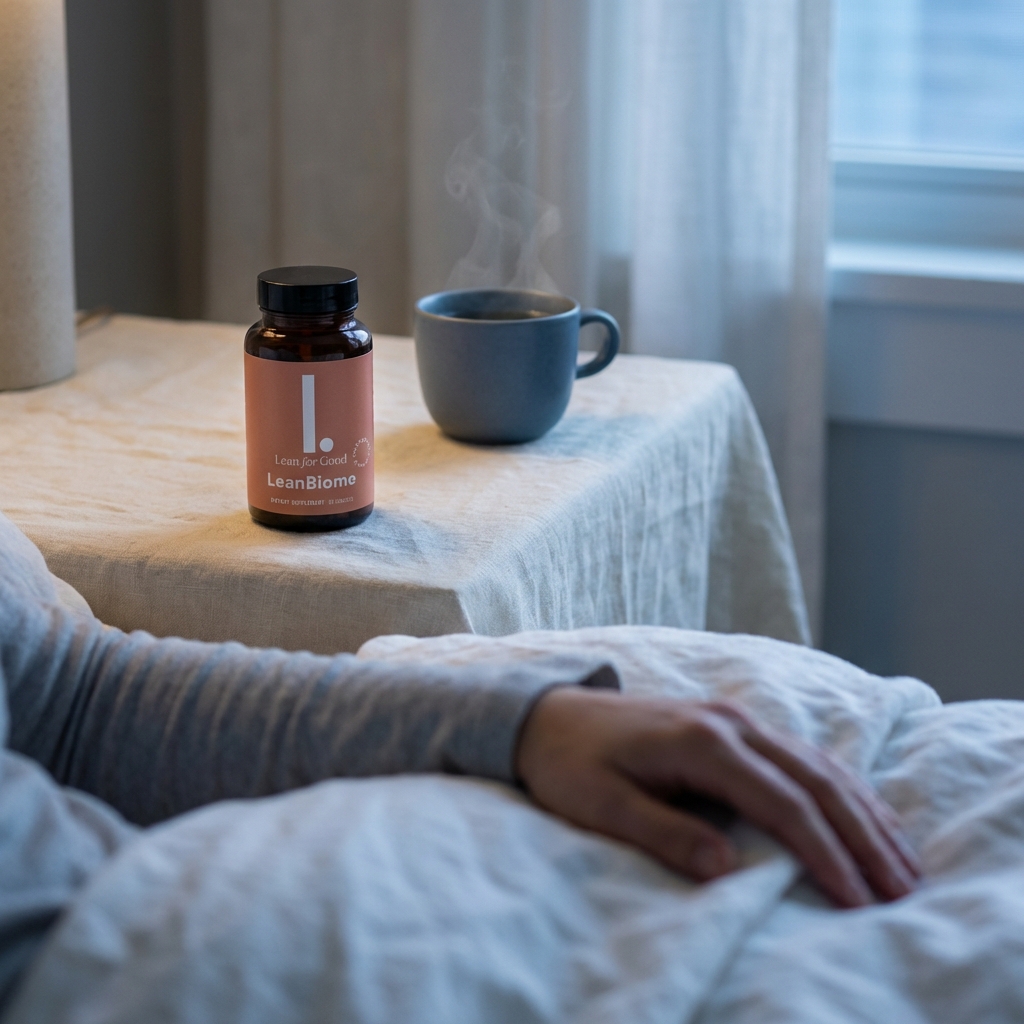
Built Like a Real Ecosystem
One capsule. Nine strains. Prebiotic fuel. Metabolic support. Everything working together
Most gut supplements fix one fragment and ignore the rest. Biome was designed differently — multi-strain probiotics paired with the prebiotic fiber that feeds them, plus Greenselect Phytosome for metabolic support without caffeine. Delayed-release delivery means the bacteria survive to where they matter. The way your gut was meant to function: in concert.
-
Full-spectrum support instead of single-ingredient guesswork
-
Strains like L. gasseri and B. longum studied for real outcomes
-
Clean formula — no dairy, no gluten, no stimulants, no fillers
What made Biome different for me wasn’t one ingredient — it was the architecture. Nine strains working as a community. Prebiotic inulin feeding specifically the strains you want to strengthen. Delayed-release delivery ensuring survival through stomach acid. And Greenselect Phytosome adding metabolic support without caffeine or stimulants.
It was the first time a gut supplement felt like it was designed the way the gut actually works — as a system, not a symptom.
⸻
What I’d say to anyone still searching

If you’re reading this deep into an article about gut health, I already know something about you. You’ve tried things. You’ve been patient. You’ve probably felt a little foolish for caring this much about something invisible. And you’re tired of partial answers.
I was there. For years, I was exactly there.
What I wish someone had told me earlier is this: the gut doesn’t need more isolated ingredients thrown at it. It needs an environment restored. It needs the right bacterial communities reintroduced, properly fed, and delivered where they actually function. It needs the kind of support that mirrors how the microbiome naturally operates — in concert, not in isolation.
Biome gave me that. Not overnight. Not with fireworks. But with the kind of slow, accumulating steadiness that one morning makes you pause and realize — your stomach is quiet. Your head is clear. Your body feels like it’s working with you for the first time in years.
If that’s what you’ve been looking for, it might be worth trying for yourself.
Written by Elias Menden — for those who seek clarity from the ground up.