I remember the exact moment I realized my body had changed the rules on me. It was a Tuesday morning, three days after what should have been a routine workout. My legs still felt like concrete blocks, and climbing the stairs to my office required the same mental preparation as scaling a mountain. At 34, I was facing a truth that most men don’t want to acknowledge: our muscles don’t bounce back the way they used to.
The soreness that once disappeared overnight now lingered for days. The energy that used to surge through my afternoon sessions had become a distant memory. I found myself making excuses to skip workouts, not because I didn’t want to train, but because my body felt like it was perpetually catching up to what I’d asked of it days before.
What frustrated me most wasn’t just the physical discomfort—it was the realization that I was losing ground.
Every day spent recovering was a day not moving forward. The gap between my ambitions and my reality was widening, and I didn’t understand why.
The Hidden Battle Happening in Your Cells

Here’s what I wish someone had explained to me years earlier: muscle recovery isn’t just about rest and protein shakes. It’s about what’s happening inside the powerhouses of every muscle cell—your mitochondria. These microscopic engines are responsible for converting nutrients into the energy your muscles need to repair and rebuild themselves.
When you push your muscles during exercise, you’re essentially asking your mitochondria to work overtime. They need to fuel the repair process, clear out cellular waste, and generate the energy required to build stronger muscle fibers. But here’s the problem: as we age, particularly after 30, mitochondrial function naturally begins to decline. It’s like having fewer and weaker engines trying to power the same demanding job.
This explains why that soreness lingers longer now. Your muscles aren’t just tired—they’re energy-starved at the cellular level.
Your muscles deserve the cellular support they’re asking for.
Why Everything You’ve Tried Falls Short

I spent months trying everything the fitness forums recommended. More protein powder. Better sleep schedules. Ice baths and compression gear. Expensive recovery drinks loaded with electrolytes and amino acids. Some helped marginally, but nothing addressed the core issue I was facing.
The problem with most recovery approaches is that they work on the surface level. They might reduce inflammation or provide building blocks for muscle repair, but they don’t address the fundamental energy crisis happening in your cells. It’s like trying to fix a car by polishing the exterior while ignoring that the engine is running on three cylinders.
I realized I needed to think deeper—down to the cellular level where recovery actually begins.
Stop accepting slower recovery as your new normal.
The Morning My Energy Shifted

Three weeks after I started taking Mitolyn, I woke up on a Wednesday morning and something felt different. I’d done a challenging leg workout the day before—the kind that used to leave me hobbling for days. But as I swung my feet out of bed, there was no grimace, no careful testing of how my muscles felt. They felt… ready.
It wasn’t that the workout had been easier. I’d pushed just as hard, lifted just as heavy. But my body had processed that stress differently. The cellular recovery that used to take three to four days was happening in less than 24 hours.
My mitochondria were finally getting the support they needed to do their job efficiently.
Mitolyn works by enhancing mitochondrial function at the source. Instead of just treating symptoms, it provides the specific nutrients these cellular powerhouses need to generate energy more effectively. When your mitochondria are firing on all cylinders, muscle recovery accelerates naturally because your cells have the fuel they need to rebuild stronger.
Give your cellular powerhouses what they need to thrive.
What Proper Cellular Recovery Actually Feels Like

The difference became obvious in my daily routine. Workouts that used to drain me for days now left me energized and ready for the next session. The afternoon fatigue that had become my norm disappeared entirely. I found myself looking forward to training sessions instead of dreading the recovery period that followed.
More importantly, I was making progress again. When your muscles can recover efficiently, they can adapt and grow stronger. The plateau I’d been stuck on for months broke, and I started seeing improvements in both strength and endurance that I hadn’t experienced in years.
My sleep quality improved too, which created a positive cycle. Better recovery meant more restful sleep, which further enhanced my body’s ability to repair and regenerate. Everything started working together the way it was supposed to.
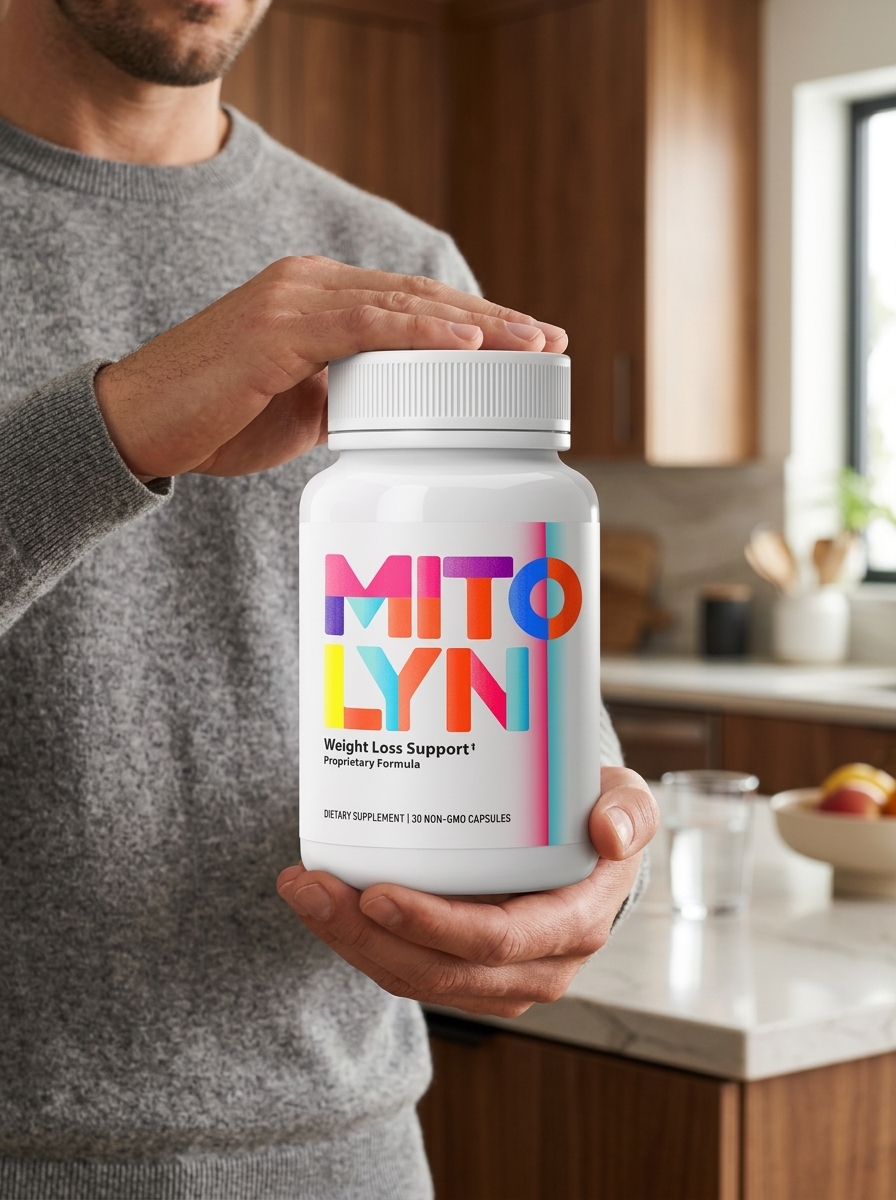
Fuel Your Cellular Recovery
When mitochondria work efficiently, your muscles recover like they used to.
Mitolyn targets the cellular powerhouses responsible for muscle repair and energy production. Advanced mitochondrial support means faster recovery, sustained energy, and the reliable performance your training demands. Don’t accept diminished recovery as inevitable.
- ✓ Energy that lasts through demanding sessions
- ✓ Muscle recovery that keeps pace with your goals
- ✓ Cellular support that compounds over time
The Science Your Body Already Understands

Your muscles contain more mitochondria than almost any other tissue in your body, and for good reason. These cellular engines need to power not just your workouts, but the complex repair processes that happen afterward. When mitochondrial function is optimized, your muscles receive a steady supply of the ATP energy they need for efficient recovery.
Think of it this way: every time you exercise, you’re making a withdrawal from your cellular energy bank. If your mitochondria are functioning poorly, you’re always operating at a deficit. But when they’re working efficiently, you can make those withdrawals and still have enough energy reserves for rapid recovery and adaptation.
This is why supporting mitochondrial health became the foundation of my recovery strategy. Instead of working against my body’s natural aging process, I was giving it the tools to maintain the cellular energy production that makes everything else possible.
Experience what efficient cellular recovery actually feels like.
Beyond Just Feeling Better

The improvements extended far beyond the gym. With proper cellular energy production, my mental clarity improved during the day. I had more patience with challenging work projects and more energy for evening activities with my family. Recovery isn’t just about muscles—it’s about your entire system having the energy it needs to function optimally.
I started approaching workouts strategically again instead of just hoping I’d feel okay afterward. I could plan training sessions back-to-back because I knew my recovery system was reliable. The unpredictability that had frustrated me for months was replaced by confidence in my body’s ability to bounce back. My training partners noticed the change too. While they were still complaining about soreness and fatigue, I was consistently showing up ready to perform.
The compound effect of better recovery created momentum that improved every aspect of my fitness journey.
Your training deserves reliable recovery support that works.
The Choice That Changes Everything

Looking back, I realize I had been accepting diminished recovery as inevitable. I’d bought into the idea that slower healing, persistent fatigue, and extended soreness were just part of getting older. But that’s not true. Your body’s ability to recover efficiently doesn’t have to decline if you support the cellular processes that make recovery possible.
Mitolyn gave me back the recovery capacity I thought I’d lost forever. Not through some magical process, but by addressing the fundamental issue: mitochondrial function. When your cellular powerhouses are working efficiently, everything else—muscle repair, energy production, adaptation—happens the way it’s supposed to.
The frustration of slow recovery doesn’t have to be your new normal.
Your muscles don’t have to take longer to forgive you. The energy and resilience you remember from your twenties isn’t gone—it just needs the right cellular support to function properly again.
That Tuesday morning when I realized my body had changed the rules feels like a lifetime ago. Now I wake up each day knowing that my recovery system is reliable, my energy is sustainable, and my training can be consistent. The difference isn’t just physical—it’s the confidence that comes from knowing your body is working with you, not against you.
Written by Elias Menden — for those who seek reliable strength
Choose cellular support over accepting decline as inevitable.