The results came back on a Tuesday. I remember because I was sitting in my truck after a job site inspection, checking my phone while rain drummed against the windshield. Everything looked normal at first glance—cholesterol decent, blood sugar fine, the usual markers I’d been tracking for years. Then I saw it: CRP 4.8 mg/L. High normal, the report said. But I knew enough to understand that “high normal” for C-reactive protein isn’t the reassurance it sounds like.
That number changed everything. Not because it meant immediate danger, but because it revealed something I’d been missing about my heart health. For years, I’d focused on the obvious stuff—keeping cholesterol in check, staying active, eating reasonably well. But CRP measures inflammation, the silent fire that can burn through your arteries even when everything else looks good on paper.
I started tracking my CRP levels that month, and what I discovered reshaped how I think about protecting my cardiovascular system.
This isn’t just another health metric to obsess over—it’s a window into what’s really happening inside your arteries, beyond what traditional cholesterol panels reveal.
When Good Numbers Hide the Real Story
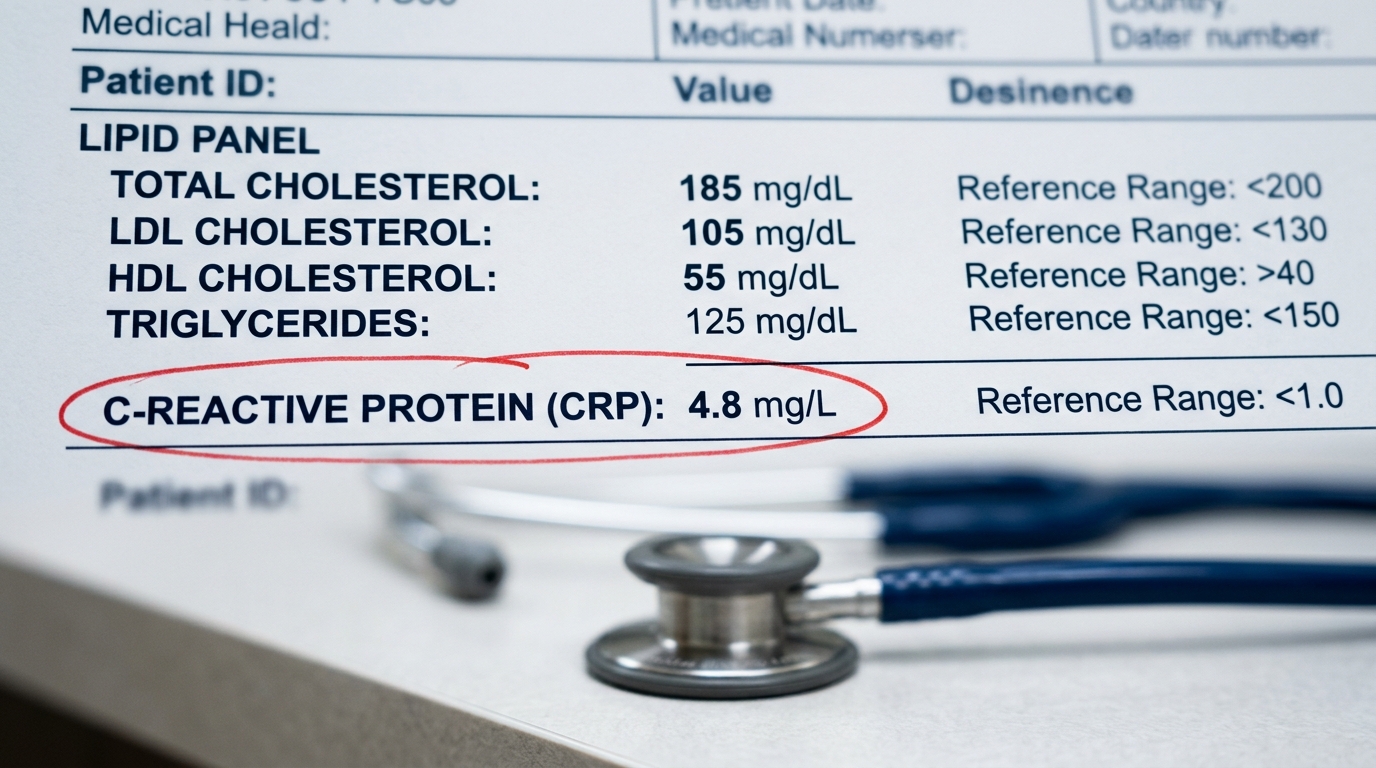
My cholesterol had always been my cardiovascular scorecard. Total under 200, LDL reasonable, HDL holding steady—I thought I had heart health figured out. But CRP tells a different story, one that cholesterol can’t capture. It measures the inflammation coursing through your system, the kind that turns stable arterial plaques into ticking time bombs. The research is clear: people with elevated CRP levels face significantly higher risks of heart attack and stroke, even when their cholesterol looks perfect.
It’s like having two warning systems for your heart, and I’d been listening to only one of them.
What struck me wasn’t panic—it was clarity. Finally, I had a measure that explained why some people with great cholesterol still end up with heart disease, while others with mediocre numbers sail through decades unscathed. Inflammation is the missing piece, the background process that determines whether your arteries age gracefully or deteriorate under stress.
Discover what your CRP levels reveal about your cardiovascular future
The Silent Signals Your Body Sends

Tracking CRP taught me to read my body differently. Those mornings when I’d wake up feeling stiff and heavy, the afternoons when my energy would crash without explanation—I started connecting these signals to my inflammatory burden. Your CRP level reflects the cumulative stress on your system: poor sleep, chronic tension, processed foods, hidden infections, all of it shows up in that single number. I began noticing patterns. Weeks of high stress at work would correlate with feeling more sluggish, more reactive.
My joints would ache in ways I’d dismissed as normal aging.
But when my CRP was lower, everything felt smoother—better sleep, steadier energy, even my mood seemed more resilient. The number gave me a language for something I’d been feeling but couldn’t quite name. It’s humbling to realize how much inflammation affects everything, not just your heart. Your brain function, your recovery from exercise, your ability to handle stress—it’s all interconnected.
CRP became my early warning system, alerting me when my body was working harder than it should to keep everything running smoothly.
Start targeting the inflammation that cholesterol tests miss entirely
Beyond Diet and Exercise

Knowing my CRP levels pushed me beyond the standard advice about heart health. Sure, I was already eating vegetables and exercising regularly, but my inflammation remained stubbornly elevated. That’s when I realized I needed targeted support, something specifically designed to address the inflammatory pathways that CRP measures. Traditional approaches focus on managing cholesterol and blood pressure, which are important but incomplete.
If inflammation is driving your cardiovascular risk, you need strategies that directly address that underlying fire.
I started researching supplements with proven anti-inflammatory properties, looking for something that could complement my existing healthy habits. The breakthrough came when I discovered Cardio Shield. Unlike generic heart supplements that take a scattered approach, this formula targets the specific inflammatory pathways that elevate CRP. Within weeks of starting it, I felt a subtle but unmistakable shift—less morning stiffness, more consistent energy, a general sense that my body was working with me instead of against me.
Move beyond hoping and start measuring your heart health progress
The Numbers That Tell the Truth

Six months after starting to track my CRP seriously—and three months after beginning Cardio Shield—I had my follow-up blood work done. The improvement was undeniable: from 4.8 mg/L down to 2.1 mg/L. Still not perfect, but solidly in the low-risk range. More importantly, I felt the difference in my daily life. My energy was more stable throughout the day. I recovered faster from workouts. Even small cuts and scrapes seemed to heal quicker, a sign that my body’s inflammatory response was becoming more efficient rather than chronically activated.
The stiffness I’d accepted as inevitable started melting away, leaving me feeling more like myself again.
What surprised me most was how this affected my confidence about aging. Instead of feeling like my body was slowly betraying me, I felt like I was actively protecting it. Tracking CRP gave me a tool for monitoring my true cardiovascular health, not just the surface markers that everyone talks about.
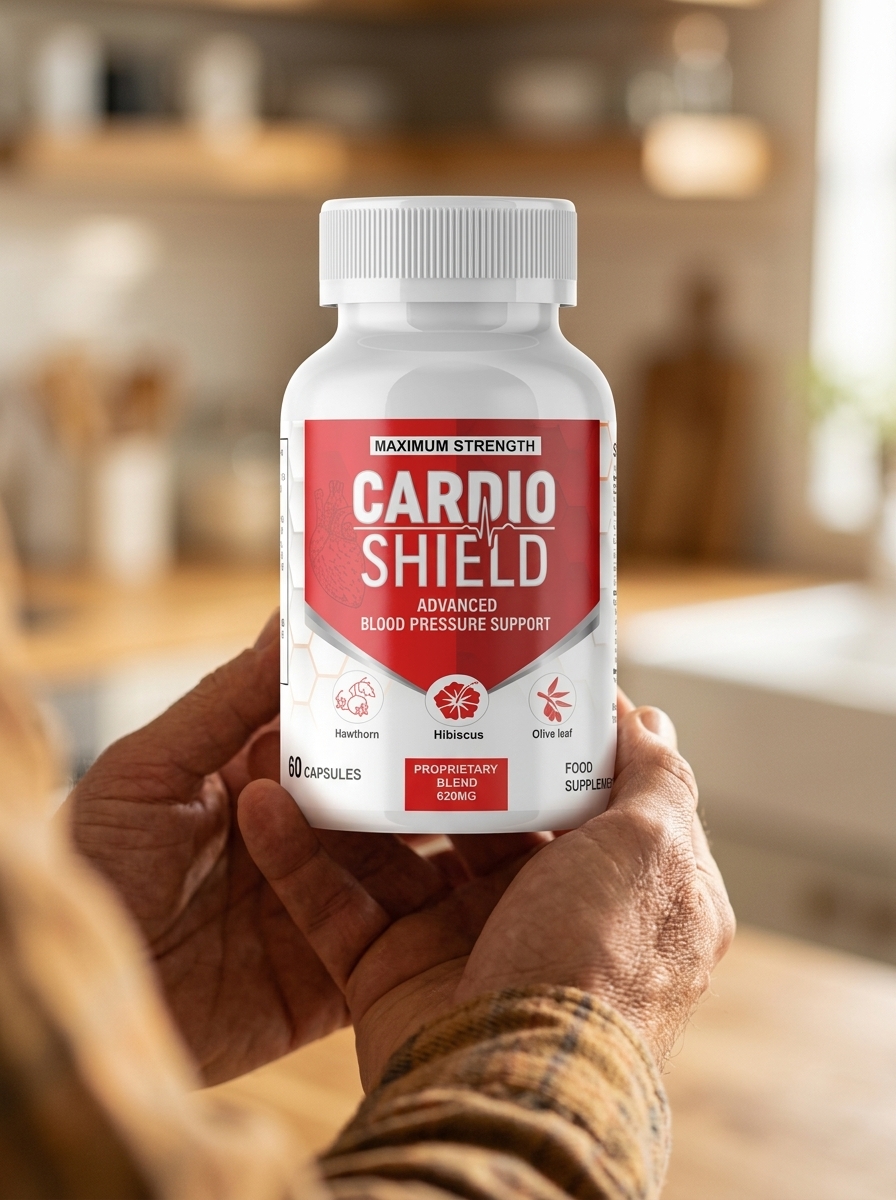
Target Heart Inflammation
Support your cardiovascular system beyond cholesterol with targeted inflammation control.
While traditional heart supplements focus on surface markers, Cardio Shield addresses the inflammatory pathways that CRP measures. This targeted formula works with your body’s natural processes to support healthy inflammation response and cardiovascular resilience. Give your heart the comprehensive protection it deserves.
- ✓ Reduced morning stiffness and joint discomfort
- ✓ More stable energy throughout the day
- ✓ Confidence in your cardiovascular wellness approach
Reading Your Body’s Inflammation Story
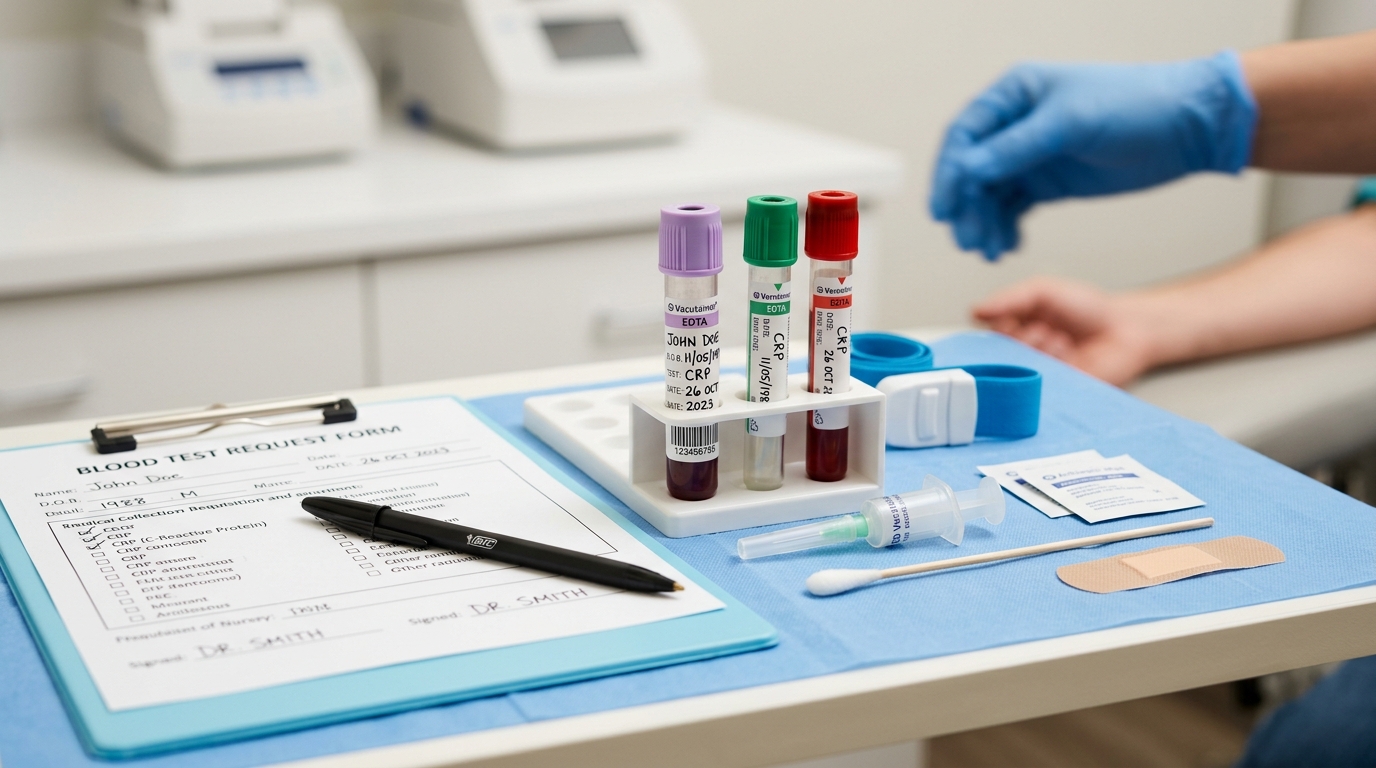
Getting your CRP tested is straightforward—most doctors will order it if you ask, especially if you have other cardiovascular risk factors. The optimal level is below 1.0 mg/L, though anything under 3.0 mg/L is considered acceptable. But I’ve learned that “acceptable” and “optimal” are different territories entirely. What matters more than the exact number is the trend over time. Are your levels stable, rising, or falling? How do they correlate with your lifestyle changes, stress levels, and how you actually feel?
I track mine every three to four months now, treating it like a conversation with my cardiovascular system.
The test itself is simple—just a standard blood draw—but the insights it provides are profound. It’s given me a metric that responds to my efforts, showing me when my anti-inflammatory strategies are working and when I need to adjust course. Unlike cholesterol, which can be stubbornly genetic, CRP reflects your current inflammatory state and responds relatively quickly to targeted interventions.
Experience the confidence of knowing your cardiovascular system is protected
The Confidence of Knowing

There’s something powerful about having a number that reflects what’s actually happening inside your arteries. Before tracking CRP, heart health felt abstract—I was following guidelines and hoping for the best. Now I have real-time feedback on whether my cardiovascular system is thriving or struggling. This knowledge has changed how I approach daily decisions. When I’m tempted to skip sleep or push through chronic stress, I think about my CRP level.
When I’m choosing what to eat or whether to take my Cardio Shield, I’m not just following generic advice—I’m making informed decisions based on what I know about my inflammatory status.
The peace of mind is invaluable. Instead of wondering whether I’m doing enough for my heart health, I have objective evidence that my approach is working.
My CRP levels tell me that the inflammation in my system is well-controlled, that my arteries are likely aging gracefully rather than accumulating damage.
Join those who track the inflammation marker doctors often overlook
A Different Kind of Prevention

Tracking CRP has taught me that true cardiovascular prevention goes deeper than the standard recommendations. It’s not enough to avoid obviously bad foods and get some exercise. Real heart health requires understanding and managing the inflammatory processes that drive arterial disease from the inside out. This approach feels more sustainable because it’s based on measurable feedback rather than blind faith. I’m not just hoping that my healthy habits are enough—I can see the evidence in my blood work.
When my CRP levels are low, I know my cardiovascular system is in a good place.
The combination of regular CRP monitoring and targeted support from Cardio Shield has given me something I didn’t expect: genuine confidence about my long-term heart health. Not the brittle confidence of denial, but the solid assurance that comes from understanding what’s happening in your body and having effective tools to influence it.
Every time I get my CRP results back now, I’m reminded that heart health isn’t just about avoiding disease—it’s about actively supporting the complex systems that keep your cardiovascular system resilient.
That number on my lab report represents more than inflammation; it represents the difference between hoping for the best and actually taking control of my heart’s future.
Written by Elias Menden — for those who seek cardiovascular clarity
Get the comprehensive heart protection your numbers actually need