
I used to stare at my laptop like it was speaking another language. Words were there, but my mind wouldn’t catch them. If you’ve ever felt that heavy, cotton‑headed fog, you’re not alone. Six months ago I decided to treat my focus like training: observe, adjust, repeat. I built a simple diet for brain fog around real food, daily rhythms, and one supportive supplement. What followed wasn’t magic. It was momentum.
Short answer: a diet for brain fog usually works when it lowers blood-sugar swings, covers hydration and protein early, and treats sleep like part of the nutrition plan. Food can help a lot, but sudden confusion, one-sided weakness, severe headache, fainting, or new neurologic symptoms need medical care rather than a self-directed reset.
| If brain fog shows up as | Best first food move | Why it matters |
|---|---|---|
| Morning haze | Eat protein and drink water early | That reduces the crash-and-chase cycle before caffeine takes over. |
| Post-lunch slump | Build lunch around protein, fiber, and slower carbs | Steadier glucose often means steadier thinking. |
| All-day fog plus red flags | Stop the experiment and get medical help | Nutrition should not delay care for urgent symptoms. |
Why I built a diet for brain fog

The fog wasn’t just tiredness. It was a static hum—harder to think, easier to distract. I started with a food journal and a few rules of engagement:
- Track how I feel 60–90 minutes after meals.
- Keep sleep and hydration as part of nutrition, not extras.
- Change one thing each week, not ten.
Within two weeks, patterns appeared. Certain foods spiked and crashed my energy. Others felt like clean fuel. That’s when I shaped this plan.
If your brain is a city at night, nutrition is the power grid. I didn’t need louder motivation—I needed steadier electricity.
The triggers I let go of
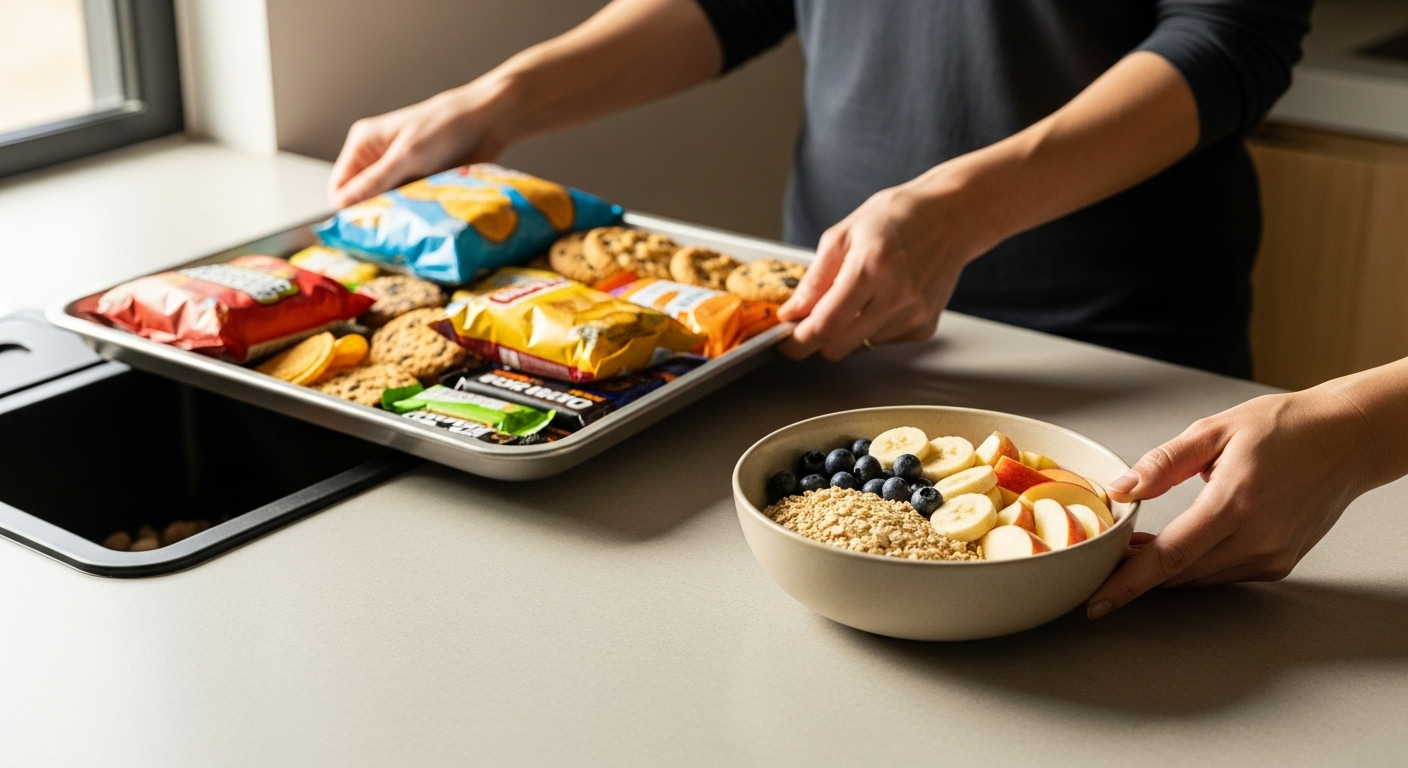
What I removed was simple, not easy. But once I did, focus sharpened.
- Sugary drinks – Sodas, sweet teas, and “healthy” juices pushed me into a glucose roller coaster. The rise felt great. The crash felt like static.
- Ultra‑processed meals – Packaged foods and refined carbs left me foggy, even when calories were “right.” I swapped them for whole versions: oats over flakes, potatoes over fries, actual rice over instant blends.
- Trans fats – I cut margarines and long‑shelf snacks. My brain felt calmer, my energy less jittery.
By the end of week two without these, the afternoon brain sludge lifted. Not perfect. But better—daily.
What I added that changed everything

Clearing space made room for nutrients that the brain loves. Here’s what moved the needle most for me:
- Hydration – A glass on waking, one with each meal, one mid‑afternoon. A pinch of sea salt in one bottle on training days. Headaches faded. Focus steadied.
- Protein with every meal – Eggs, Greek yogurt, salmon, chicken, tofu. Protein slowed blood‑sugar swings and gave my brain the raw materials for neurotransmitters.
- Fiber‑rich carbs – Oats, quinoa, berries, apples, sweet potato. Slow burn, no crash.
- Healthy fats – Avocado, extra‑virgin olive oil, walnuts, flax and chia. My mind felt “lubricated,” not sluggish.
- Omega‑3s – Salmon twice a week, plus walnuts or flax daily. Mood lifted, edges softened.
- Magnesium foods – Spinach, pumpkin seeds, almonds, dark chocolate (70%+). Calmer body, clearer head.
- Vitamin D from sunlight and food – Short morning light exposure; egg yolks and fortified dairy on cloudy weeks.
None of this was extreme. It was a quiet recalibration.
My daily plate for clearer focus

This is the pattern that replaced the chaos.
Morning
- Water + pinch of mineral salt.
- Greek yogurt with berries and ground flax, or eggs with spinach and avocado.
- Coffee after food, never on an empty stomach.
Midday
- Big salad: greens, roast veggies, quinoa, olive oil, lemon, and a palm‑sized protein.
- Fruit for dessert if I want something sweet.
Afternoon
- Water break. Stand up. Light walk or mobility.
- Snack if hungry (see ideas below).
Evening
- Salmon or tofu with sweet potato and broccoli.
- Devices down 60 minutes before bed. Dim light. Magnesium‑rich snack if needed.
This rhythm kept my blood sugar steady and my brain online.
Smart snacks for steady focus
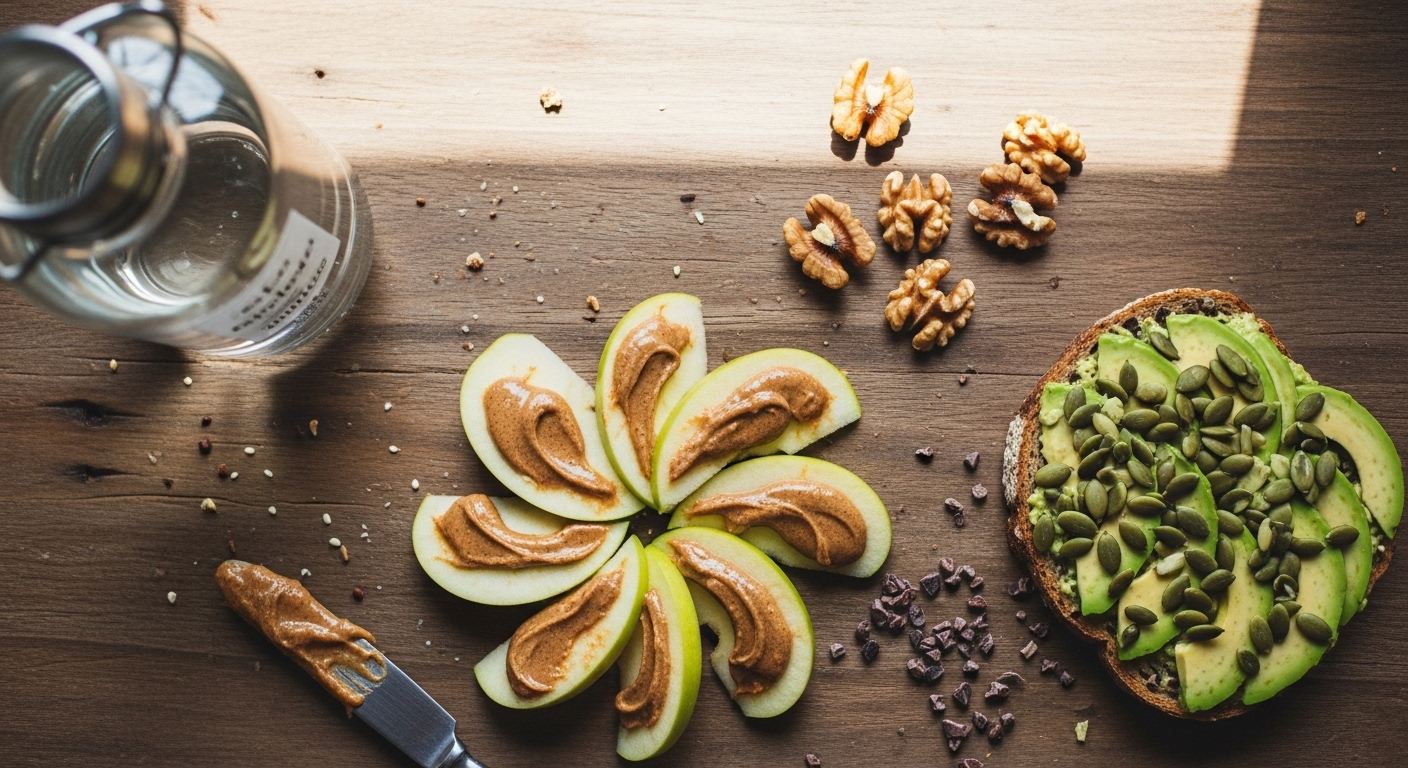
When I need a quick lift that won’t boomerang:
- A handful of walnuts for an omega‑3 crunch.
- A berry smoothie with spinach and Greek yogurt.
- Dark chocolate nibs (70%+ cacao) for a gentle mood bump.
- Avocado toast with pumpkin seeds.
- Sliced apple with almond butter—fiber + fat in one bite.
These bites don’t just “fill me up.” They keep me steady.
I want brain-fog nutrition pages to stay anchored in real trust signals. The National Institute on Aging’s guide to cognitive health keeps the conversation tied to sleep, movement, blood pressure, and social connection rather than one ingredient. The NIH Office of Dietary Supplements’ overview of omega-3 fatty acids, NCCIH’s page on using dietary supplements wisely, and the FDA’s explainer on dietary supplements are the right baseline before you buy anything for focus.
Supplements that support a diet for brain fog

Food does the heavy lifting. But a targeted nootropic helped me turn the corner.
Java Burn became my morning add‑on on deep‑work days. It mixes into my morning coffee and pairs with a whole‑foods plan aimed at steady energy and mental clarity. I like it because its ingredients are geared toward smooth energy metabolism and calm focus—think B‑vitamins for cellular energy and L‑theanine to take the edge off caffeine. For me, it felt like taking the static out of a radio—same song, just cleaner.
How I use it:
- I add a serving to my first cup of coffee, after breakfast.
- I keep hydration and protein in place so the lift is steady, not jittery.
- I skip it on rest days to keep my baseline natural.
If you’ve been feeling that same burnout I once had, start where I did. Try Java Burn. It’s designed to support mental clarity while you rebuild your diet and daily rhythm.
Supplements don’t replace sleep, light, or real food. But the right one can help the work you’re already doing land deeper.
A two‑week reset that actually fits real life

I gave myself fourteen days, not forever. Here’s the cadence that worked:
Week 1: Remove & Rehydrate
- Cut sugary drinks and ultra‑processed snacks.
- Add a water routine: after waking, with meals, mid‑afternoon.
- Journal after lunch: How clear do I feel 1–2 hours later?
Week 2: Add the Builders
- Protein at each meal; swap refined carbs for fiber‑rich ones.
- Add omega‑3s and magnesium foods.
- Use Java Burn on focus‑heavy mornings.
- Keep journaling: What meals give me the cleanest energy?
By the end, I had a blueprint my future self could trust.
Frequently asked questions
Can nutrition alone improve mental clarity?
Often, yes. A whole‑foods plan that stabilizes blood sugar, adds omega‑3s and minerals, and improves hydration can lift a surprising amount of fog. If symptoms are severe or new, talk to a professional.
When will I notice the benefits of these food changes?
Many people feel steadier within a week; two weeks is a fair window for focus to noticeably improve. That was my timeline.
Do I have to quit coffee?
No. I moved coffee to after breakfast and limited myself to a set window in the morning. Less crash, more calm.
Where does Java Burn fit?
Think of it as a support act. It helps me stay locked in while the basics—sleep, light, movement, real food—do the rebuilding.
If you want to keep building the pattern, the next reads I trust most are best brain fog supplements, healthy fats for brain clarity, and best supplements for focus. They help separate food-first cleanup from the cases where a broader routine or clinician conversation matters more.
The quiet win

I began this journey squinting at a screen, frustrated by a mind that wouldn’t wake up. Building a diet for brain fog didn’t give me superpowers. It gave me stability. Meals that don’t betray me. Mornings that bring their own light. And yes—a supplement that helps me hold the line when the day asks more.
If your brain has felt like a dim room lately, open the blinds with food, water, and rhythm. And if you want the nudge that helped me, start with Java Burn.
— Written by Elias Menden — for those who seek strength, structure, and clear minds.
Written by Elias Menden — for readers trying to calm brain fog with steadier meals instead of louder promises.


