Three-seventeen AM. Again. I knew without looking at the clock — my body had become a precision instrument for waking at the exact wrong time. The bedroom was perfectly dark, the temperature ideal, my evening routine flawless. Yet here I was, staring at the ceiling while my mind catalogued tomorrow’s tasks like an unwelcome inventory.
What I didn’t understand then was that my sleep wasn’t being stolen by stress or poor habits. It was being dismantled from the inside by cellular inflammation — a quiet fire burning through my mitochondria, disrupting the very machinery that should have been restoring me while I slept.
The revelation came not through research or medical consultations, but through the desperate trial of Mitolyn, a mitochondrial support supplement that finally addressed what no sleep hygiene protocol could touch. My cells were inflamed, my energy production compromised, and my sleep architecture crumbling under the weight of oxidative stress I couldn’t see or feel — until I could.
When Sleep Becomes a Battleground
You know the feeling. Your body is exhausted, genuinely tired in that bone-deep way that should guarantee unconsciousness. But your nervous system has other plans. It hums with an electric restlessness, a low-grade activation that keeps you suspended between sleep and waking, never fully arriving at either state.
I spent months blaming external factors. Work stress. Screen time. Caffeine timing. The neighbor’s dog. I bought blackout curtains, upgraded my mattress, invested in a white noise machine that promised to transport me to a babbling brook in the Swiss Alps. Each purchase felt logical, evidence-based, certain to be the missing piece.
But the 3 AM wake-ups persisted with mathematical precision. My sleep tracker showed the jagged landscape of my nights — brief descents into deeper rest interrupted by sudden spikes of arousal, as if my body kept forgetting it was supposed to be sleeping. What I was seeing, without knowing it, was inflammation in real time.
The cellular fires were burning brightest when they should have been quietest, turning my restorative hours into a low-level emergency state that my nervous system couldn’t ignore.
Ready to quiet the cellular fires stealing your sleep?
The Science Behind Sleepless Cells
Your mitochondria — those tiny power plants in every cell — don’t just produce energy during the day. At night, they shift into repair mode, cleaning up the oxidative damage accumulated during waking hours. This cellular housekeeping is essential for the deep, restorative sleep phases that leave you feeling genuinely refreshed. But when mitochondria are overwhelmed by inflammation, this nighttime restoration becomes compromised. Instead of settling into repair mode, your cells remain in a state of defensive activation.
Your body senses this cellular distress as a threat, maintaining just enough nervous system arousal to keep you from sinking into the profound rest your tissues desperately need.
This is why traditional sleep aids often miss the mark. They might help you fall asleep initially, but they can’t address the underlying cellular inflammation that fragments your sleep architecture hours later. The melatonin might get you drowsy, but it can’t quiet the mitochondrial fires that wake you at 3 AM. What you need isn’t stronger sedation. You need cellular peace — mitochondria that can shift smoothly from daytime energy production to nighttime restoration without the interference of chronic inflammation.
Discover what happens when your mitochondria remember their nighttime job
The Morning After Breakthrough
I’ll never forget the first morning I woke up naturally, sunlight streaming through the curtains instead of the harsh blue glow of my phone screen telling me I had three more hours until the alarm. My first thought wasn’t about the time or my schedule — it was simple amazement that I had slept.
Not just dozed or rested fitfully, but actually slept. Deep, restorative, the kind of sleep that leaves your body feeling like it accomplished something important while you were unconscious.
This breakthrough came after two weeks of taking Mitolyn consistently. The first few nights, I noticed subtle changes — falling asleep felt easier, less like negotiating with an anxious mind. But the real shift happened in week two, when my cellular inflammation finally began to quiet and my mitochondria could remember their nighttime job. The difference wasn’t just in duration but in quality. My sleep tracker showed longer periods in the deeper phases, fewer fragmented wake-ups, and most importantly, that natural emergence into consciousness that signals genuine rest rather than exhausted surrender to morning.
Experience the profound rest your cells have been craving
Why Mitochondrial Support Changes Everything
When people talk about sleep supplements, they usually focus on neurotransmitters — boosting GABA, supporting melatonin production, calming an overactive nervous system. These approaches treat sleep as a brain problem, which makes sense given how mental it feels when you’re lying awake at 2 AM. But the deepest sleep disruptions often begin at the cellular level, in mitochondria struggling under the weight of oxidative stress and inflammation.
When these cellular power plants can’t function optimally, they send distress signals that ripple through every system in your body, including the delicate neurological mechanisms that govern sleep.
Mitolyn works differently because it addresses this foundational layer. By supporting mitochondrial function and reducing cellular inflammation, it creates the conditions where natural sleep architecture can rebuild itself. Your cells learn to trust the night again, shifting smoothly from active energy production to restorative maintenance. This isn’t about forcing sleep through chemical intervention. It’s about removing the cellular obstacles that have been preventing your natural sleep rhythms from functioning properly.
Transform 3 AM wake-ups into genuine overnight restoration
The Ripple Effects of Cellular Rest
Good sleep from mitochondrial support doesn’t just mean waking up less tired. When your cells can complete their nightly restoration cycles without inflammatory interference, the benefits cascade through every aspect of your physiology. Your immune system strengthens. Your cognitive function sharpens. Your emotional resilience deepens.
I started noticing these secondary improvements about a month into taking Mitolyn. Afternoon brain fog that I had attributed to natural energy dips began lifting. My mood felt more stable, less reactive to daily stresses that used to send me into tailspins. Even my digestion improved, which makes sense when you understand how cellular inflammation affects gut health.
Most remarkably, my relationship with sleep itself transformed. Instead of approaching bedtime with anxiety about whether I would sleep, I began to trust my body’s ability to rest. This psychological shift amplified the cellular improvements, creating a positive feedback loop where reduced sleep anxiety further supported mitochondrial recovery.
The inflammation that had been stealing my sleep was also stealing my confidence in my body’s basic functions.
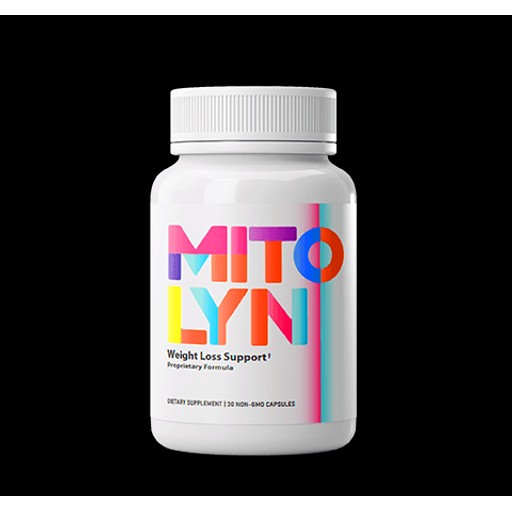
Sleep From Your Cells Up
When mitochondria heal, 3 AM wake-ups become ancient history.
Cellular inflammation steals your sleep from the inside. Mitolyn’s targeted mitochondrial support quiets the oxidative fires that fragment your nights, letting your natural sleep architecture rebuild itself. Real rest starts at the cellular level.
- ✓ Fall asleep without negotiating with anxiety
- ✓ Stay asleep through natural restoration cycles
- ✓ Wake refreshed instead of exhausted
Beyond Quick Fixes to Lasting Change
The supplement industry loves to promise instant sleep solutions — take this pill, wake up refreshed, transform your nights in 24 hours. But sustainable sleep improvement, especially when it stems from cellular inflammation, requires patience and consistency. Mitochondrial healing happens on cellular time, not consumer time. What I learned through my experience with Mitolyn is that real change often feels subtle at first. The first week, I wasn’t sure anything was happening.
The improvements crept in gradually — a slightly easier time falling asleep, fewer middle-of-the-night wake-ups, mornings that felt marginally less brutal.
But consistency with mitochondrial support compounds these small improvements into profound changes. By week three, I was sleeping through the night regularly. By week six, I had almost forgotten what chronic sleep disruption felt like. The cellular inflammation that had been fragmenting my rest was finally under control. This gradual improvement taught me to recognize the difference between masking symptoms and addressing root causes.
Support your cellular healing and reclaim peaceful nights
The Freedom of Trusting Sleep Again
There’s a particular kind of peace that comes from knowing you can sleep. Not hoping you might sleep, not negotiating with insomnia, not calculating how many hours you might get if you fall asleep right now. Just knowing, with cellular certainty, that your body remembers how to rest.
This confidence extends beyond the bedroom. When you trust your ability to recover through sleep, you can engage more fully with daytime challenges. Work stress feels manageable because you know you’ll process it overnight. Social commitments feel energizing rather than depleting because you trust your restoration systems.
Six months after starting Mitolyn, I rarely think about sleep at all — which is exactly how it should be. Sleep has returned to being an unconscious biological function rather than a nightly performance I have to perfect. The cellular inflammation that once kept me awake at 3 AM has quieted into the background where it belongs. My mitochondria have remembered their nighttime job: switching from energy production to cellular repair, allowing my nervous system to downshift into the deep rest that rebuilds resilience from the inside out.
Let your body remember what restorative sleep feels like
When Your Body Remembers How to Rest
The most profound change wasn’t just sleeping through the night — it was rediscovering what it feels like to wake up genuinely refreshed. That sense of having been somewhere restorative, of returning to consciousness with energy rather than exhaustion. Of feeling like sleep had actually accomplished something important while I was unconscious.
This is the gift of addressing cellular inflammation rather than just treating sleep symptoms. When mitochondria can complete their nightly restoration without inflammatory interference, your entire physiology benefits. Energy production becomes more efficient. Stress resilience deepens. Mental clarity sharpens. Sleep becomes the foundation it was always meant to be, not a daily struggle to endure.
For anyone lying awake right now, wondering if they’ll ever sleep peacefully again, I want you to know: cellular inflammation might be the hidden factor stealing your rest. And there are tools like Mitolyn that can help your mitochondria remember their healing work, allowing your natural sleep architecture to rebuild itself from the inside out.
The 3 AM wake-ups don’t have to be permanent. Your cells can learn to trust the night again, and when they do, everything else follows — the deep rest, the morning energy, the quiet confidence that your body knows how to take care of itself while you sleep.
Written by Elias Menden — for those who seek restorative rest
Ready to feel the difference this formula makes?