The first time I noticed it, I was standing in my kitchen holding a wooden spoon, staring at the simmering lentils, and I couldn’t remember what I’d planned to add next. Not the recipe — I knew that by heart. But the actual next step seemed to hover just beyond my mental reach, like trying to catch smoke. I laughed it off as one of those moments. We all have them.
What I didn’t realize was that this wasn’t an isolated incident. It was the beginning of a pattern that would unfold so slowly over the following months that I’d mistake it for normal aging, stress, or simply being busy. The truth was more complex: my brain was quietly struggling, and my well-intentioned dietary choices were playing a role I hadn’t considered.
Six months into what I proudly called my “plant-powered life,” I was thriving in many ways. My energy felt more stable, my skin had a glow I’d never experienced, and I felt aligned with my values in a way that brought daily satisfaction. But there was something else happening beneath the surface — a subtle dimming of mental brightness that I kept explaining away.
The Changes I Didn’t Want to Admit

It started with words. Familiar words that would suddenly feel foreign on my tongue, as if I were reaching for them through thick glass. I’d be mid-sentence in a work meeting and pause, searching for a term I’d used confidently for years. “You know, that thing where…” became my verbal crutch, buying time while my brain caught up.
Then came the reading. I’d always been someone who could devour a book in a weekend, holding complex plot lines and character developments without effort. Now I found myself re-reading paragraphs, losing threads of thought, feeling like I was grasping at ideas that used to feel solid in my hands.
I told myself I was just distracted, overwhelmed, getting older.
The mornings were perhaps the most telling. That first-coffee clarity that had always been my mental reset button started feeling more like a gentle suggestion than a sharp awakening. I’d sit at my desk with my journal, pen poised, and sometimes just… wait. Wait for thoughts to form, for connections to spark, for that familiar sense of mental momentum to kick in. I was still myself, still capable, still getting things done.
But it felt like someone had turned down the brightness on my inner world, and I was straining to see clearly.
Ready to support your brain through your plant-based journey?
The Conversation That Changed Everything

The turning point came during a video call with my sister, a nutritionist who’d been quietly observing my transition to plant-based eating. I was telling her about feeling “a little scattered lately” when she asked a question that stopped me cold: “How’s your memory been? Your focus?”
The question hit differently because she wasn’t just making conversation. There was intention behind it, a professional curiosity mixed with sisterly concern. When I described the word-searching, the re-reading, the morning mental lag, she nodded with recognition.
“Have you looked into brain-specific supplementation?” she asked gently. “Plant-based diets are incredible for so many things, but the brain has some very particular needs that can be challenging to meet consistently through food alone, especially in the beginning.”
That conversation opened a door I hadn’t known I needed to walk through. It wasn’t that my diet was wrong or that I needed to abandon the path I’d chosen. It was that I needed to support my brain more intentionally during this transition.
Your dietary values and cognitive clarity can thrive together.
What I Learned About Plant-Based Brains

The research I dove into over the following weeks painted a nuanced picture. Plant-based diets offer incredible benefits for brain health — the antioxidants, the anti-inflammatory compounds, the fiber that supports gut-brain communication. But they also require more careful attention to certain nutrients that the brain relies on for optimal function.
B vitamins, particularly B12, play crucial roles in cognitive function and nerve health. Omega-3 fatty acids, typically abundant in fish, need to be sourced from algae or supplements in plant-based eating. Certain amino acids that support neurotransmitter production require thoughtful combining of plant proteins. Iron, zinc, and other minerals need extra attention when plant-based.
It wasn’t about deficiency in the clinical sense — my annual blood work had come back normal. It was about optimization, about giving my brain not just enough to function, but enough to thrive during a significant dietary transition.
The more I learned, the more I realized that what I was experiencing had a name: cognitive adaptation. My brain was adjusting, and it needed more support during that process than I’d been providing.
Experience the mental sharpness your plant-based lifestyle deserves.
The Missing Piece I Found

When my sister recommended CogniCare Pro, I’ll admit I was skeptical. I’d become wary of supplement marketing, especially anything that promised dramatic cognitive improvements. But this felt different — not a magic bullet, but a comprehensive approach to brain nutrition that addressed multiple pathways of cognitive support.
What drew me in was the formulation. Rather than focusing on a single compound, it combined ingredients that support different aspects of brain function: circulation, neurotransmitter balance, cellular energy production, and neuroprotection. It felt like what I’d been trying to achieve through food alone, but in a concentrated, bioavailable form.
The decision to try it wasn’t about abandoning my commitment to plant-based eating. It was about acknowledging that sometimes we need bridges — tools that support us through transitions and help us thrive in the choices we’ve made.
I started with one capsule in the morning, treating it as part of my daily ritual of self-care. No dramatic expectations, just curiosity about whether targeted brain support might help during this adjustment period.
Don’t accept brain fog as the price of conscious eating.
The Gradual Return of Sharpness

The changes didn’t happen overnight, and that’s exactly why I trusted them. Real cognitive improvement doesn’t feel like a light switch being flipped — it feels like dawn breaking slowly, bringing definition back to a landscape that had been obscured.
First, I noticed the word-searching episodes becoming less frequent. Not gone, but less urgent, less frustrating. When I couldn’t find a word immediately, it felt like a brief pause rather than a mental wall. The vocabulary that had felt locked away started becoming accessible again.
Then came the reading comprehension. That feeling of grasping ideas clearly on the first pass returned gradually. I found myself able to hold complex thoughts without losing threads, to follow longer arguments without needing to backtrack. It was like someone had cleaned the lenses through which I viewed information.
The morning clarity was perhaps the most noticeable shift. That mental momentum I’d been missing started returning — not in a jittery, caffeine-driven way, but as a gentle, sustained readiness to engage with the day.
My journal entries became longer, more coherent, more connected to the deeper thoughts I’d been struggling to access. What surprised me most was how natural it felt. Not artificially enhanced or hyped up, but like returning to a version of myself I’d forgotten was possible during this transition period.
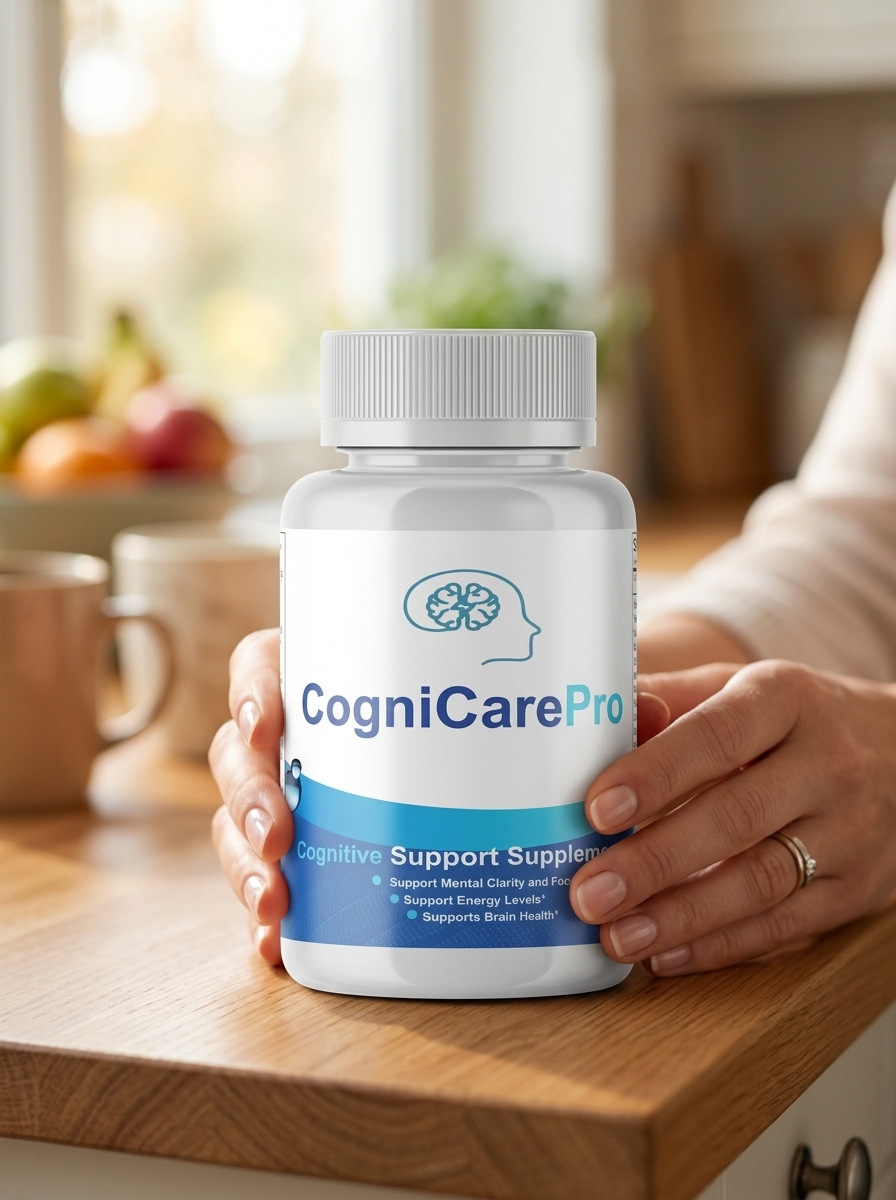
Bridge Your Brain Gap
Plant-based eating meets cognitive clarity through targeted brain nutrition.
Your values and your mental sharpness don’t have to compete. CogniCare Pro provides the brain-specific nutrients that can be challenging to obtain consistently through plant foods alone. Support your cognitive transition with comprehensive neurological care that honors your dietary choices while optimizing mental performance.
- ✓ Words flow naturally again
- ✓ Morning clarity returns gently
- ✓ Complex thinking feels effortless
Finding Balance in the Journey

Six months later, I’m still plant-based, still committed to this way of eating that aligns with my values and supports my overall health. But now I approach it with more nuance, more awareness of what my brain specifically needs to thrive within this framework.
CogniCare Pro became part of my daily routine not as a crutch, but as a tool of optimization. Like the B12 supplement I’d already accepted as necessary, or the vitamin D I take during winter months — practical support for choices that serve me in countless other ways.
The fog has lifted, not just cognitively but emotionally. I no longer question whether my dietary choices are compatible with mental clarity. Instead, I’ve learned to support them more intelligently, to bridge the gaps that exist not because plant-based eating is wrong, but because transitions require extra care.
I’ve also become more attuned to the subtle signs of cognitive well-being — the ease of word retrieval, the ability to hold complex information, the morning brightness that sets the tone for clear thinking throughout the day. These aren’t luxuries; they’re fundamental to feeling like myself.
Give your transitioning brain the targeted nutrition it craves.
The Clarity I Didn’t Know I Was Missing

What I understand now is that cognitive health isn’t binary — it’s not sharp or dull, clear or foggy. It exists on a spectrum, and small improvements can feel profound when you’ve been living with subtle diminishment for months without realizing it.
The mental clarity I experience now feels richer than what I had before my plant-based transition began. It’s clarity supported by better overall health, better inflammation levels, better gut function — all gifts of plant-centered eating. But it’s also clarity that acknowledges the brain’s specific needs and meets them intentionally.
I no longer accept mental fog as inevitable, whether from aging, stress, or dietary choices. I’ve learned that the brain, like any organ, responds to thoughtful care. Sometimes that care comes through food, sometimes through targeted supplementation, sometimes through both working together.
The conversation with my sister that started this journey taught me something important: we don’t have to choose between our values and our cognitive well-being. We just need to be more strategic about supporting both.
Join those who’ve found the missing piece of plant-based wellness.
What Plant-Based Clarity Actually Feels Like

These days, my mornings begin with a different quality of wakefulness. Not the jittery alertness of too much caffeine, but a steady, sustainable brightness that carries through the day. Words come when I call them. Ideas connect fluidly. That wooden spoon moment in the kitchen feels like a distant memory from a foggier time.
The lentil soup I make now is the same recipe, but I prepare it from a place of mental presence that feels both familiar and newly appreciated. Each ingredient added with clear intention, each step following naturally from the last. My plant-based kitchen has become a place of cognitive ease again.
I’ve learned that supporting long-term brain health while eating plant-based isn’t about compromise — it’s about completeness. It’s about honoring both the values that drew me to this way of eating and the biological realities of optimal brain function. CogniCare Pro became the bridge that allowed me to have both.
The mental clarity I experience now feels sustainable in a way that gives me confidence about the years ahead. Not because I’ve found a magic solution, but because I’ve found a thoughtful approach that works with my choices rather than against them.
My brain feels fed, supported, ready for whatever complex thinking the day might bring. And my values remain intact, expressed through a plant-based lifestyle that now includes the brain-specific care it needs to truly thrive. Sometimes the most honest answer is also the most hopeful one: yes, with the right support, a vegan diet can absolutely nurture long-term brain health. I’m living proof of exactly how good that can feel.
Written by Liora Menden — for those who seek mental clarity
Your mind deserves the same thoughtful care as your body.