I used to think eight hours was eight hours. Sleep was sleep, right? Either you got it or you didn’t. Either you woke up tired or you didn’t. The nuance felt like something wellness influencers invented to sell expensive pillows.
Then I started waking up at 3 AM with my heart racing. Not anxious about anything specific—just alert, wired, like my body had forgotten how to stay down for the night. I’d lie there until dawn, watching the ceiling, knowing I had meetings at nine and a full day ahead that would require energy I simply didn’t have.
The strange part wasn’t the fatigue. I’d been managing tiredness for years. The strange part was how everything else started unraveling. My skin looked dull by noon. My patience disappeared before lunch. Simple decisions—what to eat, which route to take home—felt monumental. It was as if the part of me that usually handled life’s small complexities had gone offline.
The Hours That Don’t Count
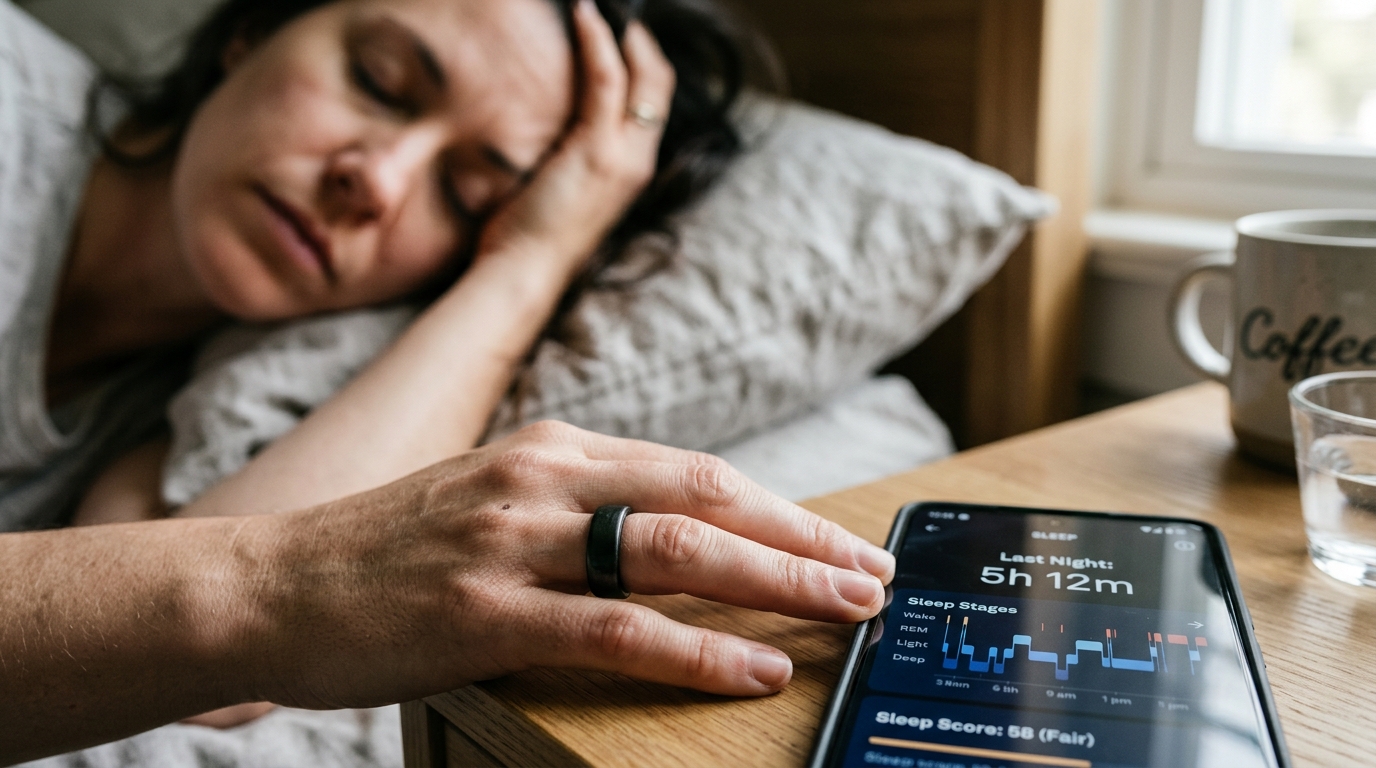
I started tracking my sleep with one of those rings everyone talks about. The data was humbling. Seven hours and twenty-three minutes in bed. Sounds decent, right? Except only forty-seven minutes of that was deep sleep. Deep sleep—the phase when your body actually repairs itself, when growth hormone gets released, when your brain processes the day and files away what matters.
Most adults need ninety minutes to two hours of deep sleep per night. I was getting less than an hour. No wonder I felt like I was running on fumes.
My body was spending the night in maintenance mode, never quite reaching the restoration phase that makes morning feel like a fresh start.
I realized I’d been measuring the wrong thing. It’s not about time in bed. It’s not even about falling asleep quickly. It’s about whether your nervous system actually downshifts into that slow-wave state where real recovery happens. Without deep sleep, you’re essentially running on yesterday’s energy reserves, day after day, until there’s nothing left.
Ready to experience what truly restorative sleep feels like for your body?
What Steals the Deep Hours
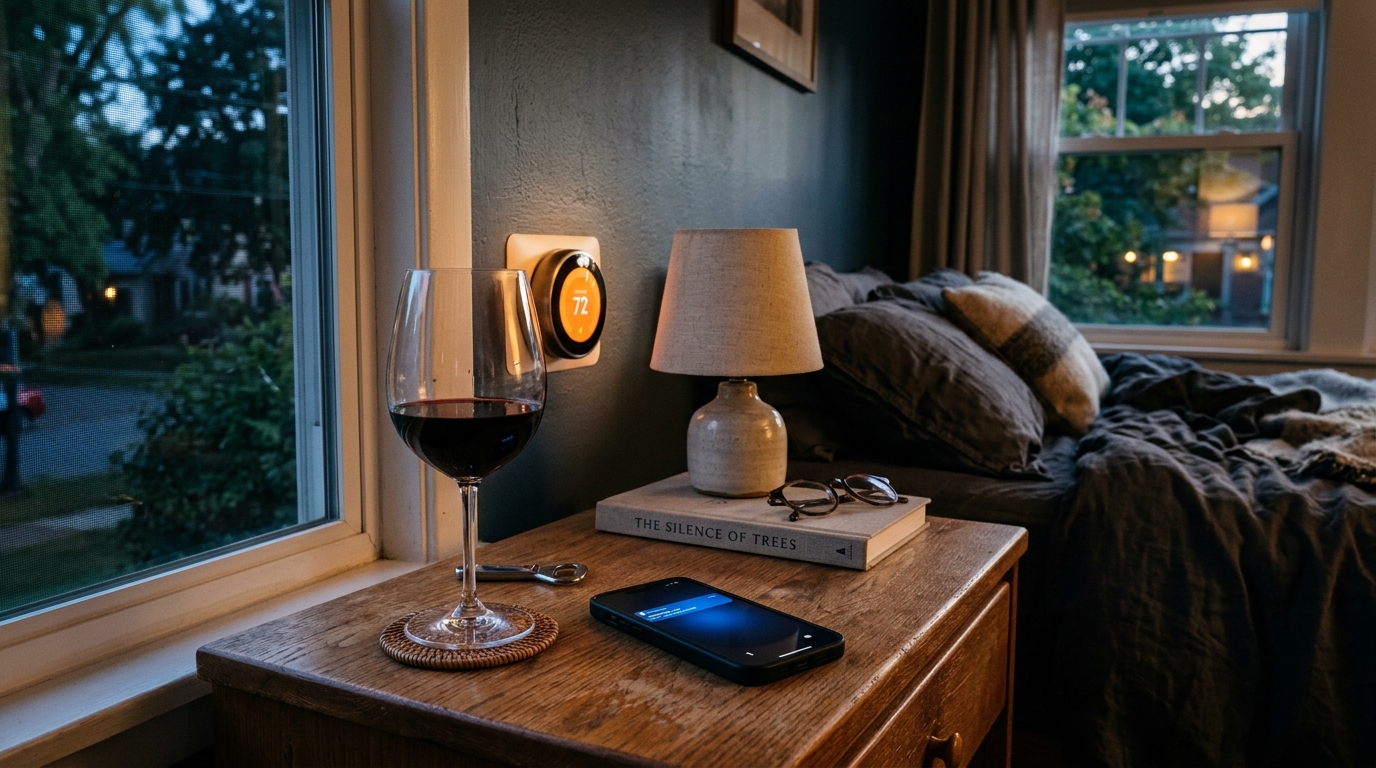
The culprits were everywhere once I started paying attention. The glass of wine with dinner that seemed relaxing but actually fragmented my sleep cycles three hours later. The bedroom that felt cozy but registered seventy-two degrees on the thermostat—warm enough to keep my core temperature elevated when it needed to drop for deep sleep. My phone lived on the nightstand, and even though I thought I wasn’t looking at it, the blue light from notifications was enough to suppress melatonin production.
Late dinners pushed my digestive system into overdrive just when everything else should have been winding down. Even my workout timing mattered—exercising after seven PM left my cortisol levels too high for the kind of nervous system calm that deep sleep requires.
But the biggest thief was stress I didn’t even recognize as stress. The mental loop of tomorrow’s tasks running in the background. The slight tension in my shoulders from sitting at a desk all day. The caffeine I’d had at two PM that I thought had worn off but was still circulating, keeping my adenosine receptors just active enough to prevent the deep drowsiness that leads to restorative sleep.
Stop settling for surface sleep when your body craves deep restoration.
The Search for Real Solutions
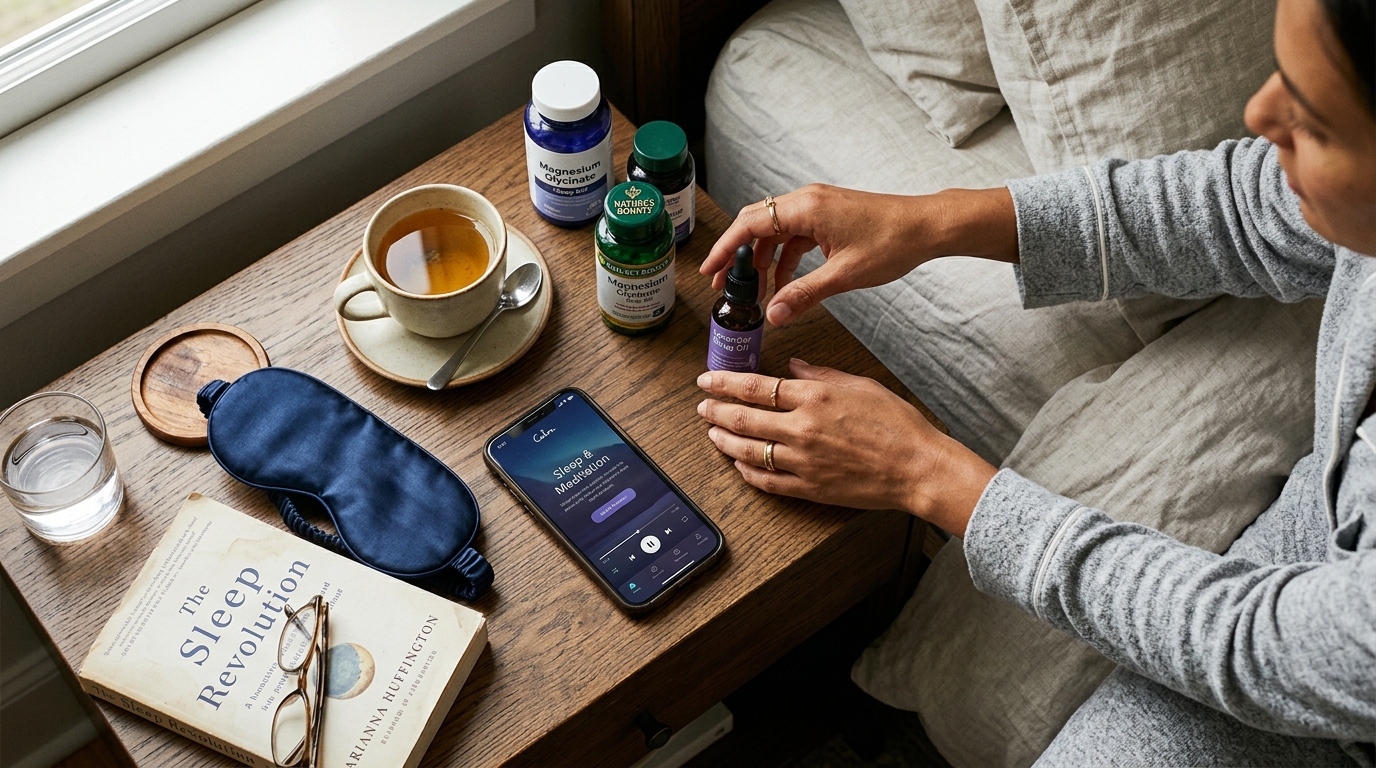
I tried everything the internet suggested. Magnesium glycinate before bed. Chamomile tea. Blackout curtains that made my room feel like a cave. White noise machines, weighted blankets, silk pillowcases. A meditation app that guided me through body scans until I could practically recite them myself.
Some of these helped with sleep onset—I could fall asleep faster. But the quality issue persisted. I’d still wake up feeling like I’d spent the night wrestling with something instead of resting.
The problem with most sleep aids is they focus on sedation rather than supporting the biological processes that create restorative sleep.
Getting drowsy isn’t the same as getting the kind of sleep that actually rebuilds you. Your body has specific hormonal rhythms and neurological patterns that govern deep sleep phases, and those systems need support, not just suppression of wakefulness.
Your growth hormone release deserves the deep sleep support it needs.
When I Found What Actually Worked

Everything changed when I discovered Resurge. Unlike other sleep supplements that simply make you drowsy, Resurge works with your body’s natural deep sleep biology. It supports the growth hormone release that happens during slow-wave sleep—the phase where cellular repair, immune system consolidation, and metabolic recovery actually occur.
The first night I tried it, I noticed the difference not in falling asleep, but in staying asleep. No 3 AM wake-ups with a racing heart. No tossing and turning in those early morning hours when deep sleep should be happening. I woke up feeling like something had actually been restored overnight.
What impressed me most was how it worked with my existing sleep hygiene, not against it. The magnesium and chamomile I was already taking became more effective. The cool bedroom and phone-free nightstand created an environment where Resurge could do its work supporting the deeper phases of sleep that had been eluding me.
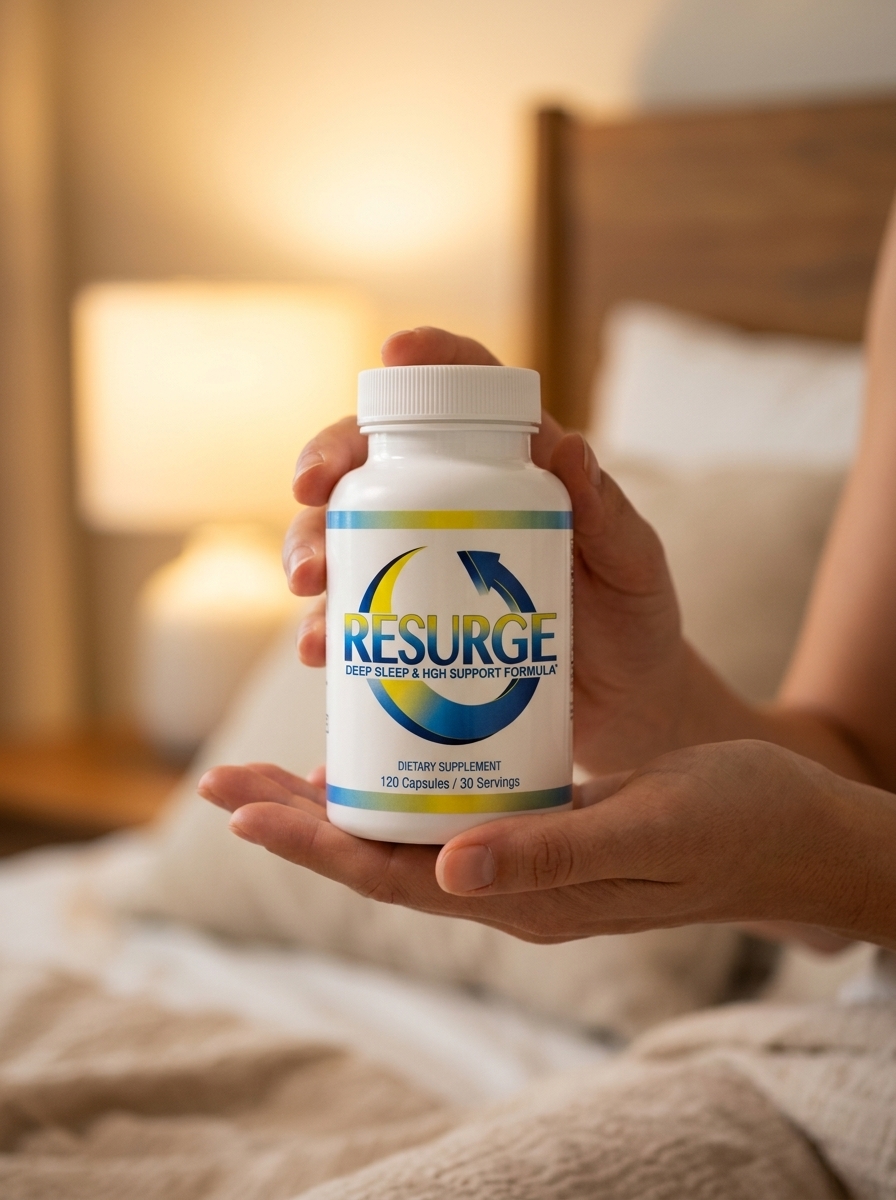
Deep Sleep, Real Recovery
Support the growth hormone release that happens during restorative slow-wave sleep phases.
Unlike typical sleep aids that just make you drowsy, Resurge works with your body’s natural deep sleep biology. It supports the cellular repair, immune consolidation, and metabolic restoration that only happen during true deep sleep phases. Wake up actually restored.
- ✓ Natural deep sleep support
- ✓ Growth hormone optimization
- ✓ Morning energy that lasts
The Morning Test

The real measure of sleep quality isn’t how you feel when you first wake up—most people need a few minutes to fully emerge from sleep, regardless of how well they slept. The real test is how you feel an hour after waking. Do you have energy that feels sustainable? Can you think clearly without needing caffeine immediately? Does your body feel ready for the day ahead?
With Resurge supporting my deep sleep phases, those morning hours transformed. I stopped needing that desperate first cup of coffee just to open my eyes properly. My skin looked brighter without any changes to my skincare routine.
Most surprisingly, my mood stabilized in ways I hadn’t expected. The afternoon irritability that used to hit around three PM simply stopped happening. Small inconveniences felt manageable again. It’s remarkable how much emotional resilience depends on whether your nervous system gets the deep restoration it needs each night.
Transform those restless nights into genuine cellular repair and renewal.
Building the Complete Stack
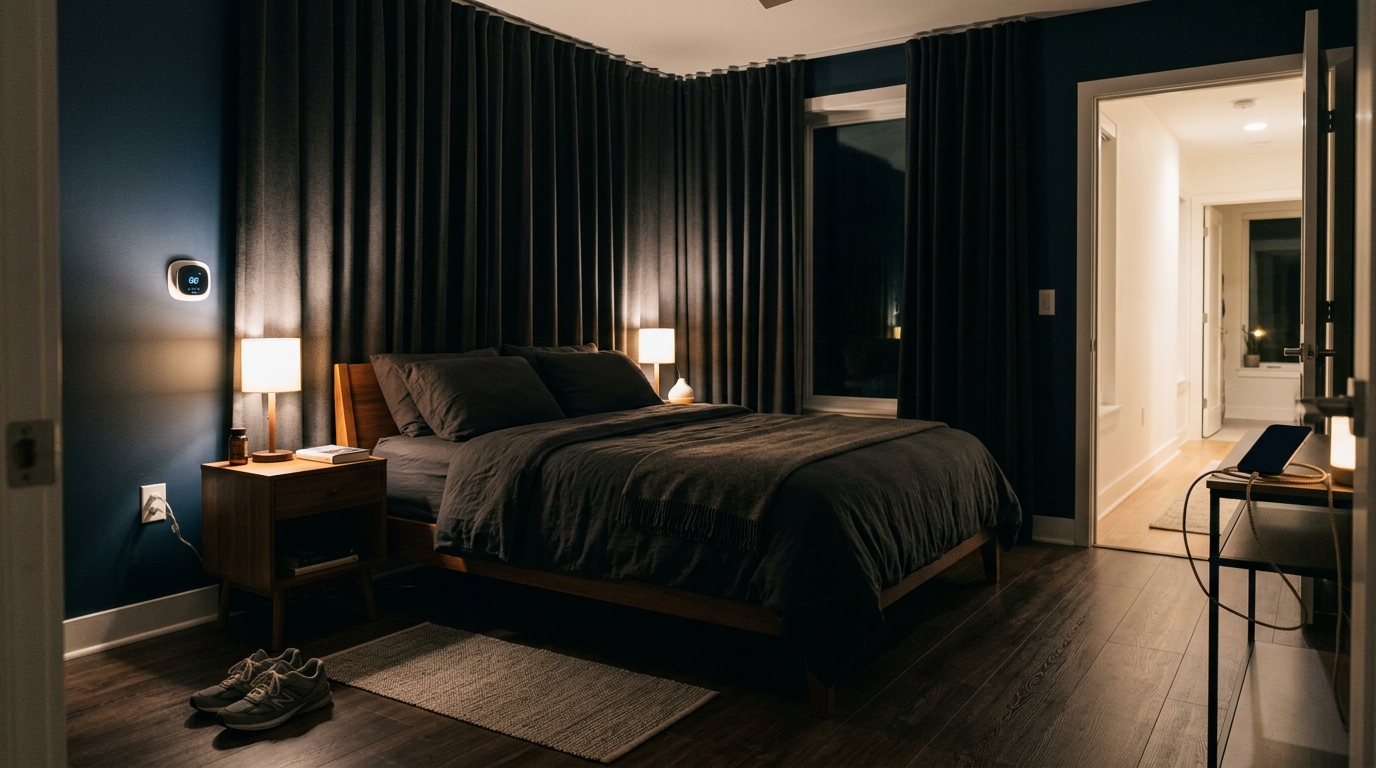
Resurge became the foundation, but I learned that deep sleep recovery works best as part of a complete approach. I kept the room cool—sixty-eight degrees became non-negotiable. I moved my phone to the kitchen and bought an actual alarm clock. Evening walks replaced evening workouts, giving my body gentle movement without the cortisol spike.
I also started paying attention to my eating rhythm. Dinner by seven PM, nothing substantial after eight. Not because of weight concerns, but because digestion and deep sleep compete for your body’s resources.
The combination created a sleep environment where Resurge could work optimally—supporting the growth hormone release and cellular repair processes that transform night hours from simple unconsciousness into actual restoration.
Give your body the deep sleep foundation it’s been asking for.
What Deep Sleep Actually Gives You

People talk about sleep like it’s just recovery time, but deep sleep is when your body does its most important work. Growth hormone gets released in pulses during slow-wave sleep phases, driving cellular repair and metabolic restoration. Your immune system consolidates the day’s learning, strengthening responses to threats it encountered. Your brain clears metabolic waste through the glymphatic system—essentially taking out the trash that accumulates during waking hours.
Without adequate deep sleep, none of these processes can complete fully. You wake up with yesterday’s fatigue still lingering, yesterday’s stress hormones still circulating, yesterday’s mental fog still clouding your thinking. It’s not just tiredness—it’s incomplete recovery at the cellular level.
With Resurge supporting these deep sleep phases, I started experiencing what sleep is supposed to provide. Mornings that felt genuinely fresh. Energy that lasted through the afternoon without crashing. A sense of mental clarity that didn’t require constant caffeine maintenance. Sleep became restorative again, rather than just a pause between days.
Now when people ask me about sleep tips, I tell them the truth: it’s not about hours in bed or falling asleep faster. It’s about supporting the biological processes that make sleep actually restore you. Deep sleep is where the magic happens, and sometimes your body needs help accessing those phases consistently. That’s exactly what I found in Resurge—not just better sleep, but the kind of sleep that actually rebuilds you.
Written by Liora Menden — for those who seek deep restoration
Morning vitality starts with supporting your natural deep sleep biology.