The first time I noticed it, I was squinting at my laptop screen in the late afternoon, feeling like I was looking through water. Not blurry exactly. Just… tired. Deep-down tired in a way that had nothing to do with how much sleep I’d gotten the night before.
I rubbed my eyes, adjusted my screen brightness, took a break. But the feeling lingered. This wasn’t the sharp fatigue of staying up too late or the dry irritation of too much screen time. This was something quieter, more persistent. Like my eyes were working harder than they used to, even for simple tasks.
At forty-three, I’d started noticing other small changes too. Reading restaurant menus in dim light had become a minor challenge. The transition from looking at my phone to focusing on something across the room took an extra beat. Nothing dramatic. Nothing that screamed “problem.”
Just the gradual shift that comes when the systems we’ve always counted on begin asking for more support.
The Energy Crisis Nobody Talks About
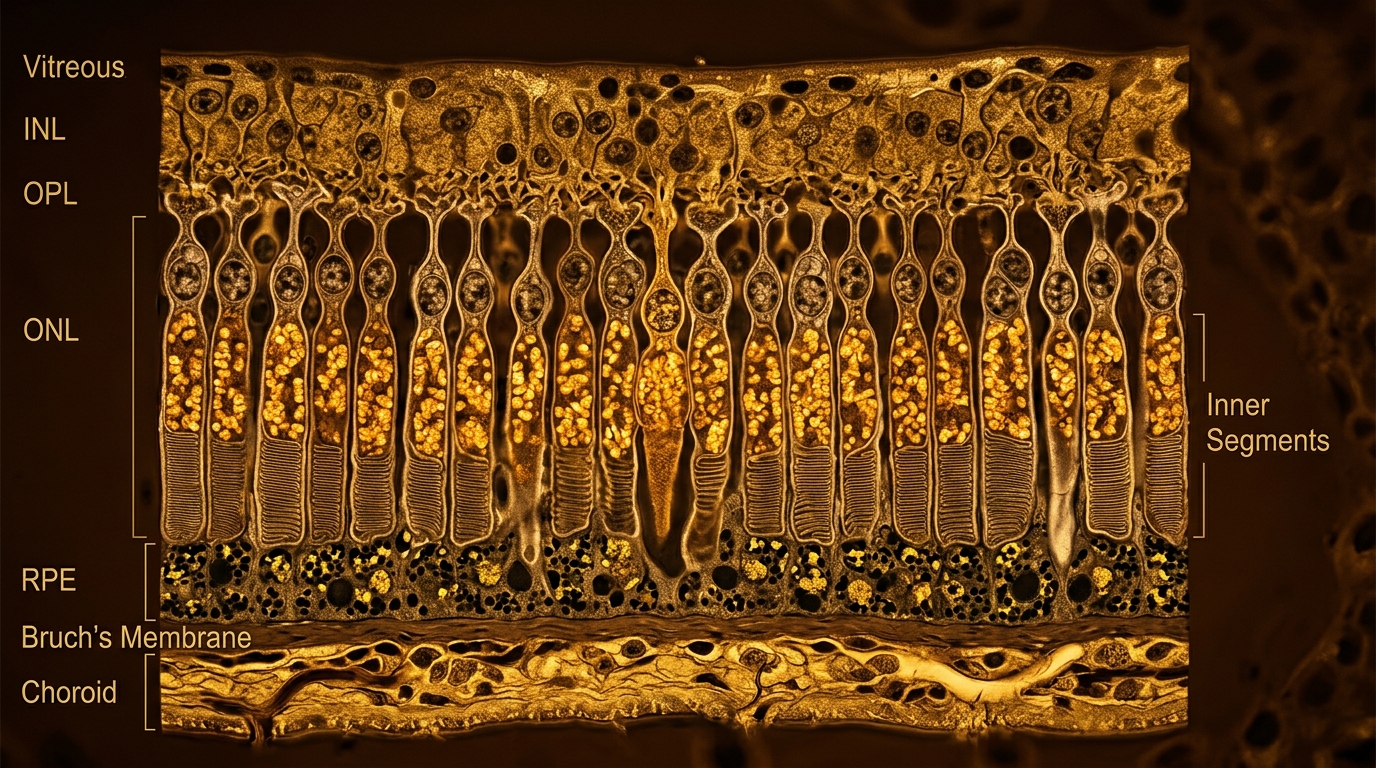
What I didn’t understand then was that my eyes weren’t just tired from use. They were tired from working without adequate cellular fuel. The retina—that thin layer of tissue at the back of your eye—contains some of the most metabolically active cells in your entire body. These photoreceptor cells are constantly converting light into electrical signals, processing millions of bits of visual information every day.
Think about it: your eyes never truly rest. Even when you sleep, they’re moving, processing dreams, maintaining the cellular machinery that makes vision possible.
They’re working around the clock, and that work requires enormous amounts of cellular energy.
The tiredness I was experiencing wasn’t laziness or overuse. It was energy depletion at the cellular level. My photoreceptors were asking for more fuel than my mitochondria could efficiently produce. And without addressing that core energy deficit, all the eye drops and screen breaks in the world wouldn’t solve the real problem.
Ready to fuel your vision with advanced mitochondrial support?
Why Standard Eye Care Misses the Mark
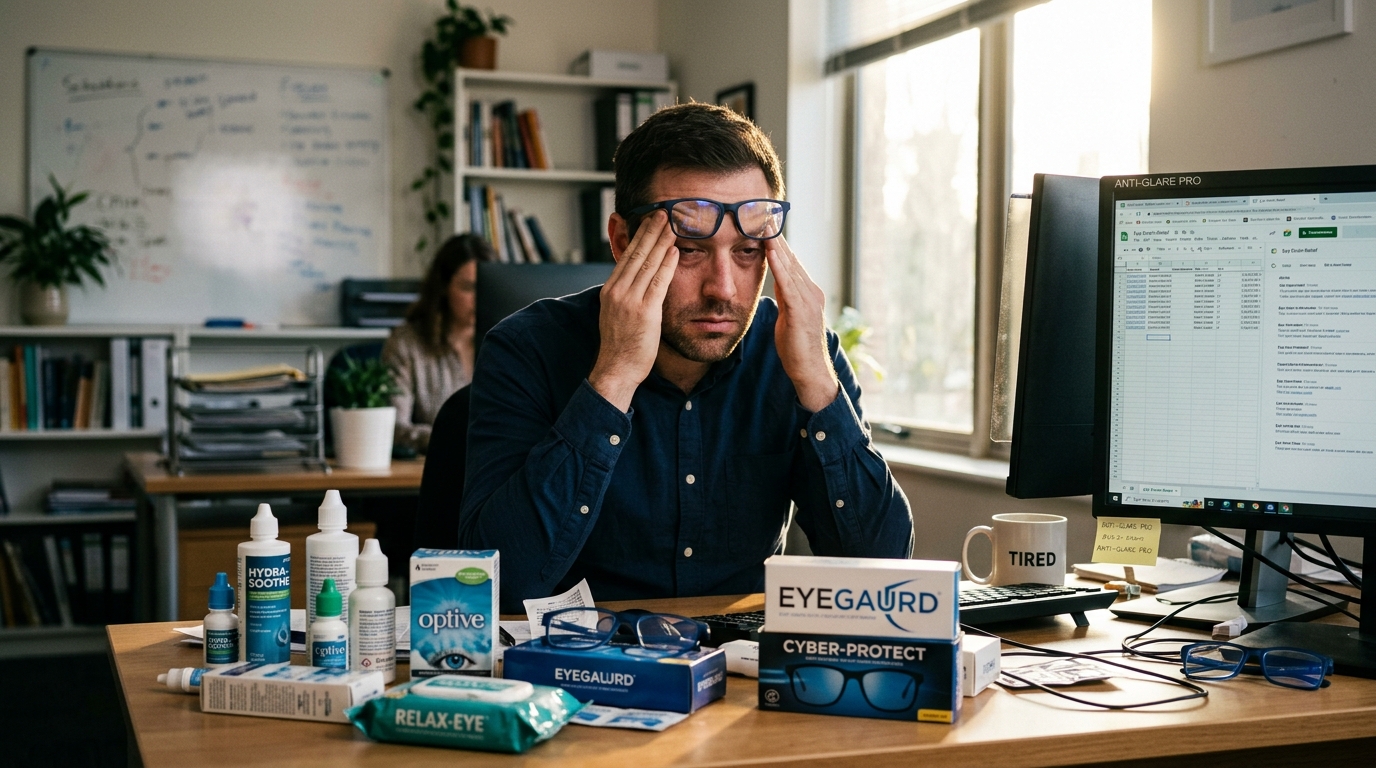
Most approaches to vision health focus on symptoms rather than cellular function. Blue light glasses, lubricating drops, regular breaks from screens—these aren’t wrong, but they’re addressing the effects, not the cause. They’re like putting a Band-Aid on a car that’s running out of gas.
I tried all the conventional recommendations first. Adjusted my workspace lighting, followed the 20-20-20 rule religiously, invested in high-quality computer glasses. These helped with immediate comfort, but they didn’t touch that underlying sense of visual fatigue.
By the end of the day, my eyes still felt like they’d been running a marathon.
The missing piece was energy production. Without supporting the mitochondria—the power plants inside every cell—I was essentially asking my visual system to perform high-level work with inadequate fuel. It’s like expecting an athlete to maintain peak performance while eating only crackers. The effort is there, but the cellular resources aren’t.
Standard eye vitamins often include lutein, zeaxanthin, and vitamin A—all important nutrients. But they rarely address the fundamental energy needs of retinal cells.
They support the structure of vision but ignore the engine that powers it.
Give your eyes the cellular energy they’re asking for.
The Mitochondrial Connection

The breakthrough in my understanding came when I learned about the unique energy demands of photoreceptor cells. These cells contain more mitochondria per cell than almost any other tissue in the body. They’re essentially tiny power plants, working continuously to convert light into the electrical impulses that become sight.
When mitochondrial function declines—whether from age, oxidative stress, or cellular damage—the quality of that energy conversion suffers. The cells can still function, but not optimally. Visual processing becomes less efficient.
The crisp clarity you once took for granted starts to fade, not because your eyes are broken, but because they’re working with inadequate power.
This is why focusing solely on external factors misses the deeper issue.
You can control lighting and reduce screen glare all you want, but if the cellular machinery processing that visual information is running on empty, you’ll still feel the strain. The fatigue I was experiencing wasn’t coming from overwork—it was coming from underperformance at the mitochondrial level.
Understanding this shifted my entire approach to eye health. Instead of just managing symptoms, I started thinking about how to fuel the system itself. How to give those hardworking photoreceptor cells the energy support they needed to maintain peak performance, even as I aged.
Experience what targeted mitochondrial nutrition can do.
Finding Real Cellular Support

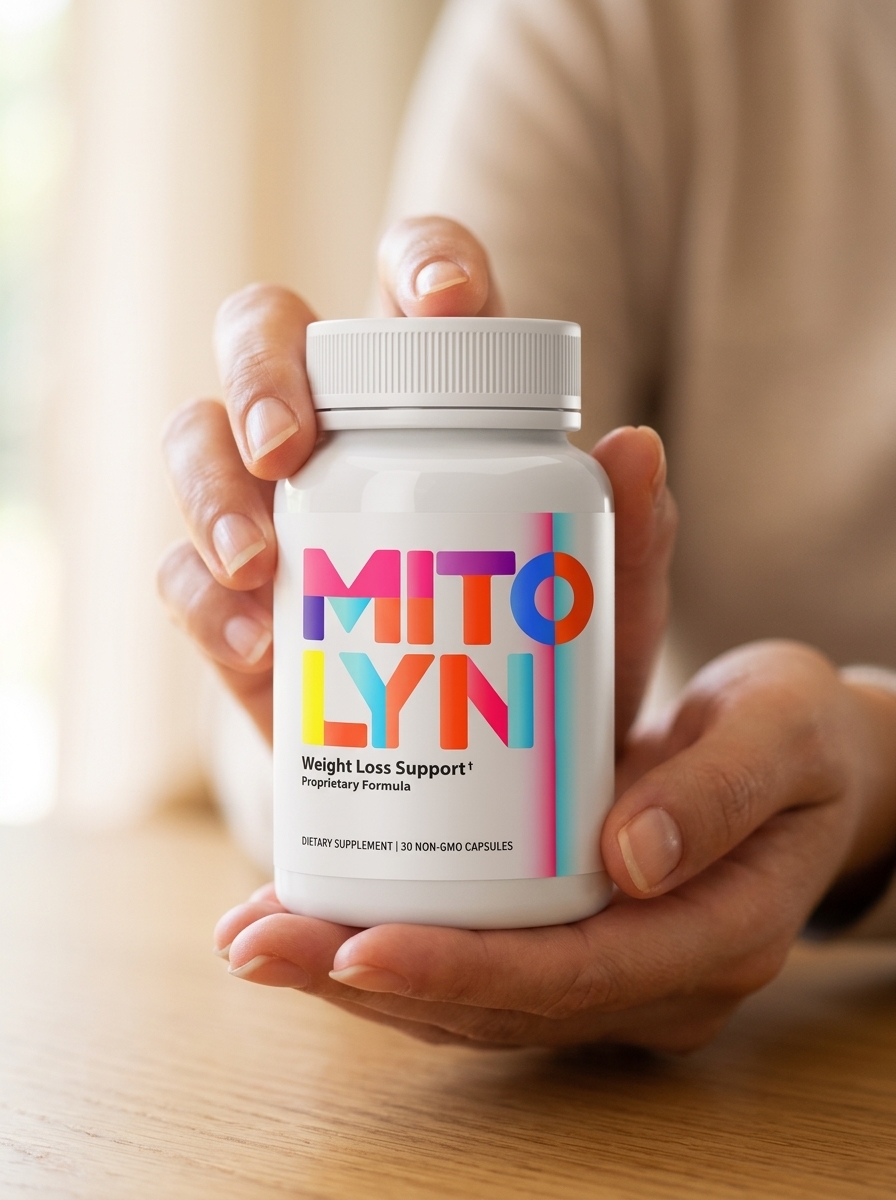
That’s when I discovered Mitolyn, and everything began to change. Unlike traditional eye supplements that focus on structural support, Mitolyn targets the energy production systems that power vision itself. The combination of maqui berry delphinidin and astaxanthin doesn’t just protect against oxidative damage—it actively supports mitochondrial function.
Maqui berry delphinidin is particularly fascinating for eye health. It’s one of the most potent anthocyanins available, with a unique ability to cross the blood-retinal barrier and support cellular energy production right where it’s needed most. Astaxanthin complements this beautifully, providing powerful antioxidant protection while supporting mitochondrial efficiency.
What impressed me most was how Mitolyn approached the problem from the cellular level up. Instead of just adding another layer of symptom management, it was addressing the fundamental energy deficit that was causing my visual fatigue in the first place.
This wasn’t about managing decline—it was about supporting optimal function.
Within the first few weeks of consistent use, I noticed the difference. Not dramatic, but unmistakable. That deep tiredness behind my eyes began to lift. Reading in lower light became easier again. The afternoon screen fatigue that had become my normal started to fade.
Fuel Your Vision Naturally
Advanced mitochondrial support that targets cellular energy where your eyes need it most.
Mitolyn combines maqui berry delphinidin and astaxanthin to support the energy-demanding photoreceptor cells in your retina. Unlike standard eye vitamins that focus on structure, Mitolyn fuels the mitochondrial powerhouses that make clear, comfortable vision possible—even as you age.
- ✓ Deep cellular energy that lasts all day
- ✓ Visual stamina without the afternoon fatigue
- ✓ Confidence in your eyes’ natural performance
The Morning I Knew It Was Working

Three months after starting Mitolyn, I had one of those moments that crystallize everything. I was reading the newspaper at the kitchen table—actual newsprint, not a screen—in the soft morning light filtering through the window. Suddenly I realized I wasn’t squinting. I wasn’t holding the paper at different angles to find the right focus.
I was just… reading. Comfortably. Naturally.
The visual stamina I’d taken for granted in my thirties was back.
Not completely—I’m realistic about aging—but significantly. Enough that I could trust my eyes to do their job without that constant underlying strain I’d grown accustomed to.
My afternoon computer work became markedly easier. That heavy feeling behind my eyes that used to set in around 3 PM largely disappeared. I could focus clearly from morning to evening without that sense of my visual system running on fumes. The improvement wasn’t just in how my eyes felt—it was in how efficiently they functioned throughout the entire day.
Even my night vision improved. Driving after dark, which had become slightly more challenging, felt more confident again. The halos around streetlights diminished. The time it took to adjust from bright to dim environments shortened.
These weren’t miraculous transformations, but they were meaningful improvements in daily function.
Stop managing symptoms and start supporting cellular function.
Beyond Symptom Relief

What Mitolyn gave me went beyond just addressing the tiredness in my eyes. It restored a sense of visual confidence I didn’t even realize I’d been losing. The subtle anxiety that comes with wondering if your eyes will keep up with your demands began to fade. I stopped second-guessing my vision and started trusting it again.
The cellular energy support seemed to create a positive cascade effect. Better mitochondrial function meant more efficient visual processing, which reduced strain, which allowed for better overall eye health. Instead of managing decline, I was actively supporting optimization.
I also noticed improvements in my overall energy levels. This makes sense when you consider that mitochondrial support doesn’t just benefit one system—it supports cellular function throughout the body. The same energy deficit affecting my eyes was likely impacting other areas as well. Addressing it comprehensively lifted my entire sense of vitality.
The peace of mind alone was worth it. Knowing that I was providing my visual system with the cellular support it needed to function optimally, rather than just hoping the symptoms wouldn’t get worse, changed my entire relationship with aging. It felt proactive rather than reactive.
Your visual confidence deserves the right cellular fuel.
A Different Way Forward

Now, a year later, supporting my mitochondrial health has become as routine as brushing my teeth. Mitolyn isn’t something I think about daily—it’s just part of how I take care of myself. The visual fatigue that once seemed like an inevitable part of getting older has become a non-issue.
I still use good lighting when I read. I still take breaks from screens. But these feel like conscious choices for comfort rather than desperate measures to manage dysfunction. My eyes work with me instead of against me, even as I continue to age.
The difference between managing symptoms and supporting cellular function is profound. One keeps you treading water; the other actually moves you forward. For my vision, Mitolyn was the difference between accepting gradual decline and actively supporting sustained performance.
The tiredness behind my eyes that sleep couldn’t fix turned out to be an energy problem, not a vision problem. Once I addressed it at the cellular level, everything else fell into place. My eyes don’t feel forty-four. They feel fueled, supported, and ready for whatever visual challenges lie ahead.
Written by Elias Menden — for those who seek clarity
Take the next step toward sustained visual energy.