Omega-3 for inflammation control still deserves its reputation. EPA and DHA are two of the most defensible supplement ingredients in this lane because they support a calmer inflammatory response, healthier cell membranes, and a steadier baseline for heart and joint recovery. But the strongest results usually happen when fish oil sits inside a broader recovery routine instead of being treated like a single heroic fix.
That distinction matters because many readers are not searching this phrase from a place of abstract curiosity. They are dealing with morning stiffness, achy workouts that linger too long, or a body that feels more reactive than it used to. They want the swelling to feel quieter, the edges to feel less hot, and the day to stop feeling like it starts halfway into recovery debt.
This refresh keeps the promise narrower and more believable. I am not treating omega-3s like a cure for inflammatory disease, and I am not pretending one supplement can replace an evaluation when pain, swelling, or fatigue cross into medical territory. I am treating omega-3s as a strong foundational option and then asking what else helps the whole system feel easier to recover inside.
Why do omega-3s help when inflammation keeps running in the background?
Omega-3s are useful because they change the raw material your body uses to build signaling compounds. That matters when the immune system keeps staying a little too loud after hard training, poor sleep, or a stressful week. The Office of Dietary Supplements at NIH notes that EPA and DHA play roles in heart health and inflammatory signaling, which is why fish, fish oil, and dietary patterns rich in marine fats keep showing up in this conversation. See NIH ODS on omega-3 fatty acids.

What I like about omega-3s is that the story stays practical. You can increase fatty fish, use a straightforward supplement, and watch whether the body feels less stiff and less touchy over time. That is a calmer promise than the usual inflammation marketing, and it is one reason this topic pairs naturally with our daily heart-support guide and our joint-mobility comparison.
Why is fish oil sometimes helpful but still not enough?
Because inflammation is usually not a single-input problem. A body can have enough fish oil on board and still feel rough if sleep is thin, meals are erratic, recovery is poor, and energy production is lagging. The National Center for Complementary and Integrative Health makes the same broader point in its omega-3 overview: these supplements may help in some contexts, but they work best as part of an overall health plan rather than as a stand-alone rescue. See NCCIH on omega-3 supplements.
That broader plan is what separates qualified traffic from casual browsing. The reader who converts here usually does not want more hype. They want help understanding where fish oil fits, when it is worth staying with, and what kind of support makes sense when the body feels inflamed and underpowered at the same time.
For readers whose soreness overlaps with low mental energy, there is also a useful bridge into our omega-3 alternatives page and the more energy-focused logic in our brain fog and heart-health explainer. Search intent here is often more whole-body than the query sounds.
Which readers usually see the clearest benefit from omega-3 support?
The clearest fit is the reader whose inflammation feels steady rather than dramatic. They wake up a little stiff, recover slowly from exercise, notice more background soreness after long workdays, and feel better when meals are cleaner and sleep is stronger. Those are the kinds of patterns where consistency with fish oil and food quality tends to make more sense than chasing an aggressive cleanse or recovery shortcut.
I also think omega-3s fit best when the person can describe the signal they are trying to soften. Joint irritation, cardiovascular support, and general inflammatory drag are all slightly different use cases. The better the page gets at naming those lanes, the better it performs for both trust and search intent.

What habits make omega-3 support work better?
The basics still matter more than the label does. Two servings of fatty fish per week, better hydration, enough protein to recover, and a sleep schedule that does not keep borrowing from tomorrow all make fish oil feel more effective. I would also rather see someone tighten those basics than start stacking five anti-inflammatory products that all promise the same thing in slightly louder language.
- Use omega-3s consistently: the benefit is cumulative, not dramatic.
- Lower the obvious inflammatory load: better sleep, steadier meals, and less alcohol usually matter more than a trend ingredient.
- Watch for symptom escalation: new swelling, fever, chest symptoms, or major functional decline need medical care rather than more supplement experimentation.
That last point is important on a health site. If inflammation looks sudden, severe, or systemic, trust rises when the page says that plainly instead of trying to hold the reader inside a supplement funnel.

How long should I give an omega-3 routine before judging it?
Longer than a weekend. Fish oil is a pattern-support supplement, not an instant sensation product. I tell readers to judge it over weeks, not over a single dramatic day. That means noticing whether stiffness is a little quieter, whether the body feels less reactive after training or travel, and whether recovery requires less brute force than it did before the routine tightened up.
This is another place where the page needs to protect the reader from overpromising. If someone is waiting for a supplement to create a giant feeling by tomorrow, they are likely to hop from product to product without learning anything useful. A steadier expectation makes it easier to see whether the support is genuinely helping.
I also think the best audit question is simple: what is happening on the ordinary days? If knees feel less creaky getting out of the car, if hands feel looser by midmorning, or if a hard workout stops hijacking the next day, that matters more than a dramatic before-and-after story. The body usually tells the truth through repetition, not spectacle.

Where does Mitolyn fit if omega-3s are already the foundation?
Mitolyn fits the reader whose inflammation story also looks like an energy story. They are not only puffy or achy. They also feel slower to bounce back, more depleted after ordinary work, and more likely to carry that drained feeling into the next day. In that situation, a mitochondria-support angle can make more sense than piling up more anti-inflammatory claims.
I am careful with that framing because it keeps the recommendation believable. Fish oil still carries the main query. Mitolyn simply becomes the one product card on the page for the reader whose calmer-recovery goal also includes steadier cellular energy.
That is why the revenue path works better once the page stops trying to sell six versions of the same promise. Omega-3s remain the anchor answer for the query. Mitolyn is the optional extension for the reader whose soreness, low energy, and slow rebound all keep arriving together. That is a cleaner story, and cleaner stories usually convert better than louder ones.
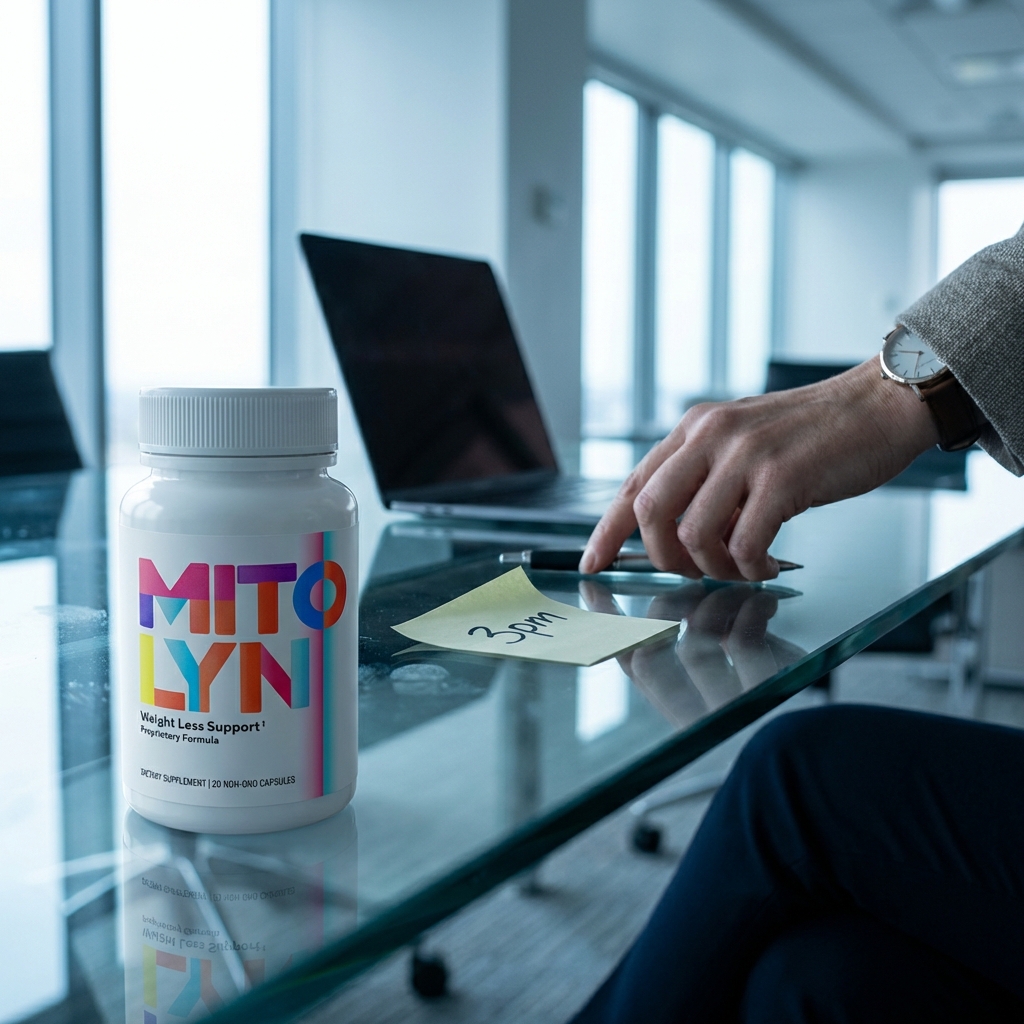
One product card is enough. If the article has done its sorting well, the reader can decide from there without getting chased down the page by more buttons.
What is the simplest way to think about omega-3 for inflammation control?
Think of omega-3s as the foundation and the rest of the routine as the amplifier. Fish oil can help, but it lands better when the day is not working against it. That is why I would rather give the reader one precise product path, several useful internal next reads, and a short list of habits that reduce background inflammatory noise.
The page is stronger now because it keeps the search intent intact, adds authoritative citations, widens the question-led coverage, and removes the old repeated-call-to-action clutter. That combination is better for trust, better for qualified traffic, and better for the one revenue path that actually belongs here.
If you remember only one thing from this page, let it be this: omega-3 for inflammation control is usually a consistency play. It belongs beside regular meals, restorative sleep, and a recovery rhythm that the body can actually repeat. That is a more useful promise than any claim that tries to make one ingredient do the whole job alone.
Written by Elias Menden for readers who want recovery to feel calmer, not louder.