The morning I turned 35, I woke up feeling exactly like I had at 34. No dramatic shift, no sudden awareness of mortality — just Tuesday morning in March, coffee brewing, same body in the same bed. But over the following months, something quiet was happening. The kind of change that doesn’t announce itself but accumulates in small moments until you can’t ignore the pattern anymore.
Recovery took longer. Not dramatically — an extra day to bounce back from a hard workout, an extra hour to feel sharp after poor sleep. My energy had a different quality, like a phone battery that still reached 100% but drained faster than it used to. I found myself making small accommodations without consciously deciding to: choosing the elevator over stairs, skipping the evening walk, reaching for another cup of coffee at 3 PM.
Most people I knew were having similar conversations. “This is just what happens,” they’d say with resignation. “Welcome to your thirties.” But something in me rejected that narrative. I’d spent my twenties assuming my body would maintain itself indefinitely. Now, at 35, I was ready to become an active participant in my own vitality.
The Moment I Decided to Fight Back

The turning point came on a Saturday in June. I was playing basketball with some friends — something I’d done hundreds of times before. Halfway through the second game, my legs felt heavy in a way that had nothing to do with fitness. I was breathing fine, my form was solid, but my body felt like it was working through molasses. I sat on the sideline watching guys five years older than me move with the ease I remembered having just months earlier.
That night, I made a decision that would reshape the next three years of my life. Instead of accepting this as the beginning of inevitable decline, I would treat it as a problem to solve.
Not with the desperate energy of someone fighting against time, but with the methodical curiosity of someone learning how his body actually worked. I was done coasting on genetic momentum.
The research began immediately. Not the kind of surface-level googling that leads you down rabbit holes of conflicting advice, but deep dives into cellular biology, mitochondrial function, and the science of aging. I wanted to understand what was happening at the most fundamental level — why my cells weren’t producing energy the way they used to, and what I could do about it.
Ready to stop accepting decline as inevitable?
What I Learned About Energy at the Cellular Level
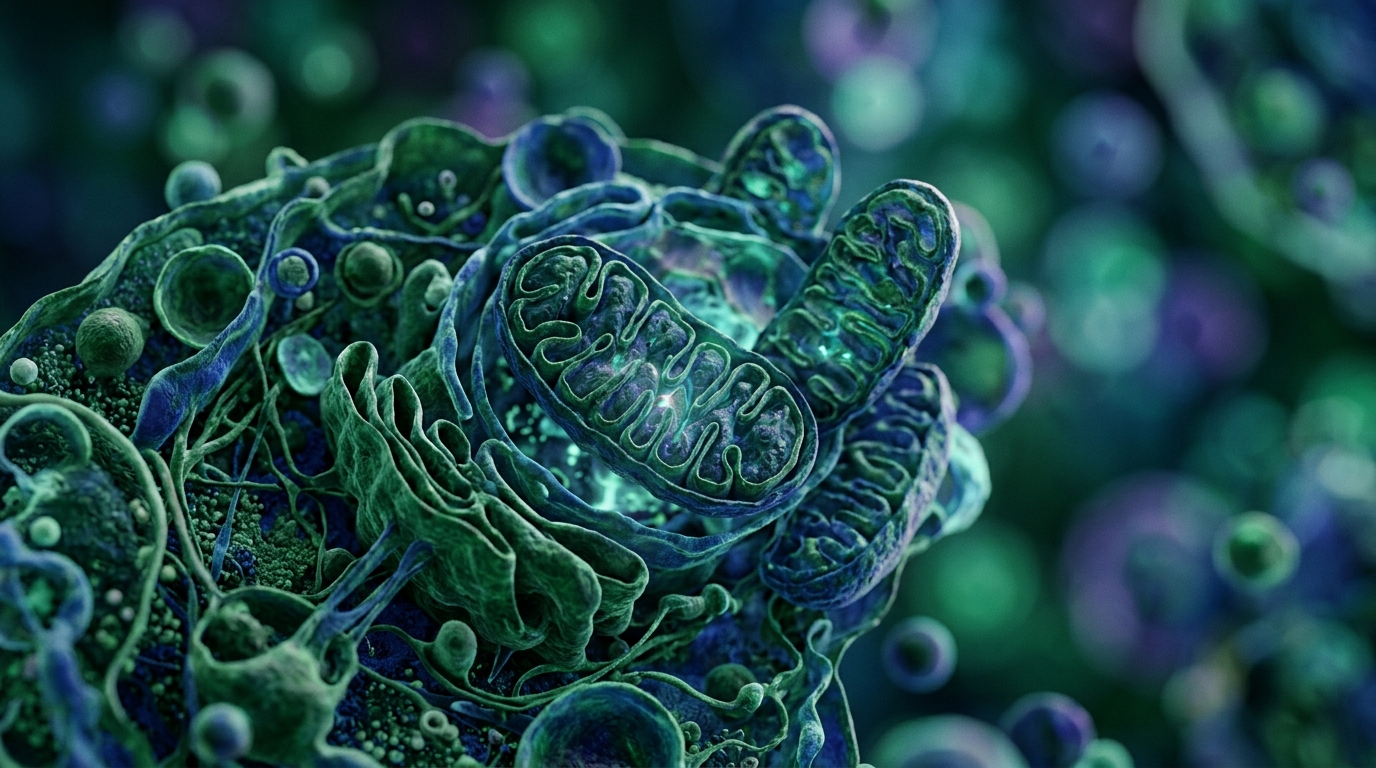
The deeper I went, the clearer it became that energy isn’t just about eating enough calories or getting enough sleep. It’s about mitochondria — those tiny powerhouses in every cell that convert nutrients into the chemical energy your body can actually use. At 35, your mitochondria don’t just slow down randomly. They respond to signals: oxidative stress from environmental toxins, inflammation from poor diet choices, and the accumulated wear of decades without adequate cellular support.
But here’s what fascinated me: mitochondria aren’t fixed entities. They can regenerate, multiply, and become more efficient with the right inputs. The scientific term is mitochondrial biogenesis — basically, your body’s ability to build new, better mitochondria. This wasn’t about reversing aging; it was about optimizing the cellular machinery that determines how energetic you feel day to day.
I started thinking about my body like a performance engine that had been running on basic maintenance for 35 years. Not broken, just underoptimized. The question wasn’t whether I could get back to where I was — it was whether I could build something better than what I’d started with. That shift in perspective changed everything about how I approached the next phase of my life.
Your cells are waiting for the support they need to rebuild.
The Three Changes That Started Everything

I didn’t overhaul my entire existence overnight. Instead, I made three specific changes, each one targeting a different aspect of cellular health. First was sleep architecture — not just getting eight hours, but optimizing the quality of those hours. I invested in blackout curtains, kept my bedroom at 67 degrees, and established a wind-down routine that actually prepared my nervous system for deep rest.
Second was movement patterns. Not more exercise, but smarter exercise. Instead of grinding through workouts that left me depleted, I focused on activities that built mitochondrial density: moderate-intensity cardio that pushed my aerobic capacity, resistance training that challenged my muscles without overwhelming my recovery systems, and regular walking that kept my metabolism active throughout the day.
Third was nutritional timing. I started paying attention to when I ate as much as what I ate. Intermittent fasting wasn’t about weight loss — it was about giving my cells regular periods to focus on repair and regeneration instead of constantly processing incoming food. The combination of these three changes created a foundation, but I could sense there was still something missing.
Transform how you think about aging starting today.
The Discovery That Changed My Cellular Game

Six months into this experiment, I was feeling better but not transformed. The improvements were real but incremental — like upgrading from a struggling phone to one that worked properly, but wasn’t particularly impressive. I knew I needed something that could directly support mitochondrial function at the supplement level, but I’d tried generic CoQ10 and basic antioxidants without seeing dramatic results.
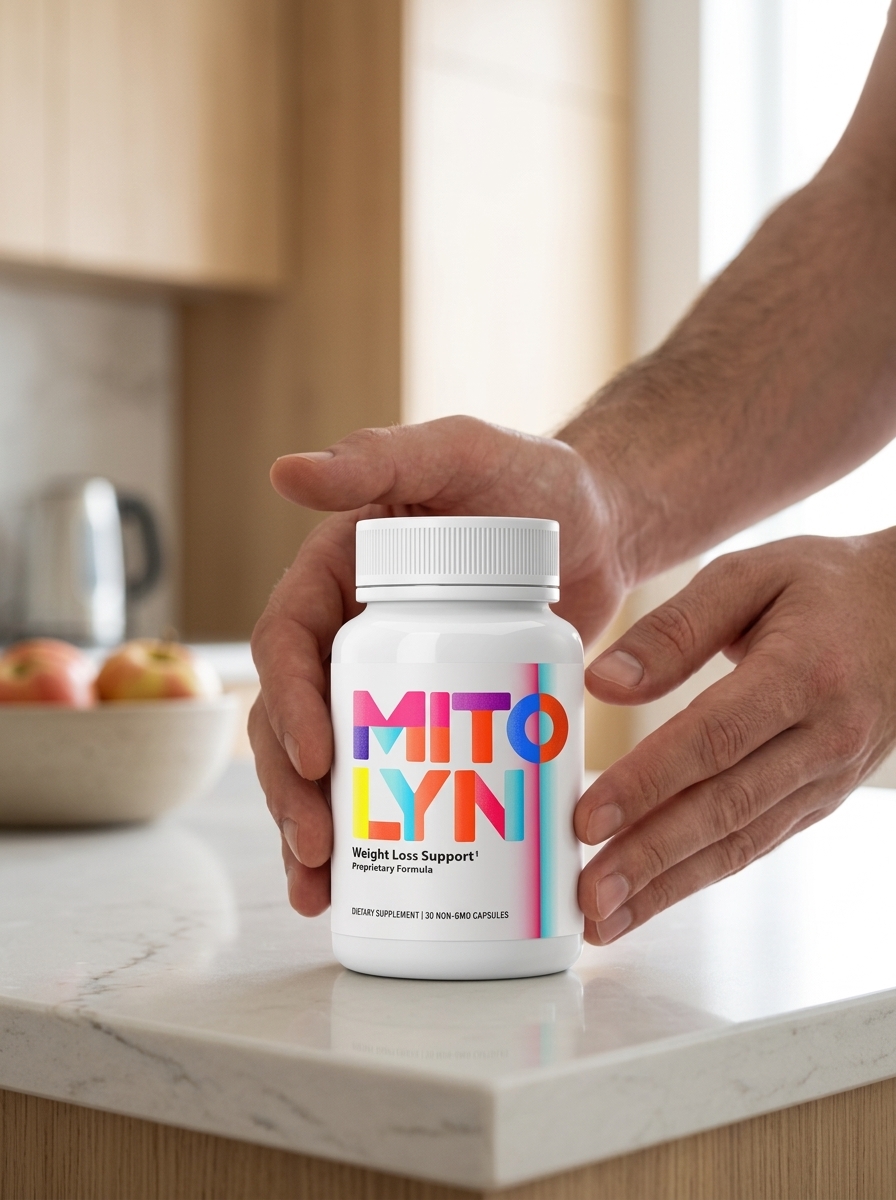
That’s when I discovered Mitolyn. What caught my attention wasn’t the marketing — it was the specific combination of compounds targeting different aspects of mitochondrial health. Maqui berry delphinidin for promoting the growth of new mitochondria, astaxanthin for protecting mitochondrial membranes from oxidative damage, and rhodiola for optimizing how my cells respond to stress.
The science made sense, but what convinced me to try it was realizing that I’d been thinking about cellular support too narrowly.
I was addressing sleep and exercise and nutrition, but I wasn’t giving my mitochondria the specific nutrients they needed to actually rebuild and multiply. Mitolyn filled that gap — not as a magic solution, but as the missing piece of a comprehensive approach.
Cellular Energy Rebuilt
Support your mitochondria with science-backed compounds that optimize cellular power generation.
Mitolyn combines maqui berry delphinidin for mitochondrial biogenesis, astaxanthin for membrane protection, and rhodiola for stress response optimization. Three targeted compounds working together to restore the cellular energy you had in your twenties — with the wisdom you have now.
- ✓ Mental clarity that lasts all day
- ✓ Physical energy without the crash
- ✓ Reliable recovery you can count on
What Changed After Adding Mitochondrial Support

The first thing I noticed wasn’t energy — it was mental clarity. About three weeks into taking Mitolyn consistently, I realized I wasn’t reaching for that afternoon coffee anymore. Not because I was forcing myself to avoid it, but because I didn’t need it. My brain felt stable and focused from morning until evening, without the peaks and valleys I’d grown accustomed to.
The physical energy followed about a month later. Not the jittery rush of caffeine or the temporary boost of a pre-workout supplement, but a steady, reliable sense of capability. I could play basketball for two hours without that heavy-legged feeling. I could work intensely all day and still have energy for an evening walk. Most importantly, my recovery became predictable again — good sleep meant waking up actually refreshed.
But the change I’m most grateful for is harder to quantify. There’s a confidence that comes with trusting your body to show up when you need it to. At 35, I was starting to make small compromises based on uncertainty about how I’d feel. Now, at 38, I make plans based on knowing my energy will be there to support them. That shift in self-trust affects everything from career decisions to weekend adventures.
Experience the confidence of reliable energy again.
How I Think About Aging Now
Three years into this experiment, I have a completely different relationship with getting older. Instead of seeing age as something that happens to me, I see it as something I participate in. Every morning, I make choices that either support my cellular health or undermine it. The compound effect of those choices determines whether I age gracefully or grudgingly.
The data backs this up in ways that surprised me. My resting heart rate is lower than it was at 30. My strength-to-weight ratio has improved every year since 35. My sleep efficiency — the percentage of time in bed actually spent sleeping — is better now than it was in my twenties. These aren’t accidents or genetic luck; they’re the result of consistent investment in cellular function.
I’ve stopped thinking about peak performance as something that belongs to youth. Instead, I think about optimization as something that becomes more important and more rewarding with age. The systems that maintained themselves automatically in my twenties now require intentional support. But that support — the sleep protocols, the movement patterns, the mitochondrial nutrition — doesn’t just maintain what I had. It builds something better.
Your thirties don’t have to mean compromise and decline.
The Person I’m Becoming at 38

When people ask me what changed, they expect a simple answer. A supplement, a diet, a workout routine. But the real transformation happened when I decided that feeling great wasn’t something I’d outgrown. That decision led me to Mitolyn, yes, but it also led me to treat my body as a partner rather than a possession that would inevitably break down.
I wake up every morning with the same energy I had at 28, but with the wisdom and patience I’ve gained in the decade since. My body feels reliable in a way it didn’t even when I was younger — not because it’s invincible, but because I understand how to take care of it. The basketball games are more enjoyable because I show up fully present instead of worrying about how I’ll feel afterward.
At 38, I’m not trying to be 25 again. I’m trying to be the best version of 38 possible — someone who has figured out how to support his cellular health so thoroughly that aging becomes an advantage rather than an obstacle.
Someone who proves that getting older doesn’t have to mean getting tired. Three years ago, I refused to accept decline as inevitable. Today, I’m living proof that it’s not.
Written by Elias Menden — for those who seek cellular vitality
Build the cellular foundation for decades of strength ahead.