I used to think recovery was something that just happened. You’d push through a tough workout, sleep it off, and wake up ready to go again. Your knees didn’t protest when you stood up from your desk. Your shoulders didn’t remind you of yesterday’s yard work with every reach overhead.
Then somewhere in my forties, my body started keeping a different kind of score. The bounce-back became a slow crawl. The stiffness lingered longer. And I found myself doing that thing where you test your joints before you fully commit to a movement — rolling your ankle before you step down, flexing your fingers before you grip something heavy.
That’s when I realized recovery isn’t just about rest. It’s about giving your body the raw materials it needs to actually repair what gets worn down every single day.
The Silent Conversation Happening Inside Your Joints
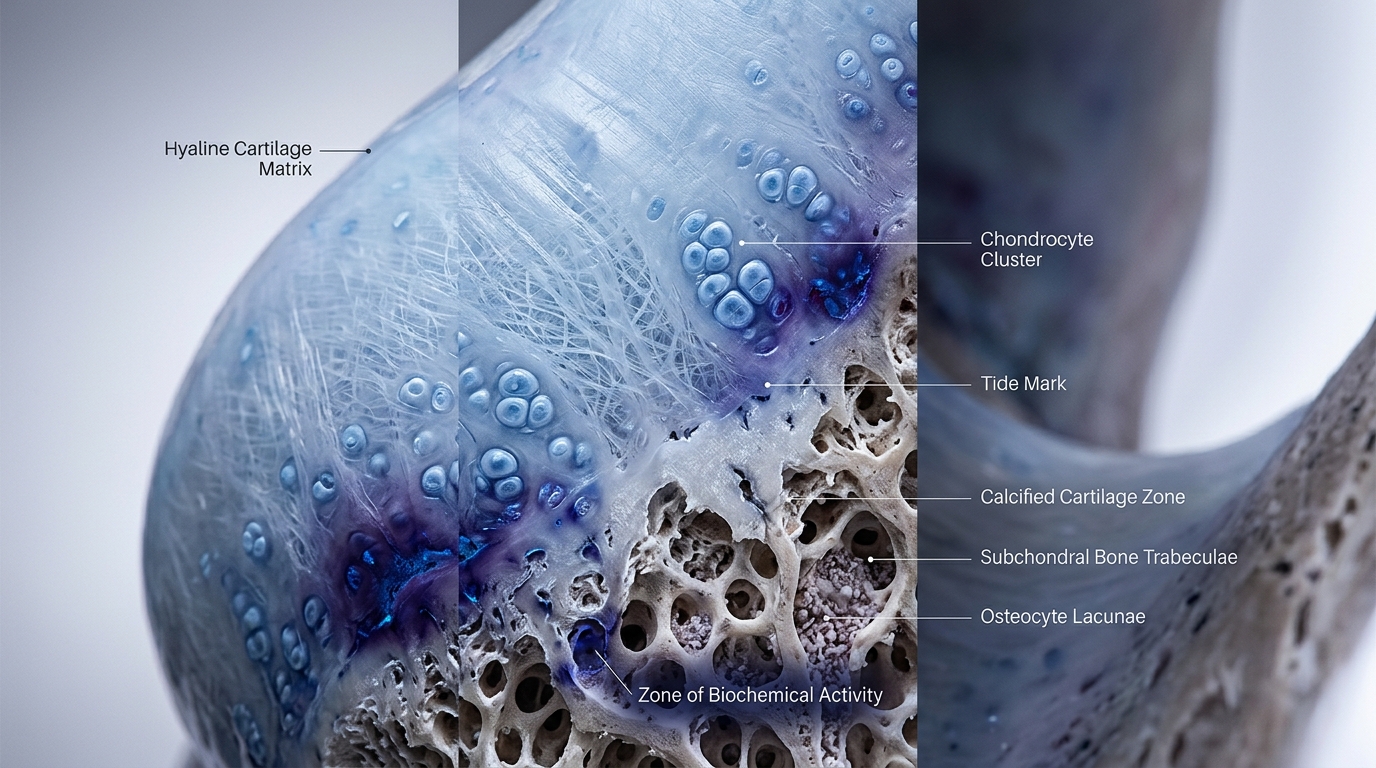
Every step you take, every box you lift, every time you pivot or bend, your joints are having an intense biochemical conversation. Cartilage cells are signaling for repair. Synovial fluid is trying to maintain its cushioning properties. Inflammatory markers are either ramping up the damage or calming things down.
Most of us never think about this conversation until it gets loud enough to hurt. But here’s what I learned: the quality of that conversation depends entirely on what you’re feeding your cells at the molecular level.
Joints don’t just wear out from use — they wear out from lack of the specific nutrients that keep the repair process running smoothly. The breakthrough moment came when I understood that inflammation isn’t the enemy. Acute inflammation is actually part of healing. It’s chronic, low-grade inflammation that becomes the problem. The kind that keeps your joints in a constant state of irritation, never quite getting the chance to fully recover.
Your joints are ready for better recovery support than they’re getting
Why Your Body Craves What It Can’t Make

Your body is remarkably good at manufacturing what it needs — except when it comes to certain essential fatty acids. These are the molecular building blocks that your cells use to create powerful anti-inflammatory compounds. But here’s the catch: your body literally cannot produce them on its own.
Think of it like trying to build a house when someone keeps stealing your bricks. Your joints want to repair themselves, but without the right fatty acids, the inflammatory process gets stuck in the “on” position. The repair crew shows up, but they don’t have the materials to actually fix anything.
This is where most people make the mistake of thinking all inflammation is bad and try to shut it down completely with medications. But what your joints really need is the molecular tools to resolve inflammation naturally — to let it do its job and then turn itself off.
Give your body the essential building blocks it cannot make itself
The Recovery Connection Most People Miss

Here’s what nobody told me about recovery: it’s not just about muscle repair. Your joints, tendons, and ligaments are recovering from micro-damage too, but they do it at a much slower pace than muscle tissue. While your muscles might bounce back in 24-48 hours, your cartilage and connective tissues are working on a weeks-to-months timeline.
This means that every day you don’t support joint recovery, you’re falling a little further behind. The small irritations accumulate. The repair processes get overwhelmed.
Eventually, what used to be a minor inconvenience becomes a daily limitation.
I started paying attention to how my body felt not just immediately after activity, but 24 hours later, 48 hours later. That’s when I noticed the pattern: the stiffness wasn’t random. It was predictable, progressive, and directly related to how well my joints were actually recovering from the demands I was placing on them.
Stop settling for slow recovery when complete restoration is possible
What Changed When I Finally Got This Right

The turning point came when I found Joint Genesis. Not because it promised immediate relief — honestly, I was skeptical of anything that sounded too good to be true. But because it addressed the underlying biochemistry of joint recovery in a way that actually made sense.
Instead of just masking symptoms, Joint Genesis works with your body’s natural inflammatory resolution pathways. It provides the specific fatty acids and supporting compounds that your joints need to complete the recovery cycle — to move from damage to repair to full restoration.
The first thing I noticed wasn’t less pain. It was that my morning stiffness started resolving faster.
Instead of taking twenty minutes to feel like myself, it was down to five or ten. My joints felt more… fluid. Like they were remembering how to move the way they used to.
Experience the difference when your joints get proper molecular support
The Science Behind What Actually Works
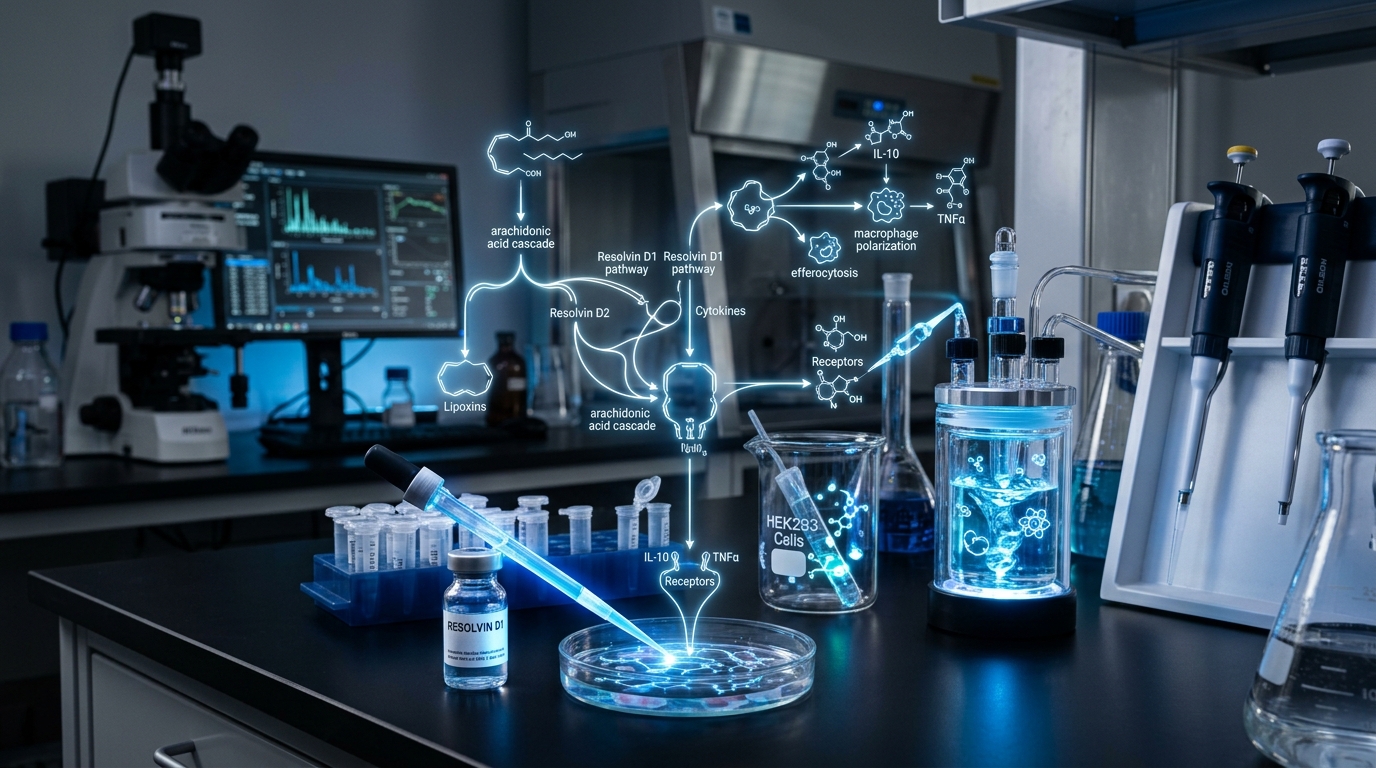
Here’s what I learned about the fatty acids that make the difference: it’s not just about omega-3s, though those are important. Your joints need a complete spectrum of anti-inflammatory compounds, including specialized pro-resolving mediators that actually help your body turn off inflammation once the repair work is done.
Joint Genesis contains a carefully balanced combination of these essential fatty acids, plus complementary nutrients like Mobilee® and French maritime pine bark extract that support the entire inflammatory resolution process. It’s not just throwing random anti-inflammatory ingredients at the problem — it’s supporting your body’s natural ability to heal and recover.
What makes this approach different is that it works with your biology, not against it. Instead of suppressing inflammation completely, it helps your body use inflammation effectively for healing, then resolve it completely when the job is done.
Your Recovery Revolution Starts Here
Give your joints the molecular tools they need to repair, restore, and keep moving forward.
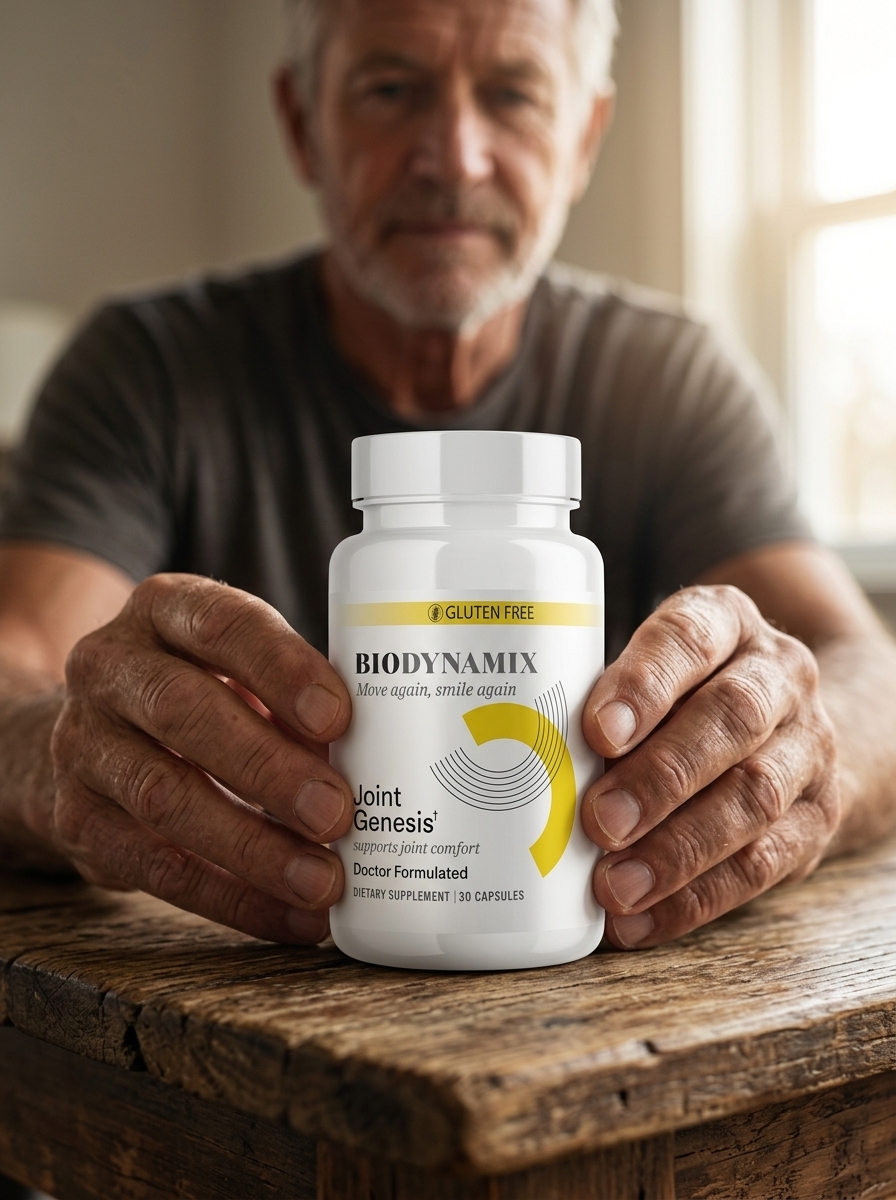
Joint Genesis provides the essential fatty acids your body can’t make on its own — the building blocks for natural inflammatory resolution and complete joint recovery. Support your body’s repair cycle with science-backed nutrition that works with your biology, not against it.
- ✓ Morning stiffness dissolves faster
- ✓ Movement feels fluid and confident again
- ✓ Recovery keeps pace with your active life
The Recovery Timeline That Changed Everything

After about three weeks of consistent use, something shifted. I noticed it first during my weekend hikes — my knees weren’t sending warning signals on the descent. Then during yard work — my back and shoulders felt stable, supported, even after hours of digging and lifting.
But the real test came during a particularly demanding week where I helped a friend move, worked late in the garden, and still maintained my regular exercise routine. In the past, that combination would have left me hobbling for days.
Instead, I woke up feeling like my joints had actually kept up with my ambitions.
The recovery wasn’t just faster — it was more complete. Instead of that lingering low-grade stiffness that used to be my baseline, my joints felt genuinely restored. Like they were ready for whatever I wanted to ask of them.
Your active life deserves joints that can keep up confidently
What Your Joints Are Really Asking For

After months of paying attention to how my body responds to different demands, I realize my joints were never asking for less activity. They were asking for better recovery support. They wanted to keep doing all the things I love — they just needed the nutritional foundation to repair and restore properly.
This is why Joint Genesis became such an obvious choice. It’s not about limiting what I do or accepting that discomfort is just part of aging. It’s about giving my joints what they actually need to stay healthy, mobile, and resilient for the long term.
Your body wants to move. Your joints want to function smoothly. Sometimes they just need the right molecular tools to keep up with your life.
When you provide those tools consistently, recovery stops being something that maybe happens and becomes something you can count on.
Transform your morning mobility test from concern to confidence
The Morning Test That Tells You Everything

These days, I have a simple way to gauge how well my joints are recovering: how I feel in those first few steps out of bed. Not the immediate shock of getting vertical — but how quickly everything settles into smooth, confident movement.
Good joint recovery means your body trusts itself again. You don’t hesitate before bending down to pick something up. You don’t brace yourself before standing from a chair. You don’t negotiate with your knees before taking the stairs.
That’s the difference Joint Genesis has made for me. My joints remember how to be joints — flexible, resilient, ready for whatever the day brings. And my recovery happens not just while I sleep, but as a continuous process of repair and renewal that keeps pace with how I actually want to live.
Written by Elias Menden — for those who seek lasting resilience
Ready to feel the difference this formula makes?