It happened gradually, then all at once. The morning energy that used to carry me through lunch started fading by ten AM. The jeans that fit perfectly last year now felt snug around the waist. The scale crept upward despite eating the same foods, despite the same workout routine, despite doing everything “right.”
I kept telling myself it was normal aging. Thirty-five, then forty, then forty-five—metabolism slows down, right? Everyone said it. My doctor said it. My friends said it. But something felt wrong about accepting that my body had simply… given up.
The turning point came during a particularly brutal afternoon crash. I was sitting at my desk, staring at my computer screen through a haze of fatigue, when I realized I couldn’t remember the last time I felt genuinely energized. Not caffeinated. Not artificially stimulated. Actually energized from within.
The Day I Stopped Making Excuses
The mirror doesn’t lie, even when we want it to. Standing there that Tuesday morning, I saw someone who looked tired even after a full night‘s sleep. The face staring back had lost something essential—that spark of vitality I’d taken for granted for decades.
My clothes told a story I didn’t want to read. The shirts that used to hang loosely now pulled across my midsection. The pants that once slid on effortlessly required a morning ritual of sucking in and hoping. But it wasn’t just vanity driving my frustration. It was the feeling that my body had betrayed me.
I’d tried everything the magazines suggested. More cardio. Less cardio. High-intensity intervals. Strength training. Intermittent fasting. Cutting carbs. Adding carbs. Each approach worked briefly, then stopped. The weight would budge a few pounds, hover there mockingly, then creep back up the moment I relaxed my vigilance. The most maddening part? I knew people my age who seemed immune to this struggle. They ate pizza without consequence. They maintained their energy throughout the day. They wore the same size clothes they’d worn for years. What did they know that I didn’t?
Ready to unlock the energy your cells have been waiting for?
What Nobody Tells You About Cellular Energy

The answer, it turned out, wasn’t in any diet book or fitness program. It was hiding inside every single cell of my body, in tiny structures called mitochondria. These cellular powerhouses are responsible for converting the food we eat into usable energy. When they’re functioning optimally, we feel vibrant and burn fat efficiently. When they’re not, everything slows down.
Think of mitochondria as the engines in your car. A well-maintained engine runs smoothly, burns fuel efficiently, and gets you where you need to go. A neglected engine sputters, wastes gas, and leaves you stranded.
As we age, our cellular engines start showing wear and tear. They produce less energy. They burn fuel less effectively. They accumulate damage over time. This isn’t just about feeling tired. When mitochondria underperform, our entire metabolism shifts into conservation mode. The body becomes reluctant to burn stored fat, preferring to hoard it instead. Energy production drops. Recovery slows. Even our mood and mental clarity suffer because the brain requires enormous amounts of cellular energy to function properly.
But here’s what gave me hope: mitochondrial function isn’t fixed. These cellular engines can be supported, nourished, and optimized. The key is giving them the right nutrients at the cellular level.
Give your mitochondria the support they deserve with advanced cellular nutrition.
The Missing Link in Every Diet

Every weight loss approach I’d tried focused on the wrong level. Calories in, calories out. Macronutrient ratios. Meal timing. Exercise intensity. All of these matter, but they’re surface-level solutions to a deeper problem. If your cellular machinery isn’t functioning properly, no amount of dietary restriction or exercise optimization will give you the results you’re seeking.
It’s like trying to improve your car’s gas mileage by driving slower while ignoring that the engine desperately needs a tune-up. You might see marginal improvements, but you’ll never achieve the performance the vehicle is capable of delivering.
The breakthrough came when I discovered mitochondrial support wasn’t just theory—it was practical, accessible, and backed by solid research. Certain nutrients can directly support these cellular powerhouses, helping them produce energy more efficiently and burn fat more effectively.
The science is elegant in its simplicity. Feed the mitochondria what they need to thrive, and they reward you with increased energy production and improved metabolic function. Starve them of essential nutrients, and they struggle to keep up with your body’s demands.
Stop fighting your metabolism and start supporting it at the cellular level.
When Everything Started to Change

Three weeks into supporting my mitochondrial health with Mitolyn, something shifted. It wasn’t dramatic at first—just a subtle difference in how I felt waking up. Instead of needing twenty minutes and two cups of coffee to feel human, I found myself alert within minutes of opening my eyes.
The afternoon crashes that had plagued me for years began to fade. That familiar 3 PM fog, where concentration became impossible and energy plummeted, started arriving later and later until it stopped coming at all.
I could work through the late afternoon without feeling like I was pushing through molasses. But the real revelation came when I stepped on the scale after six weeks. Not only had the number dropped, but my clothes fit differently. The stubborn midsection fat that had resisted every diet attempt was finally responding. My face looked less puffy. My energy felt steady and sustainable rather than borrowed from tomorrow.
Mitolyn had given my cells what they’d been craving—targeted support for optimal energy production and fat burning. This wasn’t about stimulating my system with caffeine or shocking it with extreme restrictions. This was about restoration at the most fundamental level.
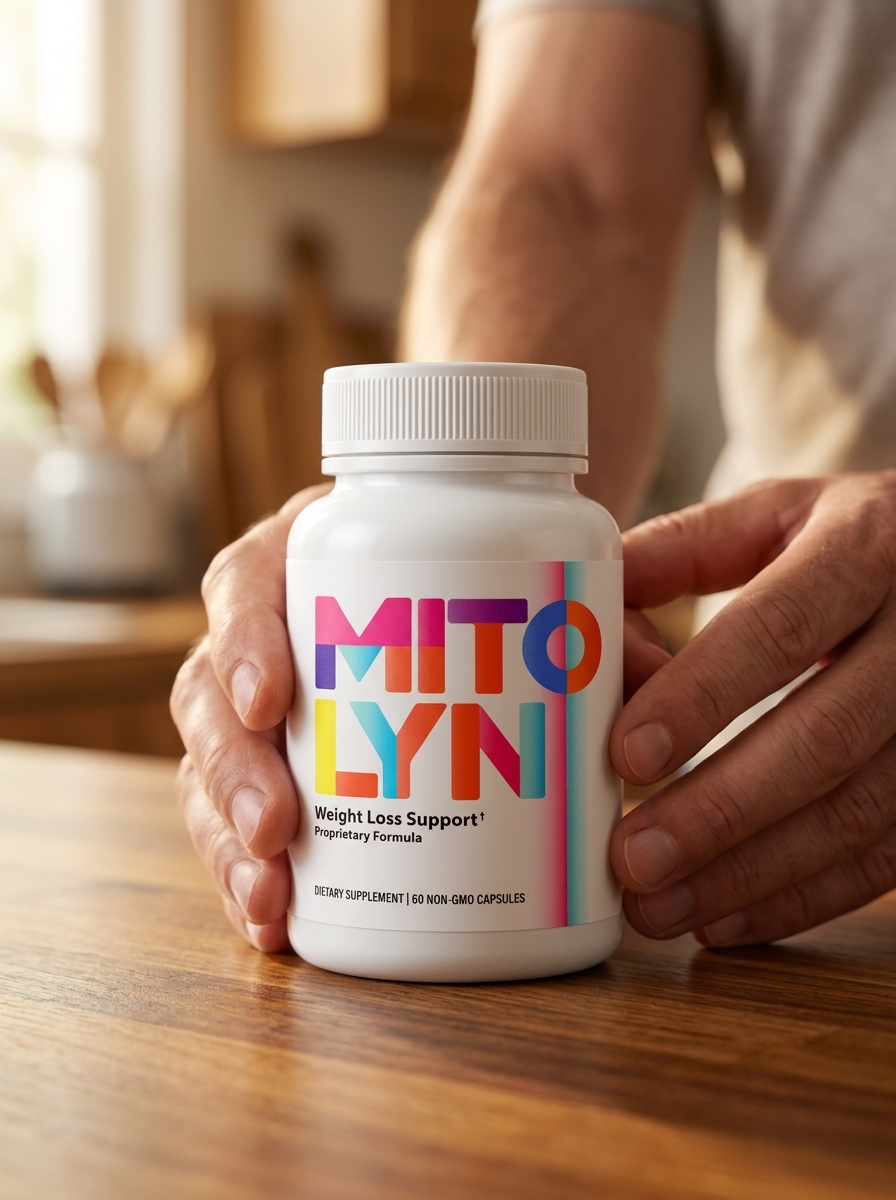
Unlock Your Cellular Power
Finally, support for the energy engines inside every cell of your body.
Mitolyn delivers targeted nutrients directly to your mitochondria—the cellular powerhouses responsible for energy production and fat burning. When your cells have what they need to thrive, everything else follows naturally. No more fighting your metabolism. Just sustained energy and effortless fat burning from within.
- ✓ Steady energy that lasts all day
- ✓ Natural fat burning without crash diets
- ✓ Mental clarity and improved focus
The Difference Between Quick Fixes and Real Solutions

Looking back, I realize how much time I’d wasted chasing symptoms instead of addressing the root cause. Every failed diet, every abandoned exercise program, every supplement that promised the world and delivered disappointment—they were all attempts to force results from a system that wasn’t equipped to deliver them.
Real transformation doesn’t happen overnight, but it also doesn’t require superhuman willpower or perfect adherence to impossible rules. When you support your body’s natural energy-producing mechanisms, healthy changes become easier to maintain because they’re working with your biology, not against it.
The difference shows up in unexpected ways. Better sleep quality. Improved mood stability. Enhanced mental clarity. Clothes that fit the way they used to. Energy that lasts from morning until evening without artificial props.
These aren’t just nice side effects—they’re signs that your cellular machinery is finally getting what it needs to function optimally. Most importantly, the changes feel sustainable. There’s no white-knuckling through cravings or forcing myself through punishing workouts. When your mitochondria are well-supported, your body naturally wants to move more, sleep better, and make healthier food choices.
Experience what sustainable energy feels like when your cells are properly nourished.
What Your Body Has Been Trying to Tell You

That persistent fatigue isn’t laziness. The stubborn weight isn’t moral failure. The afternoon crashes aren’t character flaws. They’re your body’s way of communicating that something essential is missing at the cellular level.
Your mitochondria have been working overtime with inadequate resources, like a construction crew trying to build a house with a toolkit missing half the tools. They can still get some work done, but the results will never match what’s possible with proper equipment.
Listening to your body means recognizing when fatigue becomes the norm rather than the exception. It means acknowledging when your metabolism feels sluggish despite your best efforts. It means understanding that sustainable energy and healthy weight management start at the cellular level, not with the latest diet trend or exercise fad.
The good news is that mitochondrial support isn’t complicated. You don’t need to overhaul your entire lifestyle or commit to extreme measures. You just need to give your cellular engines the targeted nutrition they’ve been missing.
Your body is ready for real solutions that work with your biology.
The Morning That Changed Everything

Six months later, I wake up differently. Not because an alarm jolts me from deep sleep, but because my body naturally transitions from rest to alertness. The energy I feel is quiet but substantial—like a steady current rather than a burst of electricity that fades quickly.
My reflection in the bathroom mirror shows someone who looks rested, even energetic. The puffiness around my eyes has disappeared. My skin has a vitality that no amount of expensive creams ever delivered. But more than appearance, it’s the feeling of inhabiting a body that works with me instead of against me.
The scale tells part of the story—twenty-two pounds lighter than when I started—but the numbers don’t capture the full transformation. The real victory is in how effortlessly I maintain this new normal. My body burns fat efficiently because my mitochondria have the support they need. My energy stays consistent throughout the day because my cellular engines are running smoothly.
Mitolyn didn’t just help me lose weight. It helped me reclaim the vitality I thought was gone forever. It reminded me what it feels like to trust my body’s wisdom instead of fighting against its perceived limitations. Most importantly, it showed me that the solution I’d been seeking wasn’t in any external program or protocol—it was in giving my cells what they needed to do what they do best.
Written by Elias Menden — for those who seek sustained vitality
Join thousands who’ve discovered the missing link to lasting energy and metabolism.