There’s a particular quality to morning light when your nervous system isn’t wound tight. I notice it now — the way it moves across my kitchen counter without urgency, how my coffee tastes different when my shoulders aren’t already braced for the day ahead. This wasn’t always my reality. For years, I lived with a low-grade hum of tension that seemed baked into my very cells, a constant readiness that left me exhausted before noon.
The shift began not with meditation apps or breathing exercises, though those would come later. It started in my kitchen, with the slow realization that my relationship with food had everything to do with my relationship with stress. What I put on my plate wasn’t just fuel — it was information my nervous system used to decide whether the world was safe or something to defend against.
I’d spent years treating my body like a machine that should run smoothly regardless of what I fed it. Grabbing whatever was convenient, eating standing up, barely tasting anything. My nervous system was speaking to me through fatigue, tension headaches, and that particular kind of restlessness that no amount of sleep could touch. I just wasn’t listening yet.
The Morning My Body Finally Got My Attention

It was a Tuesday morning when something shifted. I was standing in my kitchen, hands shaking slightly as I reached for my third cup of coffee before 9 AM, when I realized I couldn’t remember the last time I’d felt genuinely calm.
Not just relaxed — truly calm. The kind of inner stillness where your breath comes easily and your thoughts don’t race ahead of themselves.
That’s when I started paying attention to the conversation between my meals and my mood. I began noticing how certain foods left me feeling grounded while others sent my system into subtle overdrive. It wasn’t about good foods versus bad foods. It was about understanding what my particular nervous system needed to feel safe in the world. The connection became clear when I started tracking not just what I ate, but how I felt two hours later. That jittery feeling after my usual breakfast wasn’t just caffeine — it was my blood sugar spiking and crashing, sending stress signals throughout my system.
My body was interpreting those fluctuations as something to be alarmed about.
Ready to give your nervous system the support it’s been quietly requesting?
Learning the Language of Nervous System Nutrition
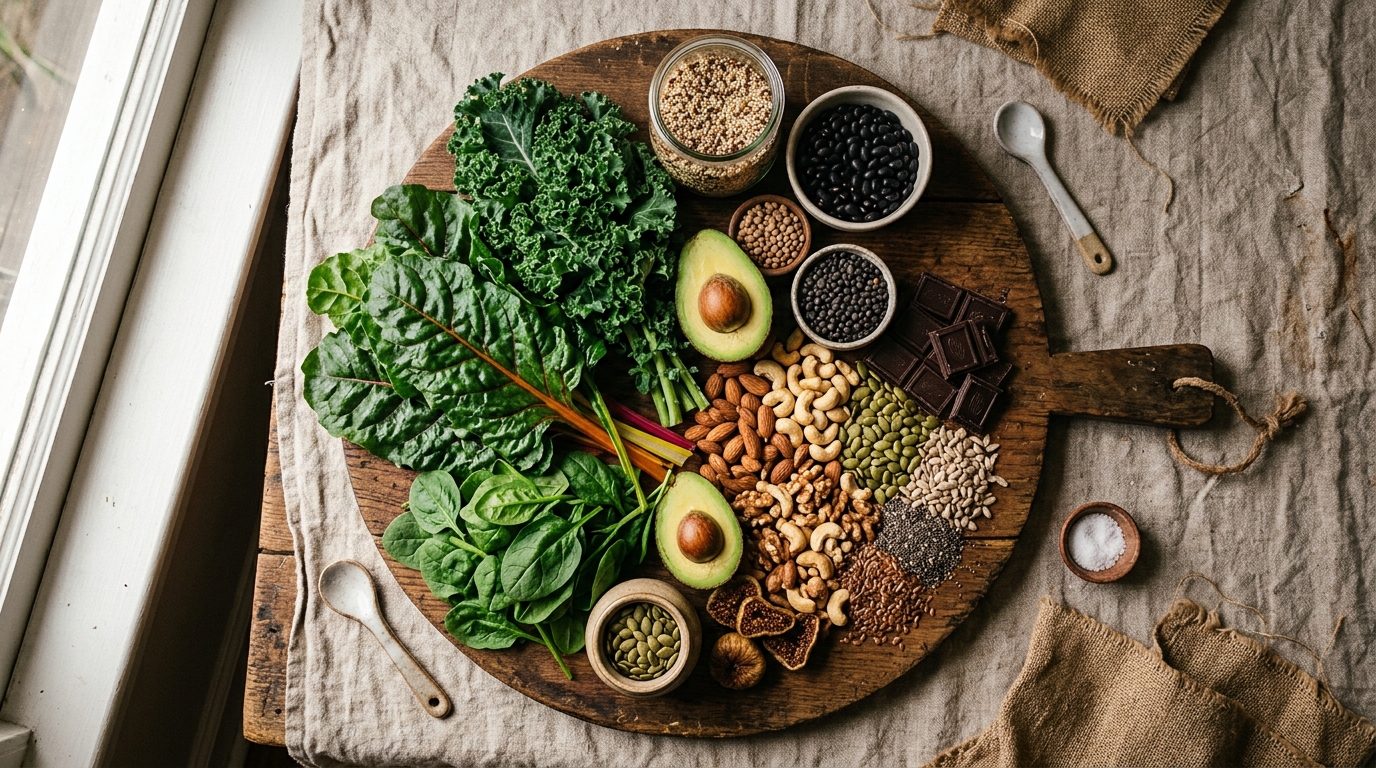
Magnesium became my first teacher. I’d heard about it for sleep, but I discovered it was equally powerful for daytime calm. Dark leafy greens, nuts, and seeds weren’t just nutritious — they were providing the mineral my nervous system used to literally relax. Each meal became an opportunity to send a message: you are safe, you are nourished, you can rest.
B vitamins joined the conversation next. I found them in whole grains, eggs, and legumes, and noticed how they supported my body’s ability to manufacture calm from within. These weren’t supplements I was adding to fix a problem — they were nutrients my nervous system had been quietly requesting all along. Omega-3 fatty acids from wild salmon and walnuts seemed to oil the gears of my stress response, helping it function more smoothly rather than lurching between calm and chaos.
I started thinking of these foods not as items on a healthy eating checklist, but as direct communication with my nervous system.
Discover what targeted cortisol support could mean for your daily rhythm.
The Art of Eating for Equilibrium

Protein became my anchor. Not the processed bars I used to grab on the run, but real, whole proteins that kept my blood sugar steady for hours. I noticed how starting my day with eggs or Greek yogurt created a foundation of stability that lasted well into the afternoon. My energy felt more like a gentle river than a series of rapids and stagnant pools.
Complex carbohydrates revealed themselves as nature’s anxiety medicine. Sweet potatoes, quinoa, and oats provided steady fuel while supporting serotonin production — that neurotransmitter responsible for feelings of well-being and calm.
I began to see meals not as fuel stops, but as opportunities to actively support my mental equilibrium.
The timing mattered as much as the foods themselves. Regular meals kept my nervous system from switching into scarcity mode, that state where everything feels like an emergency because my body thinks resources are running low. Consistency became a form of self-care I’d never considered.
Your body has been doing its best to keep you safe. Help it thrive.
When Food Isn’t Enough: The Missing Piece

Even with these dietary shifts, I sometimes felt like I was swimming upstream against my own stress patterns. My cortisol levels seemed to have their own agenda, spiking at inconvenient times and staying elevated when I needed to wind down. The foods were helping, but I sensed there was another layer to address.
This is when I discovered that supporting my nervous system through nutrition was only part of the equation. My cortisol rhythms — that fundamental stress hormone that should rise in the morning and gently decline throughout the day — needed more targeted support.
I found this in Cortisol AM, a supplement designed to help optimize those natural daily patterns that had become disrupted by years of chronic stress. Adding this daily support felt like giving my nervous system a reliable framework within which all my nutritional efforts could actually take hold. The magnesium and B vitamins and omega-3s could do their work more effectively when my underlying stress patterns were being supported at the hormonal level.
Transform your relationship with stress from the inside out, naturally.
The Ripple Effects of Nervous System Nourishment

What surprised me most was how these changes affected everything else.
My sleep became deeper and more restorative. My digestion, which had been unpredictable for years, settled into a more reliable rhythm. Even my relationships improved as I became less reactive, more present, genuinely calmer in my interactions with others.
I started craving movement in a different way — not as punishment for what I’d eaten or stress relief from external pressure, but as a natural expression of energy that wasn’t being consumed by internal tension. Yoga felt different when my nervous system wasn’t already on high alert. Even walking became a form of meditation rather than just transportation. The chronic neck and shoulder tension that had been my constant companion for years began to release.
I realized how much energy I’d been using just to hold myself in a state of readiness for threats that mostly existed in my mind.

Support Your Natural Rhythm
When nutrition needs a partner to help your stress patterns find their balance.
Your nervous system craves consistency, especially when it comes to cortisol patterns. While nourishing foods provide the foundation, sometimes your body needs targeted support to restore those natural daily rhythms that stress has disrupted. Cortisol AM works with your body’s wisdom, not against it.
- ✓ Morning clarity without afternoon crashes
- ✓ Deeper sleep and easier wake-ups
- ✓ Calmer responses to daily stressors
Small Shifts, Profound Changes

The transformation didn’t happen overnight, but it happened consistently. Each meal became an opportunity to choose calm over chaos, stability over inflammation. I learned to read my body’s signals more accurately — recognizing the difference between actual hunger and the restless eating that comes from an overstimulated nervous system. Hydration took on new meaning when I understood how dehydration registers as stress in the body.
Herbal teas became evening rituals that signaled to my nervous system that the day was winding down. Chamomile, passionflower, and lemon balm weren’t just pleasant flavors — they were gentle medicines supporting my body’s natural relaxation response.
I discovered the power of eating mindfully, not as a forced practice but as a natural result of actually tasting my food. When my nervous system wasn’t racing ahead to the next task, I could be present with nourishment in a way that felt almost revolutionary after years of distracted eating.
Experience what happens when your cortisol patterns find their natural flow.
Living in Partnership with My Nervous System

Now, several months into this journey, my relationship with both food and stress has fundamentally shifted. I no longer see stress as something to battle or food as something to control. Instead, I see both as part of an ongoing conversation with my body about what it needs to thrive.
My morning routine has become a gentle negotiation rather than a rushed preparation for battle. I wake up and assess — what does my nervous system need today? Sometimes it’s the grounding weight of steel-cut oats with almond butter. Other times, it’s the light energy of a vegetable omelet with fresh herbs. The choice comes from attunement rather than rules.
The chronic low-level anxiety that used to color my days has been replaced by something I can only describe as inner spaciousness. There’s room in my system now for joy, for spontaneity, for the simple pleasure of a meal shared without the undercurrent of tension that used to accompany everything.
Give yourself permission to feel genuinely calm, not just temporarily relaxed.
The Ongoing Practice of Nourished Calm

This isn’t a story with a tidy ending because nervous system health is an ongoing practice, not a destination. Some days still require more support than others. Stressful periods still affect how my body processes food and how hungry I am for different types of nourishment. The difference is that I now have a toolkit and the awareness to use it.
I’ve learned that eating for nervous system health isn’t about perfection — it’s about consistency and kindness. It’s about understanding that my body has been doing its best to keep me safe, even when that safety response became counterproductive. Now I can work with my nervous system rather than against it, using food as medicine and support as needed.
The morning light still moves across my kitchen counter, but now I’m present enough to notice its beauty rather than just its passage. My coffee tastes like possibility rather than necessity. And that low-grade hum of tension? It’s been replaced by something much more sustainable: the quiet confidence that comes from knowing how to nourish not just my body, but the delicate, wise system that keeps me grounded in an often chaotic world.
Written by Liora Menden — for those who seek inner calm
Ready to feel the difference this formula makes?