Three in the morning. Again. Your mind races through tomorrow’s meetings while your body feels like lead. The harder you try to sleep, the more anxious you become. The more anxious you become, the further sleep slips away. And tomorrow? Tomorrow you’ll be running on fumes, which only makes the anxiety worse.
If this sounds familiar, you’re not broken. You’re caught in one of the most common cycles in modern life—where poor sleep feeds anxiety, and anxiety destroys sleep. Your nervous system is doing exactly what it’s designed to do, just at the wrong times.
The connection between sleep and mood isn’t just in your head. It’s in your cells, your hormones, and the delicate dance of recovery that happens when your body finally gets the rest it’s been craving.
When Your Body Forgets How to Rest

Sarah used to be the person who could fall asleep anywhere. Planes, couches, even sitting up in waiting rooms. Then life got complicated. Work stress mounted. Family responsibilities multiplied. Somewhere along the way, her body forgot how to switch off.
What she didn’t realize was that chronic sleep disruption had rewired her stress response system. Her cortisol levels stayed elevated when they should have dropped. Her nervous system remained in high alert when it should have been shifting into repair mode. The very foundation of emotional regulation—quality sleep—had crumbled beneath her.
This isn’t uncommon. When we don’t get the deep, restorative sleep our bodies need, our emotional processing systems start to malfunction. The part of our brain that manages fear and worry becomes hyperactive. The part that helps us feel calm and centered gets suppressed. We become reactive instead of responsive, anxious instead of alert.
Ready to support your body’s natural repair processes for deeper, more restorative sleep?
The Hidden Cost of Running on Empty

Most people think anxiety is just mental. But when you’re chronically sleep-deprived, anxiety becomes physical. Your heart races for no reason. Your muscles stay tense. Your digestive system goes haywire. You might feel wired and tired at the same time—exhausted but unable to rest.
This is your nervous system stuck in survival mode. Without quality sleep to reset and recharge, your body treats every day like an emergency. The smallest stressors feel overwhelming because your emotional reserves are constantly depleted.
Think about how you feel after a truly restful night versus after tossing and turning for hours. After good sleep, challenges feel manageable. Your patience runs deeper. Your perspective stays clearer. After poor sleep, everything feels harder, more urgent, more threatening.
Discover how cellular-level support can help break the cycle of anxiety and sleeplessness.
Why Your Brain Needs Darkness to Find Light

During deep sleep, your brain does something remarkable—it literally washes itself. Cerebrospinal fluid flows through your neural tissue, clearing out the metabolic waste that accumulates during waking hours. This process, called the glymphatic system, is like a reset button for your emotional processing centers. But this cleaning only happens during specific stages of sleep.
If you’re constantly waking up, staying in light sleep, or relying on stimulants to function, your brain never gets fully cleaned. The emotional residue builds up. Yesterday’s stress compounds with today’s worries, creating a mental fog that makes everything feel more difficult than it should.
Quality sleep also regulates the production of neurotransmitters like serotonin and GABA—the chemicals that help you feel calm, balanced, and emotionally stable.
When sleep is disrupted, these systems fall out of balance, leaving you more susceptible to anxiety, mood swings, and that feeling of being overwhelmed by life’s normal demands.
Your nervous system wants balance. Give it the support it needs to find natural calm.
The Cellular Foundation of Emotional Resilience

What happens in your cells during sleep directly impacts how you handle stress when you’re awake. During deep sleep, your mitochondria—the powerhouses of your cells—undergo repair and regeneration. This isn’t just about physical energy. Mental and emotional resilience depends on cellular health too.
When your cells are functioning optimally, your body produces energy efficiently, maintains stable blood sugar, and keeps stress hormones in check. When cellular repair is compromised by poor sleep, everything becomes harder. Your mood becomes more volatile. Your energy crashes and spikes unpredictably. Small stressors feel like major crises.
Supporting cellular repair during sleep creates a foundation for emotional stability during waking hours. It’s like ensuring your phone charges fully overnight so it doesn’t die at 2 PM when you need it most.
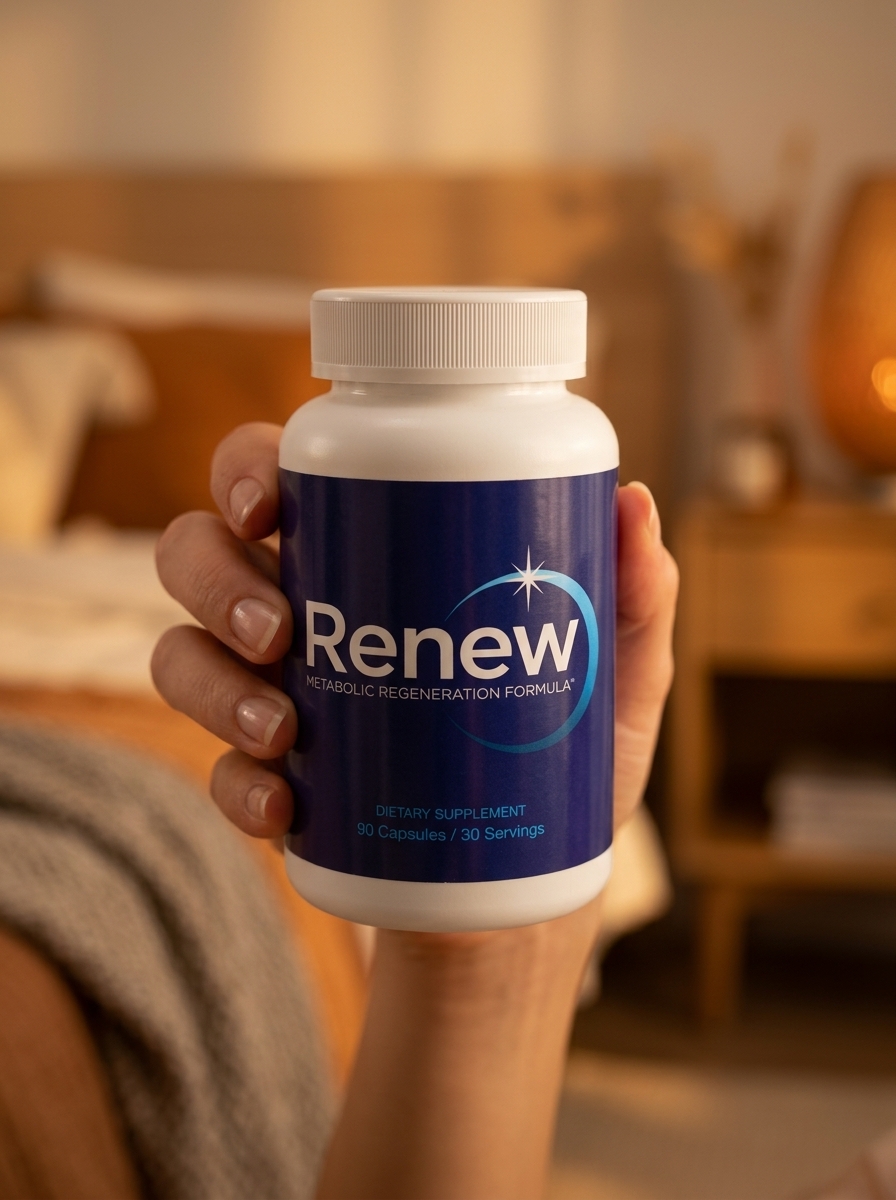
Restore Your Natural Sleep
Break free from the anxiety-sleep cycle with cellular-level support for deep, restorative rest.
RENEW works with your body’s natural repair processes to support the quality sleep your nervous system needs. This carefully crafted formula helps your cells regenerate, your mind reset, and your emotional resilience rebuild—night after night.
- ✓ Feel truly rested, not just tired
- ✓ Emotional balance returns naturally
- ✓ Mental clarity replaces morning fog
Breaking Free from the Cycle

Marcus had been caught in the anxiety-sleep loop for months before he realized what was happening. High-pressure job, new baby, aging parents—the stress was legitimate, but his body’s response was making everything worse. The less he slept, the more anxious he became. The more anxious he became, the less he slept.
The breakthrough came when he stopped trying to manage his anxiety directly and started focusing on sleep quality instead. By supporting his body’s natural repair processes and creating the conditions for truly restorative rest, something shifted. Not overnight, but gradually. His mood became more stable. His resilience improved. The same stressors that used to derail his entire day started feeling manageable again.
This is where solutions like RENEW become invaluable. Rather than just masking symptoms, this formula works at the cellular level to support the natural processes that occur during quality sleep—the repair, regeneration, and rebalancing that your body needs to handle stress gracefully.
Experience what it feels like when your body remembers how to truly rest and recover.
What Recovery Actually Feels Like

Real sleep recovery isn’t just about getting more hours in bed. It’s about the quality of rest that allows your nervous system to truly reset. When this happens, you notice changes beyond just feeling less tired. Your patience returns. Colors seem brighter. Problems that felt insurmountable start looking like puzzles you can actually solve.
The physical sensations change too. That chronic tension in your shoulders starts to ease. Your breathing deepens naturally. Your heart rate variability improves, meaning your body becomes more adaptable to daily stressors instead of staying stuck in fight-or-flight mode.
People often describe feeling like themselves again—not the anxious, depleted version they’d grown accustomed to, but the more resilient, balanced person they remember being.
This isn’t about becoming superhuman. It’s about returning to your natural baseline of emotional stability and mental clarity.
Transform exhausted days into resilient ones with quality sleep that actually restores you.
The Path Forward Starts Tonight

Breaking the anxiety-sleep cycle doesn’t require perfect conditions or a complete life overhaul. It starts with recognizing that quality rest isn’t a luxury—it’s the foundation that everything else is built on. Your mood, your resilience, your ability to handle whatever life throws at you all depend on whether your body gets the cellular repair it needs.
The beautiful thing about supporting sleep quality is that the benefits compound. Each night of truly restorative rest makes the next day easier. Each day with better emotional balance makes the next night’s sleep deeper. Instead of a vicious cycle, you create a virtuous one.
Your nervous system wants to find balance. Your cells want to repair and regenerate. Your mind wants to rest. Sometimes all they need is the right support to remember how to do what they’re designed to do—naturally, gently, night after night.
Written by Elias Menden — for those who seek emotional balance
Break free from the anxiety-sleep loop with gentle, natural support for deep rest.