There are days when your face does not look dramatically broken out or irritated. It just looks flat. Less lively, less rested, and somehow more burdened. When those same days also come with heavy digestion, bloating, or a crowded feeling after meals, the mirror can start looking like it is quietly reporting what the body is carrying inside.
I began paying attention to that because the overlap showed up too often to feel random. On the days my digestion felt heavy, my skin seemed to lose some of its light. No new cream explained it. No makeup fix felt satisfying. The whole effect seemed deeper than the sink.
Once I stopped treating that as a cosmetic mystery, the topic became much easier to handle. I could think about hydration, meal rhythm, stress, sleep quality, and the kind of beauty-from-within support that respects what the gut and the face keep saying together.
Why Can Heavy Digestion Make Skin Look Less Alive?
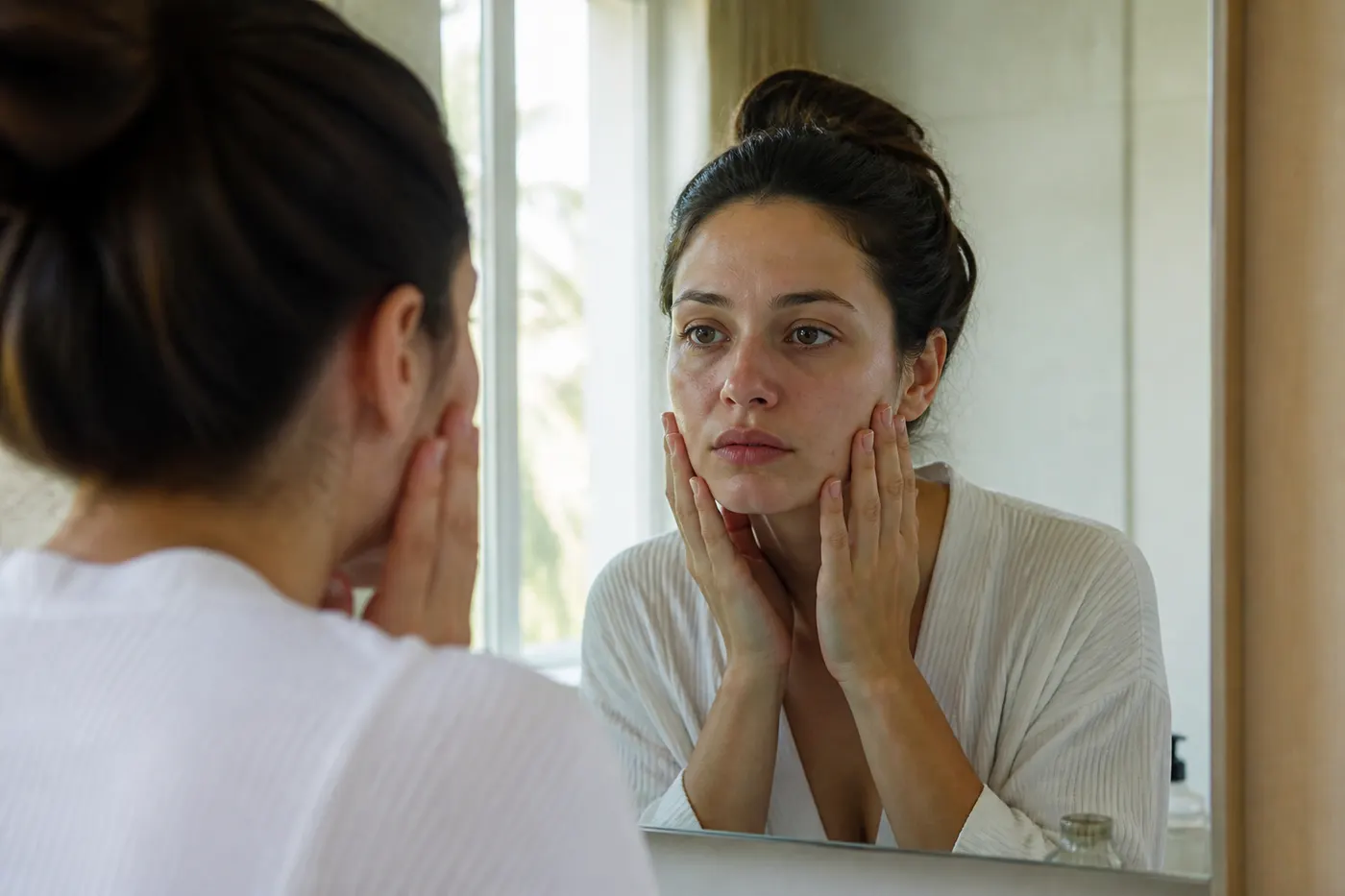
The body does not separate digestion from appearance as neatly as skincare marketing sometimes suggests. When meals feel heavy, the stomach feels crowded, or stress leaves the whole system tighter, the face can reflect a downstream version of that same burden. Skin may look flatter, puffier, or simply less refreshed even when the topical routine has not changed.
The American Academy of Dermatology notes in its guidance on healthy-looking skin habits that hydration, sleep, and broader whole-body habits all affect how skin looks and feels. That matched what I saw in practice. My skin often looked less awake on the same days my digestion felt most overworked.
That is why topical-only explanations can feel incomplete. If the mirror keeps reporting internal strain, the answer may need to start with the internal strain instead of only the visible result.
What Daily Patterns Usually Link Digestive Heaviness and Flat Skin?

In real life the overlap usually comes from accumulation rather than one dramatic trigger. Meals are rushed or too rich. Water keeps getting postponed. Stress stays in the body longer than the schedule admits. Sleep happens, but it does not fully restore. None of those things guarantee dull-looking skin on their own, but together they can leave both digestion and skin looking less settled.
- heavy or rushed meals that keep the stomach feeling crowded
- too little water for how much the body is carrying
- stress that lingers after tasks and tightens the whole system
- sleep that passes but does not fully restore the morning
What helped me most was realizing that the face was often reacting to the same kind of internal crowding the stomach was already describing. Once I could name that pattern, I stopped expecting one new product to erase what was clearly a rhythm problem.
That shift gives the reader more leverage. The question stops being “what can I put on my face tonight?” and becomes “what keeps making the whole system feel this burdened in the first place?”
How Does Flat, Tired-Looking Skin Affect the Rest of a Day?
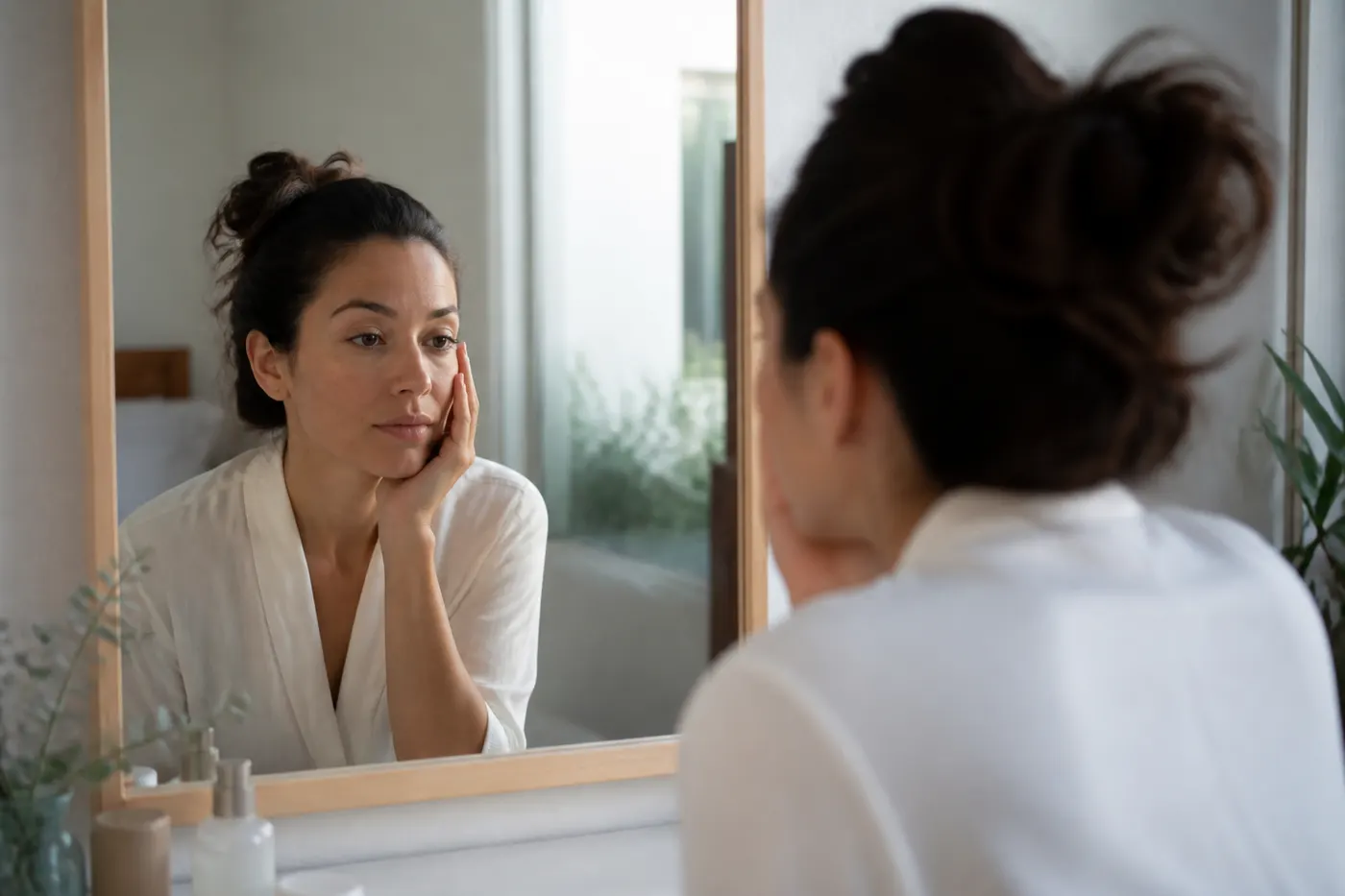
When your skin looks flat when digestion feels heavy, the effect is not only visual. It changes how you read your own energy. You may start feeling more worn because you look more worn, which can quietly shrink confidence and make the whole day seem heavier than it otherwise would.
I think that emotional cost is often underestimated. Looking tired can become part of feeling tired, and that loop is part physiological, part psychological, and part routine. That is why this topic needs to stay grounded. It is not only about vanity. It is about what it feels like to see internal strain reflected back at you.
This is also where IyoMend can be especially useful. Readers are often not asking for perfection. They are asking why their face keeps looking flatter on the same days their digestion feels least calm.
What Helps Skin Look More Rested When Digestion Has Been Rough?

The shifts I trust most are the ones that support the whole routine at once. More water earlier. Slower meals. Fewer swings between restriction and overdoing it. A gentler evening. More respect for the idea that glow often arrives as a side effect of internal steadiness rather than aggressive correction.
The Cleveland Clinic notes in its overview of gut health and the skin that digestion, inflammation, and daily habits can all influence visible skin changes. In practice I found the same thing. My skin looked more rested when the body underneath it felt less burdened.
What changed most was expectation. I stopped looking for a cosmetic rescue and started building conditions that made radiance feel more believable over time.
Where Does Neotonics Fit in a Beauty-From-Within Routine?
Neotonics made sense to me because it belonged to the wider conversation instead of pretending every skin issue starts and ends at the surface. I was not trying to abandon skincare. I was trying to stop asking skincare to solve what was clearly a digestion and recovery pattern too.
That is the honest bridge here. The article first explains why skin can look flat when digestion feels heavy. Then Neotonics appears as one support step inside a broader plan built on gentler meals, better hydration, calmer evenings, and the belief that visible radiance often begins with internal steadiness.
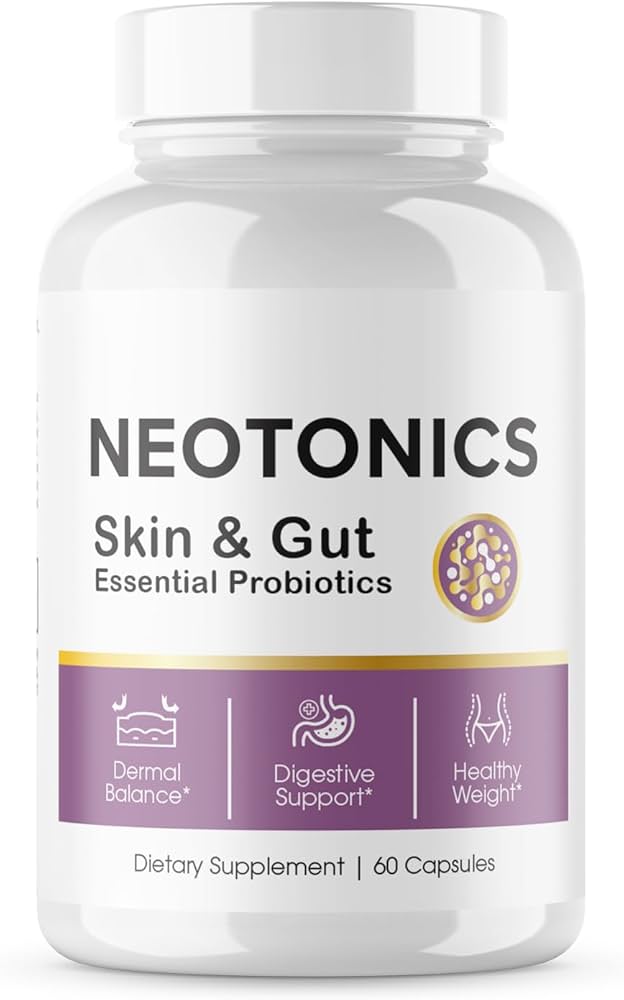
Readers can feel when a recommendation is placed that way. It sounds less like a shortcut and more like an option inside a routine that respects the body.
Which Internal Links Strengthen This Gut-Skin Cluster?
This post should route readers into IyoMend’s strongest beauty-from-within pages. The best next steps are best anti-aging supplements for skin, best anti-aging skin supplements, and why your face looks more tired after a bloated day.
Those links help the reader move from symptom recognition into both comparison and cluster depth. One page handles the broader commercial question, one reinforces the skin-supplement intent, and one stays close to the same digestion-to-face storytelling pattern from another angle.
They also improve AI citation readiness because the cluster answers a practical question with several distinct but related pages. That kind of network is easier to trust than a single beauty story floating by itself.
The Goal Is Not Perfect Skin. It Is a Less Burdened Signal.
I do not want readers fighting their faces harder. I want them noticing the signal more accurately and more gently. If your skin looks flat when digestion feels heavy, the body may be telling you something useful about meal rhythm, hydration, stress, recovery, or beauty-from-within support.
The answer is often less about adding more products and more about lowering the internal strain the mirror is responding to. Better meals. Better hydration. Better evenings. Better support. When the body feels calmer, the face often looks less burdened too.
That matters because a more rested-looking face is not only an aesthetic win. It is also the relief of seeing less stress reflected back at you. The mirror stops feeling like an argument and starts acting like useful feedback.
I think that is why beauty-from-within content resonates when it is handled honestly. It gives readers permission to widen the conversation instead of staying trapped at the sink. The skin becomes part of a whole-body story again, which is usually where the most believable improvements begin.
Once the reader sees that, calmer digestion and calmer-looking skin stop feeling like separate projects. They become part of one steadier reset, and that is often the first improvement that actually lasts long enough to trust.
That symptom-level specificity also makes the page more useful commercially. A reader who notices her skin looking flatter on heavy-digestion days is already describing a real pattern, not shopping abstractly for beauty advice. That gives IyoMend room to explain the overlap clearly, route her into the skin-support cluster, and offer one measured product recommendation without forcing a cosmetic promise that the body itself has not earned.
I have also found that this wider lens makes the whole beauty routine feel less frantic. The reader stops shopping from panic and starts paying attention to the rhythms that keep both the stomach and the face more settled. That shift can reduce a lot of frustration, because the mirror is no longer being asked to carry the full burden of a problem that begins much deeper in the body.
When skin starts looking more rested because digestion, hydration, and recovery are being handled with more care, the result feels believable in a way quick cosmetic fixes rarely do. The face is not being forced into brightness for a few hours. It is simply reflecting a system that feels less crowded. For readers who are tired of chasing surface-only answers, that kind of steadier radiance is usually the first result that actually feels worth trusting.
Written by Liora Menden — for readers who want calmer digestion and more rested-looking skin