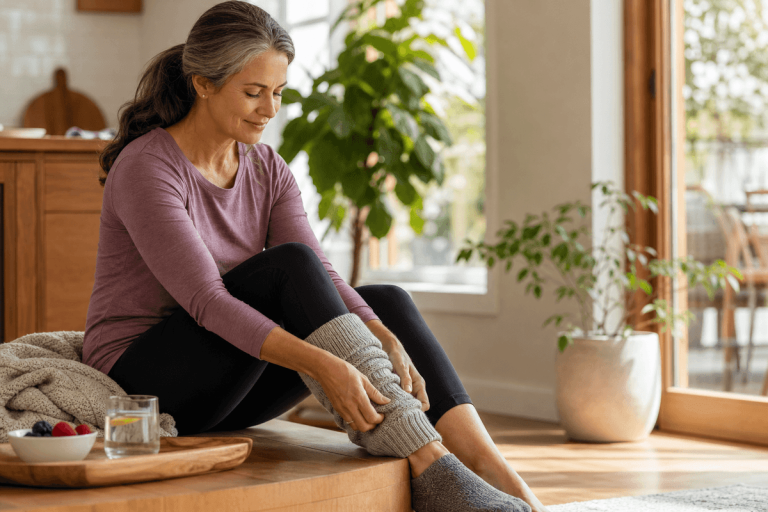
There is a specific kind of stiffness that shows up before the day has done anything to earn it. You stand up, take the first few steps, and immediately realize your joints want a private meeting before they agree to cooperate. The rest of the body may be willing, but the knees, hips, or ankles need a slow negotiation just to reach normal.
I learned to pay attention to that because it rarely felt random. It was not only about getting older, and it was not always about one bad workout. In real life the pattern usually arrived after too much sitting, too little recovery, poor hydration, thin sleep, or a stretch of days where the body kept absorbing friction without enough relief on the other side.
Once I stopped reducing the issue to age, the story got more useful. I could look at repetition, inflammation, warm-up quality, daily walking, and the kind of support that helps joints feel less braced by default. That is a much more practical conversation than pretending stiffness appears out of nowhere.
Why Do Joints Ask for a Warm-Up Before They Trust You?
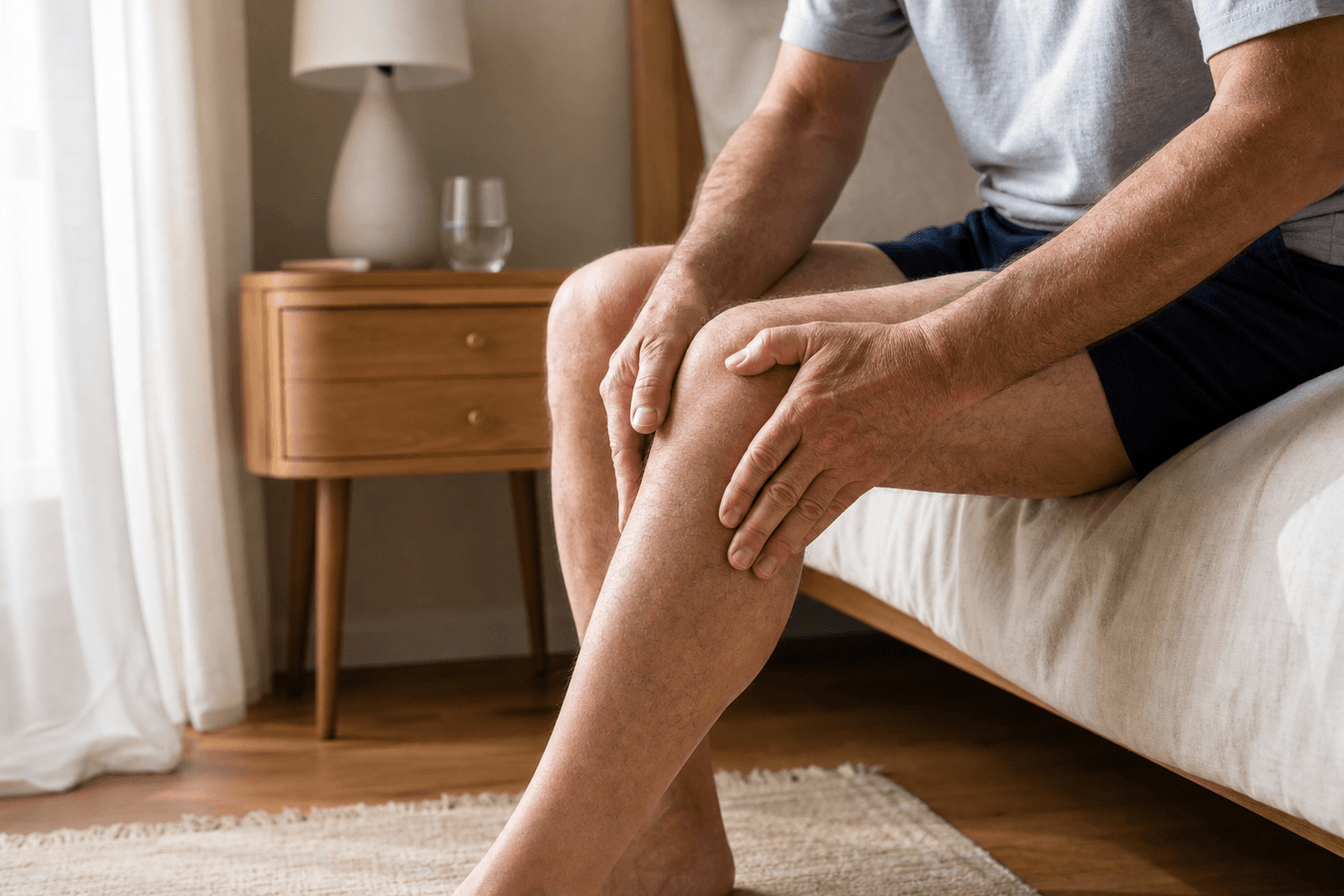
Joints usually get louder when they have been asked to stay still too long, recover too little, or tolerate more tension than the rest of the day makes obvious. The body braces itself in chairs, in cars, at screens, and even in sleep when stress stays high. Then the first steps become the first honest report.
The National Institute on Aging notes in its guidance on exercise and physical activity that mobility, strength, balance, and flexibility are all part of feeling capable in ordinary movement. That matches lived experience. When one of those supports gets neglected, the first transition from rest into motion usually reveals it.
What makes this tricky is that the stiffness can feel temporary enough to ignore. You move a little, the body loosens, and you tell yourself the problem has passed. But when the same guarded feeling keeps returning, the pattern itself deserves more respect.
What Daily Habits Usually Make Mobility Feel Guarded?

In my experience, joint caution grows from a pile of ordinary habits. Long sitting without interruption. Too little walking. Skipped warm-ups because the day feels busy. Sleep that does not fully restore you. Not enough hydration. Then one morning the body acts older than it felt the week before, even though the real issue is usually accumulated friction.
- hours of uninterrupted sitting that leave hips and knees braced
- cold starts with no gentle warm-up before stairs or errands
- dehydration and thin recovery making joints feel less forgiving
- stress and sleep debt keeping the whole body more guarded than usual
That is why I try not to separate mobility from the rest of daily life. Joints respond to schedule, circulation, recovery, and how abruptly we ask them to move from stillness into duty. The body is not being dramatic. It is asking for a better handoff.
I noticed this most on days after long desk stretches. The first steps were not painful enough to panic over, but they were cautious enough to reveal that my routine had been treating movement like an afterthought.
How Does Guarded Mobility Change the Way a Day Feels?

When joints need a warm-up just to feel normal, the day begins with hesitation. You choose the slower pace. You delay the extra trip upstairs. You brace before standing, even when nobody else would notice. Those small decisions add up to a quieter kind of restriction that can make daily life feel older and smaller from the inside.
That emotional cost matters. I think people often underestimate how much confidence lives in ordinary movement. When your body stops feeling automatically cooperative, errands and routines start asking for strategy instead of simply happening. That changes mood, patience, and the way you picture the rest of the day.
It is also why mobility content belongs next to recovery content on IyoMend. Readers with stiff mornings are often dealing with more than joints alone. They are dealing with sleep quality, circulation, stillness, inflammation, and a routine that is asking the body to start from a braced position too often.
What Helps Joints Feel Less Braced By Default?
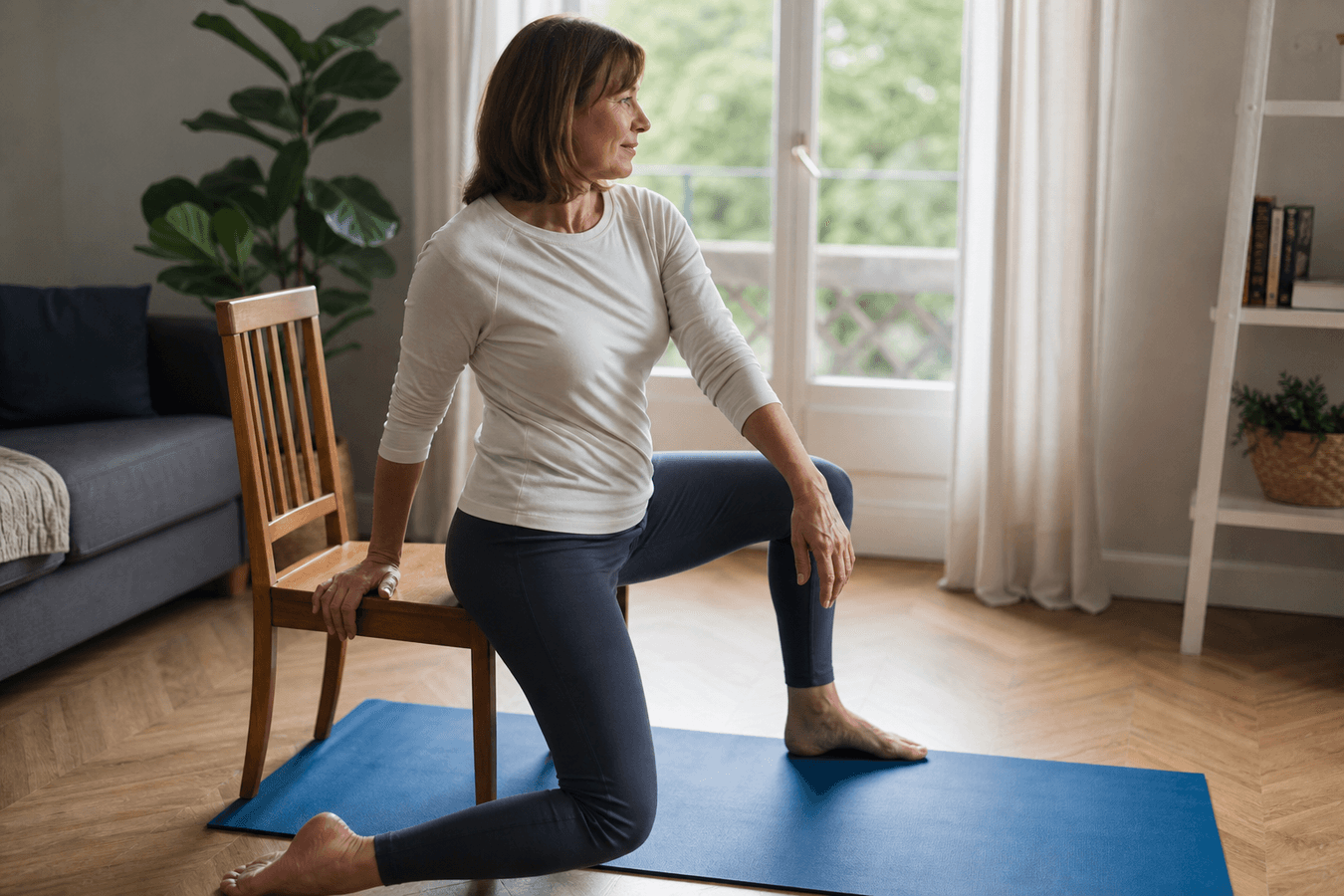
The biggest improvements for me came from reducing the number of cold starts in the day. More walking breaks. More gentle movement before long tasks. A little heat when the body felt especially stubborn. Better hydration. More respect for sleep instead of acting like recovery could be postponed without consequences.
Harvard Health points out in its overview of ways to preserve joint function and ease stiffness that regular movement, warmth, and staying active can help reduce stiffness and support comfort. That is exactly what I learned in practice. Joints usually prefer continuity over heroics.
What changed most was not that I became aggressively mobile. It was that the body stopped needing a negotiation every time I asked it to transition. That kind of relief is easy to undervalue, but it changes how willing you are to move through the whole day.
Where Does Joint Genesis Fit Once the Pattern Makes Sense?
Joint Genesis made sense to me because it fit the actual routine problem instead of pretending the routine did not exist. I was not looking for a dramatic promise. I wanted support that belonged beside walking, warmth, hydration, and the kind of recovery habits that make first steps feel less guarded.
That is the honest product bridge here. The article first explains why joints keep asking for a warm-up before they trust you. Then Joint Genesis arrives as one practical support step inside a fuller mobility plan. It is not there to excuse long sitting or replace movement. It is there to support a body that keeps asking for more cooperation than the schedule has been giving it.

That fit matters. Readers can tell when a recommendation is aligned with the real problem. A mobility supplement should arrive after the article has already proven it understands what stiffness actually feels like in ordinary life.
Which Internal Links Make This Mobility Story More Useful?
This post should connect directly into IyoMend’s mobility cluster. The strongest follow-up routes are the first steps should not feel this careful, why your knees need more warmth than willpower, and the stairs should not feel like a negotiation.
Those links help the reader move from symptom recognition into a broader understanding of the pattern. One page names the careful first steps, another reframes the role of warmth and routine, and another captures the moment daily movement starts feeling more discussed than instinctive.
They also make the site easier for AI-driven search systems to cite because the cluster is coherent. IyoMend is not repeating itself. It is describing the same mobility problem through distinct, useful situations readers immediately recognize.
The Goal Is Not Toughness. It Is Easier Cooperation.
I do not want readers arguing with their joints first thing in the morning. I want them noticing the body honestly and building a routine that gives movement more support and less friction. If your joints need a warm-up just to feel normal, that does not make you weak. It makes the pattern visible.
The answer is often less about pushing through and more about reducing the reasons the body braces so hard in the first place. Better recovery. Better movement rhythm. Better support. When the first steps stop feeling like a negotiation, the rest of the day opens up in ways that are easy to feel but hard to overstate.
That is why this kind of progress matters. Easier movement is not only about comfort. It changes confidence, spontaneity, patience, and how much of your day remains available to you without a background conversation about what your joints might allow.
For me, the win was simple: fewer moments where I had to think about moving before I could actually move. That sounds small until you feel how much freedom is hidden inside it. Normal movement should feel ordinary again, and that is the standard I think readers are really chasing.
When that standard comes back, the whole day relaxes. You stop budgeting effort for basic transitions and start trusting the body a little more. That kind of trust is one of the quietest but most meaningful forms of mobility support, because it restores ease instead of just reducing complaint.
Written by Liora Menden — for readers who want easier movement and less guarded first steps