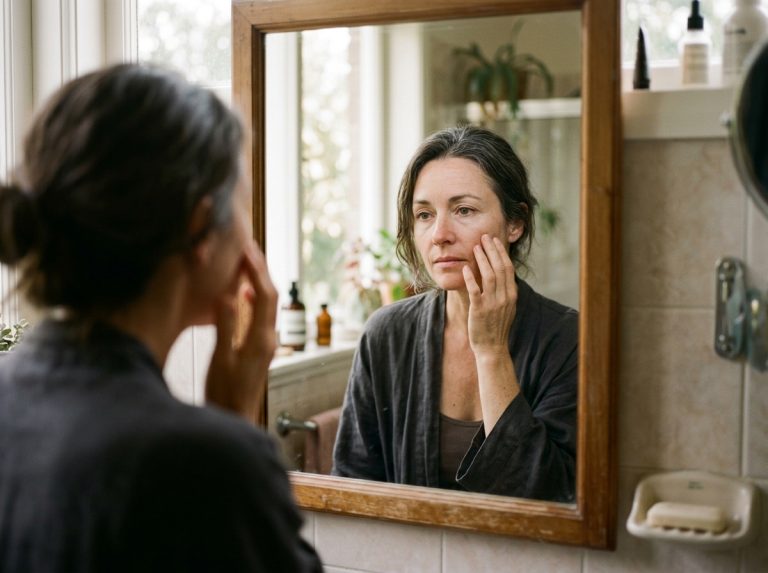
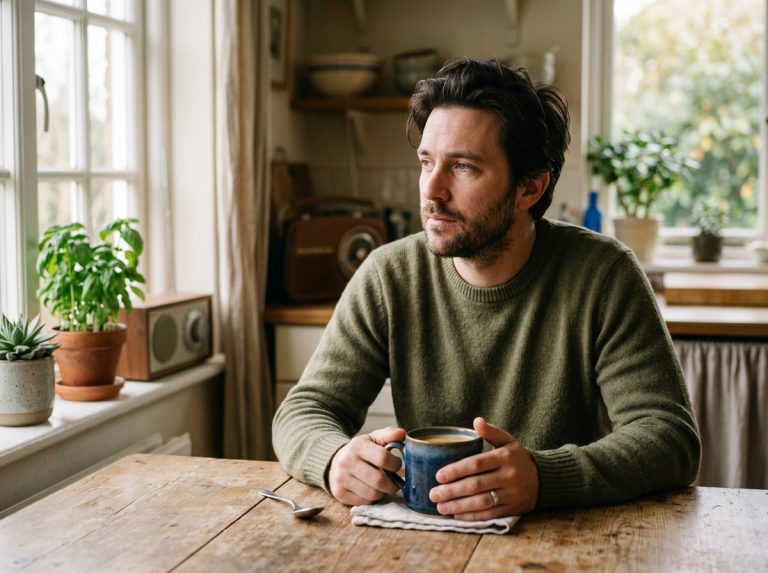
There’s a specific moment most people recognize but rarely name. You’ve been at your desk for three or four hours, head down, focused — and then you stand up. And those first few steps feel like you borrowed someone else’s body. Not painful exactly, just… reluctant. Like your hips forgot how to move freely while you weren’t paying attention.
Hip stiffness after sitting is one of those things that sneaks up on you. Not as a sudden injury, not as a dramatic event. More like a gradual narrowing. Your range of motion tightens by degrees. Your evening walk gets shorter. The stairs feel steeper. You start choosing where you park based on how far you’ll have to walk — and you barely notice you’ve made that calculation.
That quiet adjustment is worth paying attention to. Because it’s not just physical. It’s the first place people begin shrinking their lives without realizing it.
What Actually Happens to Your Joints During a Long Sit
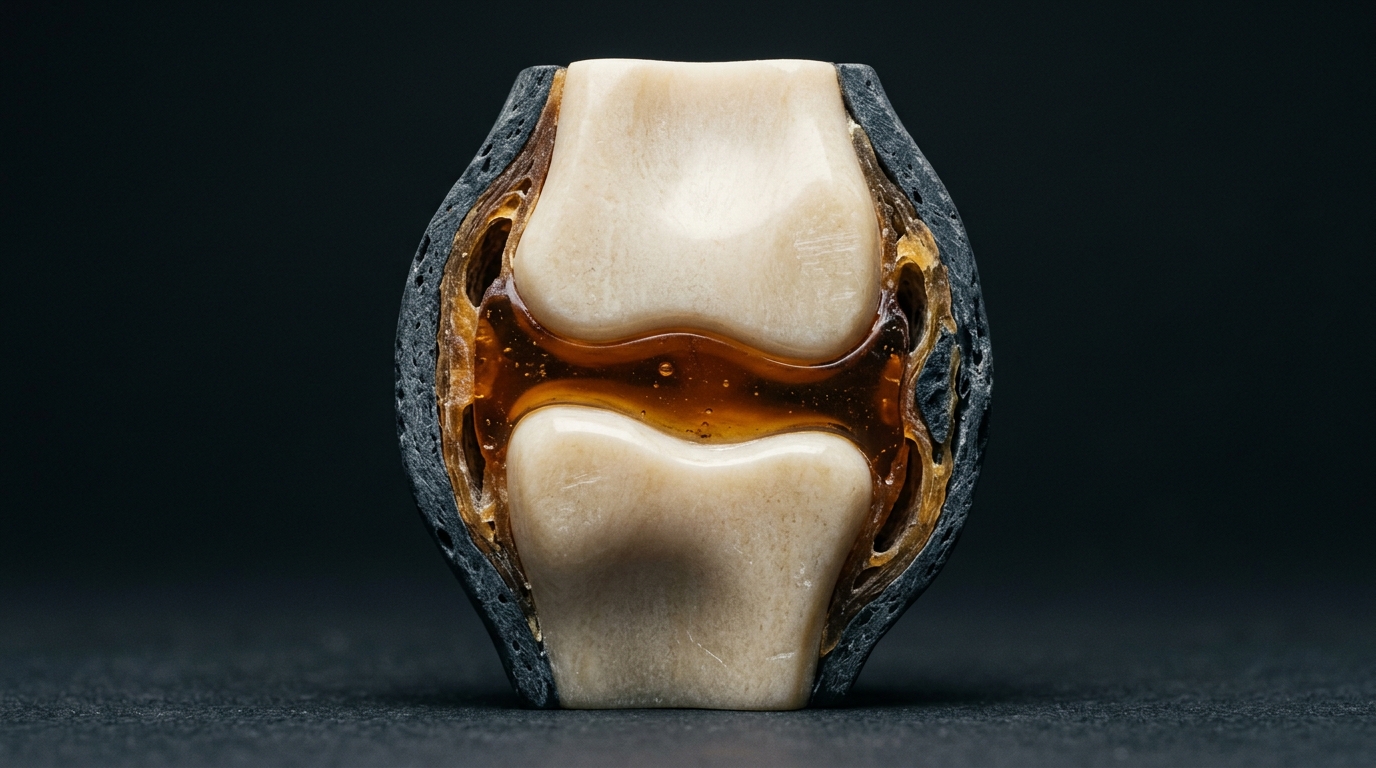
Most people assume stiffness comes from muscle tightness — and that’s part of it. But the deeper story starts inside the joint itself. Every movable joint in your body, including your hips, is enclosed in a capsule filled with synovial fluid. That fluid is what lubricates the space between bones, nourishes the cartilage, and allows smooth, low-friction movement.
When you sit for hours, that fluid stops circulating the way it should. Think of it like a sponge that hasn’t been squeezed in a while — the joint becomes less responsive, less hydrated at the surface level. Cartilage doesn’t have its own blood supply. It depends almost entirely on the movement of synovial fluid to stay nourished. Hours without movement means hours without that exchange happening properly.
By the time you stand up, the joint environment has stiffened in a very literal sense. The fluid has settled. The cartilage has less cushion. The capsule itself has tightened. That grinding reluctance you feel in your first few steps isn’t imagined — it’s biology signaling that something needs attention at a level most people never think about.
Your joints are giving you signals. Here’s what they’re asking for.
The Workday Is Longer Than You Think
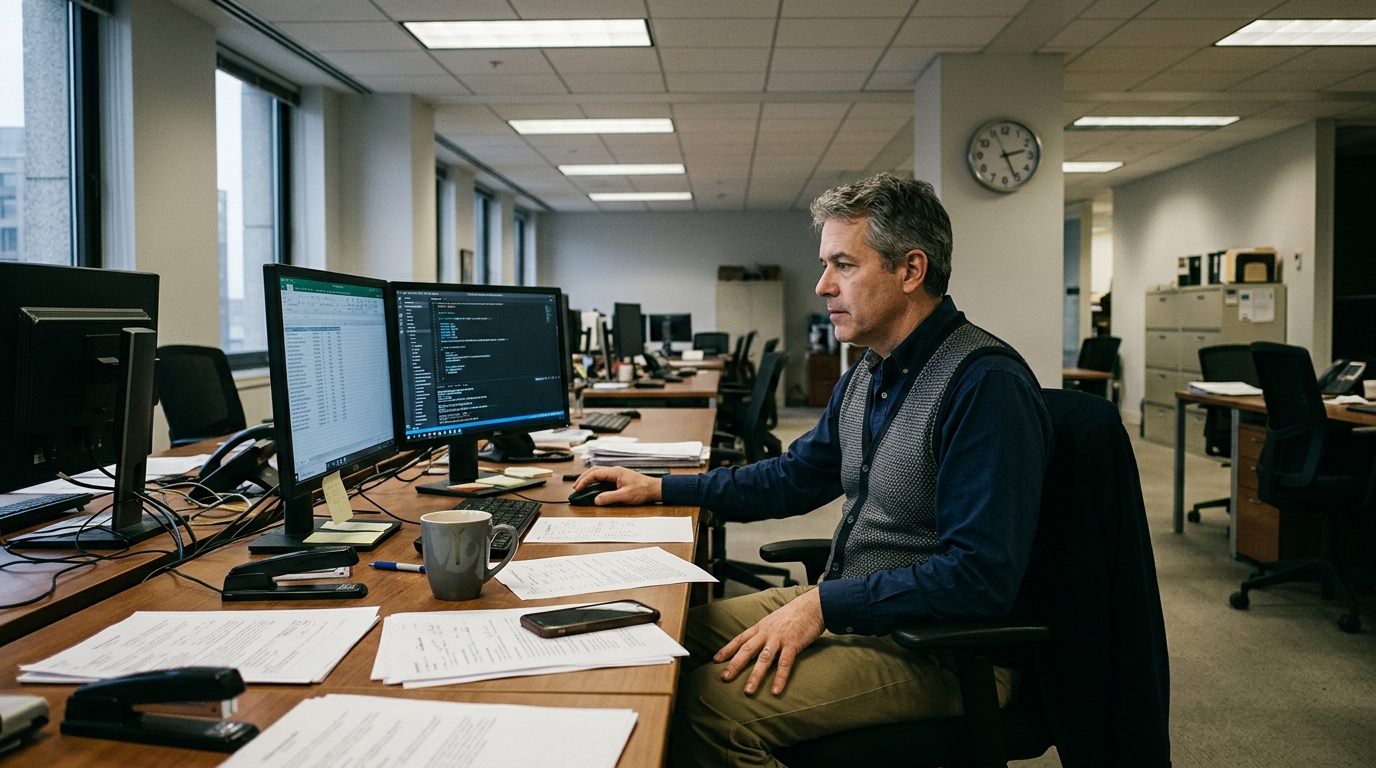
Eight hours at a desk. Then a commute. Then sitting through dinner. Then the couch. For a lot of people, the total amount of time spent in a seated position on a typical weekday runs closer to eleven or twelve hours. And the hip joint, which is designed for a wide range of motion — walking, climbing, rotation — spends most of that time locked at roughly ninety degrees. What that does over months and years is significant. The muscles and connective tissue that support the hip gradually adapt to that shortened position. The hip flexors tighten. The posterior chain, including the glutes and hamstrings, weakens from under-activation. And the joint itself becomes accustomed to minimal movement demands — which means when you do ask it to perform, it protests.
This isn’t weakness. This is a predictable biological response to a lifestyle that moved indoors and stayed there. The body is adaptive. The problem is that it adapts toward whatever you do most — and for most adults today, that means adapting toward stillness. Recognizing that isn’t discouraging. It’s the beginning of changing it.
Stretching is a start. Supporting the inside is the rest of the answer.
When Stiffness Starts Writing Your Schedule
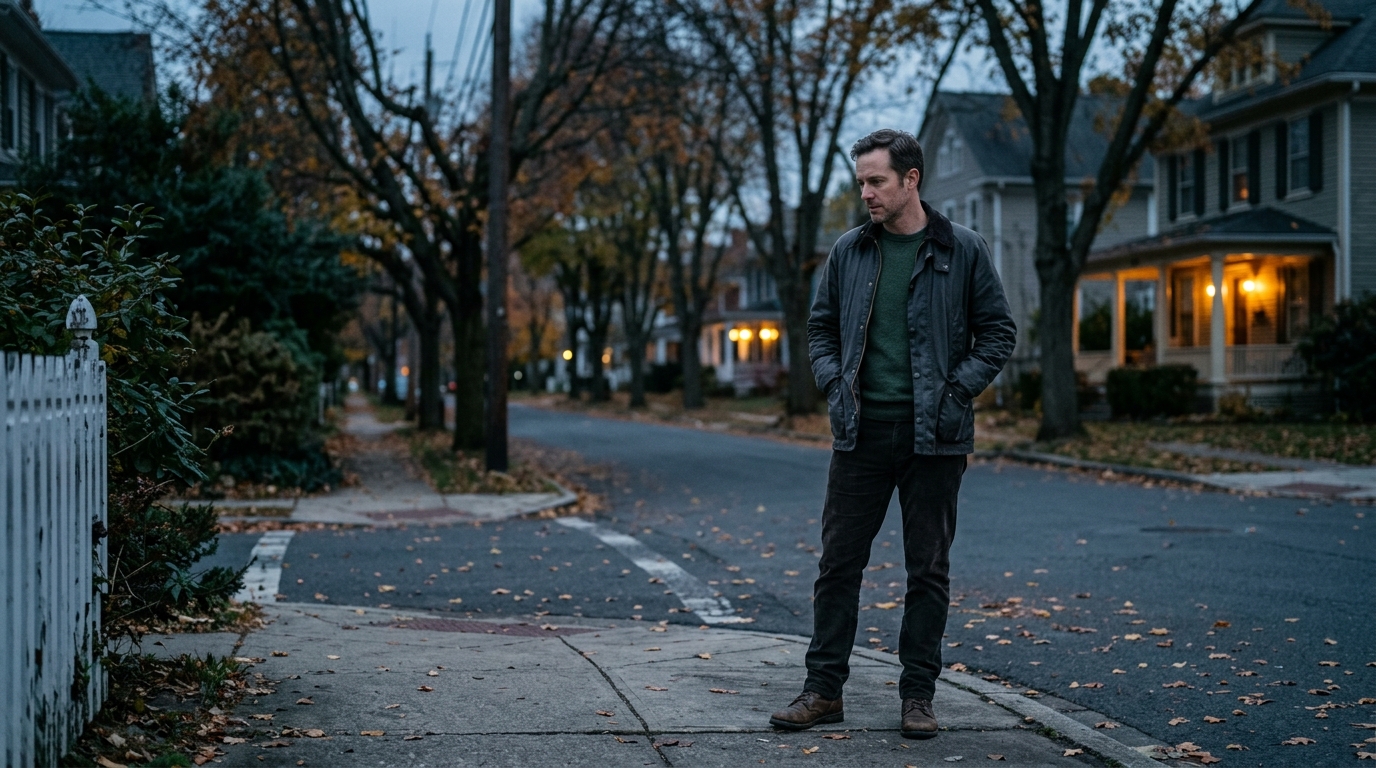
Here’s where this stops being just a physical conversation. There’s a behavioral shift that happens gradually — almost invisibly — when stiffness becomes a consistent daily experience. You stop suggesting the evening walk. You decline the weekend hike not because you can’t do it in the abstract, but because you know how your hips will feel afterward. You start arriving at the restaurant early so you can grab a booth instead of a tall bar stool. Nobody makes a conscious decision to limit themselves. It happens in small choices, moment by moment, over months. And the emotional residue is real: a low-grade sense of losing something, of your body becoming less available to you, of the person you want to be and the person your body cooperates with starting to separate from each other.
That gap — between who you are and what your body will let you do — is the quiet cost of untreated joint stiffness.
It’s not dramatic. It doesn’t announce itself. But it accumulates. And it’s one of the most common reasons people in their forties and fifties start pulling back from active life, not because they’re old, but because nobody helped them understand what was actually happening — and what could actually help.
The evenings you want are closer than the stiffness makes them feel.
Why Stretching Alone Isn’t Getting You There
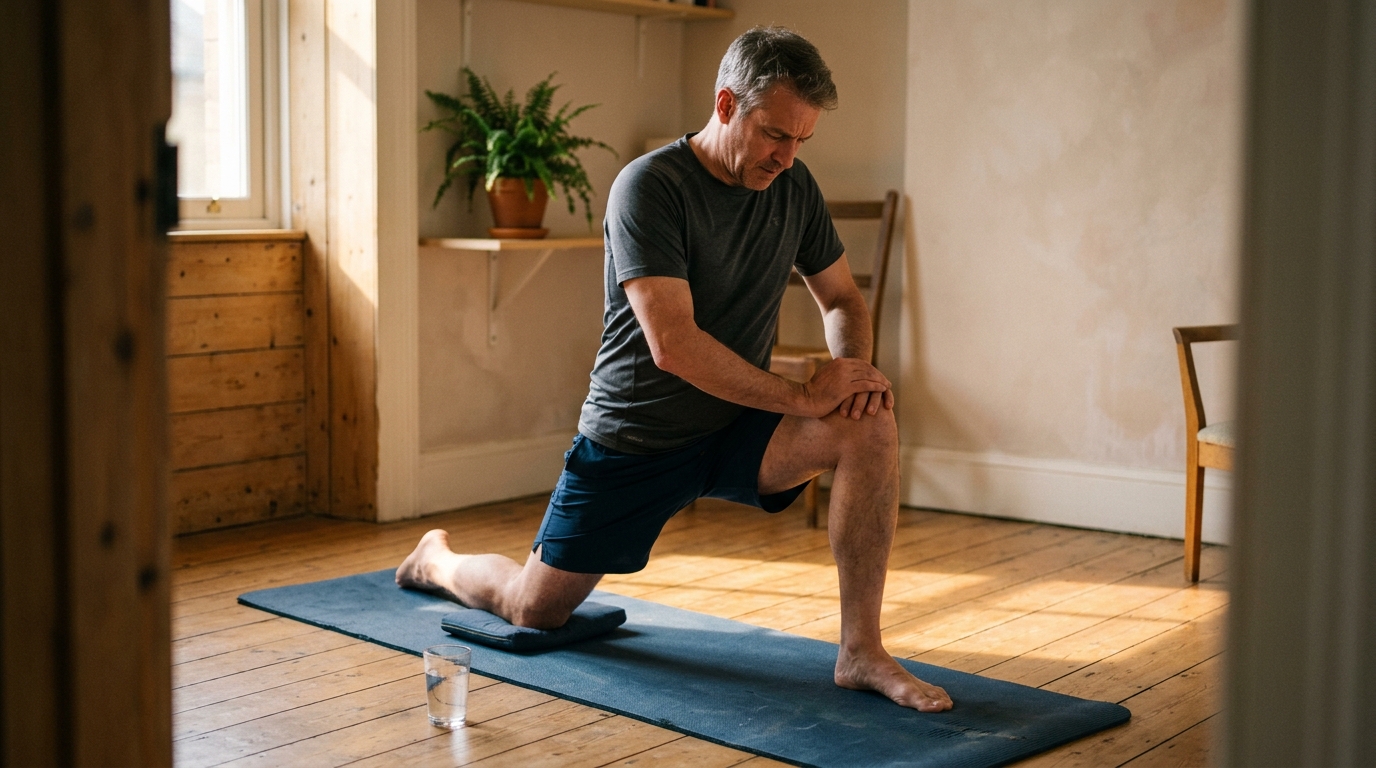
Stretching helps. Moving more helps. Anyone who tells you otherwise is selling something that requires you to stay stuck. But stretching addresses the muscular and fascial tightness around the joint — the external landscape. It doesn’t directly address what’s happening inside the capsule, at the level of the synovial fluid and cartilage. That distinction matters because a lot of people stretch consistently and still feel that same morning or post-sitting stiffness returning. They’re doing the right thing, and they’re still not fully getting there. That’s not a failure of effort. That’s a gap in what stretching alone can reach.
The internal environment of the joint — how well-hydrated the cartilage is, how viscous and functional the synovial fluid remains, how well inflammation within the capsule is being regulated — those are factors that respond to what you put into your body, not just how you move it. The joint needs building blocks at a cellular level. And for adults who spend significant time sitting, supporting that environment from the inside becomes less optional and more essential over time.
Move Like Your Evenings Matter
Stand up from your desk without bracing. Your joints deserve the same attention as everything else you care about.
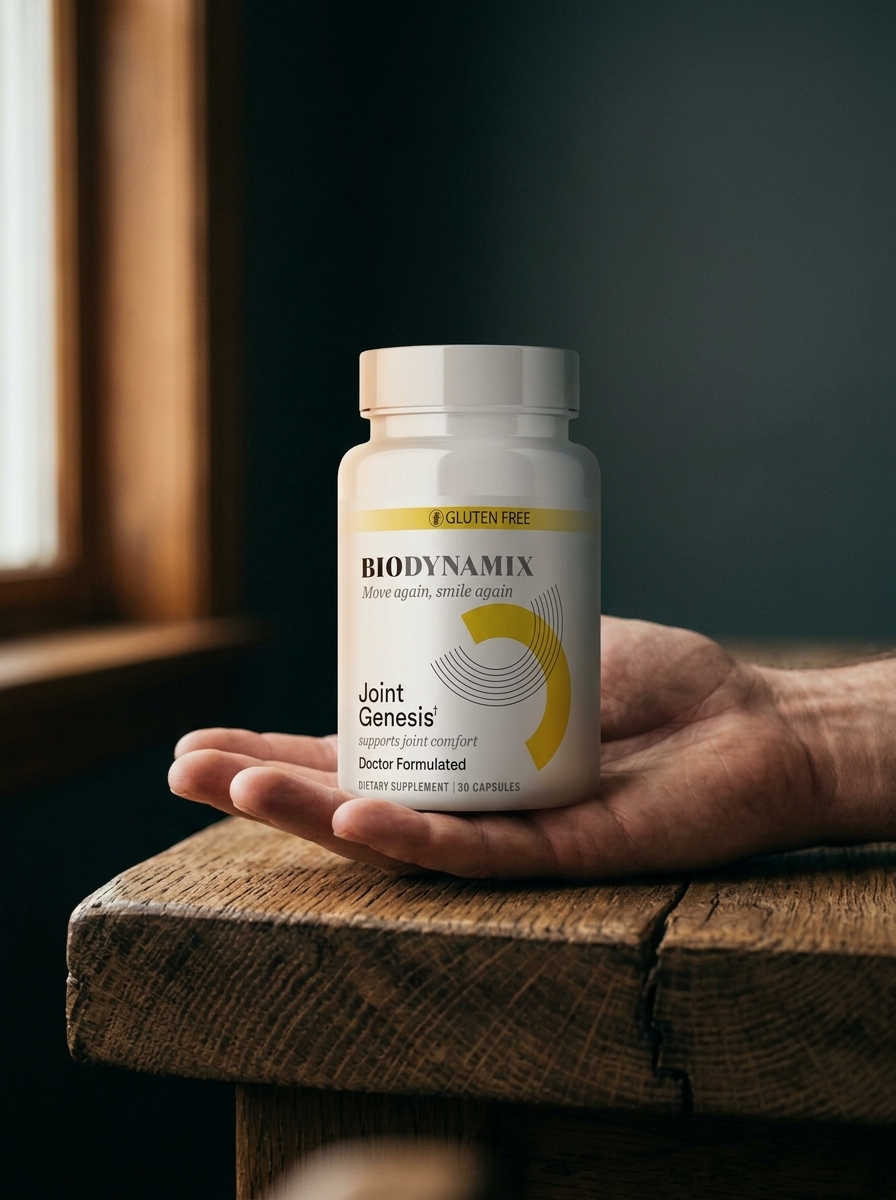
Joint Genesis targets the synovial environment directly — supporting fluid viscosity, cartilage hydration, and inflammation balance inside the joint. Not a pain patch. Not a workaround. A real shift in the internal conditions that make movement feel easy or guarded. Built for people who sit long and want to live long.
- ✓ Supports synovial fluid thickness so your hips don’t protest every transition
- ✓ Nourishes cartilage at the cellular level — where stretching alone can’t reach
- ✓ Helps keep low-grade joint inflammation from quietly narrowing your days
Supporting the Joint From the Inside Out
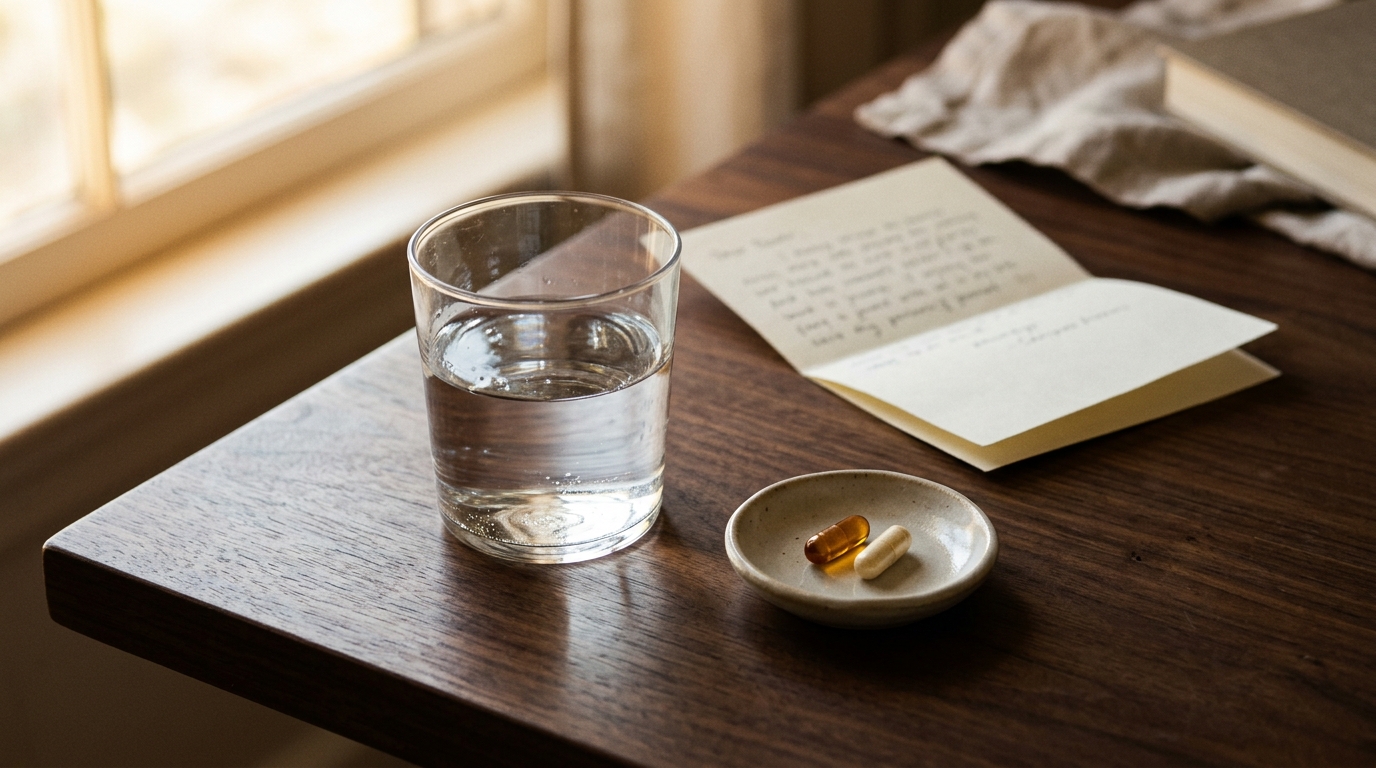
When people start thinking seriously about joint health, they often go looking for something that treats pain. That’s understandable, but it’s the wrong frame. The more powerful question is: what supports the environment in which the joint lives? What helps the synovial fluid stay thick and lubricating? What gives cartilage the nutritional inputs it needs to maintain its cushioning structure? What keeps low-grade inflammation inside the joint from quietly eroding the tissue quality over years?
Those are the questions that lead somewhere meaningful. Joint Genesis was designed around exactly that kind of thinking — targeting the synovial environment and cartilage health directly, supporting the hydration and cushioning capacity that makes movement feel smooth rather than guarded. The difference isn’t a sudden loosening. It’s a gradual shift in the baseline. Standing up from your desk feels a little easier. Your first steps in the morning carry a little more confidence. The after-work walk goes a little further before you think about turning back.
That’s not a dramatic transformation. It’s a quiet one — the kind that only becomes obvious in hindsight when you realize you haven’t been doing the mental calculus around stairs for a few weeks.
What if standing up from your desk stopped being something you braced for?
What Your Evenings Could Feel Like
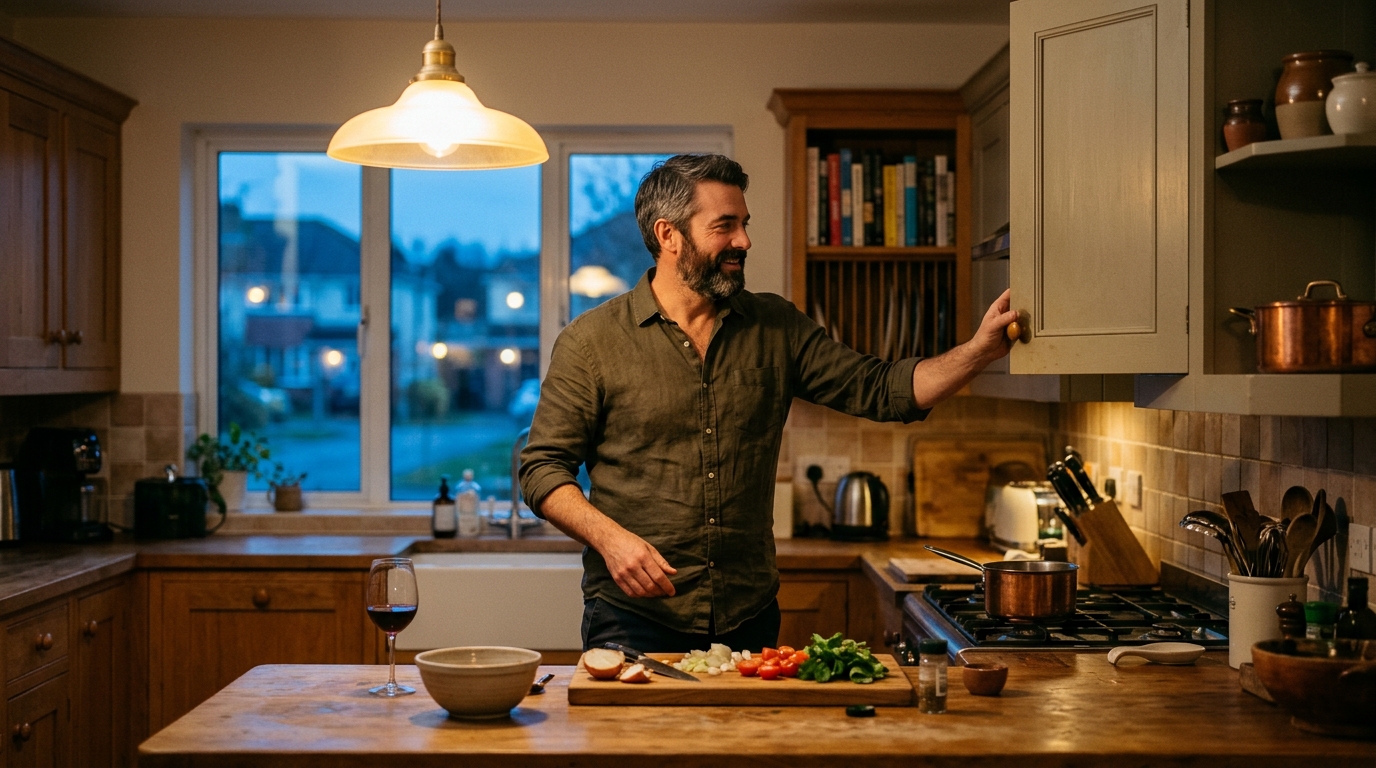
Imagine finishing your workday and standing up from your chair without bracing for it. Walking to the kitchen without that first-minute shuffle your family has probably noticed but hasn’t mentioned. Deciding to take a short walk after dinner not because your doctor told you to, but because it feels good — because your body actually wants to move and isn’t punishing you when you do. That’s not a fantasy version of being twenty-five again. That’s a realistic picture of what life looks like when joint health is supported the way it deserves to be. Your hips have a job to do. They carry you through every single day. They absorb the impact when you climb stairs, drive through traffic, and get up from the floor where your kids are playing. They were built for a wide, active range of motion — and that capacity doesn’t have to fade as quickly as the modern workday would have it.
The people who hold onto their mobility longest aren’t the ones who never sat at desks. They’re the ones who took the internal environment seriously before it became an obvious problem. They supported their joints with the same intention they brought to everything else they cared about.
The internal environment of your joint responds. Give it what it needs.
You Don’t Have to Accept the Smaller Version of Your Day
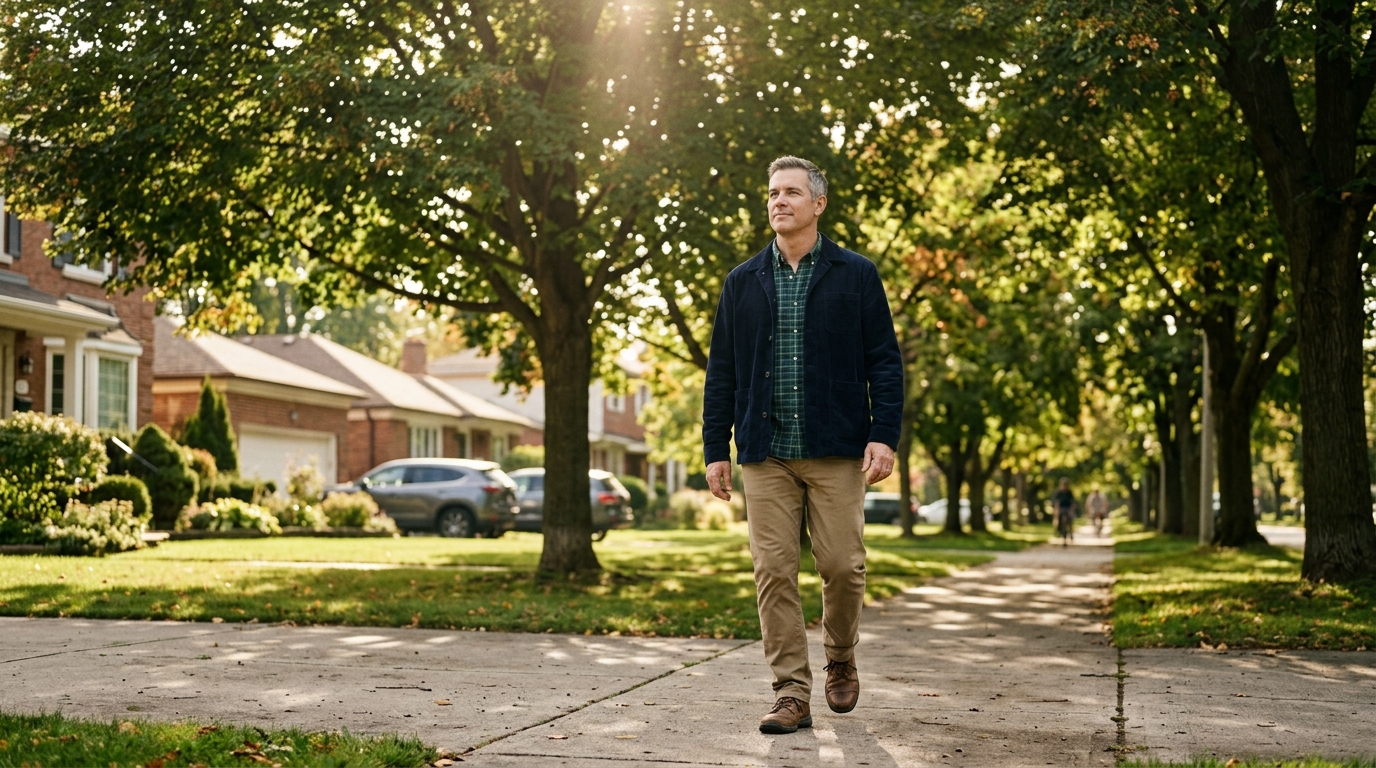
There’s a version of your evenings that isn’t defined by how your hips feel after sitting. A version where you don’t measure how far you parked from the door, where the stairs are just stairs, where the idea of a weekend morning walk doesn’t come with a mental asterisk about how you’ll pay for it later. That version starts with honest attention — noticing the pattern, taking the stiffness seriously as information rather than noise, and choosing to address what’s happening inside the joint rather than simply tolerating it.
The body responds. That’s the thing people forget when stiffness has been a background hum for so long that it starts to feel permanent. It isn’t.
Biology is more responsive than we give it credit for, especially when we stop waiting for a problem to get dramatic before we address it. Your hips carried you through everything that built the life you have. They deserve to carry you through everything still to come — fluidly, confidently, without that reluctant hesitation that’s been following you home at the end of the day. That’s not too much to want. It’s exactly the right thing to want.
Written by Elias Menden — for those who seek strength that lasts past five o’clock
You’ve done the stretching. This is what reaches where stretching can’t.