The soreness used to linger for days. Not the good kind of muscle fatigue that whispers of progress, but the heavy, dragging ache that made climbing stairs feel like a negotiation with my own body. I’d stretch, foam roll, soak in Epsom salt baths, drink protein shakes within the golden thirty-minute window — all the recovery rituals that fitness magazines promised would help. Yet my muscles held onto tension like they were guarding secrets.
What I didn’t understand then was that recovery isn’t just about what happens in muscle fibers. It’s about the quiet conversation between hormones and metabolism, the way cortisol and insulin dance together to either invite healing or keep inflammation simmering just below the surface.
The breakthrough came when I started paying attention not just to my training, but to the metabolic environment where recovery was supposed to happen. That’s when everything shifted — including my morning ritual with Nagano Tonic.
The Morning My Body Felt Different

Six weeks ago, I woke up expecting the familiar stiffness from the previous day’s workout. My shoulders usually carried the weight of overhead presses for at least forty-eight hours, a reminder that my thirty-eight-year-old body processed effort differently than it used to. But that Tuesday morning, something felt lighter. I rolled my shoulders experimentally. No grinding sensation. No sharp protest when I reached for the curtains.
It wasn’t that the workout had been easier — if anything, I’d pushed harder than usual. The difference was in how my body was processing the aftermath.
That was the first morning I truly noticed what had been building quietly over weeks of consistent changes.
Ready to support your body’s natural recovery mechanisms?
When Hormones Hijack Your Healing

The research on hormones and muscle recovery reads like a detective story where the victim and the perpetrator are the same person. Cortisol, our stress hormone, serves as both protector and saboteur. When chronically elevated — which happens easily with demanding schedules, poor sleep, or metabolic dysfunction — it interferes with protein synthesis and prolongs inflammation. But cortisol doesn’t work alone. It partners with insulin resistance, creating a metabolic environment where your muscles struggle to access the nutrients they need for repair.
Your protein intake might be perfect, your timing flawless, but if your hormonal environment is chaotic, recovery becomes an uphill battle against your own biochemistry.
What fascinated me most was learning that metabolic health and hormone balance aren’t separate systems — they’re part of the same intricate web.
Discover what metabolic support can do for your training recovery.
The Metabolism-Recovery Connection Nobody Talks About

Most fitness conversations focus on the mechanical aspects of recovery: muscle damage, protein synthesis, glycogen replenishment. These matter enormously. But they’re happening within a metabolic context that can either accelerate or sabotage the entire process. When your metabolism is sluggish — when your cells aren’t efficiently converting fuel into energy — recovery becomes metabolically expensive.
It’s like trying to renovate a house with inconsistent electricity; the work gets done eventually, but everything takes longer and requires more effort.
I started thinking about my own recovery patterns differently. The days when I bounced back quickly weren’t necessarily the days I’d eaten perfectly or slept longest. They were the days when my energy felt steady and sustainable, when my metabolism seemed to be humming along efficiently. Those were the days my body had the metabolic resources to invest in repair instead of just maintenance.
Transform your relationship with post-workout fatigue and stiffness.
Finding What Actually Worked

The conventional recovery wisdom felt increasingly hollow as I paid closer attention to what my body was actually telling me. Yes, protein mattered. Yes, sleep was crucial. But there was a missing piece that had to do with metabolic support — giving my body the tools to create the right internal environment for healing.
That’s when I discovered Nagano Tonic, not through fitness circles but through research into metabolic health supplements. The blend of traditional herbs and metabolism-supporting compounds intrigued me. Instead of targeting recovery directly, it approached the problem from the metabolic side — supporting the engine that powers all recovery processes.
The first few days felt subtle, like a gentle adjustment rather than a dramatic intervention. But by the second week, the changes were unmistakable.
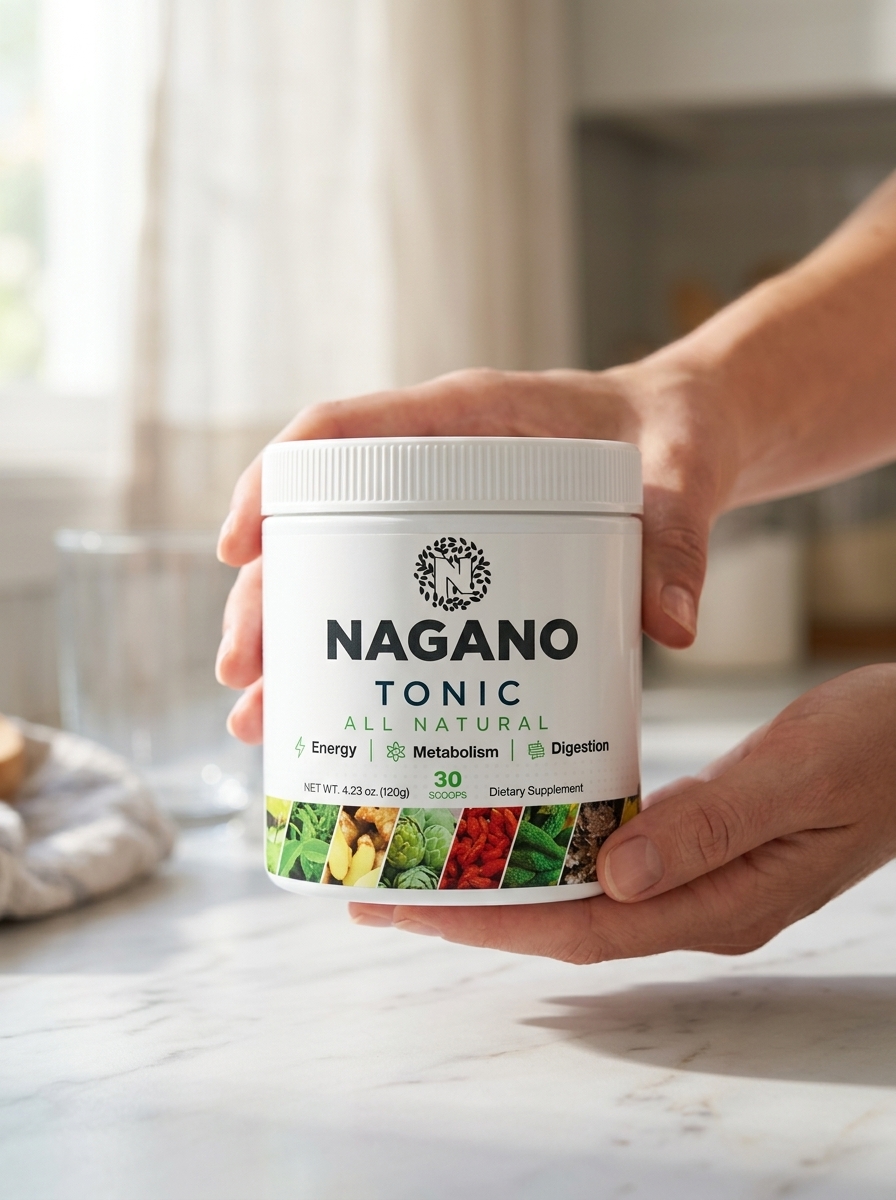
Metabolic Recovery Support
When your metabolism works efficiently, your muscles recover like they used to.
Nagano Tonic supports the metabolic pathways that power recovery. Green tea extract and traditional herbs work together to optimize cellular energy production, creating the internal environment where healing happens naturally. Instead of fighting fatigue, you work with your body’s natural repair processes.
- ✓ Deeper, more restorative sleep patterns
- ✓ Faster bounce-back between training sessions
- ✓ Clean energy without metabolic crashes
Six Weeks of Daily Use: What Changed

The transformation wasn’t dramatic or sudden — it was the kind of gradual improvement that accumulates quietly until one day you realize everything feels different.
By week three with Nagano Tonic, I was sleeping more deeply, waking up less stiff, and noticing that my usual post-workout fatigue was lighter and shorter-lived. Week four brought the real surprise: I could train with higher intensity more frequently without that dragging exhaustion that used to signal I needed an extra rest day. My muscles were still working hard, but they were bouncing back faster, as if they had access to better fuel for the repair process.
By week six, my recovery patterns had shifted so noticeably that my training partner started asking what I was doing differently.
The answer wasn’t more protein or better sleep — it was metabolic support that created the right internal environment for everything else to work more efficiently.
Give your muscles the metabolic environment they need to heal.
The Science Behind the Shift

What makes Nagano Tonic effective isn’t any single ingredient, but how the combination supports metabolic pathways that influence recovery. The green tea extract and metabolism-boosting herbs work synergistically to improve cellular energy production, while compounds like bitter melon help optimize how your body processes nutrients. This metabolic optimization creates a ripple effect. When your cells can efficiently convert fuel into energy, they have more resources available for repair processes.
When your hormone balance improves through better metabolic health, inflammation resolves more quickly and protein synthesis happens more effectively.
The research on metabolic flexibility — your body’s ability to switch between fuel sources efficiently — shows how directly this relates to recovery. Bodies that can adapt their energy production based on what’s available recover faster because they’re not locked into inefficient metabolic patterns that waste energy on maintenance instead of repair.
Stop fighting your body and start working with it.
What My Mornings Look Like Now

These days, I wake up curious about how my body feels rather than bracing for stiffness. Yesterday’s workout feels like a conversation that ended well rather than an argument that’s still echoing. The soreness that remains is clean and purposeful — the kind that signals adaptation rather than struggle. My daily routine with Nagano Tonic has become as natural as my morning coffee, but with a different kind of awakening.
Instead of caffeine’s sharp alertness, it’s the steady confidence that comes from knowing my body has the metabolic tools it needs to handle whatever the day brings.
The most profound change isn’t just faster recovery — it’s the sense of partnership with my body instead of constant negotiation.
When your metabolism is working efficiently, everything else flows more easily. Recovery becomes less about forcing healing and more about creating the conditions where healing happens naturally. Six weeks showed me that the missing piece in my recovery puzzle wasn’t another technique or supplement to add to my routine. It was metabolic support that made everything I was already doing work better. Some discoveries feel like revelations; this one felt like coming home to how my body was always meant to function.
Written by Liora Menden — for those who seek natural vitality
Wake up curious about how you feel instead of bracing for pain.