Three o’clock hits and suddenly you’re staring at your computer screen like it’s written in a foreign language. Your eyelids feel heavy. Your brain feels wrapped in cotton. You reach for another coffee, maybe a granola bar, anything to push through the fog that descended without warning.
You blame it on the meeting that ran long, the poor sleep from last night, the stress of deadlines. But what if I told you the real culprit lives in your kitchen cabinet, hiding in plain sight among foods you consider healthy?
The energy thief I’m talking about isn’t caffeine withdrawal or afternoon laziness. It’s the invisible roller coaster your blood sugar rides every single day, taking your energy, focus, and mood along for the chaotic journey.
The Morning That Changed Everything

Sarah thought she was doing everything right. Whole grain toast with almond butter for breakfast. A green smoothie packed with fruit. Oatmeal on busy mornings when she needed something quick and filling. Her intentions were good—she was choosing foods that seemed nutritious, balanced, responsible.
But by 10 AM, she’d hit a wall. By 2 PM, she was fighting to keep her eyes open in meetings. By 4 PM, she was irritable with her kids, snapping over homework questions that should have been simple conversations.
She blamed her busy life, her age, the natural rhythm of working motherhood.
Then her doctor mentioned something during her annual checkup that made everything click into place. “Your fasting glucose is creeping up,” he said, pointing to a number on her lab results. “Not diabetic yet, but heading in that direction. We should talk about what’s happening with your blood sugar throughout the day.” That conversation opened Sarah’s eyes to a reality she’d never considered: her “healthy” breakfast was sending her blood sugar on a wild ride that lasted all day, every day. The whole grain toast, the fruit-heavy smoothie, even the supposedly heart-healthy oatmeal—they were all converted to sugar in her bloodstream faster than her body could handle.
For a practical comparison, read the guide to best blood sugar supplements for steady energy.
Ready to break free from the afternoon energy crash cycle?
The Invisible Roller Coaster
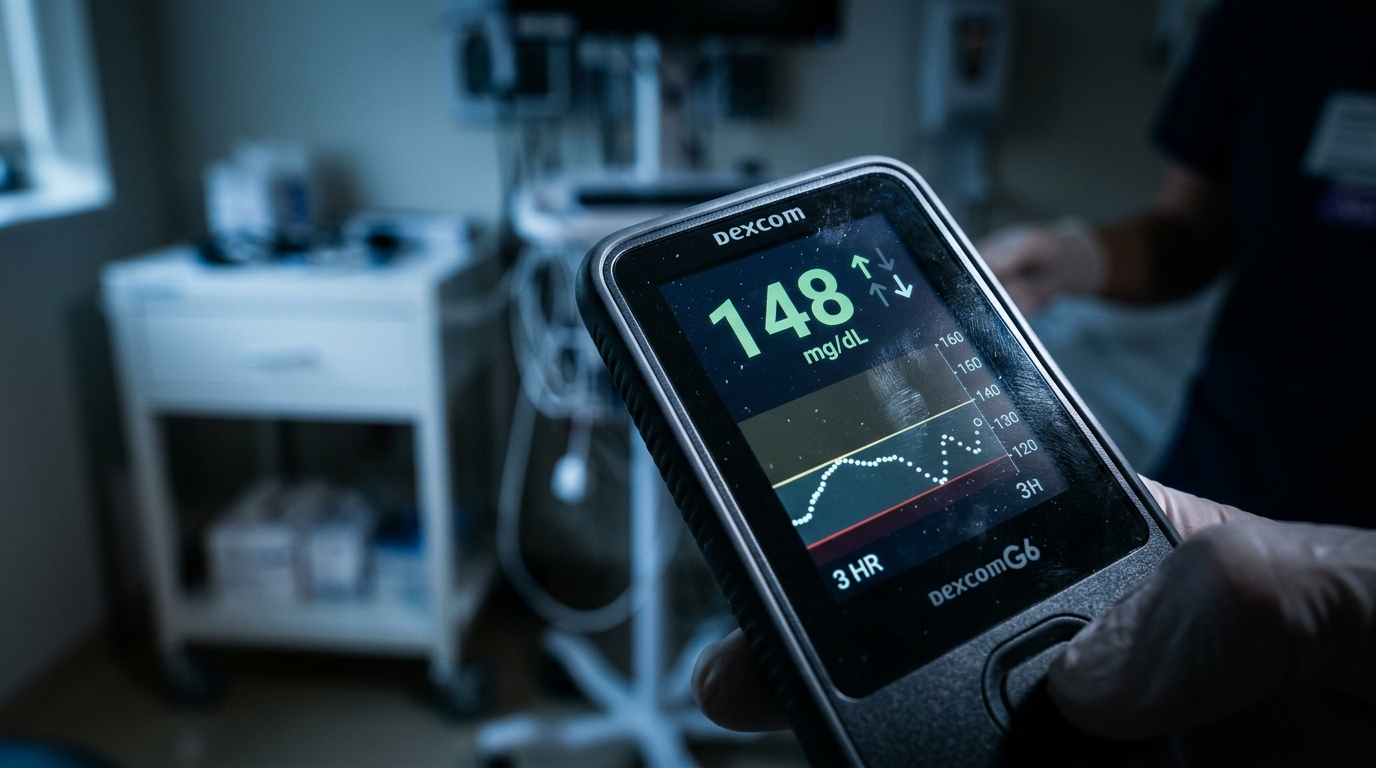
Blood sugar isn’t just about diabetes. It’s about energy. About mental clarity. About whether you feel steady and strong throughout your day or like you’re constantly fighting against your own body. Most people don’t realize that blood sugar fluctuations are behind many of the daily struggles they’ve learned to accept as normal.
Here’s what happens inside your body when blood sugar spikes and crashes: You eat something that converts quickly to glucose. Your pancreas rushes to produce insulin to manage the flood of sugar. Your cells absorb what they can, but excess glucose gets stored as fat. Then, as insulin does its job too well, your blood sugar plummets below where it started.
Your body interprets this crash as an emergency. Stress hormones flood your system. Your brain, desperate for fuel, sends urgent hunger signals. You feel tired, foggy, irritable, anxious. You crave something sweet or starchy to bring your energy back up. The cycle begins again.
This roller coaster doesn’t just affect how you feel in the moment. It’s quietly shaping your metabolism, your weight, your risk for chronic disease, and your ability to think clearly under pressure.
Your metabolism deserves the targeted support it’s been missing.
What Your Body Actually Needs

Your body is designed to run on steady fuel, not sugar spikes. Think of blood sugar like the idle of a well-tuned car engine—it should purr along consistently, not rev up and stall out repeatedly throughout the day. When blood sugar stays stable, your energy stays stable. Your mood stays even. Your brain works clearly from morning until night.
The challenge is that modern food makes stable blood sugar incredibly difficult to maintain. Even foods marketed as healthy—whole grain cereals, fruit juices, low-fat yogurts sweetened with fruit—can send glucose levels soaring. Your body’s ancient systems, designed for a world where sweet foods were rare seasonal treats, are overwhelmed by the constant influx of quick-digesting carbohydrates.
But here’s what’s possible when blood sugar finds its natural rhythm: You wake up with energy that lasts. You think clearly through challenging projects. You feel satisfied after meals without craving something sweet an hour later. You sleep better because your blood sugar isn’t dropping in the middle of the night, triggering stress hormones that jar you awake.
This isn’t about perfection or eliminating entire food groups. It’s about giving your body the support it needs to process glucose efficiently, to maintain the steady energy you’re designed to feel.
Experience what steady energy feels like from morning to night.
The Support Your Metabolism Has Been Missing

After years of watching people struggle with energy crashes and sugar cravings despite their best dietary efforts, I’ve seen how powerful the right metabolic support can be. Not meal replacement shakes or restrictive diets that are impossible to maintain, but targeted nutrition that works with your body’s natural processes. That’s where Sugar Defender comes in.
This isn’t about replacing healthy eating habits—it’s about giving your metabolism the specific nutrients it needs to handle blood sugar efficiently. The formula combines ingredients that have been studied for their ability to support glucose metabolism, insulin sensitivity, and steady energy production at the cellular level.
What I appreciate about Sugar Defender is how it addresses blood sugar support from multiple angles. While many supplements focus on just one pathway, this formula recognizes that metabolic health is complex. It includes compounds that support how your body processes glucose, how your cells respond to insulin, and how efficiently you convert food into steady energy rather than stored fat.
I’ve watched people transform their daily experience when they finally get the right metabolic support. The afternoon crashes disappear. The constant hunt for snacks ends. The brain fog lifts. They start feeling like themselves again—energetic, clear-thinking, emotionally steady throughout the day.

Steady Energy All Day
No more afternoon crashes or constant cravings for sugar.
Sugar Defender provides targeted metabolic support to help your body process glucose efficiently. The carefully selected ingredients work together to support healthy blood sugar levels, giving you steady energy from morning to night without the roller coaster of spikes and crashes.
- ✓ Sustained focus without afternoon fog
- ✓ Natural energy that lasts all day
- ✓ Freedom from constant sugar cravings
When Balance Returns

Mark had been dealing with afternoon energy crashes for years. As a software engineer, he needed his brain sharp and focused, but most days by 3 PM, he could barely concentrate on simple coding tasks. He’d tried everything—different breakfast combinations, meal timing, cutting out coffee, adding more coffee. Nothing seemed to work consistently.
When he started supporting his blood sugar properly with Sugar Defender, the changes weren’t immediate, but they were noticeable. First, the post-lunch crash became less severe. Then it started happening later in the day. Within a few weeks, he realized he was making it through entire afternoons without that familiar energy drain.
More importantly, his evening energy improved. Instead of collapsing on the couch after dinner, too tired to engage with his family, he found himself present and alert through bedtime. His sleep improved because his blood sugar wasn’t spiking and crashing overnight. His morning energy felt more natural, less dependent on coffee to function.
This is what stable blood sugar actually feels like—not perfect, not superhuman, but steady and sustainable.
Stop accepting energy crashes as normal part of your day.
The Science of Steady Energy

Blood sugar stability isn’t just about avoiding sugar crashes—it’s about optimizing how every cell in your body produces energy. When glucose levels stay within a healthy range, your cells can efficiently convert fuel into ATP, the energy currency that powers everything from muscle contractions to brain function. The ingredients in Sugar Defender work at this cellular level.
Some support the transport of glucose into cells where it can be used for energy rather than stored as fat. Others help improve insulin sensitivity, so your body doesn’t need to produce as much insulin to manage blood sugar effectively. Still others support the mitochondria—the powerhouses of your cells—in converting fuel to energy efficiently.
This cellular support translates into real-world benefits you can feel. Steady energy throughout the day. Better mental clarity during challenging tasks. Improved recovery from workouts because your muscles can access fuel efficiently. Better mood stability because your brain isn’t experiencing the stress of constant glucose fluctuations.
When your metabolism works efficiently, everything else becomes easier. You’re not fighting against energy crashes or constant cravings. You’re not wondering why you feel tired despite getting enough sleep, or why your focus disappears at predictable times each day.
Give your body the metabolic foundation it needs to thrive.
Building Your Energy Foundation

Supporting healthy blood sugar is one of the most fundamental things you can do for your overall energy and health. It affects how you feel every single day, how well your brain works, how efficiently your body burns fat, and how resilient you are to stress. Sugar Defender makes this support simple and sustainable.
Rather than requiring dramatic dietary changes or complicated meal planning, it provides your metabolism with the targeted nutrition it needs to function optimally. You can continue eating foods you enjoy while giving your body better tools to process them efficiently. The transformation isn’t instant, but it’s profound.
People describe feeling more like themselves—energetic in the morning, focused during challenging tasks, present with family in the evening. They sleep better, wake up more refreshed, and feel confident in their body’s ability to maintain steady energy throughout long, demanding days.
If you’ve been accepting energy crashes and afternoon brain fog as normal, you don’t have to. Your body is capable of steady, sustainable energy when it has the right support. Blood sugar balance is the foundation that makes everything else possible—the clear thinking, the consistent energy, the feeling that your body is working with you rather than against you.
The hidden energy thief in your kitchen doesn’t have to control your days anymore. With the right metabolic support, you can reclaim the steady vitality you’re designed to feel.
Written by Elias Menden — for those who seek lasting energy
Transform how you feel every single day with proper support.