The mirror doesn’t lie at 42, even when you wish it would. I stood there Tuesday morning, coffee growing cold on the bathroom counter, studying a face that looked tired in ways sleep couldn’t fix. Not lined exactly—I’d been religious about sunscreen since my twenties. Just flat. Matte where there used to be luminosity. Like someone had turned down the brightness setting on my complexion and forgotten to turn it back up.
My daughter caught me there, tilting my chin toward the window light, searching for something I couldn’t name. “Mom, you look fine,” she said with teenage impatience. Fine. The most devastating compliment a woman over 40 can receive. I used to glow. Now I was fine.
That’s when I started paying attention to something I’d been ignoring: the feeling that my skin was just going through the motions.
Perfectly moisturized on the surface, but somehow hollow underneath. Like a plant that gets watered but doesn’t get enough light.
When Everything You Trust Stops Working

I had built my routine like a fortress over the years. Every product earned through research, reviews, and trial. Vitamin C serum each morning, religiously applied before sunscreen. Retinol at night, carefully ramped up over months to avoid irritation. A hyaluronic acid that cost more per ounce than good olive oil. I followed the rules, respected the pH levels, waited the proper minutes between layers.
And for years, it worked beautifully. My skin responded with that subtle plumpness that makes people ask if you’ve been getting enough sleep, even when you haven’t.
But sometime in the past year, the magic had faded. Same products, same routine, diminishing returns. My reflection looked like it was trying very hard to be pretty instead of simply being radiant. The worst part wasn’t the visible changes—it was the feeling that I was fighting against my own biology instead of working with it.
Ready to support your cells’ natural energy production?
The Problem Living Under the Surface

My aesthetician, Maria, has known my skin for eight years. She’s watched it through pregnancies, stress periods, hormonal shifts. When I mentioned the persistent dullness during my last facial, she paused her gentle extractions and looked at me thoughtfully. “Your barrier function is actually quite good,” she said, running professional fingers along my cheekbone. “Hydration levels are decent. But something about the energy underneath feels different. Like your cells are just not turning over the way they used to.”
She was right. I could feel it in ways that had nothing to do with appearance—how much longer small marks took to fade, how my complexion looked flat even after a good night’s sleep, how makeup sat differently than it used to.
It wasn’t damage exactly. It was more like my skin had forgotten how to renew itself with the same enthusiasm it once had.
This made sense from everything I’d been reading about cellular aging. The mitochondria in our cells—those tiny powerhouses that fuel every repair process—naturally slow down as we age. Less energy at the cellular level means slower healing, less efficient collagen production, and that indefinable loss of luminosity that no topical product can quite restore.
Experience what happens when your skin has cellular energy to thrive.
Beyond the Bathroom Cabinet

I started researching what actually happens inside aging skin cells. The science fascinated me in ways beauty marketing never had. When mitochondrial function declines, cells can’t generate the energy they need for optimal repair and regeneration. It’s like trying to run a renovation project with a workforce that’s perpetually exhausted.
This is why the most expensive serums in the world can only do so much. They can deliver nutrients to the surface, support the barrier, provide temporary plumping. But if the cellular machinery underneath isn’t functioning efficiently, you’re essentially putting premium fuel in an engine that needs a tune-up.
The more I learned, the more I realized that true skin vitality—that lit-from-within quality I remembered having—depends on robust cellular energy production.
When mitochondria are firing optimally, cells can dedicate resources to making collagen, repairing daily damage, and maintaining the structural integrity that translates to visible radiance. It explained why my carefully curated topical routine, while helpful, felt insufficient. I was addressing symptoms while the root cause—declining cellular energy—went untouched.
Give your cells the support they need for authentic radiance.
The Supplement That Changed Everything

A friend mentioned Mitolyn during one of those honest conversations that happen over wine and shared vulnerabilities. She’d been taking it for three months and looked noticeably more vibrant, though I couldn’t pinpoint exactly why. When she explained that it was designed to support mitochondrial function specifically, something clicked.
Mitolyn isn’t a beauty supplement in the traditional sense. It’s a cellular energy supplement that happens to have profound effects on skin health because healthy, energized cells naturally function better. The science behind it focuses on giving mitochondria the specific nutrients they need to produce energy more efficiently.
I ordered a bottle that evening, drawn by the idea of working from the inside out instead of just managing surface symptoms.

Cellular Energy Awakening
Support your skin’s natural radiance from the mitochondria up.
Mitolyn addresses skin aging at its cellular root—declining mitochondrial function. By supporting your cells’ energy production, it helps restore the natural vitality that topical products alone cannot reach. Experience the difference when your skin has the energy to repair, renew, and glow authentically.
- ✓ Energy that translates to visible luminosity
- ✓ Cellular renewal that feels natural and sustainable
- ✓ Confidence from skin that responds with gratitude
Six Weeks of Small Daily Moments

The first thing I noticed wasn’t visual—it was textural. Around week two, my skin felt different under my fingertips during my morning routine. Slightly firmer, more responsive. Like it was waking up from a long nap. I mentioned it to my husband, who gave me that look that means he thinks I’m imagining things.
By week four, other people started noticing. Nothing dramatic—just comments about looking rested, or healthy, or asking if I’d changed my skincare routine.
Maria noticed immediately during my monthly facial. “Whatever you’re doing, keep doing it,” she said, examining my skin under her magnifying lamp. “The cellular turnover looks much more active.”
The changes built gradually, which I loved. No sudden transformation that would fade just as quickly. Instead, a steady return to the skin behavior I remembered from five years ago. Makeup went on more smoothly. Small marks faded faster. That subtle glow returned to my complexion—not the artificial kind that comes from highlighter, but the organic luminosity of cells that are functioning optimally.
By week six, I was catching glimpses of myself in unexpected mirrors and feeling pleasantly surprised instead of critically analytical.
Transform your skin from the mitochondria up with targeted cellular support.
The Science Working in Real Time
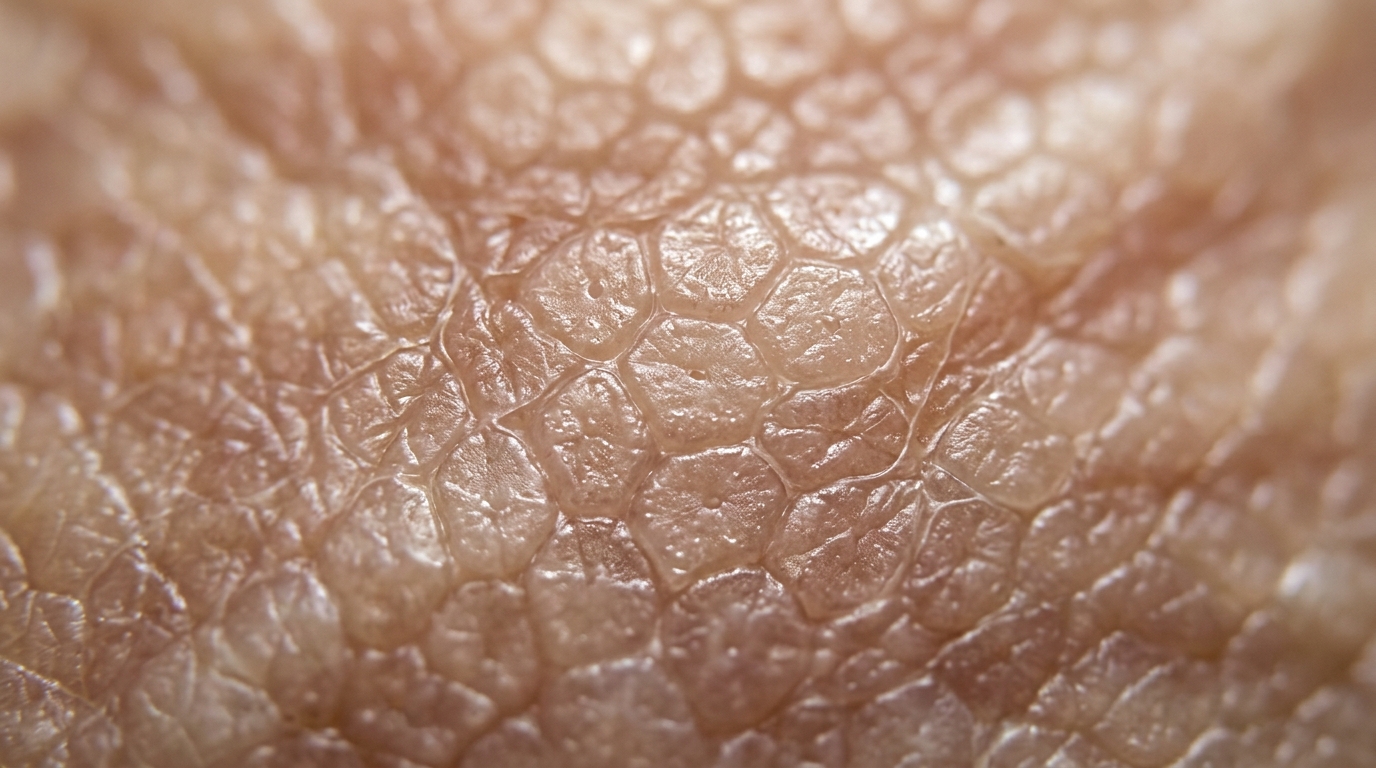
What impressed me most was understanding what was actually happening at the cellular level. Mitolyn provides targeted nutrients that support mitochondrial biogenesis—literally helping cells create more of these energy-producing organelles. More mitochondria means more energy available for all the repair and maintenance functions that keep skin looking vital.
This isn’t about forcing dramatic changes or overriding natural processes. It’s about giving cells the resources they need to function at their best capacity. The result is skin that behaves more like younger skin—not because of any anti-aging miracle, but because the fundamental energy production that drives all cellular processes is running more efficiently.
I love that the improvements felt sustainable. This wasn’t a temporary boost that would disappear the moment I stopped taking the supplement.
Ready to move beyond surface solutions to cellular vitality?
Three Months Later: A New Normal

I’m writing this on a Tuesday morning, same bathroom mirror, same natural light. But the woman looking back is different in ways that feel both subtle and significant. My skin has a presence again—that indefinable quality that makes people want to ask about your routine, your sleep schedule, your vacation plans.
The most beautiful part is how effortless it feels. I’m not fighting against my age or trying to recapture something that’s gone forever. I’m simply supporting my cells’ natural ability to function optimally, and my skin is responding with gratitude. The dullness has lifted. The flat, tired quality has been replaced by a gentle luminosity that feels authentically mine.
My daughter caught me in that same mirror spot yesterday morning, but this time she paused. “Mom, you look really pretty today.” Not fine. Pretty. The difference between surviving and thriving, captured in a teenager’s casual observation.
Some mornings I forget to analyze my reflection because I’m no longer searching for problems to solve.
Written by Liora Menden — for those who seek beauty that begins at the cellular level
Your skin deserves the energy to repair and renew naturally.