The alarm goes off at seven, same as always. You’ve slept eight hours. Good, solid hours. No midnight bathroom trips, no anxiety spirals, no neighbor’s dog barking at shadows. By every measure, you should feel recharged. Instead, you lie there wondering why your body feels like it’s moving through thick air.
This isn’t about needing more coffee or pushing through until the weekend. This is the kind of tired that sits behind your sternum, heavy and persistent, like your internal battery is running at fifteen percent no matter how long you leave it plugged in overnight. You know the feeling — when simple tasks feel monumental, when your usual energy reserves seem to have mysteriously drained away.
I spent months trying to solve this puzzle with all the usual suspects. Earlier bedtimes. Blackout curtains. Magnesium supplements. Sleep apps that promised to optimize my REM cycles. But the real answer was happening at a level I hadn’t considered — deep inside the cellular powerhouses that determine whether you wake up ready for the day or feeling like you’re dragging yesterday’s exhaustion behind you.
The Engine Room Problem

Your cells contain tiny structures called mitochondria — hundreds or thousands of them in each cell, working around the clock to convert nutrients into usable energy. Think of them as your body’s power plants, constantly burning fuel to keep everything running smoothly. When they’re operating efficiently, you feel it in your step, your clarity, your ability to handle whatever the day throws at you.
But mitochondria are remarkably sensitive to stress, poor nutrition, environmental toxins, and the simple passage of time. They can become damaged, sluggish, or inefficient without sending obvious warning signals. The first symptom isn’t pain or illness — it’s that persistent, unexplained fatigue that no amount of rest seems to touch.
When your cellular power plants aren’t running optimally, your entire energy output suffers. You might sleep perfectly and still wake up tired because the fundamental process of energy production at the cellular level has become compromised. The fuel is there, but the machinery to convert it into usable energy isn’t working as it should.
Ready to power your cells from the inside out?
Why Sleep Alone Isn’t Enough

Sleep restores many things — your brain clears metabolic waste, your muscles repair micro-damage, your immune system gets a chance to reset. But sleep doesn’t automatically fix mitochondrial dysfunction. If your cellular powerhouses are struggling, you can rest for ten hours and still wake up feeling like you’re running on empty.
This explains why some people can function beautifully on six hours while others feel exhausted after nine. It’s not just about sleep duration or quality — it’s about whether your cells can efficiently convert the nutrients you consume into the energy your body actually needs to function.
The frustrating part is that conventional wisdom keeps pointing back to sleep hygiene, stress management, and basic nutrition. Those things matter, absolutely. But if the underlying cellular machinery isn’t working properly, you can optimize everything else and still feel like you’re pushing through fog every single day.
Experience what cellular energy support can do for you.
The Cellular Energy Cascade

When mitochondria begin to falter, the effects cascade through every system in your body. Your brain, which consumes about twenty percent of your total energy, starts to feel sluggish. Mental tasks that used to be automatic require more effort. Your muscles fatigue more quickly. Your mood becomes more fragile because emotional regulation requires significant cellular energy.
Even your digestion can slow down, creating a frustrating cycle where the nutrients you need to support cellular energy production aren’t being absorbed efficiently.
Your body starts operating in a kind of conservation mode, prioritizing only the most essential functions while everything else feels harder than it should.
This isn’t dramatic or sudden. It’s gradual, subtle, easy to dismiss as normal aging or stress. But there’s nothing normal about feeling persistently tired when your external circumstances suggest you should feel energized and capable.
Stop fighting fatigue and start supporting your mitochondria.
What Changed the Pattern

The breakthrough came when I started thinking about fatigue as a cellular problem rather than a lifestyle problem. Instead of trying to force more energy through willpower or better habits, I began supporting the fundamental processes that create energy at the mitochondrial level.
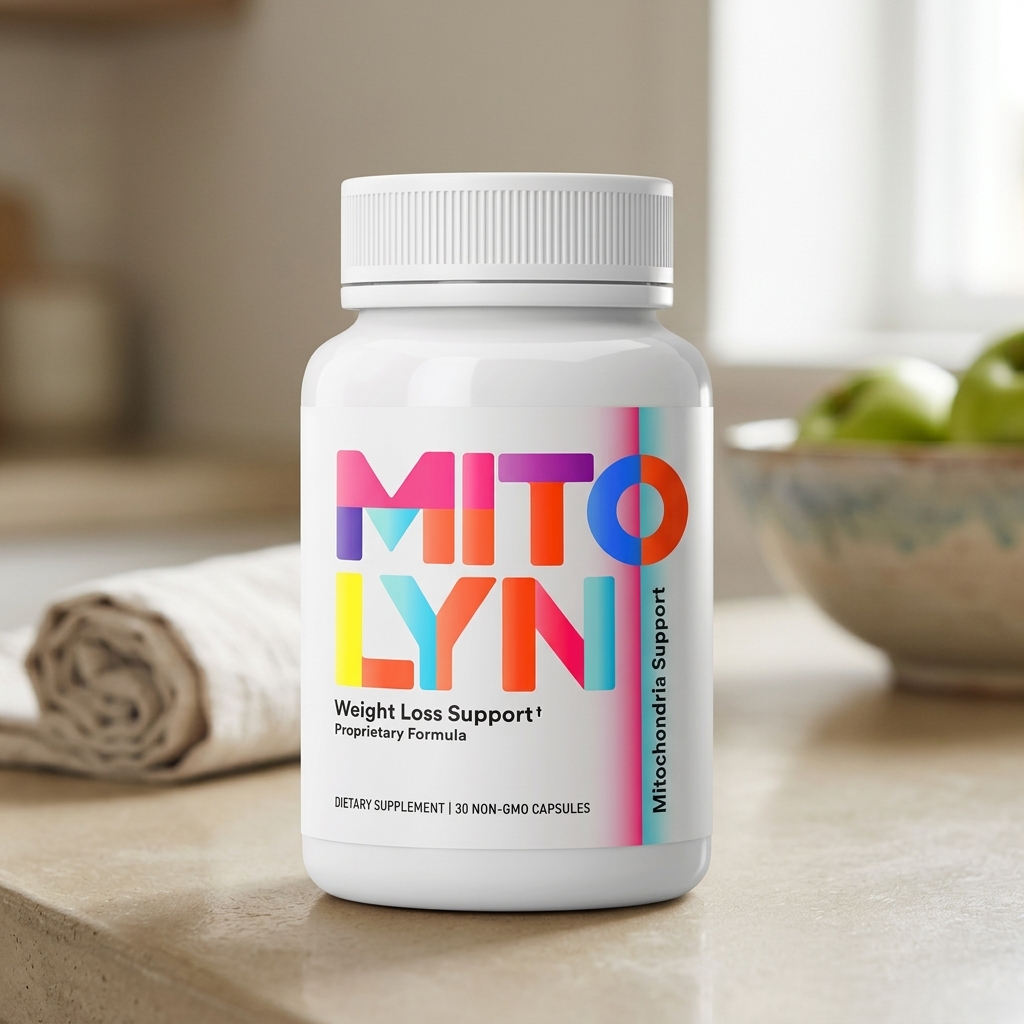
That’s when I discovered Mitolyn, a supplement specifically designed to support mitochondrial function and cellular energy production.
Unlike stimulants that create temporary energy spikes followed by crashes, Mitolyn works at the source — helping your cellular powerhouses operate more efficiently so your body can produce steady, sustainable energy naturally.
Within the first few weeks of taking Mitolyn, I noticed something shifting. Not a dramatic surge of energy, but a gradual return to feeling like myself. Mornings became easier. That heavy, dragging sensation started to lift. Tasks that had felt overwhelming began to feel manageable again.
Power Your Cellular Engine
Support the mitochondria that fuel every cell, every day.
When your cellular powerhouses work efficiently, energy flows naturally. Mitolyn provides targeted mitochondrial support to help restore your body’s natural capacity for sustained vitality. No artificial stimulants, just cellular optimization from the inside out.
- ✓ Steady energy that lasts all day
- ✓ Mental clarity without the crash
- ✓ Natural cellular restoration while you sleep
The Mitochondria Support Difference

What makes mitochondrial support different from other energy approaches is that it addresses the root cause rather than masking the symptoms. Caffeine can temporarily override fatigue signals, but it doesn’t fix the underlying cellular dysfunction. Mitolyn contains targeted nutrients that help mitochondria function more efficiently — supporting the natural processes your body uses to create energy rather than forcing artificial stimulation.
The ingredients in Mitolyn work synergistically to support cellular respiration, protect mitochondria from oxidative stress, and promote the growth of new, healthy mitochondria. This isn’t about quick fixes or temporary energy boosts. It’s about restoring your body’s natural capacity to generate sustained energy from the inside out.
After months of taking Mitolyn consistently, the difference is unmistakable. I wake up feeling actually rested. My energy remains steady throughout the day instead of fluctuating wildly. Mental tasks that used to drain me feel effortless again. It’s like someone cleaned and tuned the engine that powers everything else.
Your cells deserve the targeted support they need.
What Recovery Actually Feels Like

Real cellular energy recovery doesn’t feel like a caffeine rush or a sugar high. It feels like coming back to yourself — like remembering what it was like to move through your day without constantly fighting against your own body’s limitations. Your natural rhythms start to make sense again.
You begin to trust that sleep will actually restore you, that meals will provide sustained fuel rather than temporary relief, that your energy levels will support your intentions rather than sabotage them. The persistent background fatigue that colored everything starts to fade, replaced by a steady, reliable sense of vitality.
This isn’t about having unlimited energy or feeling invincible. It’s about returning to a baseline where tired feels tired — not like a permanent state of being.
Where rest actually restores you, and energy feels like something you can count on rather than something that randomly comes and goes.
Transform how your body creates and sustains energy.
The Long View of Cellular Health

Supporting your mitochondria isn’t just about feeling better today — it’s about maintaining cellular health as you age. Mitochondrial function naturally declines over time, but that decline isn’t inevitable or irreversible. When you give your cellular powerhouses the support they need, you’re investing in sustained energy and vitality for years to come.
Mitolyn represents a shift in thinking about fatigue and energy. Instead of accepting persistent tiredness as normal or inevitable, you can address the cellular foundations that determine how energized and capable you feel every single day. It’s not about pushing through exhaustion — it’s about removing the cellular obstacles that create exhaustion in the first place.
The mornings feel different now. The alarm still goes off at seven, but I wake up feeling like my body actually used those eight hours to restore and prepare. The heavy, dragging sensation is gone, replaced by a quiet confidence that my energy will be there when I need it. That’s what real cellular recovery feels like — not dramatic, just reliable. Just right.
Written by Elias Menden — for those who seek cellular vitality
Give your mitochondria the nutrients they’re craving.