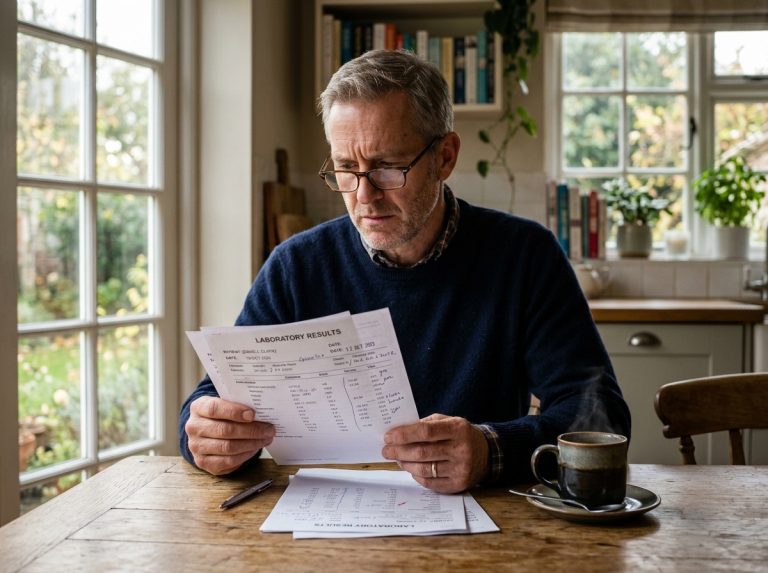
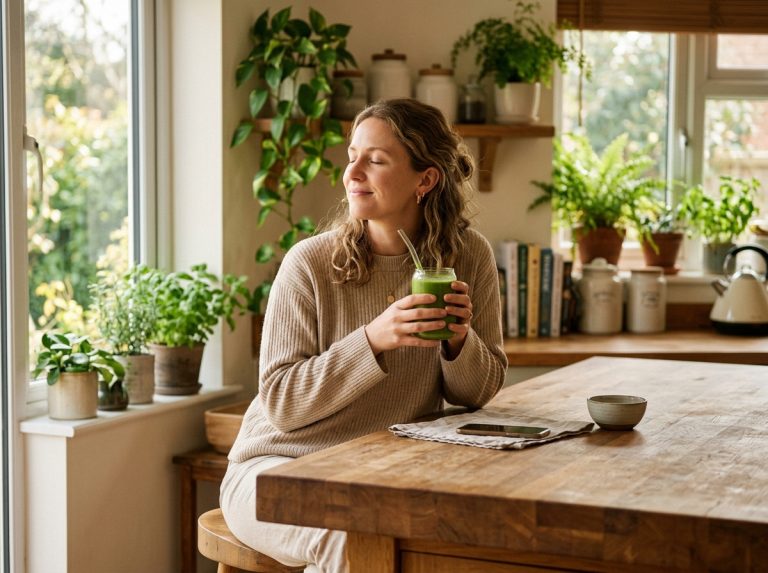
There’s something almost predatory about the way certain cravings arrive. Not the gentle nudge of actual hunger, but the sharp, specific demand that lands without warning and refuses to be reasoned with. Mine had a schedule.
Every evening, somewhere between my last work call and the dishes, a familiar restlessness would settle into my chest. My body would start searching — scanning the kitchen, opening cabinets, looking for something that would satisfy a need I couldn’t quite name.
I used to think this was about discipline. About being stronger, more mindful, more committed to the choices I’d made in the bright clarity of morning. But willpower at 8pm feels entirely different than willpower at 8am. By evening, after a day of decisions and small stresses and the constant low-level management that adult life requires, I had nothing left to fight with.
What I didn’t understand then was that my evening cravings weren’t really about chocolate or chips or whatever I found myself reaching for. They were about something much more fundamental happening in my blood.
The Afternoon Slide That Set Everything in Motion

The real story of my evening cravings actually began much earlier in the day. Around 3pm, I’d notice a subtle shift in my energy — not dramatic, just a gentle dimming that I’d learned to push through with coffee or sheer determination. I thought this was normal. The afternoon dip, everyone called it. Something to power through until dinner.
But what was actually happening was much more specific. My blood sugar, which had been riding a series of small peaks and valleys since breakfast, was beginning a slow, steady descent that would continue for hours. Each time it dropped, my body would send out quiet distress signals — not dramatic enough to recognize as hunger, but persistent enough to create an underlying sense of unease.
By evening, after hours of this subtle internal stress, my system was primed for exactly one thing: the fastest possible source of energy it could find. Not protein, which takes time to convert. Not complex carbohydrates, which require patience. Sugar. Immediate, reliable, instantly available sugar. The craving wasn’t weakness — it was my body’s most logical response to a problem I didn’t know I had.
This pattern had become so familiar that I’d built my entire evening routine around managing it. I’d eat dinner early, hoping to head off the worst of it. I’d brush my teeth immediately after, creating a psychological barrier. I’d keep only “healthy” snacks in the house, as if changing the object of my craving would solve the craving itself. None of it worked, because none of it addressed what was actually happening in my blood.
Ready to discover what steady energy feels like throughout your day?
The Night Kitchen Ritual
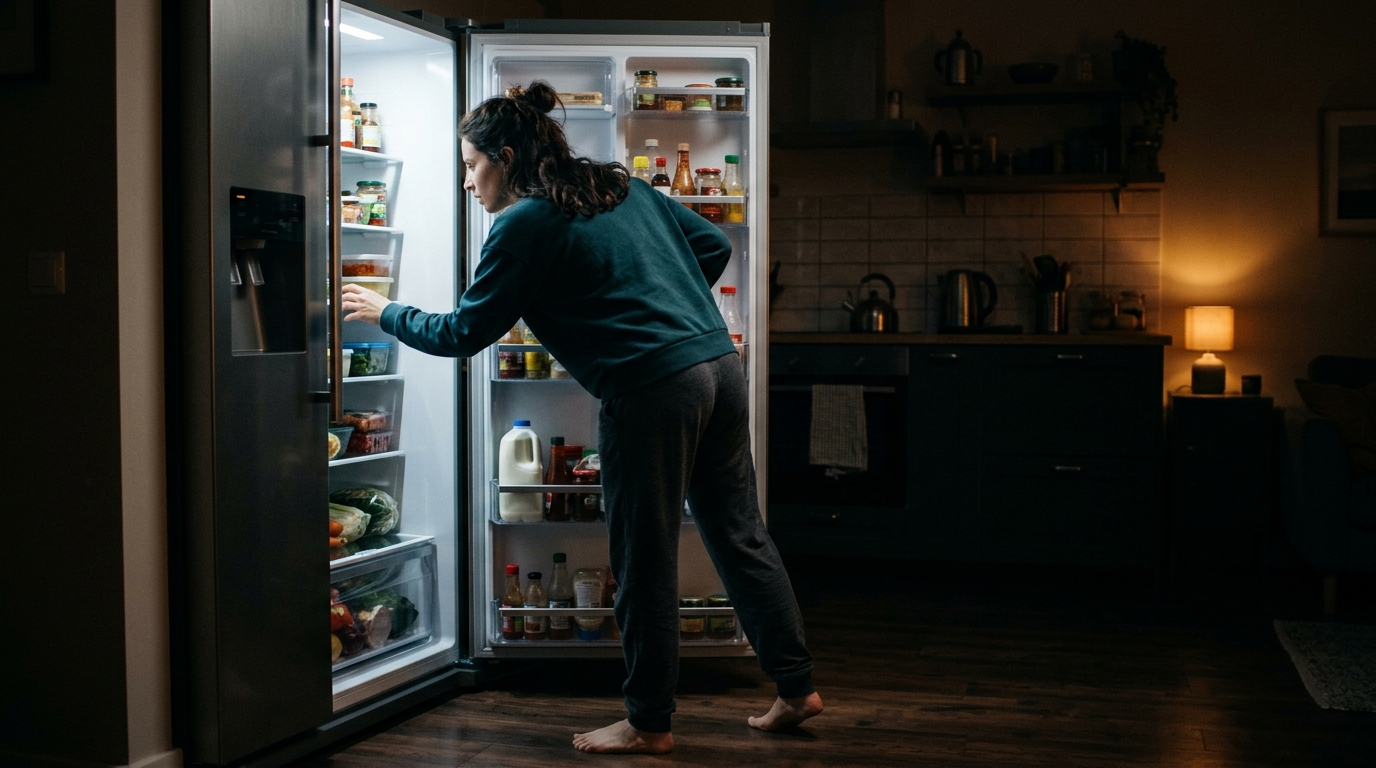
There’s a particular kind of searching that happens when your body is demanding something your mind doesn’t want to give it. I’d find myself standing in front of the open refrigerator, not really seeing what was there, just hoping something would present itself as the answer. The leftover pasta. The container of hummus. The apple that I’d eat with honey, then more honey, then just the honey by itself.
What struck me most was how the craving felt so specific and so vague at the same time. I wanted something sweet, but not fruit. Something substantial, but not a meal. Something that would create a particular feeling — a settling, a satisfaction, a sense of completeness that felt just out of reach.
I’d eat one thing, then another, chasing a sensation that seemed to move just as I got close to it.
The worst part wasn’t the eating itself. It was the conversation that happened afterward — the familiar spiral of self-judgment and resolution that I’d wake up with the next morning. Tomorrow would be different. Tomorrow I’d be stronger, more mindful, more in control. But tomorrow evening, the same restless searching would begin again, as reliable as the sunset.
I started to wonder if there was something wrong with me. Some fundamental lack of self-control that other people had figured out and I hadn’t. I’d watch friends decline dessert with what seemed like genuine indifference, and I couldn’t understand how they’d developed a relationship with food that felt so… easy. So free of this constant negotiation between what I wanted and what I wanted to want.
Curious about supporting your body’s natural blood sugar stability?
When I Stopped Fighting the Symptom

The shift began when I stopped trying to control my evening cravings and started getting curious about them instead. What if this wasn’t about discipline at all? What if my body was actually trying to communicate something important, and I’d been spending all this energy trying to silence the message instead of listening to it?
I started paying attention to the subtle signs that preceded the cravings. The slight shakiness in my hands. The way my focus would scatter. The irritability that seemed to come from nowhere. These weren’t personality flaws — they were symptoms.
My body was telling me something specific about what it needed, and I’d been too busy fighting the solution to understand the problem.
This awareness led me to start tracking not just what I ate, but when I ate it and how I felt in the hours that followed. I began to see patterns I’d never noticed before. The mornings when I skipped breakfast or ate something too light, the afternoons when I powered through hunger instead of eating lunch at a reasonable time, the subtle energy dips that I’d learned to ignore — they were all connected to what happened in my kitchen at 8pm.
But even with this understanding, I still needed a practical solution. Knowledge without action was just another form of frustration. I needed something that could work with my body’s actual needs instead of against them, something that could address the underlying blood sugar instability that was creating the cravings in the first place.
Want to end the evening kitchen battles once and for all?
The Discovery That Changed Everything
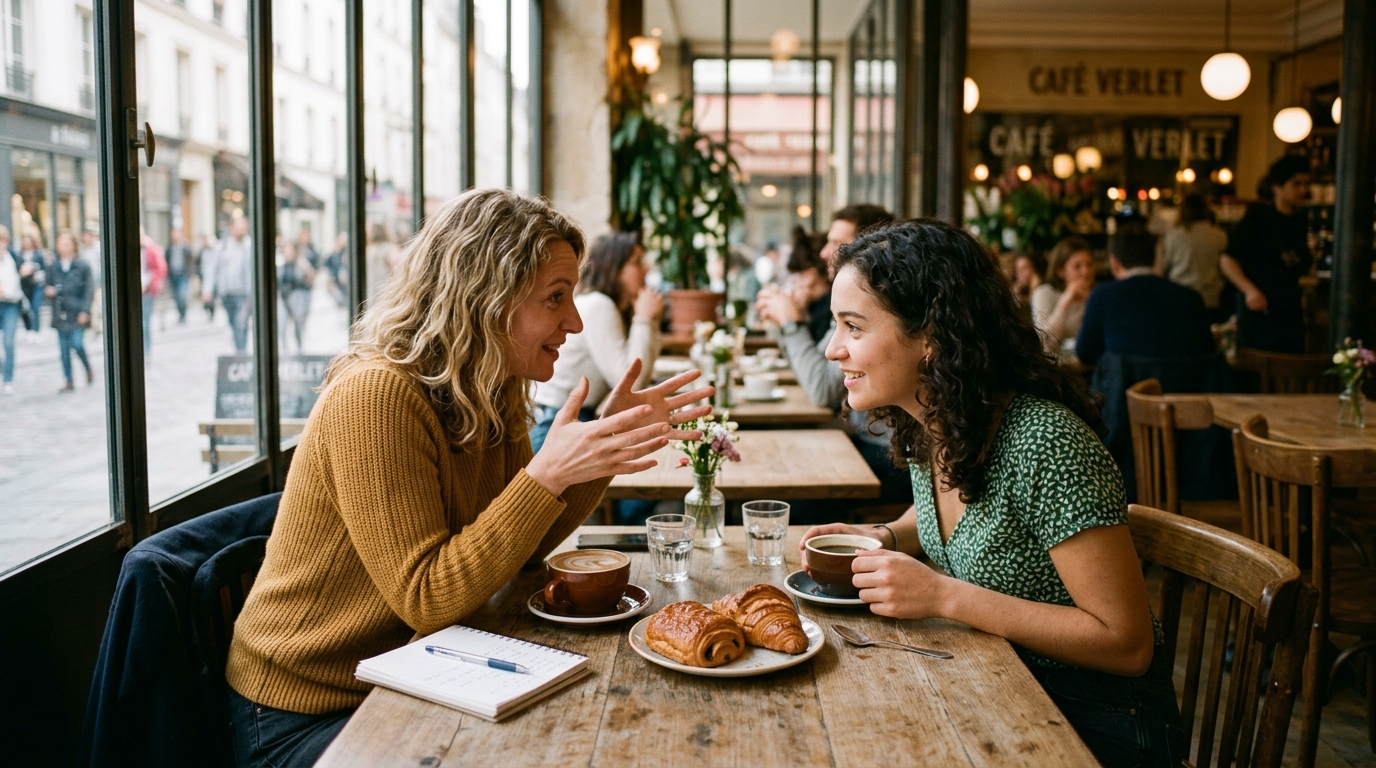
The answer came through a conversation with a friend who mentioned something she’d started taking for blood sugar support. Not for diabetes — neither of us had that — but for the kind of everyday blood sugar fluctuations that most people don’t realize are affecting their cravings, their energy, and their relationship with food. She told me about Sugar Defender, a supplement designed to help stabilize blood glucose levels naturally.
What intrigued me wasn’t the promise of dramatic transformation, but the simplicity of the approach. Instead of fighting my cravings with willpower or trying to outsmart them with different foods, this was about addressing the underlying physiological process that was generating them.
It made sense in a way that all my previous strategies hadn’t.
Sugar Defender works by supporting the body’s natural ability to maintain steady blood sugar levels throughout the day. When your blood sugar is stable, your body doesn’t send out those urgent signals for quick energy that show up as cravings. It’s not about suppressing appetite or forcing discipline — it’s about creating the internal conditions where discipline becomes easier, where the 8pm battle doesn’t have to happen at all.
I started taking it with breakfast, one of those small morning decisions that feels insignificant but carries the potential for everything to be different. The first few days, I didn’t notice much change. But by the end of the first week, something had shifted. The afternoon energy dip was less pronounced. The restless searching in the kitchen was… quieter somehow. Less urgent. More manageable.
Ready to trust your hunger signals and find food freedom again?
The Quiet Revolution of Steady Energy

What I wasn’t prepared for was how different steady blood sugar would feel.
I’d become so accustomed to the peaks and valleys — the post-meal energy surge followed by the inevitable crash, the mid-afternoon reaching for caffeine, the evening hunt for something to restore my depleted system — that I’d forgotten what consistent energy actually felt like.
With Sugar Defender supporting my blood sugar stability, my days began to feel less like a series of energy emergencies and more like a gentle, sustained flow. I could work through the afternoon without that familiar 3pm fog. I could prepare dinner without feeling depleted and searching for quick fixes. Most remarkably, I could move through my evening routine without that underlying restlessness that used to drive me to the kitchen.
The cravings didn’t disappear completely — I don’t think they’re meant to. Sometimes I still wanted something sweet after dinner, but it felt different. More like preference than compulsion. More like choice than emergency.
I could have a piece of chocolate and feel satisfied instead of triggered.
What surprised me most was how this change affected other areas of my life. Better sleep, because I wasn’t riding the sugar roller coaster into the evening. Clearer thinking, because my brain wasn’t constantly managing blood sugar fluctuations. A gentler relationship with food overall, because I wasn’t approaching every meal from a place of depletion and urgency.
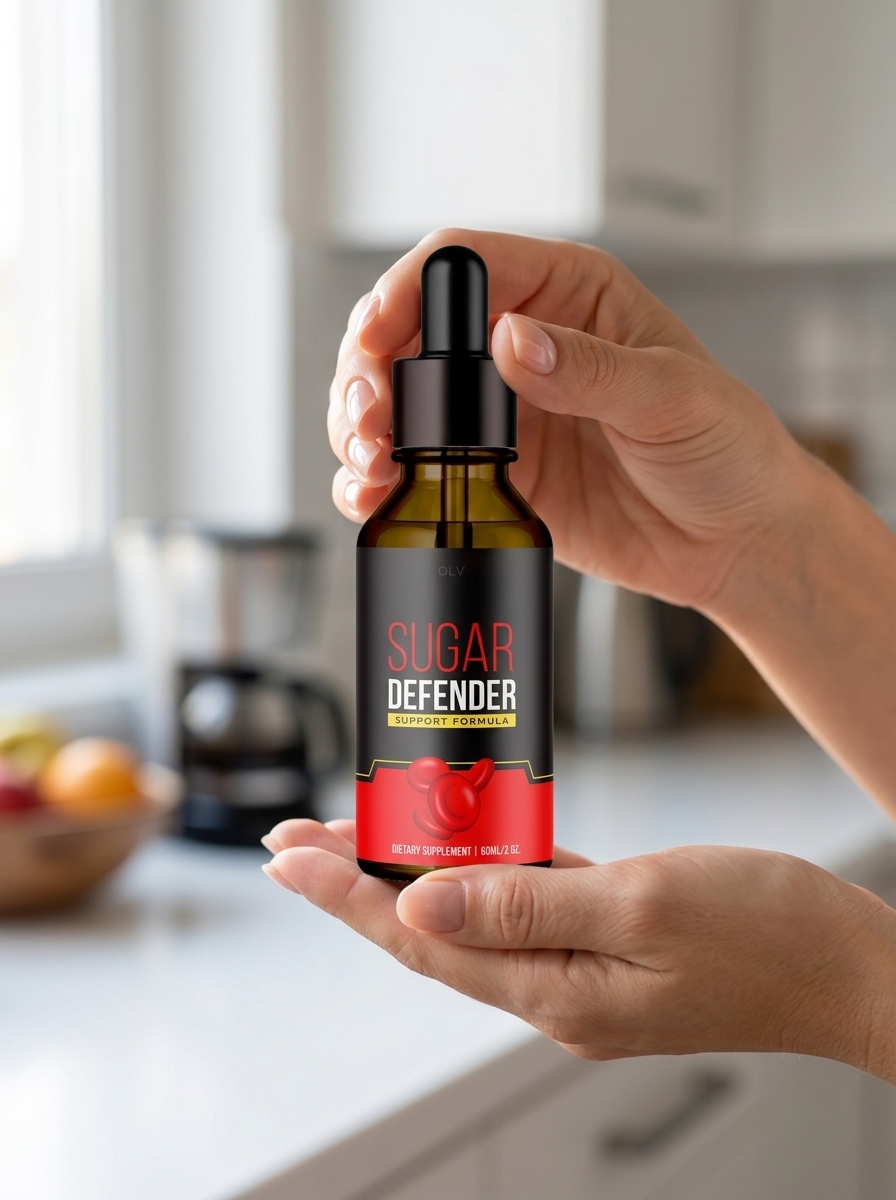
End Evening Cravings Naturally
Support steady blood sugar and stop fighting your body’s natural glucose needs.
Sugar Defender works with your body’s natural processes to maintain stable blood glucose levels throughout the day. When your blood sugar is balanced, those urgent evening cravings become manageable preferences. No more 8pm kitchen battles – just steady energy and the freedom to trust your hunger signals again.
- ✓ Stable energy without afternoon crashes
- ✓ Evening peace instead of craving battles
- ✓ Natural blood sugar support that works
Learning to Trust My Body Again

One of the unexpected gifts of stable blood sugar was rediscovering what genuine hunger actually feels like. When you’re constantly managing cravings driven by blood sugar swings, it’s easy to lose touch with your body’s natural signals for nourishment. Everything becomes urgent. Everything feels like a need that must be met immediately.
But when my blood sugar was steady, I could feel the difference between actual hunger — that gentle, patient signal that I need nourishment — and the sharp, demanding cravings that were really my body asking for glucose. Real hunger could wait for a proper meal. Real hunger was satisfied by protein and vegetables and complex carbohydrates. Real hunger felt collaborative, not combative.
This distinction changed everything about how I planned my days. Instead of structuring my schedule around managing cravings, I could simply eat when I was hungry and trust that my body would be satisfied by nourishing food. Instead of keeping emergency snacks everywhere, I could carry the confidence that my energy would remain stable between meals.
The evening kitchen, once a battleground, became simply a room where I prepared food. The refrigerator became a tool for nourishment instead of a source of temptation I had to resist. I could keep chocolate in the house again without feeling like I was setting myself up for failure. The whole relationship shifted from management to trust.
Imagine mornings without the weight of last night’s food choices.
The Mornings I Stopped Dreading

Perhaps the most profound change was waking up without that familiar weight of disappointment. For months, my mornings had begun with an assessment of the previous evening — what I’d eaten, how much, whether I’d “been good” or “given in.” It was exhausting, starting each day with a judgment about my worthiness based on my relationship with food.
But when the evening cravings became manageable, the morning self-recrimination simply… disappeared. I woke up feeling clear and rested instead of slightly ashamed. I could plan my breakfast based on what sounded nourishing rather than what would compensate for last night’s choices.
The mental space that had been occupied by food management became available for other things — creativity, presence, the simple pleasure of beginning a new day.
This shift rippled outward in ways I hadn’t anticipated. More energy for morning walks. Better focus for work projects. More patience with myself and others throughout the day. It turns out that the energy I’d been using to fight my own cravings was considerable, and having it back felt like reclaiming a part of myself I’d forgotten I was missing.
The consistency of taking Sugar Defender became a small daily act of self-care — not restrictive or punitive, but supportive. Each morning dose was a quiet commitment to creating the internal conditions where my choices could align with my intentions. Where evening didn’t have to be a battle I might win or lose, but simply another part of my day that I could move through with ease.
Your body is asking for support, not another battle to fight.
The Freedom I Didn’t Know I Was Missing

Six months later, I realize that what I thought was a problem with cravings was really a problem with blood sugar stability. What I thought was a lack of willpower was actually my body doing exactly what it was designed to do — seek glucose when glucose was running low. The solution wasn’t to fight this natural process, but to support it with the right tools.
Sugar Defender became one of those quiet interventions that don’t require constant attention but create space for everything else to work better. Like a well-tuned instrument, my body could finally play the song it was meant to play instead of constantly trying to correct for internal discord.
The evening cravings that once felt so powerful and consuming simply became background noise — present sometimes, but no longer running the show.
Now I move through my days with a kind of metabolic confidence I’d forgotten was possible. I can attend dinner parties without calculating how to manage my cravings afterward. I can keep treats in my kitchen without feeling like they’re calling to me. I can make food choices based on what I actually want rather than what I think I should want or what I’m trying not to want.
The 8pm battle I fought for so long turned out to be the wrong war entirely. The real victory wasn’t in winning against my cravings, but in creating the conditions where the battle didn’t have to happen at all.
Sometimes the most powerful choice is not to fight, but to understand what your body is actually asking for and give it the support it needs to find its own balance.
Written by Liora Menden — for those who seek balance
Join others who’ve found peace with their evening cravings naturally.