Three in the afternoon. I’d finished lunch ninety minutes earlier—a sensible salad with protein, the kind nutritionists approve of. My water bottle sat half-empty on my desk. By every measure, I should have been satisfied until dinner. Instead, I found myself standing in front of the refrigerator, door open, scanning shelves with the focused intensity of someone genuinely starving.
This wasn’t emotional eating. It wasn’t boredom or stress. It was a physical pull so specific it felt like my body was sending me urgent memos: Find carbohydrates. Find them now. The rational part of my mind knew I wasn’t actually hungry. The rest of me didn’t care about logic.
That afternoon marked the beginning of my understanding that hunger isn’t always about food. Sometimes it’s about miscommunication—signals crossing wires, systems talking past each other in a language I hadn’t learned to decode yet.
The Pattern I Couldn’t Ignore
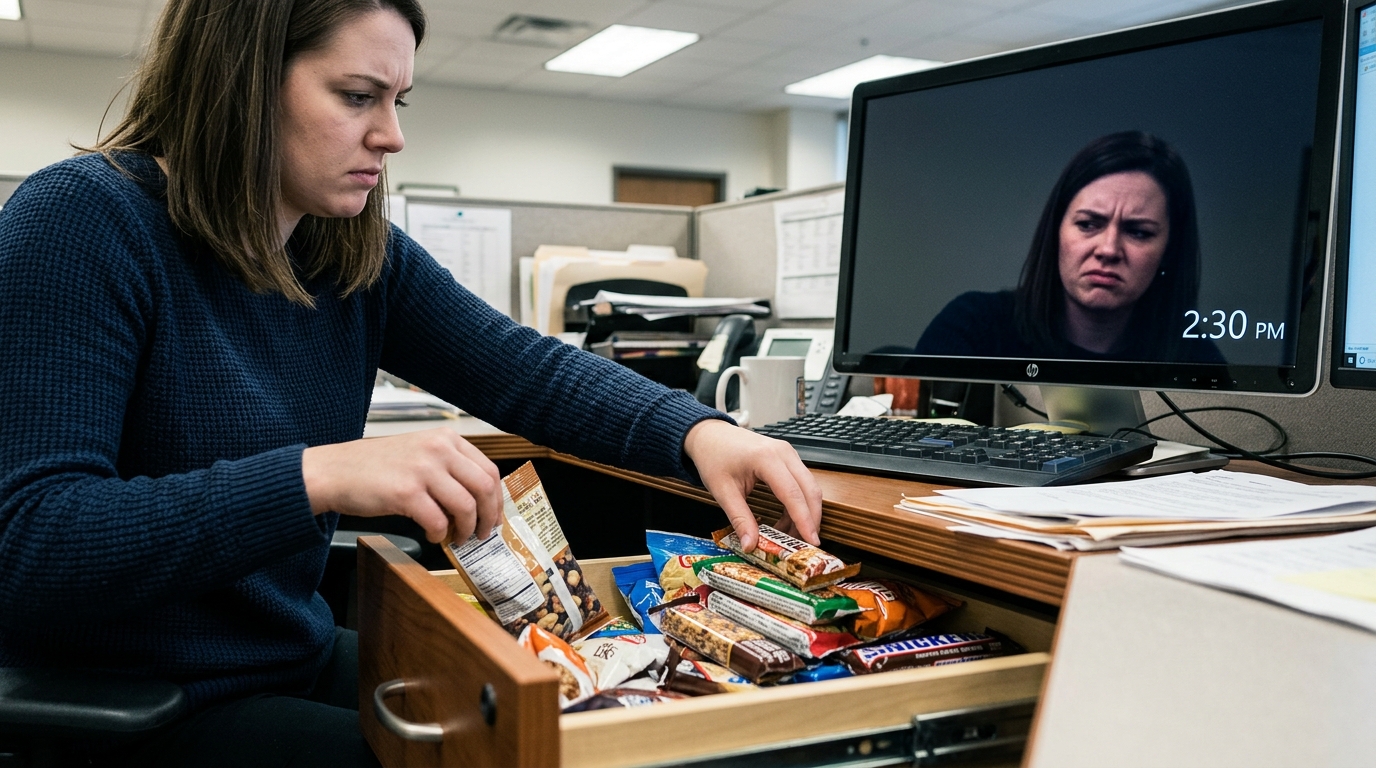
Once I started paying attention, the pattern became impossible to miss. The hunger always struck at the same times: mid-morning around ten-thirty, mid-afternoon between two and four, and again around eight in the evening. It didn’t matter what I’d eaten or when. The timing felt mechanical, like my body was running on some internal schedule that had nothing to do with actual nutritional needs.
I tried the obvious fixes first. Bigger breakfasts. More protein. Smaller, more frequent meals.
None of it made a difference.
The most frustrating part was how the hunger felt so real. Not a gentle suggestion that food might be nice, but an insistent, almost anxious pull. My stomach would actually growl. My energy would dip. I’d find myself thinking about specific foods—usually something sweet or starchy—with the kind of focus that made concentration on anything else nearly impossible.
Ready to break free from those mechanical hunger patterns that ignore actual nutrition needs?
When Food Became the Enemy

I started viewing meals as temporary truces in an ongoing war. Each time I ate, I’d feel satisfied for maybe thirty minutes before the restlessness would begin again. Not full-blown hunger immediately, but this low-level awareness that satisfaction was already fading. Like trying to fill a bucket with a hole in the bottom.
The worst part was how it affected my relationship with my own judgment. I’d stand in the kitchen, having just finished a reasonable dinner, feeling genuinely hungry again, and wonder if I was losing my mind.
Friends would suggest willpower, as if this was about discipline. But willpower doesn’t work when your body is sending you legitimate-feeling hunger signals every few hours. Fighting those signals felt like trying to ignore the urge to breathe—technically possible, but exhausting and ultimately unsustainable.
Discover what happens when your body’s fuel gauge finally reads accurately again.
The Blood Sugar Discovery

The breakthrough came during a routine doctor’s appointment when I mentioned the constant hunger as an aside. My physician suggested checking my fasting glucose and insulin levels—tests I’d never had reason to consider before. The results weren’t diabetic, but they weren’t optimal either. My blood sugar was swinging higher and lower than it should, creating what she called “false hunger signals.”
Suddenly the pattern made sense.
Every time I ate, especially anything with carbohydrates, my blood sugar would spike. My body would release insulin to bring it back down. But sometimes it would overshoot, dropping my blood sugar below where it started.
It was like discovering that my body’s fuel gauge was broken, constantly reading empty even when the tank was full. The hunger wasn’t about needing food—it was about blood sugar chaos creating phantom distress signals that felt identical to genuine hunger.
Stop fighting phantom cravings and start supporting the system that creates them instead.
Why Normal Solutions Failed

Understanding the mechanism helped explain why all my previous attempts had backfired. Eating more frequently was actually making the blood sugar swings worse, giving my insulin system more opportunities to overreact. Focusing on “healthy” carbohydrates still meant carbohydrates, which still meant spikes and crashes. Even protein and fat, which I’d been told would stabilize everything, weren’t enough on their own.
My insulin sensitivity was so compromised that my body was overreacting to even modest blood sugar changes.
The conventional advice—eat balanced meals, avoid processed foods, exercise regularly—was all technically correct but incomplete. It assumed that my blood sugar regulation system was functioning normally and just needed better inputs. But the system itself needed repair.
Experience steady energy without those afternoon crashes that derail your entire day.
Finding What Actually Worked

The research led me to blood sugar support supplements, specifically ones that target both glucose regulation and insulin sensitivity. After reading about various options, I decided to try Sugar Defender, drawn to its comprehensive approach to metabolic balance rather than just addressing symptoms.
What appealed to me was that it wasn’t trying to suppress hunger artificially or provide temporary blood sugar control. Instead, it aimed to restore normal function to the glucose-insulin feedback loop that had gone haywire. The formula included compounds that could help cells respond to insulin more effectively and support steady glucose metabolism.
I started taking Sugar Defender with breakfast, following the recommended dosage. The first few days, I noticed nothing dramatic. But by the end of the first week, something had shifted. The three o’clock hunger siege simply didn’t happen. I worked through the afternoon without once thinking about food until my actual dinner time.

End False Hunger Signals
Stop fighting phantom cravings that have nothing to do with actual nutrition needs.
Sugar Defender targets the glucose-insulin feedback loop that creates those mechanical hunger attacks. Instead of suppressing appetite artificially, it helps restore normal blood sugar communication so you can trust your body’s signals again. Support metabolic stability with compounds designed for cellular glucose metabolism and insulin sensitivity.
- ✓ Steady energy without afternoon crashes
- ✓ Natural appetite regulation returns
- ✓ Freedom from phantom hunger cycles
The Quiet Revolution

The changes weren’t dramatic enough to notice day by day, but looking back over weeks, the transformation was remarkable. The mechanical hunger that had ruled my schedule simply faded away. I could eat breakfast and not think about food again until lunch arrived naturally, usually four or five hours later. My energy became steady instead of cyclical. Those afternoon crashes that had me reaching for coffee or sugar disappeared.
I could work through what used to be my most scattered hours of the day with clear focus.
Perhaps most importantly, eating became normal again. Meals were satisfying in the way they’re supposed to be—providing fuel and pleasure, then allowing me to move on to other concerns.
Join others who’ve discovered the difference between managing symptoms and fixing the system.
Understanding the Science
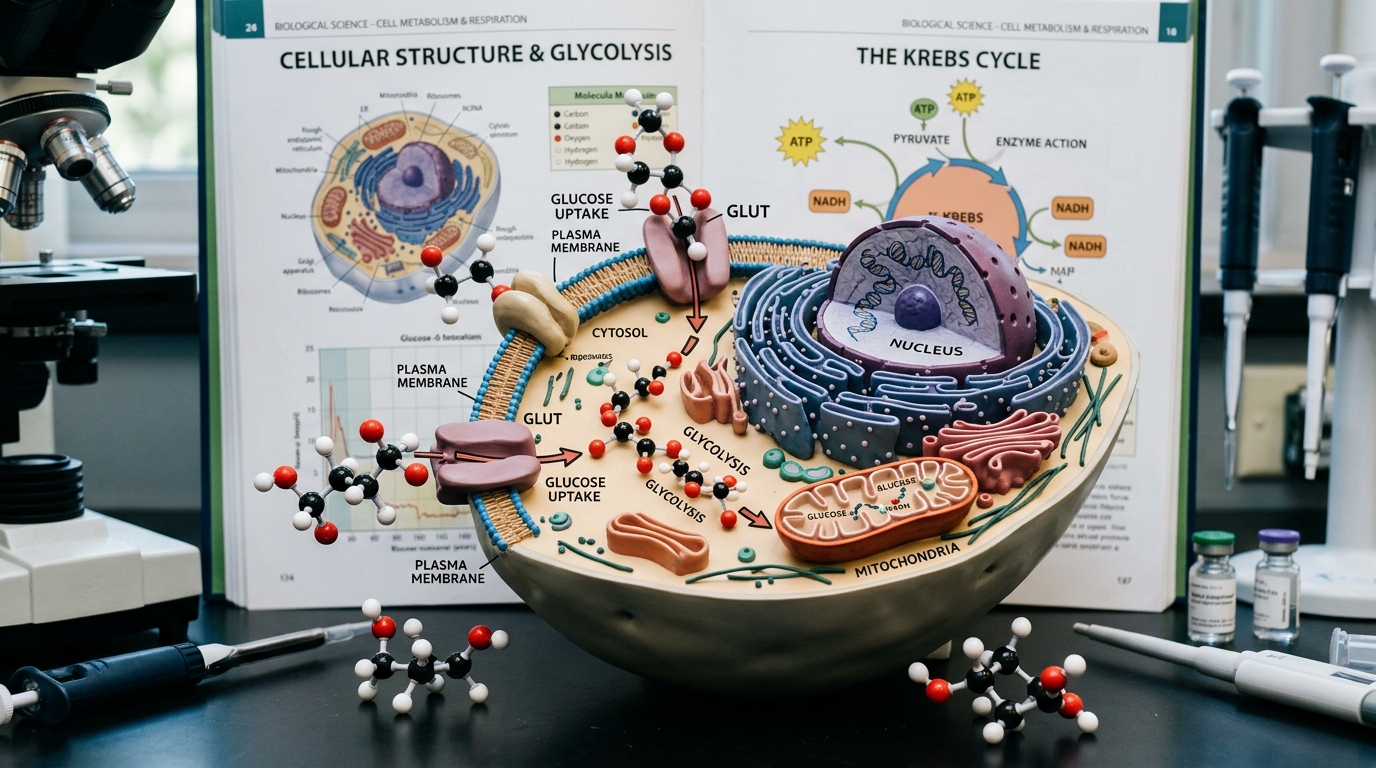
What I learned through this experience is that hunger regulation is far more complex than most of us realize. It’s not just about caloric needs or stomach emptiness. It’s an intricate dance between blood sugar levels, insulin response, and hormonal signaling that can be disrupted in ways that create very real physical sensations of hunger even when no additional food is needed.
Sugar Defender works by supporting the cellular machinery involved in glucose metabolism. When cells can properly utilize glucose and respond appropriately to insulin, blood sugar stays more stable. Stable blood sugar means fewer false hunger signals and more reliable energy throughout the day.
The supplement doesn’t suppress hunger artificially—it helps restore the normal communication between your blood sugar regulation system and your appetite signals. It’s the difference between turning down the volume on a fire alarm versus actually putting out the fire that’s causing the alarm to sound.
Trust your appetite signals again instead of second-guessing every hunger sensation you feel.
Life After the Hunger Chaos

Six months later, I rarely think about hunger between meals unless I’ve actually gone longer than usual without eating. My relationship with food has returned to what I now realize should be normal: meals are planned around convenience and preference, not around managing unpredictable hunger attacks. I keep taking Sugar Defender because the alternative—returning to that cycle of false hunger signals—isn’t appealing.
It’s become as routine as brushing my teeth, a daily investment in metabolic stability.
The freedom is subtle but profound. I can schedule long meetings without worry, travel without packing emergency snacks, make dinner plans based on what sounds good rather than when I can no longer ignore hunger signals. My body’s fuel gauge finally reads accurately, allowing me to trust my own appetite signals again.
Written by Liora Menden — for those who seek metabolic peace
Transform your relationship with food from emergency management to peaceful normalcy.