There is a strange kind of body aging that happens between nine in the morning and six in the evening without ever showing up as an injury. You answer messages, sit through meetings, move less than you intended, and by the time the workday is over your hips and knees feel like they have absorbed a decade they did not have when the day began. The stairs ask for a little caution. Standing up asks for a second try. Even walking to the car can feel more deliberate than it should.
I started paying attention when I realized the stiffness was not random. It followed stillness more faithfully than it followed effort. I could take a walk and feel better. I could move around the house and feel almost normal. But a long desk day, even a relatively calm one, left my joints feeling older than anything on my calendar justified.
That changed the way I thought about mobility support. I stopped treating it as a problem reserved for dramatic pain. A body can be functioning and still quietly reorganizing the day around caution. When that starts happening, the pattern deserves more respect than a shrug and a stretch.
Why Do Hips and Knees Feel So Different After Long Sitting?
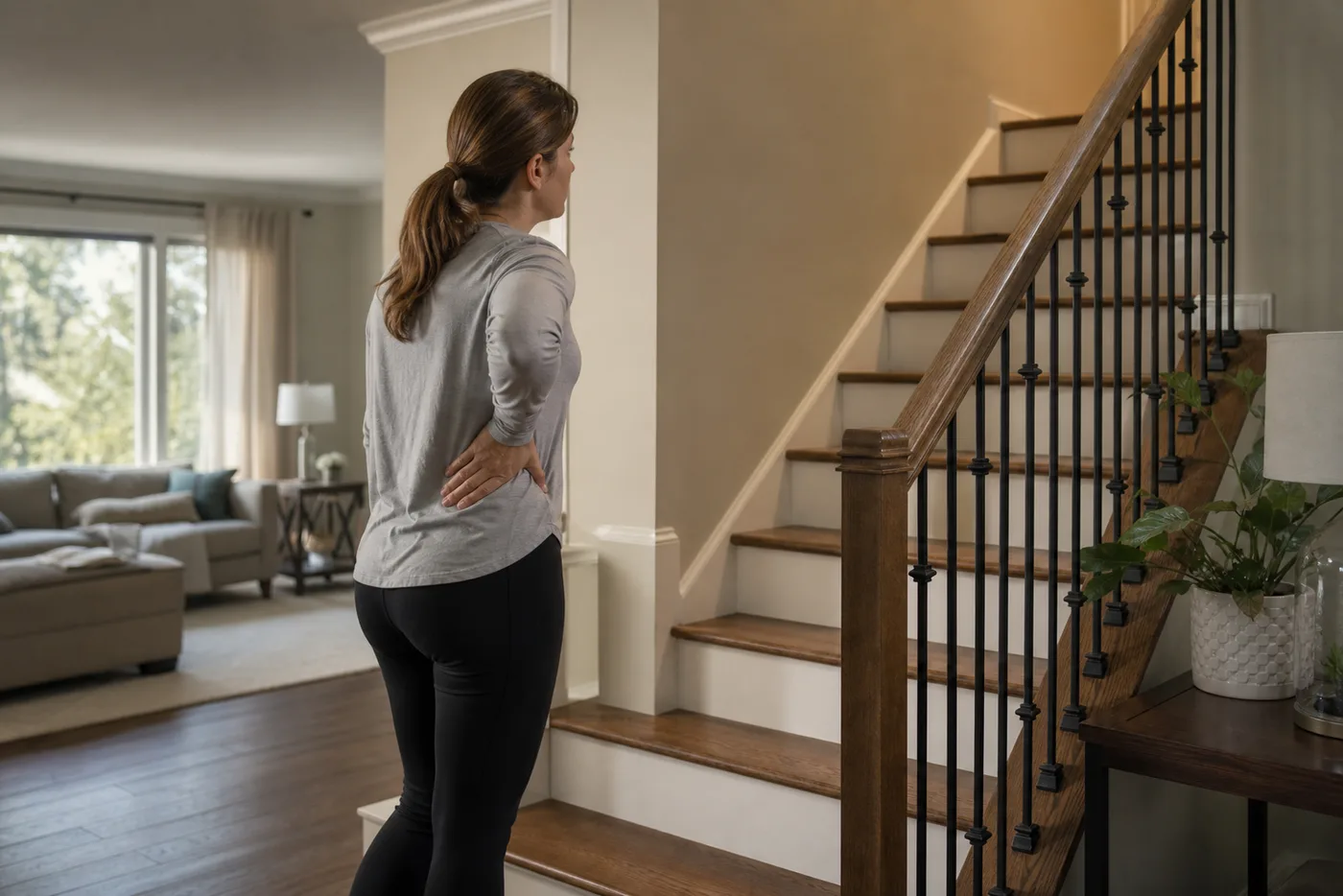
Long sitting looks passive from the outside, but it places the body in a repetitive position that asks certain joints to wait too long in the same angles. Hips tighten. Glutes stop helping. The knees end up dealing with movement that starts from a less prepared position. The National Institute on Aging emphasizes in its guidance on exercise and physical activity for daily function that consistent movement supports strength, balance, and the ability to keep doing ordinary tasks. That advice sounds broad until you feel how quickly a still workday makes ordinary motion feel negotiated.
The body is not being dramatic when it stiffens after sitting. It is reporting on repetition. If the same posture dominates the day, the first few movements afterward often carry the cost.
Once I understood that, the end-of-day stiffness stopped feeling mysterious. It became a predictable response to a predictable setup.
What Habits Make the End of the Day Feel More Guarded?

In my experience, the workday stiffness usually comes from a pileup of small neglects rather than one catastrophic mistake. Water keeps getting postponed. Walking breaks disappear. The chair becomes home base. The hips never really open. The ankles never really flex. Then, when the day finally asks for a fuller range of motion, the joints answer with hesitation.
That is what makes the pattern so easy to normalize. Nothing in the moment feels urgent enough to fix. You tell yourself you will move later. You ignore how small your posture has become. You accept a little tightness because the inbox looks louder than your body does.
- hours of uninterrupted sitting before any real walking break
- hydration that keeps arriving too late to help the work block
- hips and ankles staying quiet while the knees do the catching
- an evening transition that expects the body to move freely without preparation
That list matters because it gives the reader something to recognize before the stiffness becomes the tone of every evening.
How Does Stillness Quietly Change Confidence?
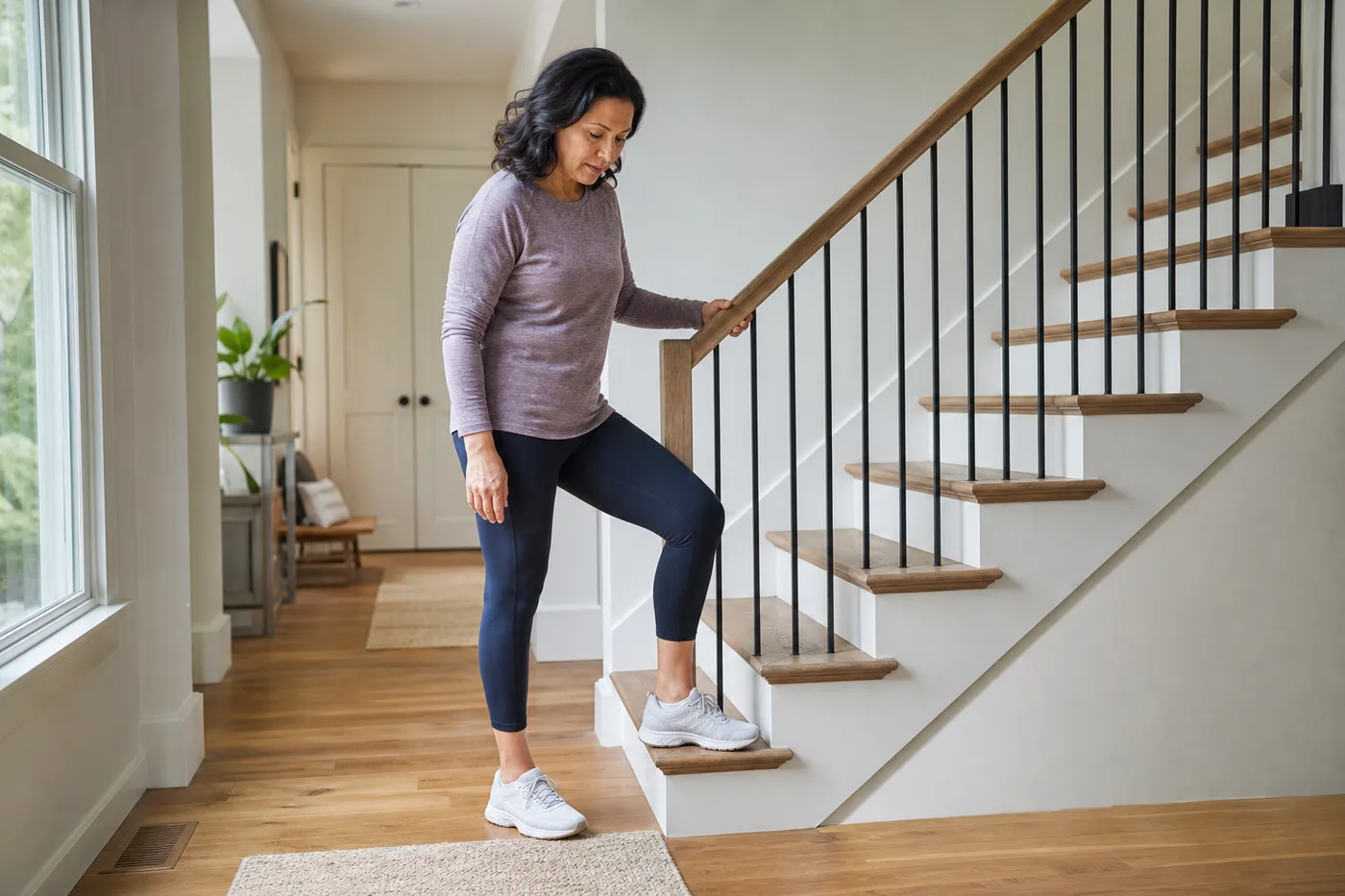
The cost of workday stiffness is not only physical. It changes trust. You start choosing shorter routes. You hesitate before stairs. You carry less than you used to. You become slightly more strategic about where you sit because getting back up has started feeling like part of the problem. None of that sounds dramatic, but together it means the body is beginning to influence decisions it should not have to influence.
I think that is why so many people describe the problem emotionally before they describe it anatomically. They say they feel older, more careful, less spontaneous. That language matters because it points to the real loss: not only comfort, but ease.
When mobility begins negotiating the day like that, support becomes less optional and more practical.
What Makes the Evening Transition Feel Easier?
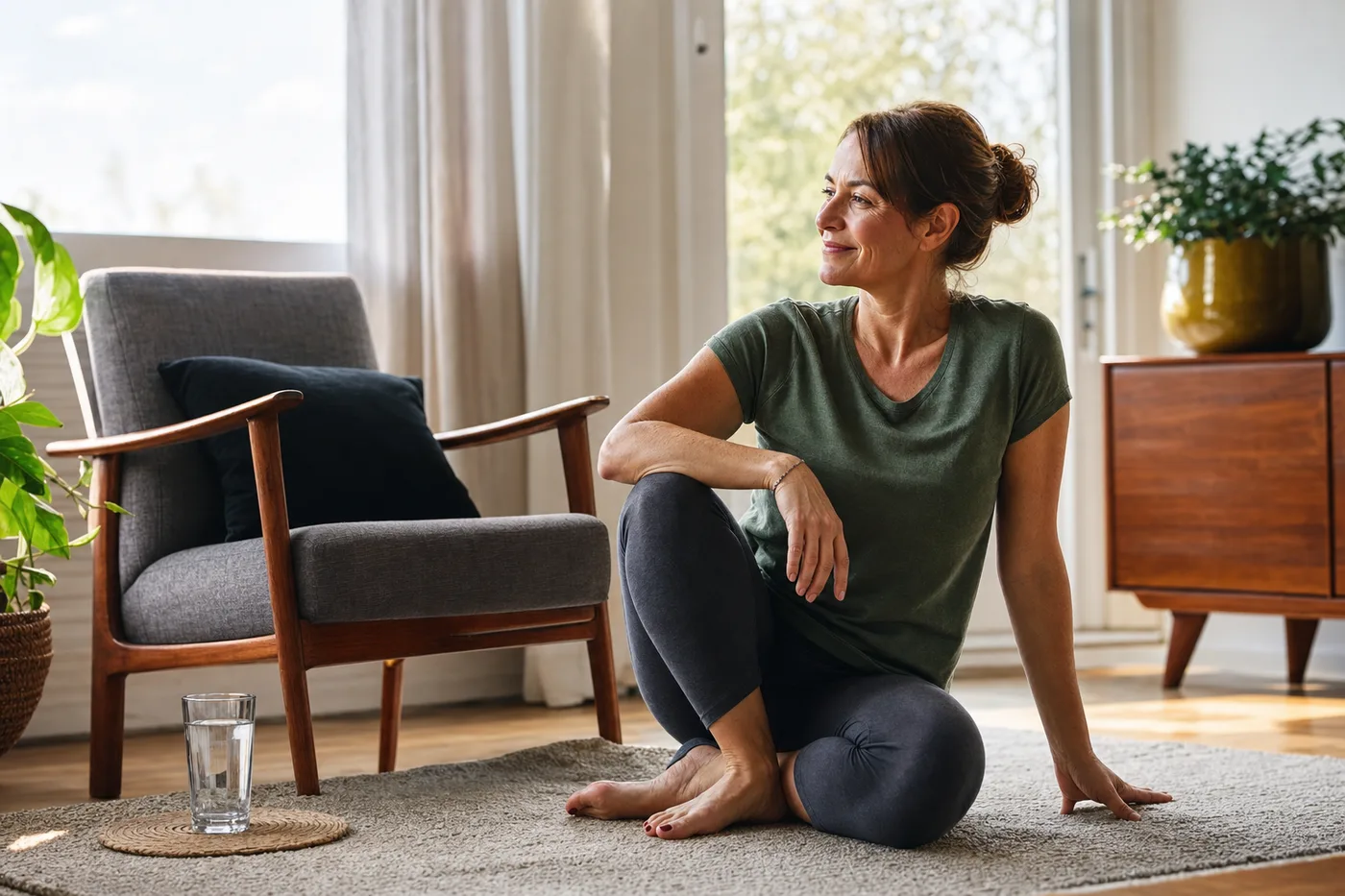
The improvements that helped me most were smaller than I expected. Stand during one call. Walk for five minutes before lunch and again before the last work block. Open the hips before leaving the desk instead of after the stiffness has already settled in. Add a little warmth if the body feels cold and braced. None of it looked heroic, but all of it made the first steps after work feel less argumentative.
The Arthritis Foundation’s advice on walking for joint-friendly movement mirrors that same practical tone: low-drama, consistent motion often helps more than waiting for a giant burst of motivation. That felt true in practice. The body responded to regular invitations far better than it responded to occasional punishment.
What changed most was not that the joints became perfect. It was that the evening no longer began with such a strong sense of bodily resistance.
Where Does Joint Genesis Fit in a Still-Workday Routine?
Joint Genesis made sense to me because it fit the actual pattern instead of trying to overwrite it with hype. I was not looking for something that pretended the chair, the schedule, and the workday rhythm did not matter. I wanted support that belonged beside movement breaks, hydration, warmth, and a more believable recovery plan.
That is the honest product bridge here. The article first explains why the workday ages the joints by repetition. Then Joint Genesis shows up as a support step inside a fuller mobility routine. It is not there to excuse stillness. It is there to support a body that has been asked to tolerate too much of it.

That makes the recommendation feel grounded. A reader can imagine using it because the rest of the story has already named the exact daily pattern she has been living.
Which Internal Links Help the Reader Keep Going?
This post should connect naturally into IyoMend’s broader mobility library, especially best supplements for joint mobility, the symptom-led article at why stairs feel negotiable by late afternoon, and the comparison page at best supplements for joint pain. Those internal links help a reader move from recognition into comparison without losing the emotional thread that brought her here.
They also reinforce the site architecture. One page explains the workday pattern. Another compares supplement options. Another explores a specific real-life trigger like late-day stairs. That is stronger for readers and stronger for search engines looking for connected topical depth.
When a site behaves like a real library instead of a pile of symptoms, each post works harder for the others.
It also helps the reader feel less isolated in the pattern. She can move from one page to the next and see that the site understands mobility as a daily lived issue, not just a product keyword. That emotional continuity matters because trust is part of what makes a health recommendation usable.
The Goal Is Not Tougher Joints. It Is Less Daily Bracing.
I do not want readers forcing their way through workday stiffness while pretending it is an inevitable personality trait. I want them noticing the pattern early and responding while it is still flexible enough to soften.
If your hips and knees feel older after a still workday, the answer is usually not more grit. It is better support, steadier movement, and a daily rhythm that helps the body feel less ambushed by ordinary life.
That matters because evening stiffness changes more than comfort. It changes how much of life feels available after work. A person who is already bracing against the first steps home is less likely to cook slowly, take a walk, run one more errand, or say yes to movement that could actually help. Less bracing restores a little freedom to the end of the day.
The goal, then, is not some impossible version of perfect joints. It is a more cooperative body, especially in the transition between work and life. When that transition softens, the whole day feels less narrow.
That is the real promise worth protecting. Not a dramatic comeback story, just an evening that belongs to you a little more fully. When the joints stop making every transition feel expensive, ordinary life regains some generosity, and that often matters more than any flashy definition of fitness.
Written by Elias Menden — for readers who want easier movement and less guarded evenings