The bathroom mirror has become kinder to me lately. Not because the lighting changed or because I invested in expensive skincare, but because something shifted at a level I couldn’t see. My skin looks like it remembers how to be young again — not the desperate, temporary plump of a good moisturizer, but that inner vitality that makes people ask if you’ve been on vacation.
For a more focused breakdown, read the guide to best anti-aging supplements for skin health.
I spent three years chasing this feeling with collagen supplements. Marine collagen, grass-fed bovine collagen, collagen peptides with vitamin C. I mixed powders into smoothies, swallowed capsules with my vitamins, and waited for my skin to bounce back the way the testimonials promised. Some weeks I thought I saw improvement. Other weeks, especially during stressful periods, my skin looked as tired as I felt, despite months of consistent supplementation.
The turning point came when I started asking different questions. Instead of focusing on what I was putting into my body, I began wondering about what my cells were actually doing with those nutrients. That curiosity led me to Mitolyn, and ultimately to understanding why my skin had been struggling to regenerate properly, no matter how much collagen I consumed.
The Day I Realized Collagen Wasn’t the Real Problem

It happened during a particularly exhausting week last spring. I had been taking collagen religiously for months, spending nearly $80 per month on high-quality supplements. Yet my skin looked dull and thin, like it was aging faster than the rest of me.
I caught my reflection in a store window and barely recognized the tired woman staring back.
That night, I started researching cellular metabolism and skin regeneration. What I discovered changed everything. Collagen is important, yes, but it’s just the building material. The real magic happens in the mitochondria — those tiny powerhouses inside each cell that determine whether your skin cells have enough energy to actually use that collagen effectively.
Think of it like trying to build a house. You can deliver all the finest materials to the construction site, but if the workers are exhausted and the equipment isn’t running, nothing gets built properly. That’s what was happening in my skin cells. I was providing plenty of raw materials through supplements, but the cellular machinery responsible for turning those materials into healthy, resilient skin simply didn’t have enough energy to work efficiently.
Ready to support your skin at the cellular level?
Understanding Why My Skin Cells Were Running on Empty

The more I learned about mitochondrial function, the more my skin struggles made sense. Our mitochondria naturally decline with age, stress, and environmental factors. When they’re not functioning optimally, every cellular process slows down — including collagen synthesis, cellular repair, and the turnover cycle that keeps skin looking fresh and resilient. I realized I had been approaching skin health backward.
Instead of supporting my cells’ ability to create and maintain healthy tissue, I was just trying to supplement what they couldn’t produce efficiently.
This insight made me reconsider everything I thought I knew about aging and skin health. The visible signs of aging — fine lines, loss of elasticity, dullness — aren’t just about collagen depletion. They’re symptoms of cellular energy depletion. When skin cells don’t have adequate energy, they can’t perform the complex processes required for renewal and repair.
Curious about what real mitochondrial support could do for you?
The Search for Real Cellular Support

Armed with this new understanding, I began looking for supplements that targeted mitochondrial function rather than just providing building blocks. The supplement industry is flooded with anti-aging promises, but finding products that actually address cellular energy production proved more challenging than I expected. I spent weeks researching ingredients like CoQ10, PQQ, and various antioxidants known to support mitochondrial health.
Most products seemed to focus on individual nutrients rather than comprehensive cellular support.
That’s when a friend mentioned Mitolyn. She had been using it for overall energy and noticed her skin improving as an unexpected side benefit. What caught my attention wasn’t just her glowing complexion, but the way she described feeling more vibrant from the inside out. This wasn’t about targeting skin specifically; it was about supporting the fundamental processes that make healthy skin possible.
Tired of supplements that only provide building blocks without cellular energy?
My First Month with Mitolyn

I started taking Mitolyn with cautious optimism, having been disappointed by supplements before. The difference was that I wasn’t expecting immediate visible changes in my skin. Instead, I was curious about whether I would feel more energetic overall, trusting that improved cellular function would eventually show up in how I looked. The first thing I noticed, around day ten, was that my afternoon energy crashes became less severe.
I didn’t think much of it initially, but looking back, this was probably the first sign that my mitochondria were starting to function more efficiently.
By the third week, people started commenting that I looked well-rested, even on days when I hadn’t slept particularly well. My skin had a subtle radiance that no highlighter could replicate — that inner glow that comes from healthy cellular function. It wasn’t dramatic yet, but it was consistent in a way that my collagen supplements had never been.
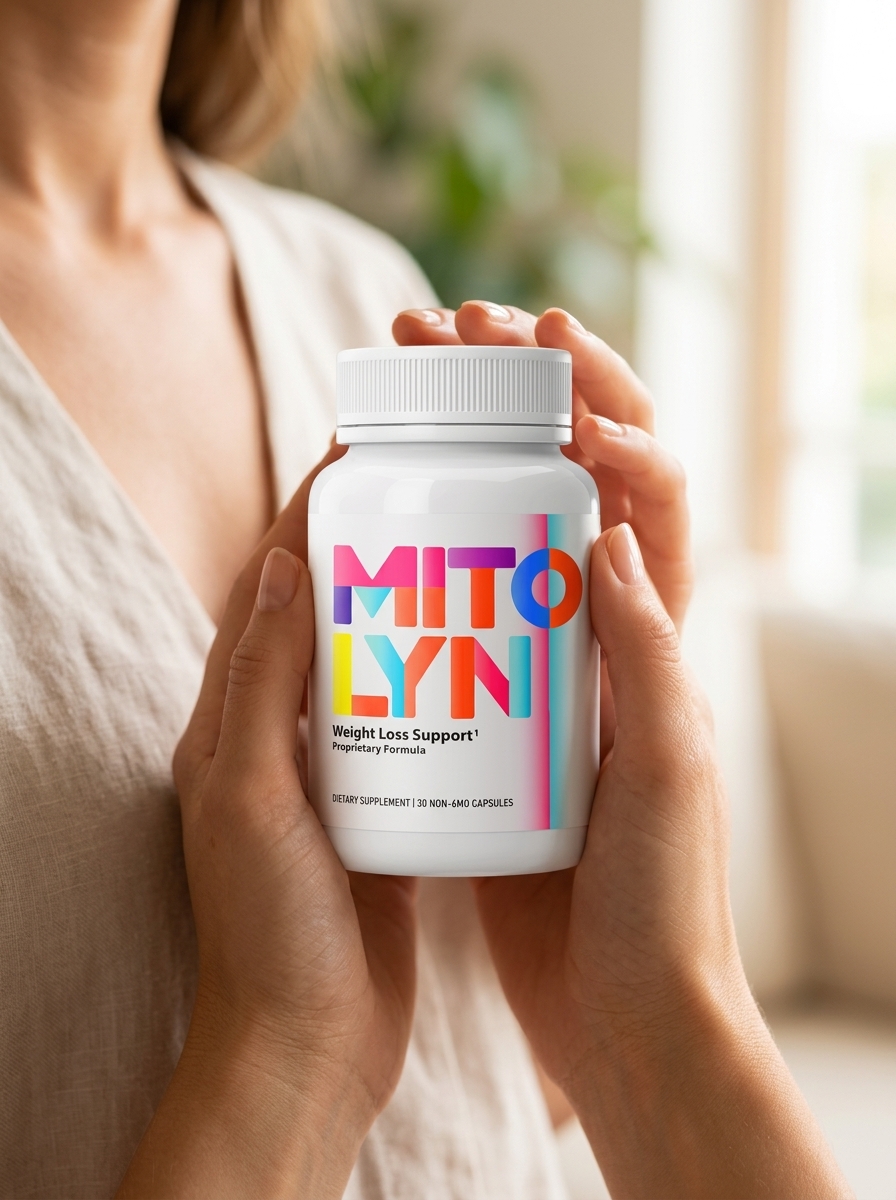
Power Your Cellular Renewal
When skin cells have energy, they remember how to be young again.
Mitolyn targets the root of skin aging — cellular energy depletion. Unlike collagen supplements that provide building blocks, Mitolyn gives your mitochondria what they need to produce collagen efficiently. Support the cellular powerhouses that determine whether your skin can actually use the nutrients you’re giving it.
- ✓ Skin that glows from genuine cellular health
- ✓ Resilient complexion that bounces back faster
- ✓ Natural energy that shows in your appearance
The Transformation I Stopped Looking For

Around six weeks of consistent use, I realized I had stopped checking my skin obsessively in mirrors.
This might sound strange, but when you’ve been monitoring every line and shadow for years, not thinking about your appearance is actually a sign that something is working. My skin looked healthy enough that I could forget to worry about it. The changes were subtle but undeniable. Fine lines that had been etched around my eyes appeared softer. My complexion had more evenness, not the patchy dullness that had plagued me during stressful periods.
Most notably, my skin felt more resilient — it bounced back faster from late nights, recovered more quickly from sun exposure, and maintained its improved appearance even during challenging weeks.
This consistency was what had been missing with collagen supplements. With Mitolyn supporting my cellular energy production, my skin cells could actually utilize nutrients effectively, maintain proper repair cycles, and produce their own collagen at optimal levels. I was no longer trying to compensate for poor cellular function with external supplements; I was addressing the root cause.
Want skin that glows from genuine cellular health?
Understanding the Deeper Difference

What Mitolyn taught me is that sustainable skin health isn’t about adding more of specific nutrients — it’s about ensuring your cells have the energy to use those nutrients properly. When mitochondrial function improves, every aspect of skin health improves along with it. Cellular turnover becomes more efficient, collagen synthesis increases naturally, and the skin’s barrier function strengthens. I still eat collagen-rich foods and occasionally use collagen-supporting skincare, but I no longer rely on collagen supplements as my primary anti-aging strategy.
Instead, I focus on supporting the cellular processes that make healthy skin possible.
The difference extends beyond appearance. My skin feels healthier — more elastic, more comfortable, more like it did when I was younger. This isn’t about chasing youth, but about allowing my cells to function as efficiently as possible at any age. When cellular energy production is optimized, aging becomes a gentler process.
Ready to address the root cause instead of just symptoms?
What My Mornings Look Like Now

These days, I take my Mitolyn with breakfast, along with a simple multivitamin and omega-3 supplement. My skincare routine is simpler too — a gentle cleanser, vitamin C serum, moisturizer, and sunscreen. I no longer need an arsenal of products trying to compensate for what my skin cells can’t do on their own.
The mirror has become a friend again.
Not because I look twenty years younger, but because I look like the healthiest version of myself at this age. My skin has a vitality that comes from within, the kind of glow that no amount of external products can create when cellular function is compromised. I wish I had understood cellular energy’s role in skin health years ago. It would have saved me considerable money and frustration, not to mention the disappointment of waiting for supplements to work that were never addressing the real issue.
Supporting mitochondrial function isn’t just about skin — it’s about allowing every cell in your body to perform optimally, with improved skin being one of the most visible benefits.
Written by Liora Menden — for those who seek radiant vitality
Seeking that inner vitality that shows on the outside?