There’s a moment when you realize that what you’ve been calling “getting older” might actually be something else entirely. For me, it happened on a Tuesday morning when I couldn’t remember the last time I’d woken up feeling rested. Not just sleepy—actually tired at a bone-deep level that coffee couldn’t touch and sleep couldn’t fix.
I’d been operating under the assumption that this was just how bodies worked after forty. You slow down. You accept the afternoon crashes. You make peace with needing longer to bounce back from everything—workouts, stress, late nights, even just a busy day. But sitting at my kitchen table that morning, staring at my third cup of coffee before 9 AM, I had a different thought: What if this isn’t inevitable?
What if the problem wasn’t age but fuel? What if my cells were running on empty not because they were old, but because they weren’t getting what they needed to regenerate properly?
That question changed everything about how I approached my health, and it led me down a path I never expected to take—one that started with understanding what cellular regeneration actually means and ended with discovering Mitolyn.
The Day I Realized My Body Was Rebuilding Wrong

The human body replaces most of its cells every seven to ten years. Your skin completely renews itself every 28 days. Your liver regenerates in about 150 days. Even your bones are constantly breaking down and rebuilding. This isn’t some distant biological process—it’s happening right now, as you read this.
But here’s what no one tells you: the quality of that regeneration depends entirely on the environment your cells are working in. If that environment is inflamed, if it’s lacking key nutrients, if it’s overwhelmed by oxidative stress, then the new cells being built aren’t just replacing the old ones—they’re weaker versions of them.
I started thinking about this like construction. If you’re building a house with poor materials in harsh weather conditions, the house might get finished, but it won’t be as strong as it could be. Your cells work the same way. They’ll regenerate regardless of conditions, but the quality of that regeneration varies dramatically based on what you give them to work with.
That realization hit me hard because it meant my fatigue wasn’t inevitable. My cells weren’t failing because they were old—they were failing because I’d been giving them suboptimal conditions to rebuild in for years.
Ready to give your cells what they need to regenerate optimally?
Why Your Mitochondria Hold the Keys to Everything

If cells are the building blocks of your body, then mitochondria are the power plants that fuel the construction. These tiny organelles inside your cells are responsible for producing ATP—the energy currency that powers literally everything your body does. Every thought, every heartbeat, every cellular repair process depends on mitochondrial function.
But mitochondria are also uniquely vulnerable to inflammation and oxidative stress. Unlike other parts of your cells, they don’t have robust repair systems. When they get damaged, they either die off or start producing less energy. Over time, this leads to what researchers call “mitochondrial dysfunction”—a fancy term for energy production that’s running at half capacity.
The symptoms of mitochondrial dysfunction read like a checklist of everything we blame on aging: chronic fatigue, brain fog, slow recovery from exercise, poor sleep quality, and that general feeling that your body isn’t keeping up with your mind.
But here’s the encouraging part—mitochondrial function is highly responsive to the right interventions.
When you provide the right nutrients and create an anti-inflammatory environment, mitochondria don’t just survive—they multiply. This process, called mitochondrial biogenesis, is your body’s way of increasing its energy-producing capacity. It’s like adding more generators to a power grid.
Curious about supporting your mitochondrial function with research-backed nutrition?
The Inflammation Connection Nobody Talks About

Chronic inflammation is cellular regeneration’s worst enemy, but it’s not the dramatic inflammation you’d notice—no swelling, no obvious pain. This is systemic, low-grade inflammation that operates like background noise, quietly sabotaging your cellular repair processes.
This type of inflammation comes from multiple sources: processed foods, chronic stress, environmental toxins, poor sleep, and even excessive exercise without adequate recovery. Your immune system stays slightly activated all the time, releasing inflammatory molecules that interfere with normal cellular function.
When your cells are trying to regenerate in an inflamed environment, it’s like trying to build something while someone keeps shaking the table. The work gets done, but the quality suffers. New cells are produced with damaged DNA, weakened membranes, and compromised function.
The solution isn’t to eliminate all inflammation—that’s impossible and unnecessary. The goal is to tip the balance back toward resolution, creating an environment where your cells can regenerate optimally. This is where targeted anti-inflammatory nutrition becomes crucial.
Want to experience sustained energy without the crashes?
What I Learned About Feeding Cellular Recovery

Anti-inflammatory nutrition isn’t about avoiding foods—it’s about actively providing compounds that support cellular repair processes. I discovered that certain nutrients act like specialized tools in the regeneration toolkit, each serving specific functions that your cells can’t perform optimally without them.
Antioxidants like astaxanthin protect cellular membranes from oxidative damage during the regeneration process. Adaptogens like rhodiola help cells manage stress more effectively, preventing the kind of damage that leads to poor regeneration. And compounds that support mitochondrial biogenesis, like the delphinidin found in maqui berries, actually signal your cells to produce more energy-generating capacity.
The key insight for me was understanding that cellular regeneration isn’t passive—it’s an active process that requires specific resources. You can eat perfectly clean and still not provide your cells with the concentrated nutrients they need for optimal regeneration. This is particularly true as we age and our absorption efficiency decreases.
I realized that my approach to nutrition had been focused on avoiding damage rather than actively supporting repair. I was playing defense when I needed to be playing offense.
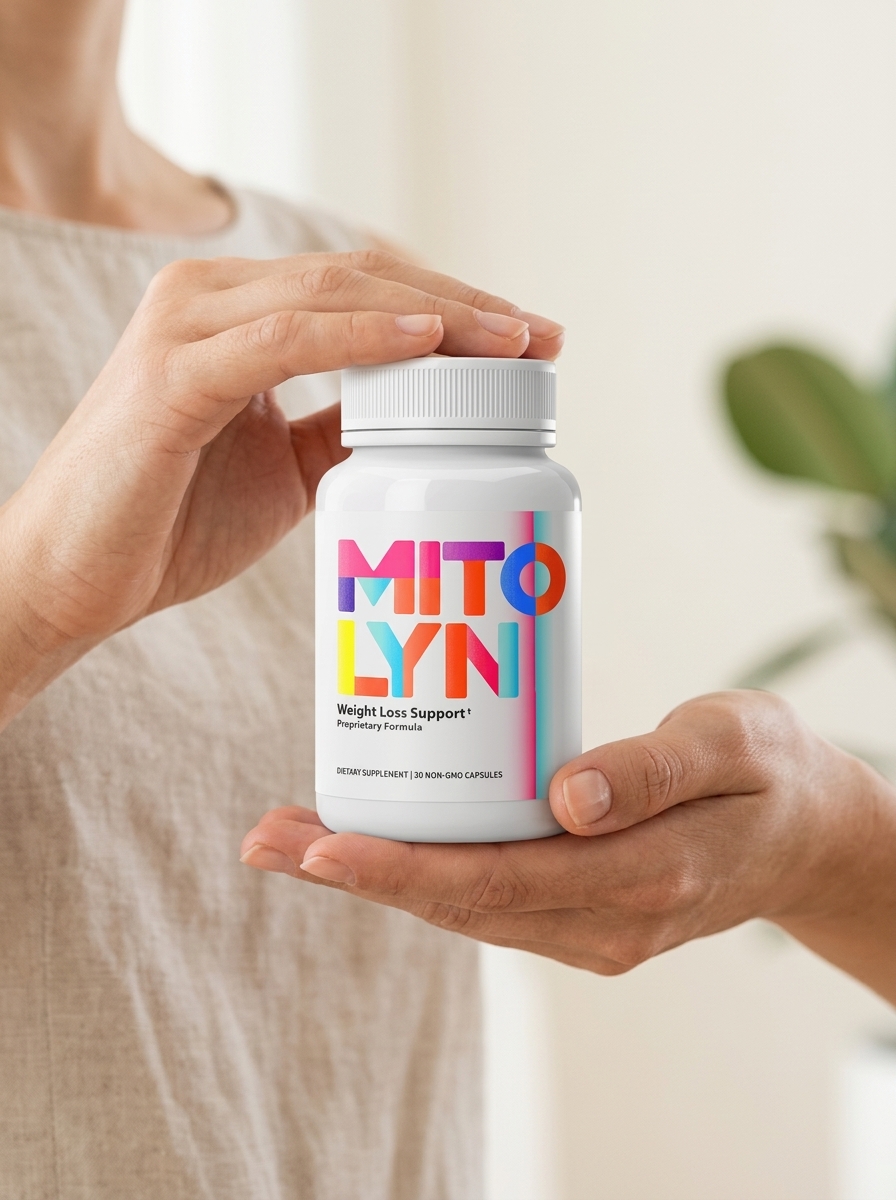
Fuel Your Cellular Recovery
When your mitochondria work optimally, everything else follows—sustained energy, faster recovery, mental clarity.
Mitolyn combines research-backed delphinidin, astaxanthin, and rhodiola to optimize your cellular environment for regeneration. Each capsule delivers targeted nutrients that support mitochondrial biogenesis, protect cellular membranes, and build stress resilience at the cellular level.
- ✓ Sustained energy without crashes
- ✓ Faster recovery from stress and exercise
- ✓ Mental clarity that lasts all day
The Morning I Discovered Mitolyn

After months of researching cellular regeneration and mitochondrial function, I kept coming back to the same three compounds: maqui berry delphinidin for mitochondrial biogenesis, astaxanthin for membrane protection, and rhodiola for cellular stress resilience. The research on each was compelling, but finding high-quality sources and determining proper dosing was becoming a project in itself.
That’s when I discovered Mitolyn. It wasn’t marketed as another energy supplement or anti-aging formula—it was specifically formulated around the science of mitochondrial optimization and cellular regeneration. The combination made sense: delphinidin to signal new mitochondrial production, astaxanthin to protect existing cellular machinery, and rhodiola to help cells adapt to stress more efficiently.
What impressed me most was the research backing each component. This wasn’t a kitchen sink approach of throwing together popular ingredients. Each compound was included at research-backed dosages specifically chosen to support the cellular environment needed for optimal regeneration.
I’d been skeptical of supplements for years, but Mitolyn represented something different—it was designed around a clear understanding of cellular biology rather than marketing claims. The more I learned about mitochondrial function, the more the formulation made sense.
Tired of feeling tired? Your cells might need targeted support.
What Changed When My Cells Started Working Again

The changes didn’t happen overnight, but they happened consistently. Within the first few weeks of using Mitolyn, I noticed that my afternoon energy crashes were becoming less severe. I wasn’t reaching for that third or fourth cup of coffee just to function through the day.
By the second month, something more significant shifted. I started waking up feeling like I’d actually slept. Not just rested, but restored. My workouts became more productive because my recovery time improved. Tasks that had been feeling overwhelming began to feel manageable again.
But the most noticeable change was mental. That constant background fatigue that had been coloring everything—every conversation, every decision, every project—started lifting.
I realized how much energy I’d been spending just to maintain normal function, and suddenly that energy was available for other things. People started commenting that I seemed more like myself again. It wasn’t dramatic, but it was consistent. I had the energy to be present in conversations, to tackle projects that had been sitting on my desk for months, to exercise consistently without feeling like it was depleting me.
If you’re ready to address cellular health at its foundation:
Why I Stopped Searching for the Next Thing

After years of trying different approaches to manage fatigue and low energy, I’d developed a pattern of constantly looking for the next solution. New diet plans, different exercise routines, various supplements—always searching for whatever would finally fix the underlying problem.
Mitolyn changed that pattern because it addressed the root issue: giving my cells what they needed to regenerate properly. Instead of masking symptoms or providing temporary energy boosts, it supported the fundamental processes that create sustained energy and resilience.
I stopped researching alternatives because I stopped needing them. When your mitochondrial function improves, everything else improves as a result. Energy, recovery, mental clarity, stress resilience—these aren’t separate problems requiring separate solutions. They’re all downstream effects of cellular health.
The best part is that this isn’t about maintaining something artificial. I’m not dependent on external stimulants or constantly fighting against decline. My cells are simply doing what they’re designed to do—regenerating efficiently and producing sustainable energy. That’s not just a solution; it’s a foundation for everything else I want to do with my health and my life.
Written by Elias Menden — for those who seek sustainable energy
Join others who’ve stopped searching and started regenerating properly.