The pharmacy aisle stretches before you like a maze of promises. Shelves lined with bottles claiming to “balance hormones naturally” and “stop hot flashes instantly.” You’ve probably stood here before, reading labels that blur together in a sea of unfamiliar plant names and scientific claims. The truth about menopause supplements isn’t what most women expect to hear.
While your neighbor swears by her evening primrose oil and your sister texts about the latest superfood powder, the supplements that actually make a difference during menopause work differently than you might imagine. They don’t fight your body’s transformation—they support it. They don’t promise overnight miracles—they offer sustained, gentle shifts that honor the profound reorganization happening within you.
After years of watching women navigate this transition, I’ve learned that the most effective supplements aren’t always the most popular ones. The ones that truly work understand that menopause isn’t a problem to fix, but a natural evolution to support.
Let’s explore what actually helps during this remarkable passage.
Why Most Supplement Advice Gets Menopause Wrong

Walk into any health store and you’ll find supplements marketed specifically for “menopause relief,” as if your body’s natural transition were a disease requiring treatment. This approach misses something fundamental: menopause isn’t happening to you—it’s happening for you. Your body is reorganizing itself for a new phase of life, and the supplements that truly help work with this process, not against it.
Most supplement advice treats menopause symptoms like isolated problems. Hot flash here, mood swing there, sleep disruption over there. But your body doesn’t experience menopause in fragments. It experiences a complete hormonal symphony shifting into a new key.
The supplements that make a real difference understand this interconnectedness. They support your body’s ability to find its new rhythm rather than trying to force it back to an old one.
The supplements that actually work for menopause share three characteristics: they support your body’s natural adaptation processes, they address the root causes rather than just symptoms, and they work gently over time rather than promising instant fixes. This understanding changes everything about how we approach supplemental support during this transition.
Ready to support your natural transformation with science-backed nutrition?
The Overlooked Foundation: Magnesium

If I could recommend only one supplement for women in menopause, it would be magnesium. Not because it’s trendy or exotic, but because it’s fundamental to how your body manages the stress of hormonal change. Magnesium is involved in over 300 enzymatic reactions in your body, including those that help you produce and metabolize hormones, regulate your nervous system, and maintain bone density.
During menopause, your magnesium needs increase just as your absorption often decreases. This creates a gap that affects everything from sleep quality to heart rhythm to mood stability. Women who supplement with magnesium often notice their sleep becomes deeper, their muscles relax more easily, and their overall sense of tension diminishes. It’s not dramatic—it’s foundational.
The key is choosing the right form. Magnesium glycinate absorbs well and doesn’t cause digestive upset. Magnesium malate supports energy production. Magnesium threonate crosses the blood-brain barrier effectively. Start with 200-400mg daily and notice how your body feels.
Sometimes the most powerful supplements are the simplest ones.
Ready to support your natural transformation with science-backed nutrition?
Omega-3s: The Anti-Inflammatory Bridge

Menopause brings inflammation—not the obvious kind that shows up as redness or swelling, but the subtle, systemic kind that affects everything from joint comfort to brain clarity to cardiovascular health. This is where high-quality omega-3 fatty acids become essential. They don’t just support heart health; they help your entire body manage the inflammatory stress of hormonal transition.
Research shows that women who maintain adequate omega-3 levels during menopause experience fewer mood fluctuations, better cognitive function, and improved overall comfort. The anti-inflammatory effects of EPA and DHA help your body adapt to changing hormone levels more smoothly. Think of omega-3s as a gentle buffer, softening the sharper edges of transition.
Quality matters enormously here. Look for molecularly distilled fish oil with a combined EPA and DHA content of at least 1000mg daily. If you’re plant-based, algae-derived omega-3s provide the same beneficial fatty acids. Take them with food to enhance absorption and reduce any fishy aftertaste. Your brain, heart, and joints will thank you months later.
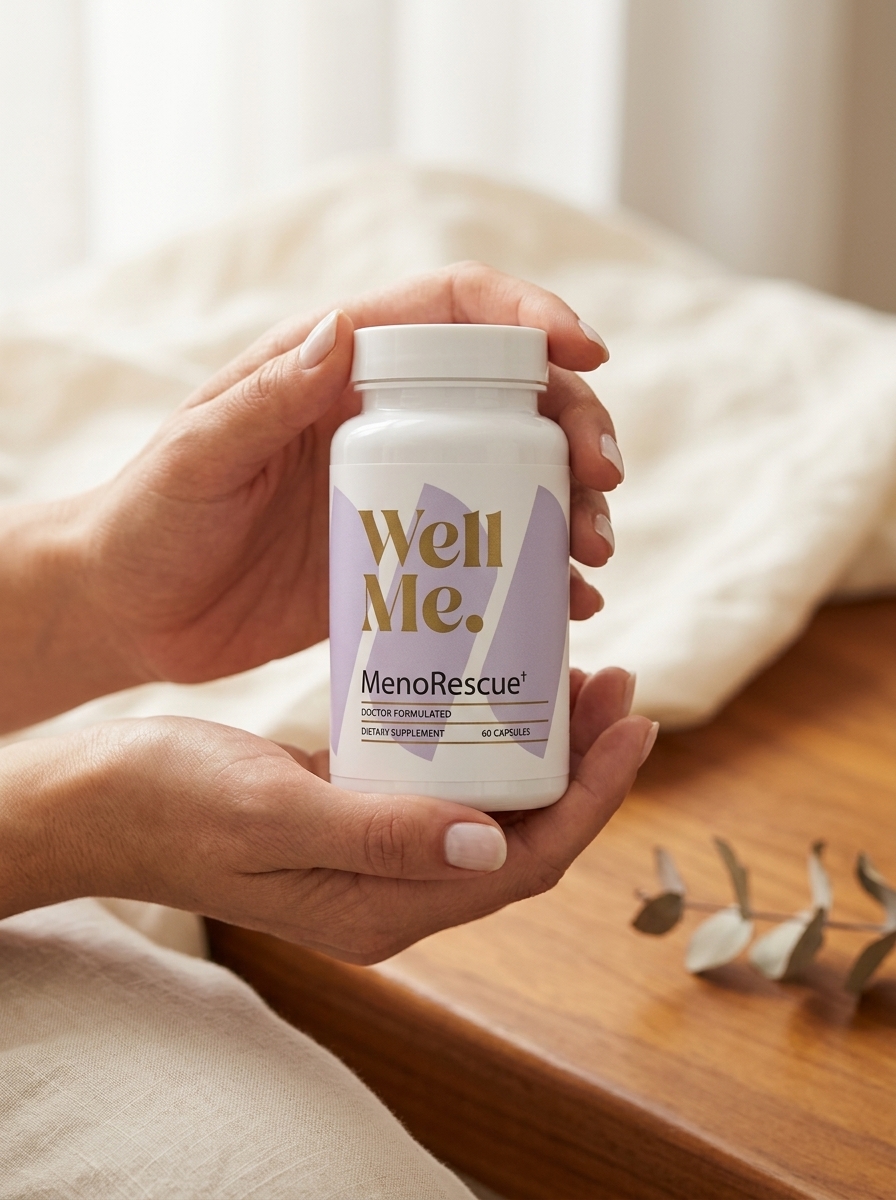
Complete Menopause Support
Finally, a formula that works with your transformation, not against it.
MenoRescue combines magnesium, adaptogens, vitamins, and botanicals in one comprehensive formula. Designed to support your body’s natural hormonal reorganization during menopause, it addresses the interconnected systems affected by this transition. No isolated symptom targeting—just complete, gentle support for your evolving wellness needs.
- ✓ Foundational nutrients in optimal ratios
- ✓ Supports natural adaptation processes
- ✓ Gentle, sustained hormonal balance
Vitamin D3: The Hormone That Isn’t

Vitamin D isn’t actually a vitamin—it’s a hormone precursor that influences countless processes in your body, from bone metabolism to immune function to mood regulation. During menopause, when your body’s hormone production shifts dramatically, maintaining optimal vitamin D levels becomes crucial for overall well-being and successful adaptation.
Most women enter menopause with suboptimal vitamin D levels, which compounds the challenges of hormonal transition.
Low vitamin D contributes to bone loss, mood changes, fatigue, and immune dysfunction—all concerns that become more prominent during menopause. Adequate vitamin D support helps your body maintain strength and resilience during this transformative time.
The key is getting your blood levels tested and supplementing accordingly. Most women need 2000-4000 IU daily of vitamin D3 (cholecalciferol) to maintain optimal levels. Take it with a meal containing healthy fats for better absorption, and consider pairing it with vitamin K2 for enhanced bone support. This combination works synergistically to support your body’s natural adaptation processes.
Ready to support your natural transformation with science-backed nutrition?
The Adaptogen Your Body Actually Wants: Ashwagandha
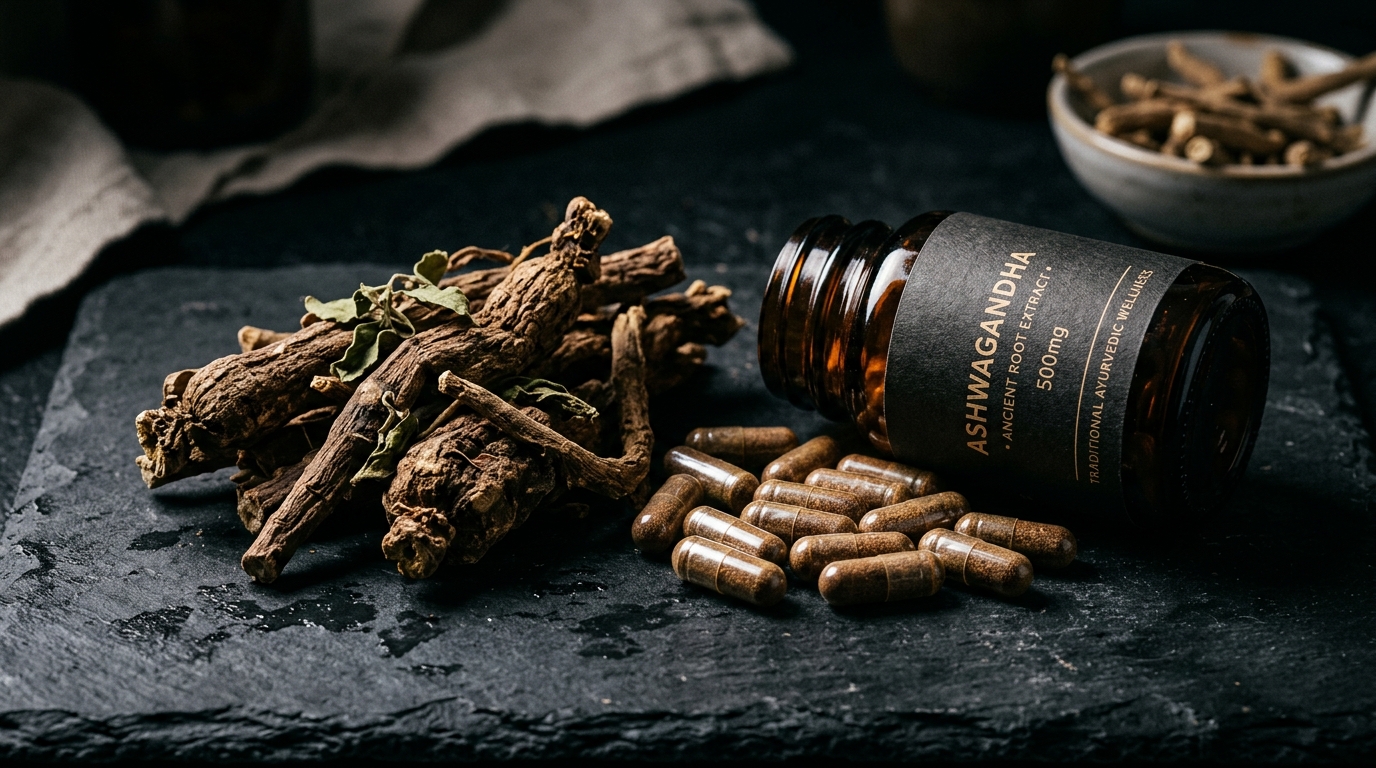
While the supplement world buzzes about countless exotic adaptogens, ashwagandha stands out for its specific benefits during menopause. This ancient herb helps your body manage stress more effectively, supports healthy sleep patterns, and may help maintain healthy cortisol levels—all of which become more challenging during hormonal transition.
What makes ashwagandha particularly valuable for menopausal women is its ability to support both energy and calm simultaneously. Many women report feeling more resilient to daily stressors, experiencing better sleep quality, and maintaining more stable moods when they include ashwagandha in their routine. It doesn’t sedate or stimulate—it helps your body find its natural balance.
Look for a standardized extract containing at least 5% withanolides, typically taken as 300-600mg daily. Some women prefer taking it in the evening to support sleep, while others find it helpful in the morning for stress resilience. Start with a lower dose and notice how your body responds. Quality ashwagandha works gently but consistently over time.
Ready to support your natural transformation with science-backed nutrition?
B-Complex: The Energy and Mood Connection

During menopause, your body’s need for B vitamins increases just as your ability to absorb them from food may decrease. B vitamins are essential for energy production, nervous system function, and the metabolism of hormones. They’re also crucial for maintaining stable moods and mental clarity during times of hormonal change.
B6, in particular, supports the production of neurotransmitters like serotonin and GABA, which influence mood and sleep. B12 becomes increasingly important for energy and cognitive function as we age. Folate supports cardiovascular health and mood stability. Rather than supplementing individual B vitamins, a high-quality B-complex provides these nutrients in proper ratios.
Choose a B-complex that provides active forms of these vitamins: methylcobalamin (B12), pyridoxal-5-phosphate (B6), and methylfolate rather than folic acid. Take it with your morning meal to support energy production throughout the day. Many women notice improvements in energy, mood stability, and mental clarity within a few weeks of consistent use.
Ready to support your natural transformation with science-backed nutrition?
The Comprehensive Approach: Why Combination Matters

While individual supplements can be helpful, menopause affects multiple body systems simultaneously. Your hormones don’t work in isolation—they’re part of an intricate network that includes your nervous system, cardiovascular system, bone health, and more. This is why comprehensive formulations designed specifically for menopausal support often prove more effective than taking individual supplements separately.
A well-designed menopause support formula combines key nutrients in proper ratios, often including ingredients that enhance each other’s absorption and effectiveness. It takes the guesswork out of dosing and timing, ensuring you’re getting complementary nutrients that work together to support your body’s natural adaptation processes.
The most effective comprehensive formulas include the foundational nutrients we’ve discussed—magnesium, omega-3s, vitamin D, adaptogens, and B vitamins—along with additional supportive ingredients like vitamin K2 for bone health, CoQ10 for cellular energy, and specific botanicals that have research support for menopausal wellness.
This approach honors the complexity of what your body is experiencing.
Ready to support your natural transformation with science-backed nutrition?
Creating Your Personal Supplement Strategy

The supplements that work for menopause aren’t one-size-fits-all solutions. Your genetics, lifestyle, stress levels, and individual health history all influence what your body needs most during this transition. The key is starting with the fundamentals—magnesium, omega-3s, vitamin D, and B vitamins—then adding targeted support based on your specific experiences.
Quality matters more than quantity. Five high-quality supplements taken consistently will serve you better than fifteen mediocre ones taken sporadically. Look for third-party testing, proper storage and packaging, and companies that prioritize bioavailability. Remember that supplements work best as part of a comprehensive approach that includes nourishing food, adequate sleep, stress management, and regular movement.
Most importantly, listen to your body. The right supplements for menopause should make you feel more like yourself, not less. They should support your energy, comfort, and resilience as you navigate this natural transition. Trust your body’s wisdom and give supplements time to work—real nutritional support builds gradually, creating lasting benefits that honor your body’s remarkable ability to adapt and thrive.
Written by Liora Menden — for those who seek balance
Ready to support your natural transformation with science-backed nutrition?
Related reading
- The 5 Menopause Supplements I Actually Keep on My Counter (And the One That Stopped the Cycle)
- Menopause Brain Fog Solutions: What Finally Helped Me Think Clearly Again
- Natural Solutions for Easing Menopause Symptoms (That Actually Feel Doable)
- My 7-Day Hormone Reset Plan (And the One Thing That Made It Actually Work)