The presentation wasn’t particularly high-stakes. A quarterly review I’d done dozens of times before. But sitting in that conference room, I felt my chest tighten with the kind of anxiety usually reserved for life-altering moments. My hands were damp. My thoughts scattered like startled birds every time someone asked a follow-up question.
Later, walking back to my office, I couldn’t shake the feeling that something fundamental had shifted. The same pressures that used to feel manageable now felt overwhelming. The same workload that used to energize me now left me depleted by noon. I wasn’t dealing with more stress than usual — I was dealing with it differently. Worse.
What I didn’t understand then was that stress resilience isn’t just about mindset or time management. It’s about the actual biochemical capacity of your brain to process pressure without breaking down.
And somewhere along the way, mine had quietly eroded.
The Invisible Erosion of Mental Stamina

Stress resilience operates like a checking account you never see the balance of until you’re overdrawn. For years, your brain handles the deposits and withdrawals seamlessly. Work deadlines, family obligations, financial concerns, relationship dynamics — all processed with the kind of cognitive flexibility that makes you feel capable and clear-headed. Then something shifts.
The same stressors that used to bounce off you start sticking. A difficult conversation at work lingers in your mind for hours instead of minutes. Decision-making becomes labored where it used to be instinctive.
You find yourself snapping at people you love over trivial irritations.
This isn’t about being weak or unprepared. It’s about the neurochemical systems that govern stress response becoming depleted faster than they can recover. Your brain’s ability to manufacture calm, focus, and emotional stability depends on specific nutrients and compounds that modern life steadily drains away.
Ready to restore the mental clarity that stress has slowly stolen away?
When Your Brain Chemistry Falls Behind
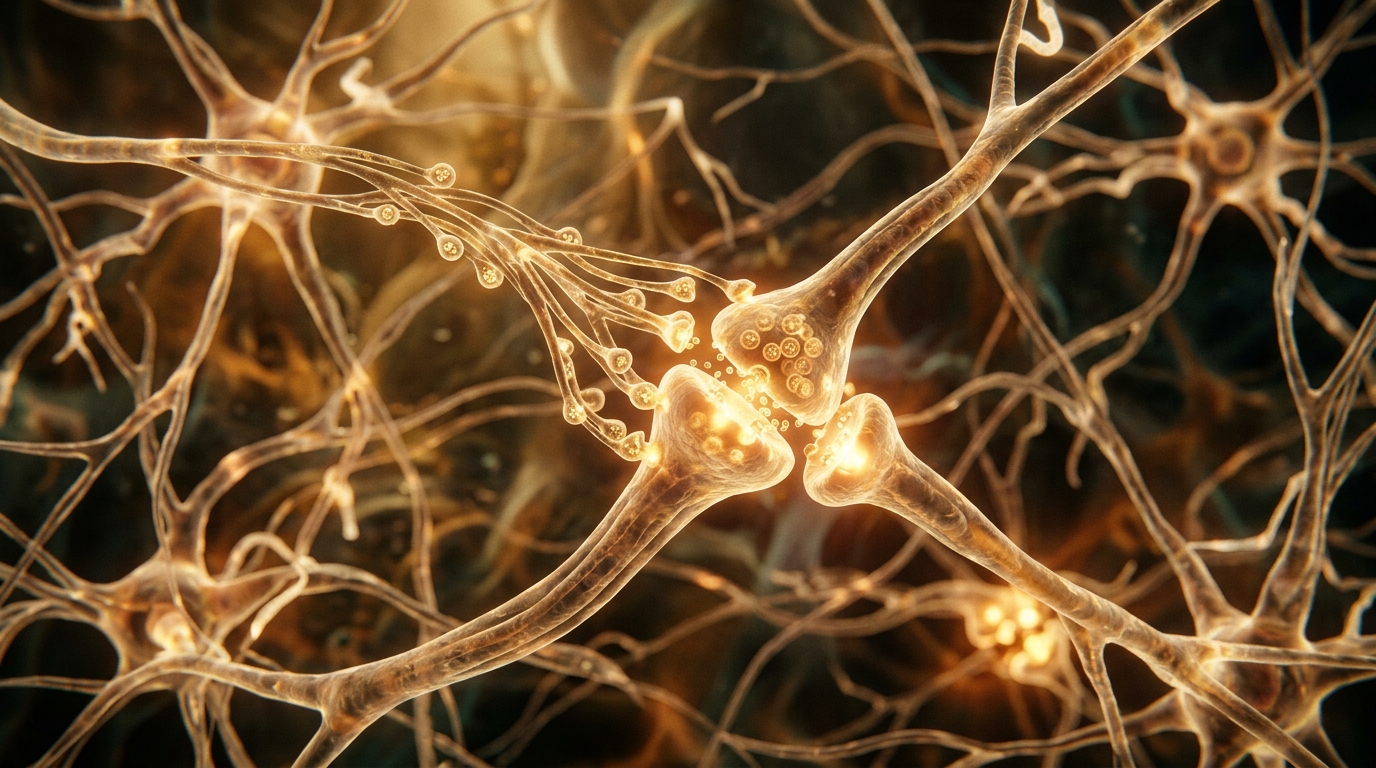
The stress response system in your brain operates through a delicate network of neurotransmitters and hormones. Dopamine for motivation and reward processing. GABA for calming anxious thoughts. Serotonin for emotional balance. Cortisol regulation to prevent the fight-or-flight response from becoming chronic. Under normal circumstances, your brain manufactures and regulates these compounds efficiently.
But chronic stress — even low-level, persistent stress — gradually depletes the raw materials needed for this neurochemical production. You’re asking your brain to perform the same functions with diminishing resources.
What makes this particularly insidious is how gradual the decline feels. You don’t wake up one morning with a broken stress response.
Instead, you slowly lose the mental reserves that used to carry you through difficult days. Tasks that once felt routine become effortful. Situations that used to energize you start feeling draining. The conventional wisdom about stress management — exercise, meditation, better sleep — addresses the symptoms but not the underlying depletion.
Your brain deserves the nutritional support it needs to handle modern pressures.
The Botanicals That Rebuild Mental Resilience

Ancient healing traditions understood something that modern medicine is rediscovering: certain plants have the unique ability to strengthen the brain’s stress response systems rather than simply masking stress symptoms. These are called adaptogenic compounds — substances that help the body adapt to and recover from various forms of stress.
Bacopa monnieri, used in Ayurvedic medicine for over 3,000 years, has been shown in multiple studies to improve cognitive function under stress while reducing anxiety and mental fatigue. Unlike caffeine or stimulants that provide temporary energy followed by a crash, bacopa actually enhances the brain’s underlying capacity to process information clearly even during challenging periods.
Rhodiola rosea works through a different but complementary mechanism. This Arctic root helps regulate cortisol production, preventing the stress hormone from remaining elevated long after the stressful situation has passed.
People taking rhodiola often report feeling more emotionally steady — less reactive to daily irritations, more resilient during busy periods.
Experience what it feels like when your stress response actually works for you.
The Amino Acid Your Stressed Brain Craves

While botanicals provide foundational support for stress resilience, your brain also needs specific amino acids to manufacture the neurotransmitters that govern mood and focus. L-Tyrosine is particularly crucial because it serves as the precursor to dopamine and norepinephrine — the brain chemicals responsible for motivation, attention, and mental clarity. Under stress, your brain burns through tyrosine rapidly.
This is why prolonged periods of pressure often leave you feeling mentally foggy and emotionally flat. You’re not lazy or unmotivated — you’re neurochemically depleted.
Supplementing with L-Tyrosine provides your brain with the raw materials needed to maintain sharp thinking and emotional stability even during demanding periods. People often notice improved decision-making ability and less mental fatigue within the first few weeks of consistent use.

Rebuild Mental Resilience
The adaptogenic support your overworked brain needs to handle stress skillfully again.
CogniCare Pro combines ancient botanicals like Bacopa and Rhodiola with essential L-Tyrosine to restore your brain’s natural stress resilience. Unlike stimulants that mask symptoms, these research-backed compounds address the neurochemical depletion that makes normal pressures feel overwhelming. Experience the return of genuine mental clarity and emotional stability.
- ✓ Sharp thinking under pressure returns
- ✓ Emotional steadiness replaces reactive anxiety
- ✓ Mental fatigue gives way to sustained focus
What Recovery Actually Looks Like

Rebuilding stress resilience doesn’t happen overnight, but the early signs are unmistakable. The first thing most people notice is improved sleep quality — not just falling asleep more easily, but waking up feeling genuinely refreshed rather than already depleted. Mental clarity returns gradually. Conversations become easier to follow.
Work tasks that felt overwhelming start feeling manageable again. You find yourself able to think clearly even when multiple demands compete for your attention.
The emotional changes are equally significant. Situations that used to trigger anxiety or irritation start feeling neutral. You develop more emotional bandwidth for the people and activities that matter to you. The constant undercurrent of tension that stressed brains carry begins to lift.
This is what optimal brain function feels like — not the absence of challenge, but the presence of genuine capacity to meet challenges without becoming overwhelmed by them.
Stop struggling with normal stress and start thriving despite it.
The Compound Approach to Cognitive Resilience

The most effective approach to rebuilding stress resilience combines multiple supportive compounds rather than relying on any single ingredient. Bacopa enhances cognitive function and reduces anxiety. Rhodiola regulates stress hormones and improves mental endurance. L-Tyrosine provides the amino acid building blocks for neurotransmitter production. When these work together in proper ratios, they create a synergistic effect that’s greater than the sum of their individual benefits.
Your brain receives comprehensive support for both the immediate symptoms of stress and the underlying depletion that causes those symptoms. CogniCare Pro brings together these research-backed compounds in carefully calibrated doses, designed to work together to restore your brain’s natural stress resilience.
Rather than masking stress symptoms with stimulants or sedatives, it addresses the nutritional deficiencies that make normal stress feel overwhelming.
Give your overworked brain the adaptogenic support it’s been craving.
The Morning That Changes Everything

Three weeks into supporting my brain with the right combination of adaptogenic botanicals and amino acids, I woke up to the same alarm, the same schedule, the same responsibilities waiting for me. But something was different in how I met them. The mental fog that had become my normal morning companion was gone. My thoughts felt organized, purposeful.
When my phone buzzed with the day’s first crisis — a client emergency that would have sent me into immediate stress mode just a month before — I found myself responding with calm competence rather than anxious scrambling.
That afternoon presentation I’d been dreading? I walked into the conference room feeling prepared rather than panicked. My answers came easily. My confidence felt grounded rather than forced. This wasn’t about the elimination of stress — it was about having the mental resources to handle stress skillfully.
The difference between struggling with stress and thriving despite it often comes down to giving your brain the nutritional support it needs to function optimally. When your stress response systems have what they need to work properly, normal pressures feel normal again. Challenges become opportunities to demonstrate capability rather than threats to your well-being.
Written by Elias Menden — for those who seek mental resilience
Transform how you meet life’s challenges with research-backed cognitive support.