The barbell felt heavier than it should have. Same weight I’d been lifting for months, but today my muscles quit halfway through the second set. I stared at the plates, wondering when 185 pounds had become my ceiling instead of my warm-up.
Eight months. That’s how long I’d been circling the same numbers, watching my training log fill with identical entries week after week. My form was solid. My programming made sense. I was eating enough protein, sleeping seven hours, hitting every session. Yet my body had quietly decided that this was enough progress for one lifetime.
The frustration wasn’t just about the weight on the bar. It was the creeping suspicion that I was missing something fundamental about how strength actually builds inside the muscle fiber.
The Science Behind Strength Plateaus Nobody Talks About
Most training advice treats plateaus like a programming puzzle. Add volume here, change rep ranges there, throw in some periodization. But after digging into the research, I realized my plateau wasn’t happening in my workout plan. It was happening inside my cells.
Every time you lift heavy, your muscle fibers tear microscopically and rebuild stronger. That rebuilding process requires enormous amounts of cellular energy — specifically ATP produced by your mitochondria. When your mitochondria can’t keep up with the energy demands of muscle protein synthesis, growth simply stops. Your body prioritizes survival over gains.
The problem compounds over months of consistent training. Oxidative stress accumulates. Mitochondrial function declines. Your cells literally run out of gas for building new muscle tissue, even when you’re doing everything else right.
The plateau isn’t a sign you need to train harder.Ready to address the cellular energy bottleneck limiting your strength gains?
Why Standard Recovery Methods Weren’t Enough
I tried everything the fitness forums recommended. Extra rest days. Deload weeks. Different rep schemes. More carbs around workouts. I tracked my sleep with three different apps and optimized my protein timing down to the hour.
Some of these changes helped temporarily. I’d break through for a week or two, then hit the same wall again. The issue wasn’t my recovery between sessions — it was my recovery at the cellular level between contractions. My mitochondria were working overtime without the raw materials they needed to sustain that effort.
Traditional recovery focuses on muscle tissue and nervous system fatigue. But it ignores the metabolic fatigue that accumulates inside each muscle fiber. When your cellular powerhouses can’t produce clean, efficient energy, strength gains become impossible regardless of how perfect your macros look on paper.
Stop grinding through plateaus when the solution works at the molecular level.
The Morning I Realized Something Had to Change
It was a Tuesday morning in November. I walked into the gym feeling strong, ready to finally push past my bench press ceiling. Loaded 190 pounds — just five pounds more than my previous best. The weight came off my chest like it was made of concrete.
Not heavy concrete. Just dense, immovable concrete that my muscles refused to acknowledge. I reracked the bar and sat on the bench for ten minutes, staring at my hands. They looked strong. My shoulders felt fine. But something deeper was missing. Some fundamental capacity for force production that used to be there.
That’s when I started researching mitochondrial function and athletic performance. I learned that strength isn’t just about muscle size or neural drive.
Give your muscles the cellular support they need for consistent progression.
How Cellular Energy Actually Powers Muscle Growth
Think of your muscle fibers as tiny factories. Each contraction requires a surge of ATP — the cellular currency that powers everything from protein synthesis to calcium pumping. When you lift heavy, you’re asking these factories to operate at maximum capacity while simultaneously building new infrastructure.
This dual demand creates an energy bottleneck. Your mitochondria have to fuel both the immediate work of contracting muscle and the long-term work of building new muscle protein. When mitochondrial capacity becomes the limiting factor, strength gains plateau even if everything else is optimized.
The key insight: you can’t out-program cellular energy deficiency. No amount of periodization will fix mitochondria that can’t keep up with your training demands. Recovery happens at the molecular level, inside each individual muscle fiber.
Experience training sessions powered by optimized cellular energy production.
Why I Started Looking Into Mitochondrial Support
After weeks of research, I kept coming back to one simple idea: if my plateau was caused by cellular energy limitations, maybe I needed to support my cells directly instead of just manipulating my training variables.
I found studies showing that targeted mitochondrial support could improve ATP production efficiency, reduce oxidative stress during exercise, and enhance recovery between training sessions. The research wasn’t about getting stronger overnight. It was about removing the metabolic barriers that prevent natural strength progression.
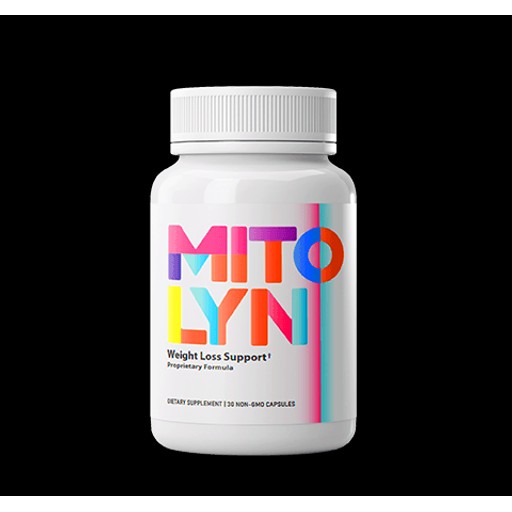
That’s when I discovered Mitolyn.Unlike general energy supplements that just provide caffeine or sugar, Mitolyn specifically targets mitochondrial function with ingredients designed to optimize cellular energy production. It felt like exactly what my training had been missing.
Break Your Cellular Energy Barrier
When training plateaus happen inside your cells, you need mitochondrial support that works.
Mitolyn targets the root cause of strength stagnation — cellular energy deficiency. By optimizing mitochondrial function, it removes the metabolic bottleneck preventing natural progression. Support your cells. Break through plateaus. Train with the intensity your program demands.
- ✓ Sustained energy through working sets
- ✓ Faster recovery between sessions
- ✓ Consistent strength progression returns
My First Week with Mitolyn
I started with one capsule each morning, thirty minutes before breakfast. The first thing I noticed wasn’t dramatic — just a subtle shift in how my muscles felt during warm-up sets. Less stiffness. More readiness. Like my cells were waking up faster than usual.
By day four, my training sessions felt different. Not easier, exactly, but more sustainable. I could maintain intensity through all my working sets instead of fading halfway through. The weights still felt heavy, but my muscles seemed more willing to engage with them.
The real test came during my bench press session that Friday. Same 190 pounds that had crushed me the week before. This time, it moved.
Transform stagnation into steady progress with targeted mitochondrial support.
Week Three: The Breakthrough
Three weeks into using Mitolyn, something shifted fundamentally. I loaded 195 pounds on the bench press — more weight than I’d touched in almost a year. It felt heavy, but manageable. Like my muscles remembered how to recruit maximum force on command.
The breakthrough wasn’t just about the numbers. It was about the quality of each repetition. My muscles fired crisply through the entire range of motion. Recovery between sets felt complete instead of rushed. I was finally training with the intensity my programming demanded.
More importantly, the gains started stacking. Each week brought small but consistent improvements. Five pounds here, an extra rep there. Progress felt inevitable again instead of accidental. My training log started looking like it had during my first year of lifting — steady, predictable forward movement.
Train with confidence knowing your cells can meet every challenge.
How My Recovery Changed
The strength gains were obvious, but the recovery changes were more subtle and perhaps more important. I stopped feeling drained after heavy sessions. The deep muscle fatigue that used to linger for days resolved overnight.
My sleep quality improved noticeably. Instead of lying awake with that wired-but-tired feeling after intense training, I fell asleep easily and woke up feeling restored. My muscles felt ready for the next session instead of still processing the previous one.
Most significantly, I could train consistently without accumulating fatigue. Before Mitolyn, good sessions came in waves — a few strong workouts followed by a week of sluggish recovery. Now my performance felt steady and predictable, session to session.
Ready to feel the difference this formula makes?
What I’ve Learned About Plateaus and Cellular Health
After breaking through my eight-month plateau, I understand that strength training is fundamentally a cellular process. Your muscles can only grow as fast as your mitochondria can support that growth. When cellular energy becomes the limiting factor, no amount of training optimization will create progress.
Mitolyn didn’t make lifting easier or eliminate the need for consistent effort. What it did was remove the metabolic bottleneck that was preventing my natural strength progression. It gave my cells the support they needed to keep up with my training demands.
The lesson: sometimes the answer to a training plateau isn’t found in your program.Looking back, those eight months of stagnation taught me something valuable about the relationship between nutrition and performance. Real progress happens when your training stress matches your recovery capacity. Mitolyn helped bridge that gap by optimizing how efficiently my muscles could use energy and repair themselves.
Now when I load the bar, I feel confident that my cells are ready to meet the challenge. That confidence — knowing your body has the metabolic foundation to support your efforts — makes all the difference between grinding through plateaus and breaking through them.
Written by Elias Menden — for those who seek uncompromising strength
Your body deserves support that works with it, not against it.