I didn’t grow up afraid of fat.
If anything, I was proud I wasn’t “that person” obsessing over every label. I cooked with whatever oil was nearby, I said yes to fries, and I spread butter like I was painting a wall. My annual labs stayed in the safe zone, so I assumed my heart was, too.
Then I got a set of results that weren’t bad… but weren’t as calm as I expected. Inflammation markers hinting upward. A note about “keeping an eye on cardiovascular risk.” And suddenly it felt like someone turned on the kitchen lights and I could see all the oils, snacks, and quiet habits that had been running in the background.
No one had ever said, “Watch your omega-6s — they pile up.” But that was the thread I started pulling.
The kind of diet that sneaks up on you
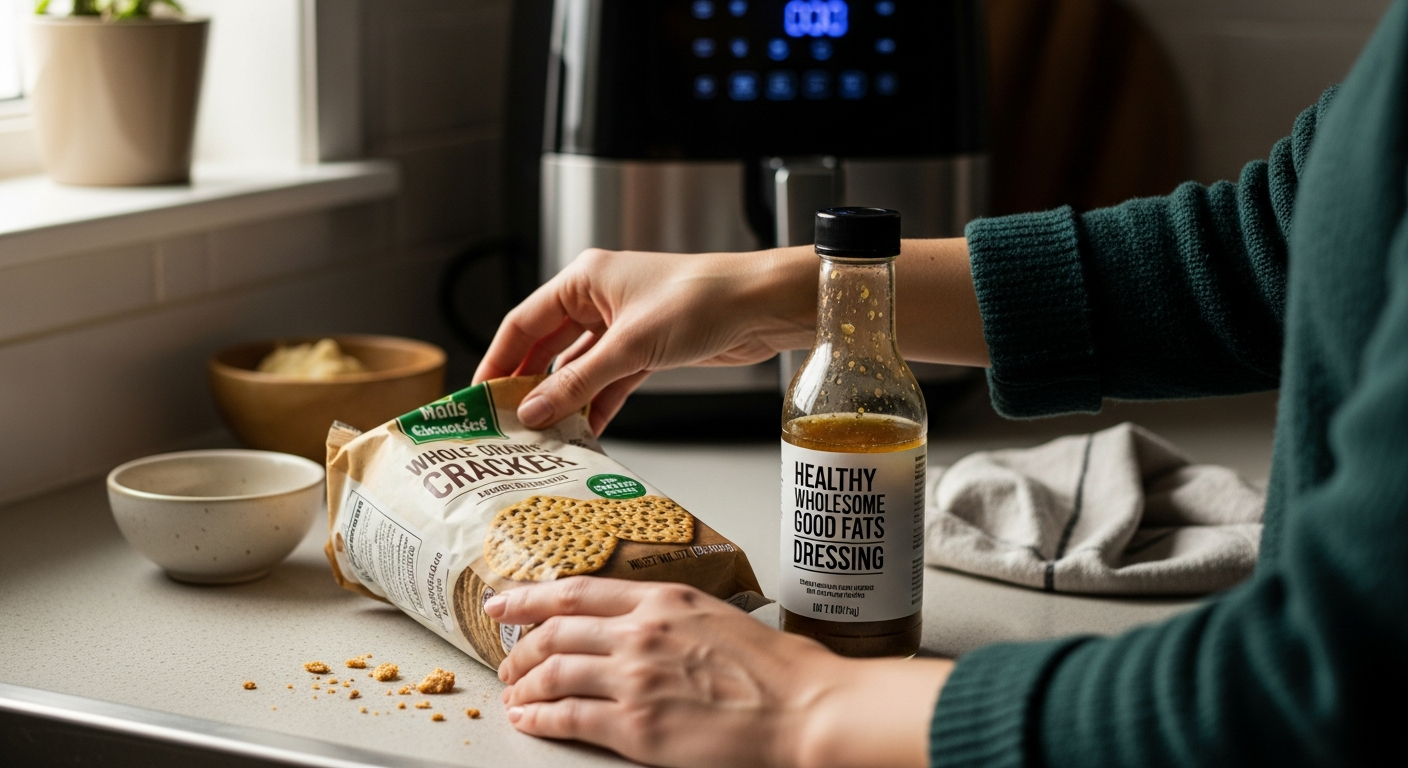
Picture this: late afternoon light coming through the window, air fryer humming, salad on the counter… and every single thing I reached for was made with a seed or vegetable oil.
Restaurant food. Packaged crackers. Even “healthy” dressings.
One day of that? Fine.
Years of that? You start to tilt.
What I didn’t know back then was that omega-6s aren’t bad. They’re actually useful. The problem is that our modern food supply drenches us in them, while omega-3s — the ones that help calm things — barely show up. That lopsided ratio can keep the body nudged toward a more inflamed state, and your heart has to live in that environment.
So there I was, sitting with labs that said “normal” but a diet that said “overloaded.”
“But I take fish oil…” (I said this, too)
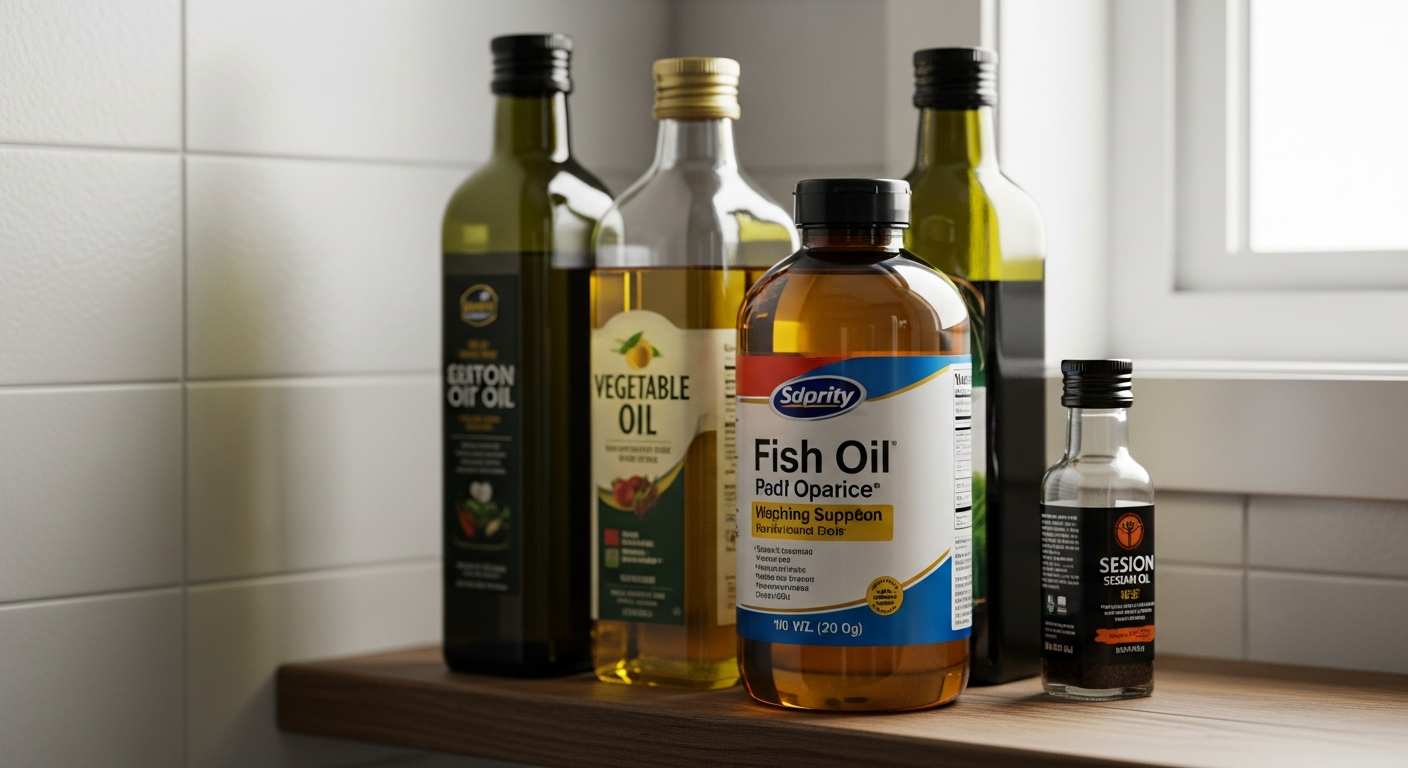
My first move was the most predictable one: “I’ll just take more omega-3s and balance it out.”
Except it didn’t feel balanced.
If the body is dealing with a steady stream of omega-6s from fried foods, processed snacks, and cheap cooking oils, adding a little omega-3 is like whispering in a loud room. You have to do both — quiet the omega-6 noise and raise the calming fats — before the body truly settles.
So I started making the easiest swaps first:
- Dressing made with olive oil instead of seed oils.
- Fish a couple times a week.
- Nuts and seeds that naturally support a better fat pattern.
- Fewer “just because” fried sides.
That took away some of the pressure. But I still wanted my heart to have backup — something in my day that supported healthy blood flow and helped my vessels stay relaxed, not clenched.
That’s when I found Cardio Shield — a heart-support supplement built to help maintain healthy blood pressure, circulation, and overall cardiovascular function, which was exactly the environment I was trying to build.
Why I added Cardio Shield to a food-first plan
I didn’t want another random capsule. I wanted something that made sense with the story I was uncovering.
Here’s what I liked:
- My diet work was about removing excess stressors (too many omega-6s).
- Cardio Shield was about adding supportive inputs — nutrients that help the heart, vessels, and circulation feel supplied and steady.
- And it fit the idea I kept seeing in research writeups: heart-supporting nutrients + better fat balance often do more together than either one alone.
So I folded it in once a day, same time, with a meal. That routine mattered — heart care works best when it becomes part of the rhythm, not a hero you remember every third Thursday.
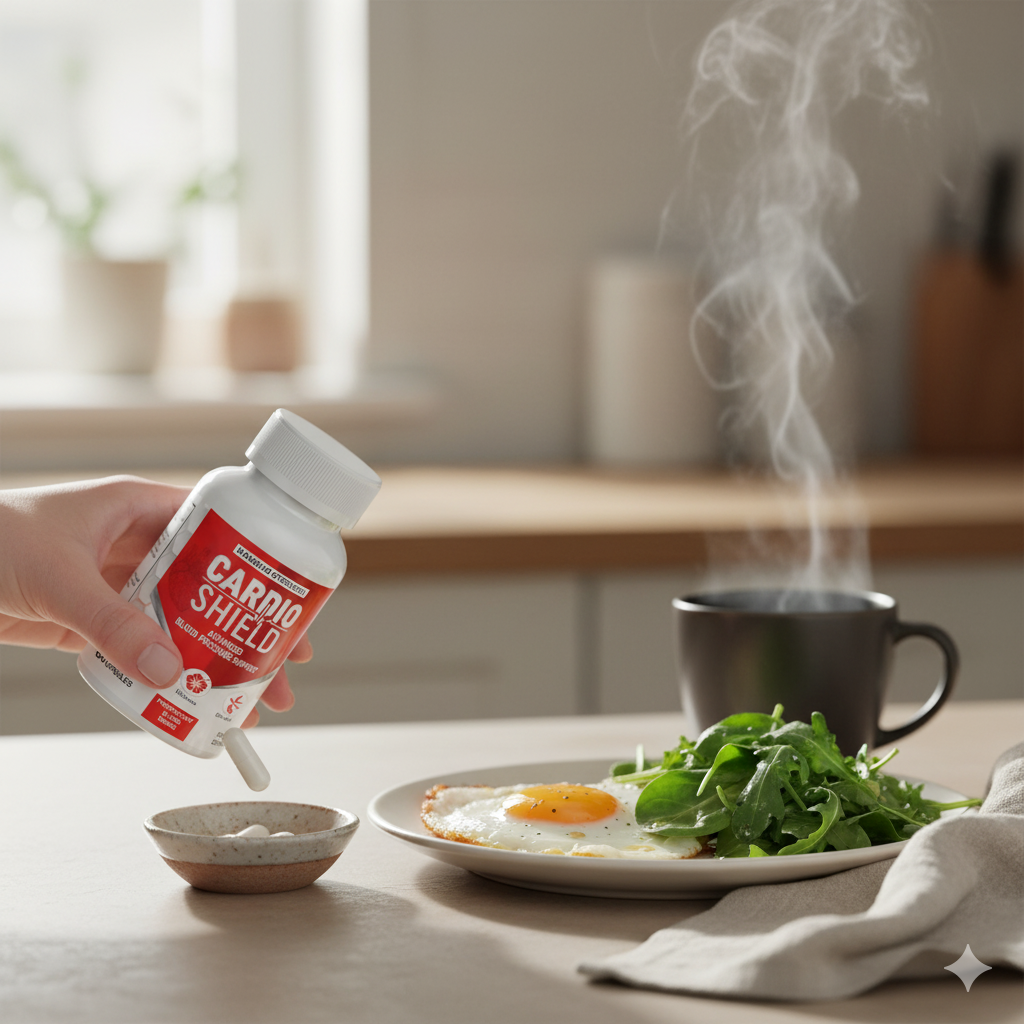
Give Your Heart Backup
A once-a-day add-in that supports relaxed vessels and steady circulation
Pairing food swaps with a simple daily formula can help create a calmer cardiovascular environment. Cardio Shield supports healthy blood flow and helps you keep the “vessel side” steady while you trim excess omega-6s. One habit, same time, every day.
-
Feels routine-friendly, not complicated
-
Supports healthy blood flow and vessel ease
-
Pairs naturally with olive-forward cooking
The micro-shifts I noticed

They weren’t fireworks. They were quieter than that.
- Mornings felt less tight, especially on stressful weeks.
- Meals didn’t sit as heavy.
- My mindset changed — I wasn’t hoping my heart was okay; I was doing something daily for it.
- And on the next round of labs, the trend line looked better, which is all I wanted — not perfection, just direction.
That’s the thing about heart health: you don’t always feel the problem when it starts, so you also don’t always feel the solution right away. You keep showing up for your vessels anyway.
Let’s talk about the quiet villain: imbalance
Most doctors talk about cholesterol because it’s easy to measure. But “normal cholesterol” can sit next to low-grade inflammation, and that combination is sneakier for arteries than people expect.
An omega-6 heavy pattern can help lower LDL on paper, but if the ratio to omega-3 is too wide, the body may be more prone to inflammatory signaling — and that’s the stuff you don’t want simmering in your arteries for years. Pair that with stress, poor sleep, or blood pressure that’s higher than you’d like, and the heart starts working harder than it should.
That’s why I liked having Cardio Shield in the picture — it leans toward supporting healthy blood flow and vessel ease, which matches the “let’s not make the heart work so hard” goal. (CardioShield)
What I do now (most days)
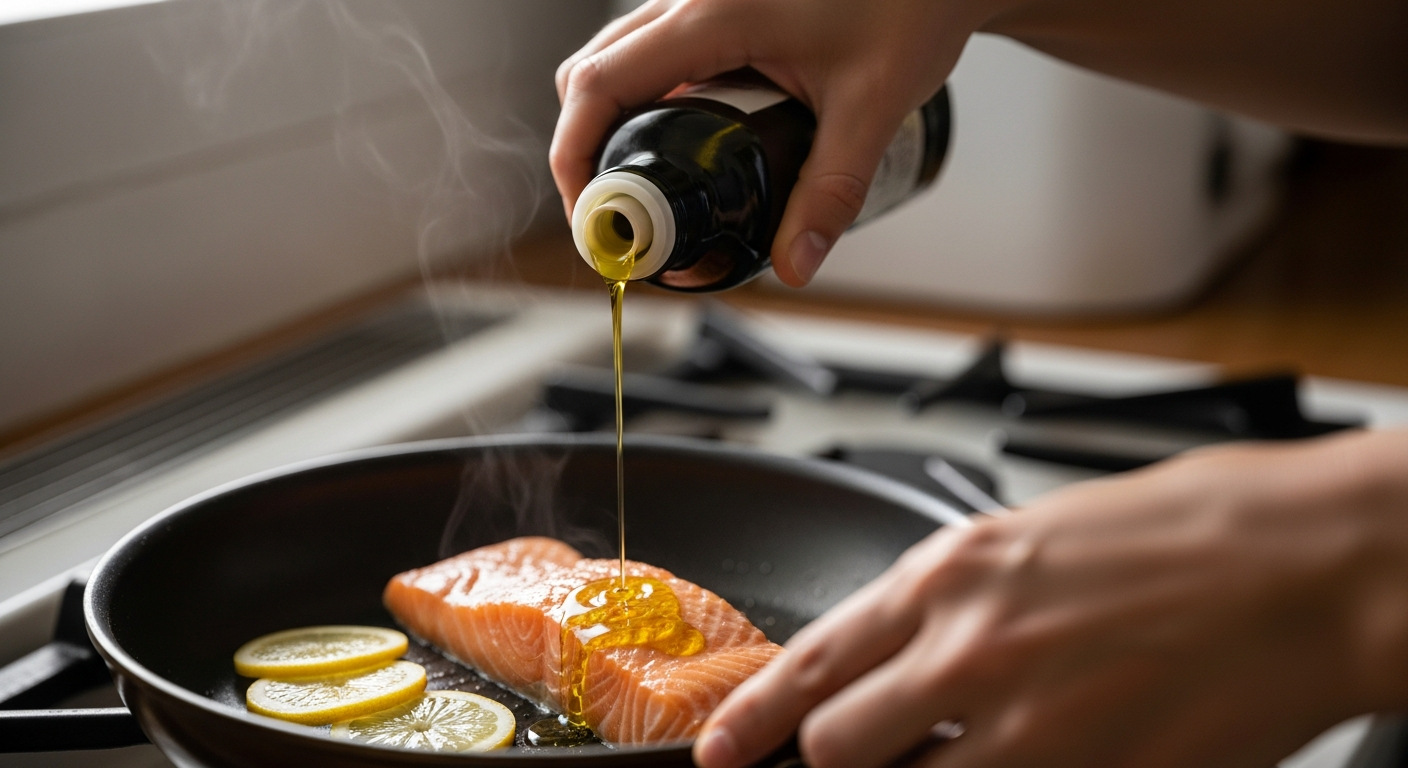
This isn’t a perfect plan. It’s a repeatable one.
- Cook mostly with olive or avocado oil.
- Keep the fried and packaged stuff in the “sometimes” lane.
- Get omega-3s from real food so the ratio stays friendly.
- Take Cardio Shield daily to support the cardiovascular terrain I’m trying to protect.
- Check in on labs, not to panic, but to confirm I’m steering right.
That combination made me feel like I was no longer a passive passenger in my own heart story.
Do you have to quit omega-6 forever?
No.
Omega-6 from whole foods — nuts, seeds, certain oils used sparingly — can live in a heart-smart diet. The problem is abundance without awareness. When every meal, snack, and takeout dish is drenched in high-omega-6 oils, your body is basically running on one note.
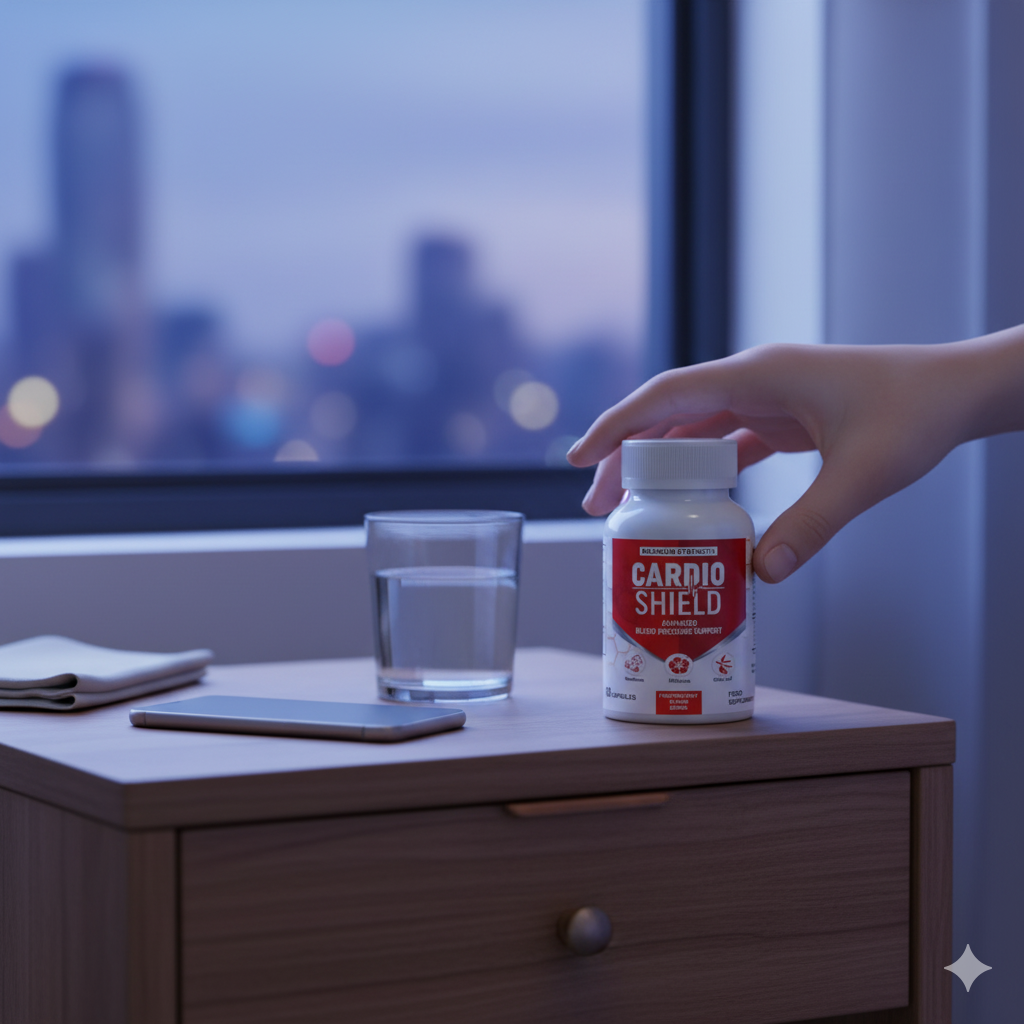
Keep It in Rhythm
A steady step that softens the edges of busy days
You don’t need perfect meals to support your heart. Cardio Shield helps maintain healthy circulation and blood pressure already within the normal range—so your vessels feel supported while you crowd out high omega-6 habits.
-
Gentle, everyday continuity
-
Complements better-fat choices
-
Helps your plan feel sustainable
So think of it this way:
Keep the omega-6s that come with real food.
Crowd out the overly processed, fried sources.
Then give your heart something daily — like Cardio Shield — that supports circulation and blood pressure from another angle.
That’s not restrictive. That’s just kind.
The invitation I wish my doctor had made
I don’t blame my doctor. Short appointments don’t leave room for “let’s walk through your cooking oils.” But I do wish someone had said:
“You’re in range… but you could be in rhythm.”
Range is a number on a page.
Rhythm is how your heart, vessels, and inflammation signals are actually living together.
Balancing your fats pulls you toward rhythm. A daily heart-support formula like Cardio Shield keeps you there, especially on the days your food isn’t perfect. And once you feel that steadiness, it’s hard to go back to guessing.
So if your labs are “fine” but your instincts aren’t, start in the kitchen and finish with support. Let food lower the noise. Let Cardio Shield reinforce the vessel-side of the story. And give yourself a few weeks to notice the difference in energy, in meals, in how your body recovers from stress.
Because heart health isn’t just about avoiding bad news — it’s about creating a daily atmosphere your arteries can relax in.
—
Written by Elias Menden — for those who seek steadiness.