The word I was looking for lived somewhere behind my eyes, close enough that I could almost taste it but far enough that my fingers hung suspended over the keyboard, waiting. This happened more often now — the pause, the search, the small defeat when I settled for a simpler word instead. Three years into my plant-based journey, I had expected my body to feel lighter, my energy more stable, my conscience clearer. I hadn’t expected my thoughts to feel like they were swimming through honey.
The change crept in so gradually I mistook it for normal aging, for stress, for the natural consequence of a busy life. But sitting in my kitchen that Tuesday morning, staring at a grocery list I couldn’t finish because the word for that green leafy thing wouldn’t come, I realized something fundamental had shifted in my brain. The sharpness I once took for granted had dulled to something I barely recognized.
What I discovered over the following months changed everything I thought I knew about plant-based nutrition and cognitive health.
The fog that had settled over my thinking wasn’t permanent, wasn’t inevitable, and wasn’t something I had to accept. But it was something I had to address with more intention than I’d been giving it.
The Quiet Retreat of Mental Sharpness

Memory used to be my reliable companion. I could hold three conversations in my head while writing an email, remember exactly where I’d placed my keys, and pull up names and faces from years past without effort. That version of my brain felt like a well-organized library where everything had its place and could be retrieved on demand. The shift happened in small increments.
First, I started writing more things down. Then I began double-checking details I would have trusted myself to remember. Conversations became harder to follow when multiple people were speaking.
Initially, I attributed these changes to external factors — too much screen time, not enough sleep, the general overwhelm of modern life. But as weeks turned into months, I began to suspect something deeper was happening. My brain wasn’t just tired; it was operating on some kind of diminished capacity that rest alone couldn’t restore. The most unsettling part wasn’t the occasional blank moment or the slower processing. It was the gradual acceptance of this new normal, the way I unconsciously adjusted my expectations downward without questioning why such adjustment was necessary.
Your brain deserves the nutrients it needs to function at its best.
When Plant-Based Meets Brain-Based Reality

I had embraced plant-based eating with the conviction of someone who had done their research. I knew about protein combining, about B12 supplementation, about getting enough iron and zinc. I felt confident in my nutritional choices and proud of the positive changes in my energy and digestion. But cognitive health hadn’t been part of my transition planning.
The human brain operates on a complex network of neurotransmitters, each requiring specific building blocks that must come from our food or supplementation. While plant-based diets offer incredible benefits for cardiovascular health, inflammation, and overall vitality, they can create gaps in certain nutrients that the brain particularly depends on.
Choline, for instance, plays a crucial role in the production of acetylcholine, a neurotransmitter essential for memory, focus, and learning. The richest sources of choline are typically animal products — eggs, liver, fish — leaving plant-based eaters to find this nutrient in smaller amounts from foods like hemp seeds, quinoa, and cruciferous vegetables. Similarly, certain omega-3 fatty acids that support brain structure and function are more readily available in marine sources than plant sources.
Mental fog doesn’t have to be your new normal.
The Neurochemical Gaps Nobody Warned Me About

Understanding the science helped me realize that my mental fog was not a character flaw. It was a pattern. In practice, the clearest warning sign was that my attention faded long before my workday ended, even on mornings when I had slept enough. That concrete shift is what pushed me to look beyond generic plant-based nutrition advice.
The nutrient gaps that deserve the closest look are the ones vegan eaters can miss quietly: vitamin B12, omega-3 fats, iron status, and overall protein quality. The NIH Office of Dietary Supplements notes that vitamin B12 is required for normal central nervous system function, and its omega-3 fact sheet shows why DHA and EPA remain part of the cognitive-health conversation even when the diet is otherwise strong. See NIH ODS on vitamin B12 and NIH ODS on omega-3 fatty acids.
That is also why this page should connect readers outward instead of trapping them in one story. If the fog feels broader than a diet question, the next useful reads are our brain fog and heart-health explainer, our focus and productivity guide, and our sleep and inflammation guide. Those internal paths help readers separate nutrient support from recovery debt, sleep debt, and stress overload.
I began to see my mental fog not as an inevitable consequence of stress, but as information about what my plant-based routine was missing.
The Day Everything Started Connecting Again

After months of research and experimentation with various approaches, I discovered CogniCare Pro, a supplement specifically designed to address the neurochemical gaps that can develop in plant-based diets. What drew me to it initially was its focus on acetylcholine production and cortisol management — exactly the areas where I suspected I needed support. The formulation included key nutrients for brain health that are often insufficient in plant-based diets: choline compounds, adaptogenic herbs for stress response, and cofactors that support neurotransmitter synthesis.
I started taking CogniCare Pro on a Wednesday morning in October, not expecting immediate changes but hoping for gradual improvement over time.
What surprised me was how quickly I began noticing differences. Within the first week, the persistent mental fatigue that had become my baseline started lifting. Conversations felt easier to follow, and I found myself completing sentences without searching for words. By the third week, something remarkable happened. I was writing an email and realized I was thinking in complete paragraphs again, not struggling to assemble thoughts piece by piece.
Experience what sharp thinking feels like again.
When Your Brain Remembers How to Be Sharp

The return of mental acuity didn’t happen all at once. It was more like watching fog lift from a landscape — gradually, then all at once, familiar shapes became clear again. My ability to hold complex thoughts improved. Reading became pleasure rather than work. Multitasking, which had become overwhelming, felt manageable again. Most significantly, my stress response became more proportionate.
Friends began commenting on the change. “You seem sharper lately,” became a recurring observation.
The improvement wasn’t just about memory and focus. Creative thinking returned as well. Problem-solving felt intuitive again rather than laborious. I found myself making connections between ideas that had seemed unrelated, engaging with concepts in ways that had felt impossible during the months of mental fog.
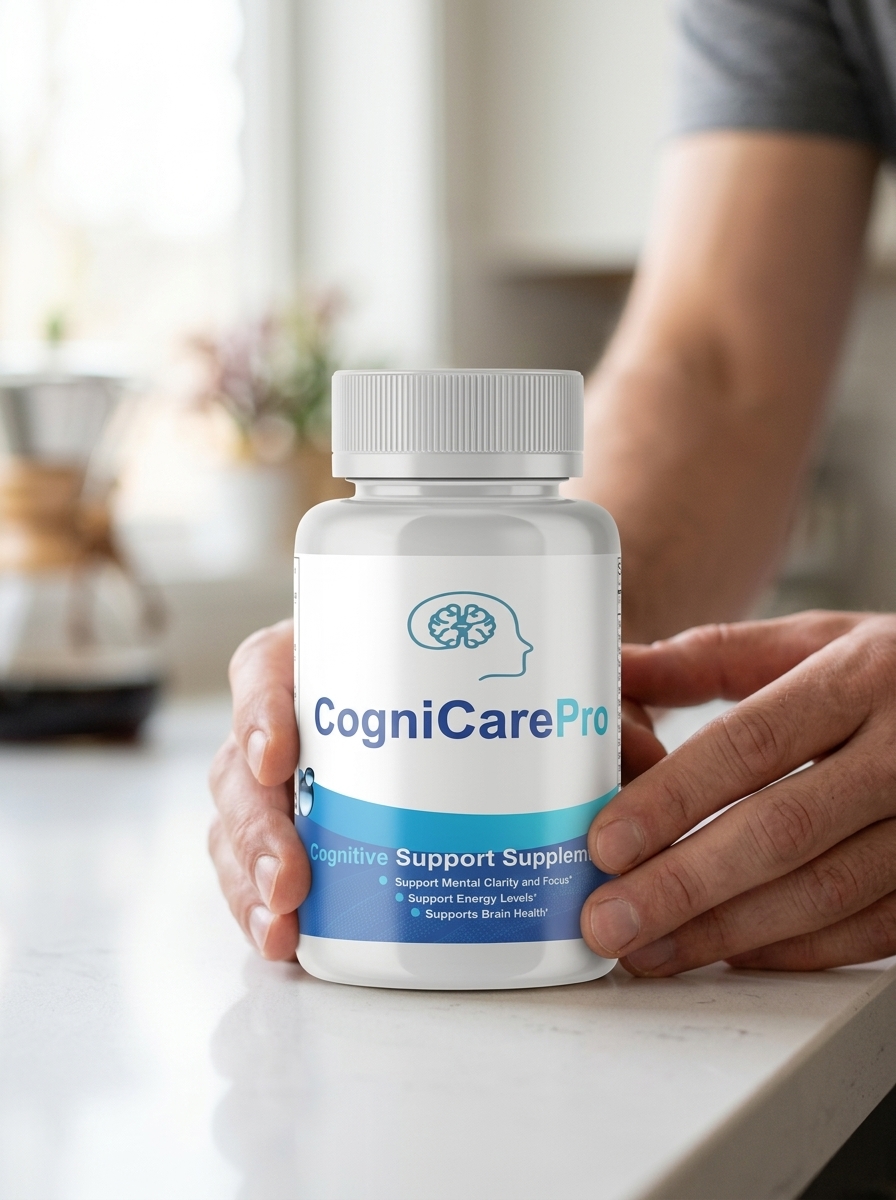
Your Sharp Mind Restored
Plant-based brain support that fills the gaps your diet can’t address alone.
CogniCare Pro targets the specific neurochemical needs often missing in plant-based diets. Formulated with choline compounds for acetylcholine production and adaptogens for cortisol management, it supports the clarity and focus your brain is designed to have. No more accepting mental fog as normal.
- ✓ Mental clarity without the afternoon crash
- ✓ Memory that works reliably when you need it
- ✓ Stress response that stays proportionate and manageable
The Morning My Mind Came Back

Two months into taking CogniCare Pro, I woke up on a Saturday morning and immediately noticed something different. My first thoughts weren’t clouded or slow to form. Instead, my mind felt alert and ready, like a computer that had finished booting up properly instead of running in safe mode. I made coffee and realized I was thinking ahead to the day’s tasks with clarity and anticipation rather than the vague anxiety that had characterized my recent mornings.
This wasn’t a temporary boost from caffeine or a good night’s sleep. This was the sustained cognitive clarity I had lost and learned to live without.
Having it back made me realize how much I had been compensating for its absence — working harder to achieve the same mental output, avoiding complex tasks that used to be enjoyable, settling for simpler thoughts because complex ones felt too difficult. The difference was profound enough that I understood I wouldn’t return to accepting mental fog as normal.
Your mind is worth investing in with targeted nutritional support.
What Clear Thinking Actually Feels Like

Six months later, mental clarity has become my new normal again. I wake up with thoughts that flow easily from one to another. Conversations happen in real-time without the slight delay I had grown accustomed to. Reading is once again a source of pleasure rather than effort, and complex ideas feel accessible rather than intimidating. The most surprising change has been in my relationship with stress.
My plant-based lifestyle remains a cornerstone of my health approach, but now it’s supported by targeted supplementation that addresses the specific needs of my brain.
The clarity extends beyond cognitive tasks into emotional regulation and decision-making. Choices that once felt overwhelming now feel manageable. I trust my judgment in ways I had stopped trusting without realizing it. The fog that had settled over my thinking lifted completely, revealing a sharpness of mind I had feared was gone forever.
Don’t accept diminished cognitive function as inevitable or normal.
The Brain You’re Meant to Have

Looking back, I understand that the gradual decline in cognitive function wasn’t something I needed to accept as inevitable. It was my brain’s way of communicating that despite my healthy plant-based diet, certain specific nutritional needs weren’t being met. CogniCare Pro provided exactly what was missing — targeted support for neurotransmitter production and stress response. The experience taught me that optimal health requires attention to the specific needs of different body systems.
Now, mental clarity feels effortless again. Ideas flow freely, memory works reliably, and complex thinking feels natural rather than forced.
For anyone living with mental fog, struggling with memory, or noticing that clear thinking requires more effort than it used to, I want you to know this: the sharpness you remember is still there. Sometimes it just needs the right support to emerge fully. You don’t have to accept diminished cognitive function as normal, and you don’t have to choose between ethical eating and optimal brain health. With the right approach, you can have both.
Written by Elias Menden — for those who seek mental clarity
Ready to feel the difference this formula makes?