The pattern took months to notice.
Every afternoon around 3 p.m., I’d get this wave—not hunger exactly, more like irritation wrapped in fatigue. My mind would go foggy. Small decisions felt impossible. And I’d reach for sugar just to stay functional.
I blamed work. Blamed sleep. Blamed my personality.
Then one week, I tracked what I ate for breakfast. The days I skipped it or grabbed something fast? That 3 p.m. crash hit harder. The days I ate slower, with more fiber? I stayed even.
That’s when I realized: my gut wasn’t just digesting. It was reacting.
And when it felt chaotic, everything downstream—my energy, my mood, my patience—got louder too.
If you’ve been looking into best microbiome supplements and feeling buried under conflicting advice, here’s the simpler version: you’re not trying to fix yourself. You’re trying to give your gut what it needs to stop working so hard.
This is my take on the top 5 gut health supplements to support your microbiome—not because they’re trendy, but because they make sense when life doesn’t slow down and you need something that won’t fall apart the first stressful week.
⸻
What a healthy microbiome actually feels like

Your microbiome is less like a machine and more like a conversation.
When it’s balanced, you barely notice it. Meals digest without drama. You don’t bloat for mysterious reasons. Your energy doesn’t spike and crash like you’re on a roller coaster.
When it’s off, small things amplify:
- your stomach feels unpredictable
- your skin reacts
- your sleep gets lighter
- your cravings get specific and urgent
For me, restoring balance came down to a few steady patterns:
- More plants, more often (not perfection—just variety)
- Fermented foods in small amounts (kimchi, yogurt, sauerkraut when I remember)
- Eating without multitasking (even just breakfast counts)
- Support that doesn’t require daily decision fatigue
Food matters most. Supplements just help you hold the line when everything else is messy.
The National Center for Complementary and Integrative Health notes that probiotics may help in specific situations but are not one-size-fits-all, which is why strain fit and daily consistency matter more than hype. See NCCIH's probiotics overview. For the bigger safety picture on digestive symptoms that need medical attention, use NIDDK digestive disease guidance as the baseline.
⸻
What to look for in a gut supplement (the stuff that actually matters)
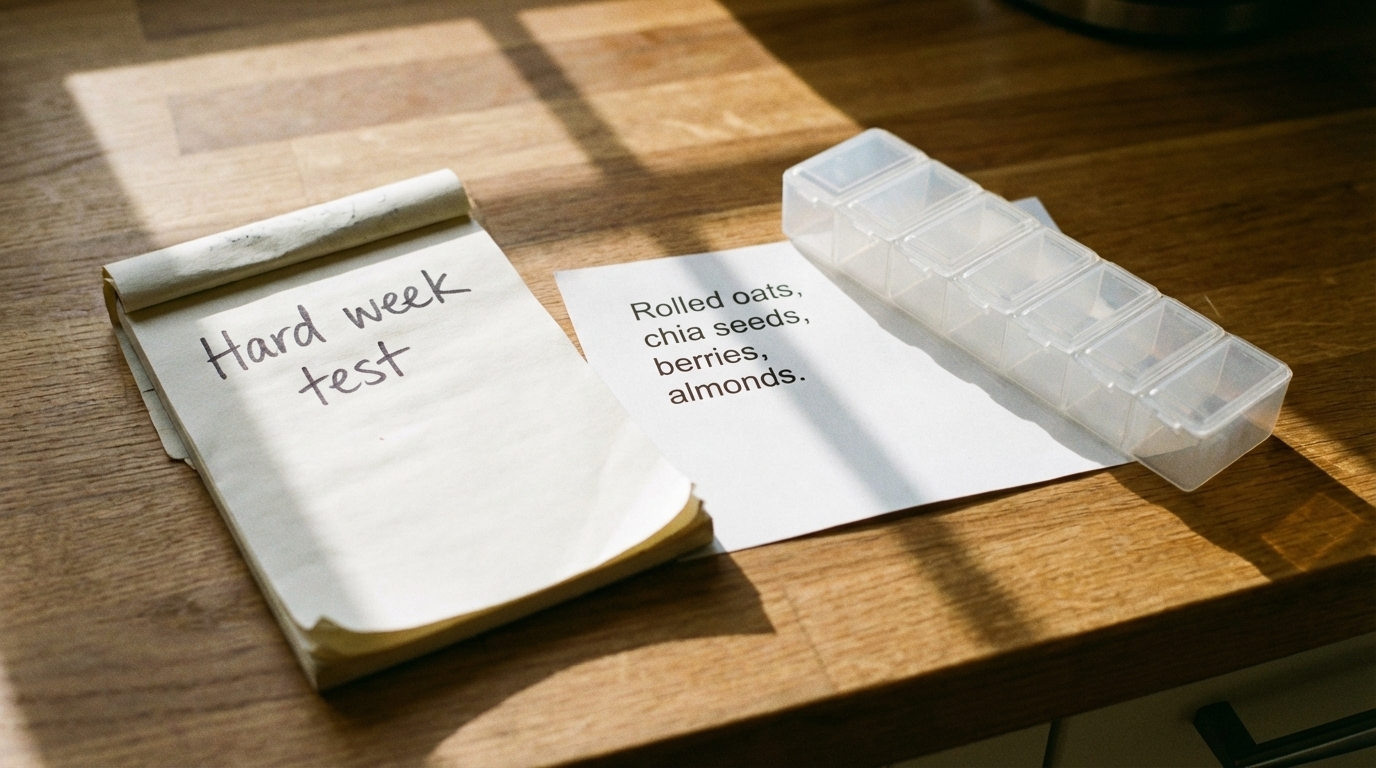
I’ve wasted money on supplements that sounded smart but didn’t fit my life.
Now I use one question: Would I still take this during a hard week?
Then I check for these things:
- ingredients I can pronounce and understand
- simple directions (not a ritual)
- a format that works with my routine (capsule, powder, chewable—whatever doesn’t annoy me)
- gentle enough that my body doesn’t revolt
Your microbiome doesn’t care about dramatic interventions. It cares about small, repeated signals. Boring wins.
⸻
Five Categories of Gut Support That Make Sense

1. Multi-strain probiotic (the reinforcement layer)
If your gut has been through stress, travel, antibiotics, or just years of inconsistent eating, this is where most people start.
Probiotics are live bacteria that help rebalance your internal ecosystem. I think of them like adding stability to a system that’s been running reactive.
What matters:
- multiple strains (diversity helps)
- clear labeling (so you know what you’re getting)
- something shelf-stable and reliable
What doesn’t happen:
- instant transformation
- overnight mood shift
The change is quieter: less bloating after meals, fewer random digestive complaints, a baseline that feels steadier.
⸻
2. Prebiotic fiber (the fuel source)
Probiotics are the workers.
Prebiotics are what you pay them with.
If you’re adding beneficial bacteria but not feeding them, they don’t stick around. Prebiotic fibers give your good bacteria something to metabolize—and that’s how they grow.
If you eat a lot of vegetables, legumes, and whole grains, you might already get enough. But if you’re running on convenience most days, a prebiotic supplement fills the gap.
What it feels like when it’s working:
- digestion moves more predictably
- you feel less heavy after eating
- sugar cravings ease slightly because your gut isn’t scrambling
One caution: start slow. Too much prebiotic fiber too fast can feel like bloating and gas. Small doses, steady rhythm.
⸻
3. Digestive enzymes (the “make meals easier” tool)
This isn’t technically microbiome support, but it changes the gut experience.
Enzymes help break down food—especially when you eat fast, eat late, or eat something your system doesn’t love.
I keep these around for the meals I know will sit heavy:
- when I’m eating while stressed
- when I’m traveling and food quality is unpredictable
- when I eat later than usual and don’t want it to mess with sleep
Enzymes don’t fix everything. But they stop one uncomfortable meal from becoming a three-day spiral.
⸻
4. Postbiotics or soothing support (the calming layer)
Sometimes the problem isn’t that you need more bacteria.
Sometimes your gut just feels inflamed. Reactive. Like it’s in fight mode.
Postbiotics and other gut-soothing options help create a calmer internal environment. They don’t push—they settle.
I reach for this when:
- bloating shows up without a clear cause
- stress is high and my digestion mirrors it
- I want support that doesn’t add more “activity” to an already loud system
It’s the difference between forcing change and creating space for it.
⸻
The One I Kept (and Why Consistency Won)
Consistency matters more than collecting five different bottles. If you want one microbiome-support product path on this page, it should live in one card with one button so the article can stay useful first and commercial second.
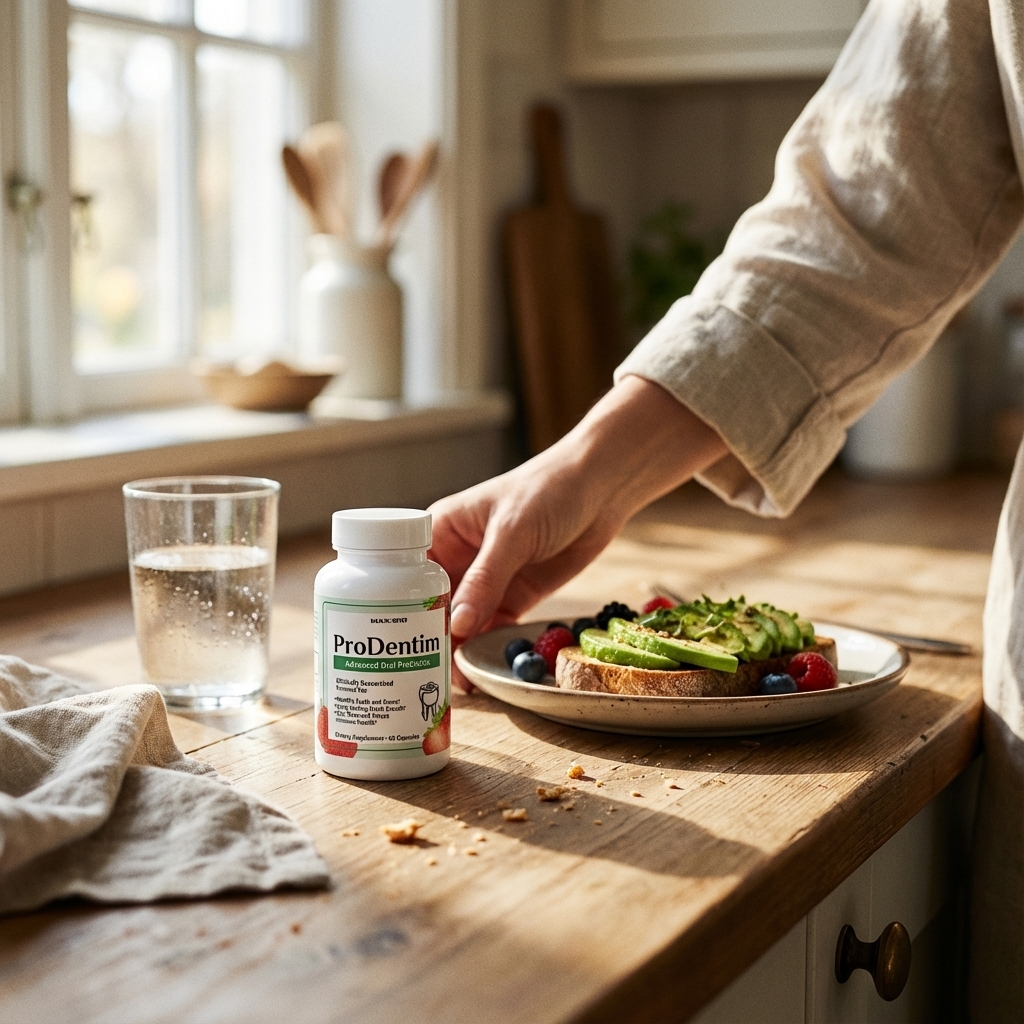
ProDentim — the daily anchor that didn’t require motivation
Here’s what no one tells you: even good supplements fail if the routine is too complicated.
My issue wasn’t finding quality options. It was keeping them going without feeling like I was managing a second job.
That’s why ProDentim became the thing I didn’t drop.
Not because it promised the most. But because it required the least friction. It became part of my morning—like brushing my teeth—without needing willpower.
And here’s what I learned: when your microbiome gets consistent signals, even small ones, your body stops being so reactive.
Over time, my gut felt less like something I had to manage and more like something that just… worked. Not perfectly. Just steadier.
That steadiness changed how my days felt.
⸻
The Routine I Actually Keep

I don’t follow strict timing anymore. I don’t like systems that collapse the second I get busy.
Instead, I keep it flexible:
- One foundational thing daily (the anchor I don’t skip, even on chaotic days)
- Fiber-rich foods when I can (and prebiotic backup when I can’t)
- Enzymes when meals feel risky (heavy dinners, travel, stress eating)
- Fermented foods a few times a week (not obsessive, just present)
- A gut check-in (Does this feel calm? Or am I forcing something?)
The microbiome rewards repetition. Your nervous system rewards simplicity. And you need both to make this sustainable.
⸻
Small Shifts That Made Supplements Work Better
These aren’t rules. Just patterns I noticed that changed how my body responded:
- Glass of water before coffee (it’s small, but it matters)
- Chewing the first few bites slowly (even if the rest of the meal is rushed)
- One walk that isn’t about productivity (just movement and air)
- Slightly more fiber than yesterday (not a diet overhaul)
- Earlier cutoff for eating at night (gut and sleep are connected)
When I do these most days, supplements feel like support. When I don’t, they feel like I’m trying to compensate.

Make ProDentim Your Backup
When your schedule gets messy, your routine shouldn’t
ProDentim is the daily supplement you can keep consistent—at home, during travel, and through high-stress weeks. Add it to your morning and let it be the one thing you don’t negotiate with. If you want steady support without a full wellness overhaul, start with ProDentim.
-
Simple daily habit you can maintain
-
Fits real life—workdays, travel, late nights
-
Helps you stay steady without extra effort
⸻
Questions People Ask Me About Gut Supplements
Should I take probiotics and prebiotics together?
Not required, but they work better as a pair—one adds support, the other feeds it. If you’re overwhelmed, start with whichever one you’ll actually use consistently.
How will I know if it’s working?
It’s not dramatic. It’s the absence of drama: less bloating, more predictable energy, fewer desperate cravings, less gut noise when you’re stressed.
What if I usually feel worse when I start supplements?
You’re probably starting too aggressively. Go smaller, slower, gentler. Your gut doesn’t like being shocked into change.
⸻
The Goal Isn’t Perfection—It’s Peace
The best outcome of focusing on my gut wasn’t a transformation.
It was the relief of not obsessing over it anymore.
That’s why I keep coming back to this: your microbiome wants steadiness. And you—the person living your actual life—need a routine that doesn’t drain you.
Probiotics, prebiotics, enzymes, postbiotics, they all have a place. But if you want something that lasts, it has to be simple enough to repeat without thinking.
That’s what worked for me. That’s why ProDentim stayed—it became part of the background instead of something I had to remember to care about.
If your gut has been asking for calm and you’re tired of overcomplicated systems, maybe start here.
⸻
Written by Elias Menden — for those who seek resilience.
Related reading
- Best Supplements for Chronic Fatigue That Helped Me Find My Energy Again
- Omega-3 for immunity vs. odd-chain fats: what actually helps you feel steadier
- The Best Supplements for Cellular Health: What Nobody Told Me About Where Energy Actually Starts
- Biohacking Daily Energy: How to Eat for All-Day Vitality