The kitchen clock read 2:47 PM when the familiar gnawing started again. I had eaten lunch exactly two hours earlier—a sensible salad with grilled chicken, quinoa, avocado. All the “right” foods in reasonable portions. Yet here I was, standing in front of the pantry with that restless, searching feeling that no amount of logic could quiet.
This wasn’t about willpower. This wasn’t about portion sizes or eating too fast or not drinking enough water with my meal. This was something deeper, something that seemed to operate on its own mysterious schedule regardless of what I consciously chose to put on my plate.
For months, I had been caught in this cycle—eating thoughtfully, feeling temporarily satisfied, then watching that satisfaction dissolve like sugar in water, leaving me hungry again before my next planned meal. The advice I found everywhere seemed to assume hunger was simple: eat less, move more, practice restraint. But my experience suggested something far more complex was happening beneath the surface.
The Fullness That Never Comes

I started paying closer attention to the quality of my hunger—not just when it arrived, but how it felt. There was the sharp, urgent hunger that demanded immediate attention, usually accompanied by cravings for quick energy from sweets or refined carbs. Then there was the deeper, more persistent hunger that seemed to whisper constantly in the background, making every food commercial feel like a personal invitation. What puzzled me most was how disconnected this felt from the actual amount I was eating.
I could finish a substantial meal—protein, fiber, healthy fats, all the components nutritionists recommend for satiety—and still feel like something was missing. Not physically full, exactly, but not satisfied either.
I began to suspect that fullness wasn’t just about the volume of food in my stomach. There seemed to be layers to satisfaction I hadn’t understood, internal conversations happening between my digestive system and my brain that I was only catching fragments of. The feeling reminded me of trying to have a phone conversation with poor reception—the basic message was getting through, but crucial details were being lost in static.
Ready to support your body’s natural hunger and satisfaction signals?
When Blood Sugar Becomes the Silent Director
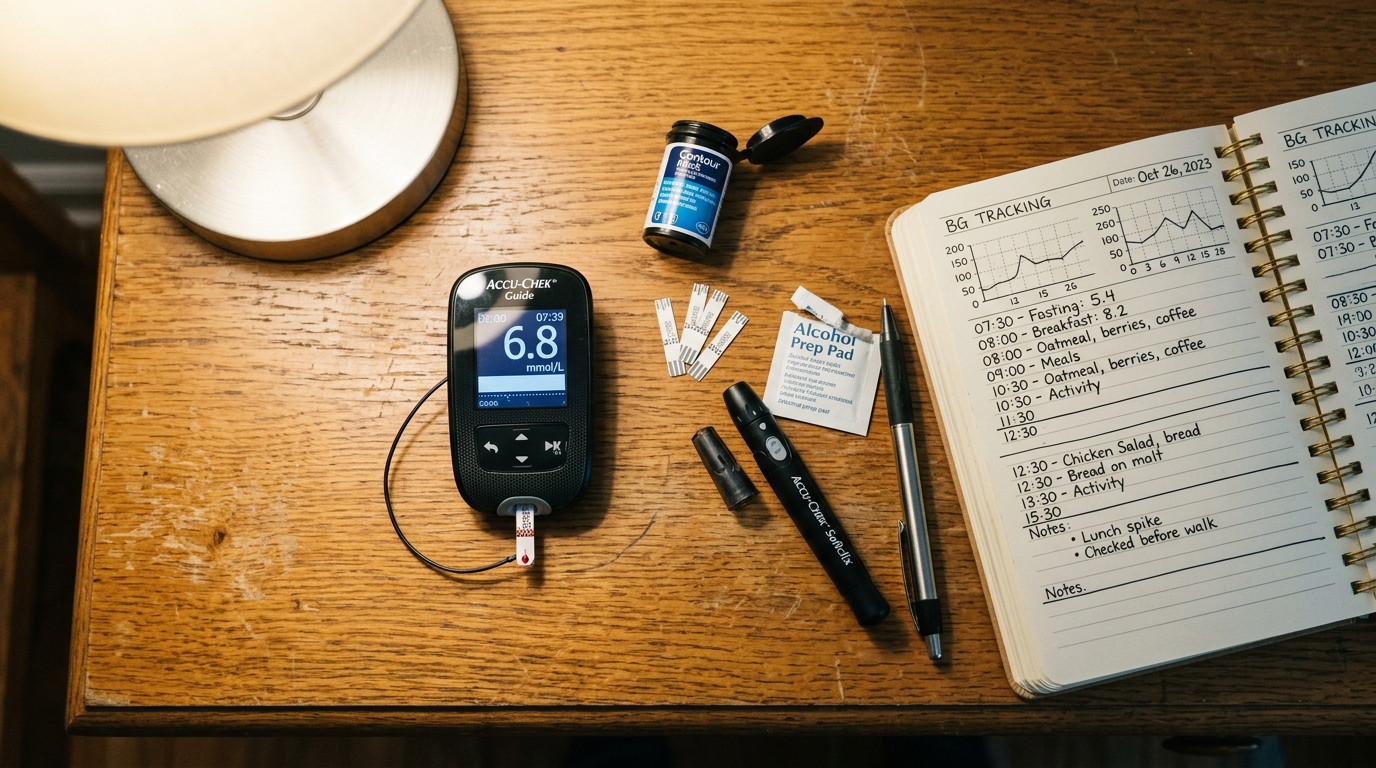
The breakthrough came when I started tracking not just what I ate, but how I felt at different points throughout the day. I noticed patterns I hadn’t seen before: the 3 PM energy crash that triggered intense cravings, the way certain meals left me satisfied for hours while others barely lasted ninety minutes, the restless feeling that would creep in during meetings when I should have been focused.
My doctor explained that hunger isn’t just controlled by stomach fullness—it’s orchestrated by a complex network of hormones that respond to blood glucose levels.
When blood sugar spikes after eating and then crashes shortly after, it triggers hunger signals even if adequate calories were consumed. The body interprets unstable blood sugar as a potential energy crisis and responds with cravings designed to restore balance quickly. This explained so much about my experience. The afternoon hunger wasn’t about inadequate lunch portions—it was my blood sugar dropping and my body’s hunger hormones responding to that perceived emergency.
Curious about addressing the metabolic foundation of persistent hunger?
The Hormone Conversation I Couldn’t Hear

Understanding this hormonal aspect of hunger changed how I thought about satisfaction entirely. Leptin, the hormone that signals fullness, can only do its job effectively when blood sugar remains stable. When glucose levels are constantly rising and falling, it creates interference in these satiety signals—like trying to hear a quiet conversation in a noisy restaurant. I realized I had been approaching hunger as if it were a simple equation: calories in versus energy out, stomach capacity versus food volume.
But hunger is actually more like a sophisticated communication system between multiple body systems, all trying to maintain energy balance and metabolic stability. When that communication gets disrupted by blood sugar swings, the whole system starts sending mixed messages.
The persistent afternoon hunger, the cravings that seemed to come from nowhere, the feeling of never being quite satisfied—these weren’t character flaws or lack of discipline. They were symptoms of a metabolic system struggling to maintain balance.
Experience the relief when afternoon cravings finally quiet down naturally.
What Happens When the System Finds Its Rhythm

Once I understood that stable blood sugar was the foundation of reliable satiety, I started looking for ways to support that stability throughout the day. I learned about compounds like berberine, which helps cells use glucose more efficiently, and gymnema sylvestre, which can reduce sugar absorption and cravings. Chromium, I discovered, plays a crucial role in how the body processes glucose and maintains stable energy levels.
The goal wasn’t to suppress hunger artificially, but to create the metabolic conditions where natural satiety signals could function properly. When blood sugar stays stable, leptin can do its job of signaling satisfaction. When glucose processing is efficient, the body doesn’t panic and trigger emergency hunger responses. When the metabolic system is supported, the conversation between stomach, hormones, and brain becomes clearer.
I found Sugar Defender, which combines these supportive compounds in a way that addresses the metabolic foundation of hunger and satisfaction. Rather than trying to override my body’s signals, it seemed designed to help those signals work more effectively by supporting stable blood sugar throughout the day.

End Afternoon Hunger Crashes
Support stable blood sugar for lasting satisfaction after meals.
Sugar Defender combines berberine, gymnema sylvestre, and chromium to address the metabolic foundation of hunger and satiety. When blood sugar stays stable, your natural fullness signals can work properly. No more 3 PM cravings or endless food thoughts disrupting your day.
- ✓ Natural appetite control without restriction
- ✓ Stable energy that lasts between meals
- ✓ Mental clarity when food thoughts quiet down
The Afternoon That Changed Everything

Three weeks into supporting my blood sugar stability, I had one of those moments that feels significant even as it’s happening. It was 3:30 PM—historically my most vulnerable time for cravings—and I realized I wasn’t thinking about food. I was absorbed in a project, energized, focused. The restless searching feeling that used to drive me to the kitchen was simply absent.
This wasn’t about willpower or distraction. My body felt genuinely satisfied from lunch, like the fullness signal had finally gotten through clearly.
The afternoon energy crash that had been my reality for so long just didn’t happen. Instead, there was steady, stable energy that carried me through to dinner without drama. For the first time in months, I understood what people meant when they talked about feeling satisfied after meals. It wasn’t just the absence of hunger—it was a positive sense of completion, like my body trusted that it had what it needed and could focus on other things.
The constant background negotiation with food cravings had been replaced by something much quieter and more peaceful.
Give your satiety hormones the stable foundation they need to work.
When Your Body Trusts the Process

Stable satiety, I learned, feels fundamentally different from managed hunger. When blood sugar remains steady, meals create lasting satisfaction rather than temporary fullness followed by renewed cravings. The body stops interpreting every minor energy dip as a crisis requiring immediate carbohydrate intervention. Food becomes fuel rather than emotional comfort or metabolic rescue. My relationship with afternoon snacking shifted completely.
Instead of fighting cravings or relying on willpower to avoid the pantry, I simply wasn’t driven there. The urgent quality that used to characterize my mid-afternoon hunger had been replaced by gentle awareness—I could recognize when dinner time was approaching without the panicky edge that used to accompany those signals.
Sleep improved too, which surprised me until I understood that blood sugar stability affects nighttime hormone production. When glucose levels aren’t spiking and crashing throughout the day, the body can settle into more natural rhythms.
Discover what happens when your metabolic system finds its rhythm.
The Quiet Confidence of Metabolic Balance

Six weeks later, I could feel the difference in how I moved through my days. Meals had become punctuation marks rather than the main storyline. I would eat with genuine appetite at appropriate times, feel satisfied for hours afterward, and then naturally become hungry again as the next mealtime approached. The chaotic cycle of craving, restriction, guilt, and renewed craving had been replaced by something much more sustainable. The most surprising change was how this affected my mental energy.
When I wasn’t constantly negotiating with food thoughts or managing unstable energy levels, I had so much more bandwidth for everything else. Conversations felt richer, work projects became more engaging, evening activities seemed more appealing.
I hadn’t realized how much mental space the hunger-satisfaction cycle had been occupying until it settled into a reliable rhythm.
What I wish I had understood earlier is that persistent hunger despite adequate eating isn’t a personal failing—it’s often a sign that the metabolic system needs support.
When blood sugar stability is addressed, natural satiety can emerge. When the body trusts that stable energy will be available, it stops creating emergency cravings. When the hormone conversation flows clearly, satisfaction becomes a natural result of nourishing meals rather than something that has to be forced or managed through willpower alone.
Written by Liora Menden — for those who seek metabolic ease
Ready for the quiet confidence that comes with metabolic balance?