You know that friend who always cancels last minute? I became that friend—not because I didn’t care, but because I couldn’t predict when my body would decide to revolt. Some days I’d wake up fine. Other days my jeans wouldn’t button by noon, my face would break out like I was fifteen again, and I’d feel like someone unplugged my battery mid-charge. The weird part was I was eating “clean”: salads, smoothies, whole foods—everything Instagram swears should make you glow.
Instead, I was bloated, foggy, and tired in a way sleep never fixed.
I started living in constant negotiation with my body: If I skip lunch, will I feel better at dinner? If I drink more water, will the puffiness go away? If I just push through, will it pass? It never did—so I stopped guessing and started testing.
I began an elimination diet—not as punishment, but as an investigation. And I brought Mitolyn into my routine from day one because I didn’t want to white-knuckle my way through food changes while feeling like garbage. I needed something steady while I figured out my elimination diet gut triggers.
⸻
The moment I knew something had to change

It happened at a birthday dinner. I ordered carefully: grilled chicken, roasted vegetables, water with lemon. I was the picture of restraint. Two hours later, I looked six months pregnant and felt like I’d been hit by a truck. I sat on my couch, belly distended, skin crawling with that hot, inflamed feeling, and thought: This isn’t normal.
Not the bloating itself—everyone bloats sometimes. The frequency was the alarm. The unpredictability was the trap.
I’d stopped wearing certain clothes. Stopped saying yes to spontaneous plans. Started mentally cataloging every meal like a detective at a crime scene.
The turning point wasn’t the physical discomfort. It was realizing I’d started living smaller because my body felt like a liability.
That’s when I knew I couldn’t keep blaming stress, sleep, or “just getting older.” I needed to actually find out what my body was reacting to.
Why I was terrified to start
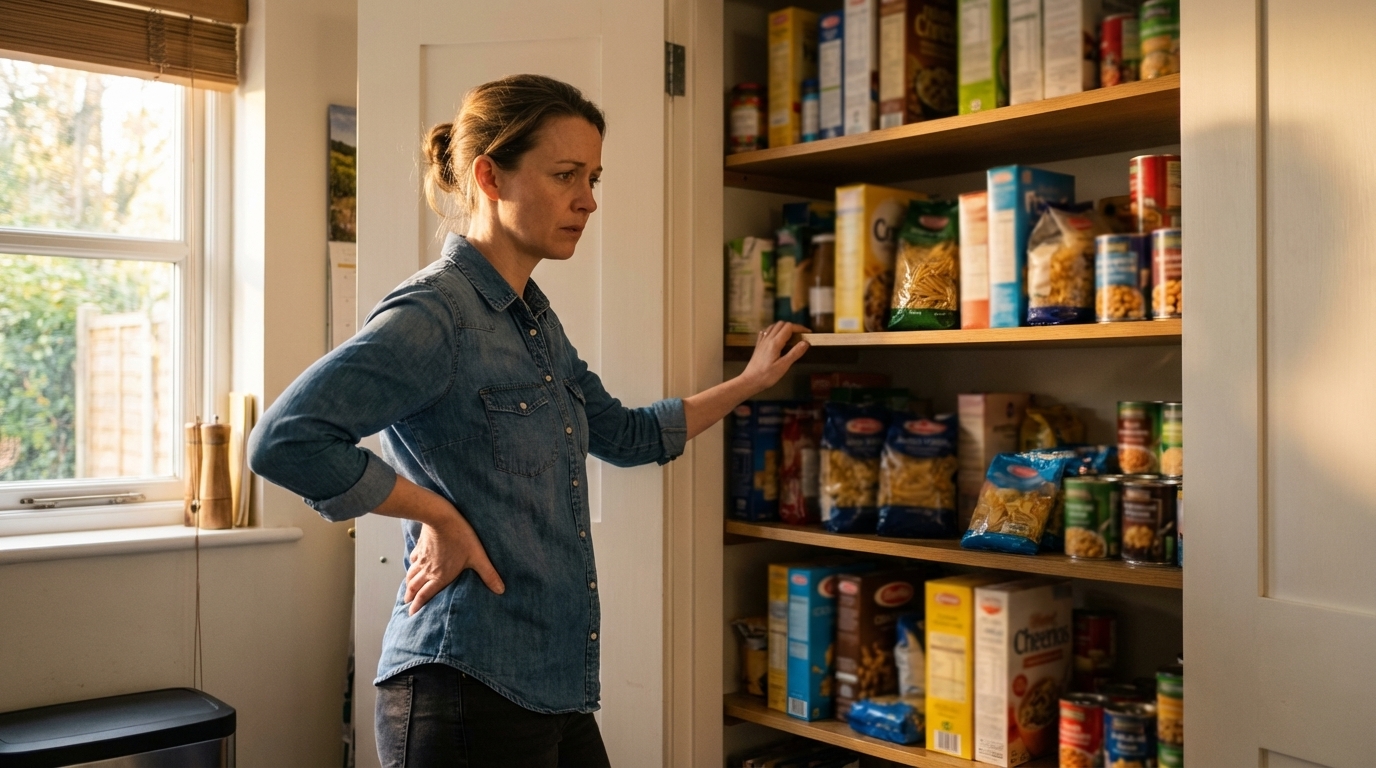
An elimination diet sounds simple until you realize what you’re really doing: removing the foods that make your life convenient. The grab-and-go options. The comfort rituals. The “at least I can have this” safety nets. Then you’re supposed to sit there, stripped down to basics, and hope you feel better.
And what if you don’t?
That was my fear—that I’d do all of it (the meal prep, the social awkwardness, the cravings) and still feel like garbage. That I’d discover my triggers were everywhere and I’d be stuck eating plain chicken and steamed broccoli forever. Worse: what if the problem wasn’t food at all? What if it was just… me?
So I made a deal with myself: if I’m going to turn my eating upside down, I need one thing that stays stable.
That’s why I started Mitolyn at the same time I started the elimination diet. Not as a band-aid—as a foundation. A daily anchor that said, we’re supporting your system, not starving it.
What I cut (and what it cost me)
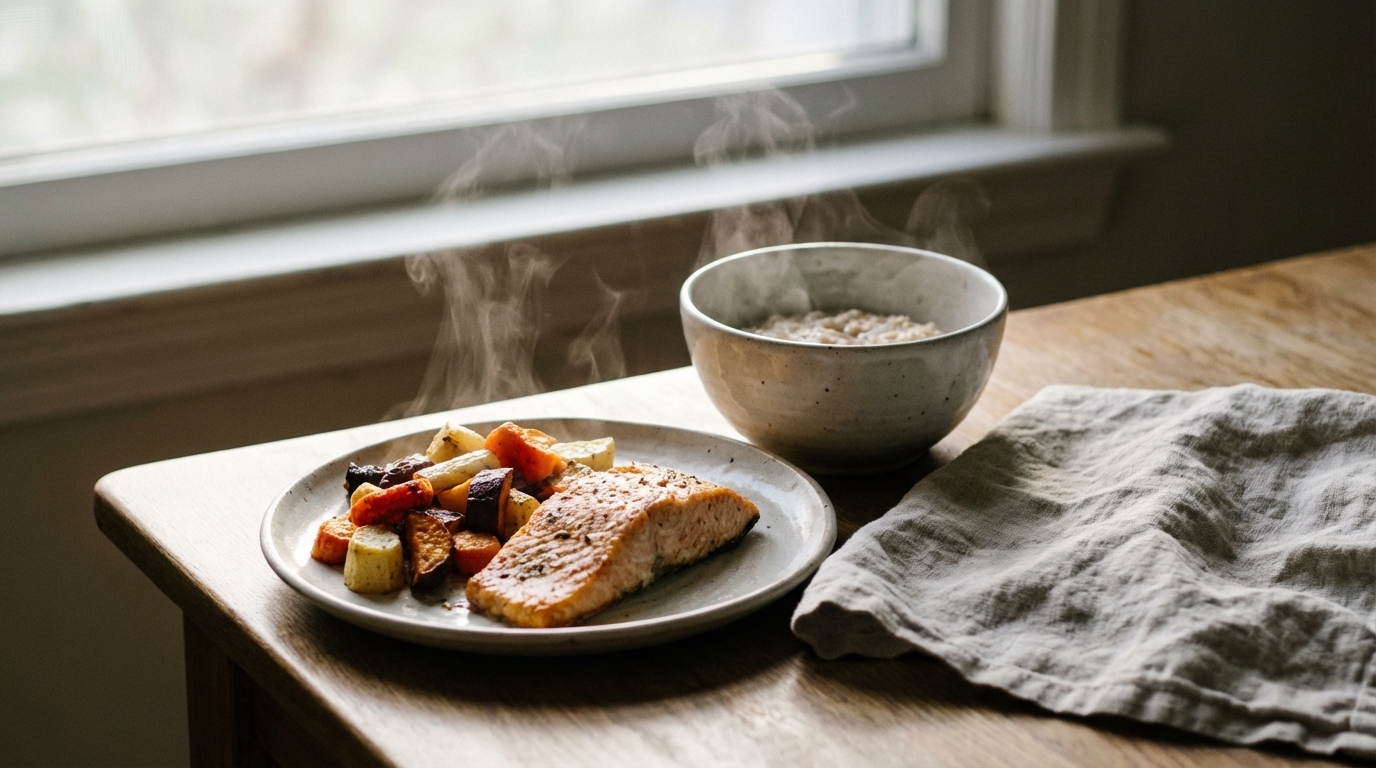
I removed the usual suspects—the foods that show up on every “common trigger” list. It wasn’t elegant. It wasn’t fun. It was decisive.
Gone:
- Dairy
- Gluten
- Soy
- Corn
- Eggs
- Coffee
- Nightshades (tomatoes, peppers, potatoes, eggplant)
- Processed sugar
The first three days felt like grief—not physical hunger, identity hunger. I missed my morning coffee ritual. The cream cheese on my bagel. The quick scrambled eggs when I was running late. These weren’t just foods. They were the scaffolding of my routines.
Then something happened.
On day four, I woke up and my stomach was… flat. Quiet. Like the inflammation had exhaled. My skin looked calmer. My energy didn’t nosedive at 2 PM.
Build a Clear Baseline
Stop white-knuckling the “what caused this?” days
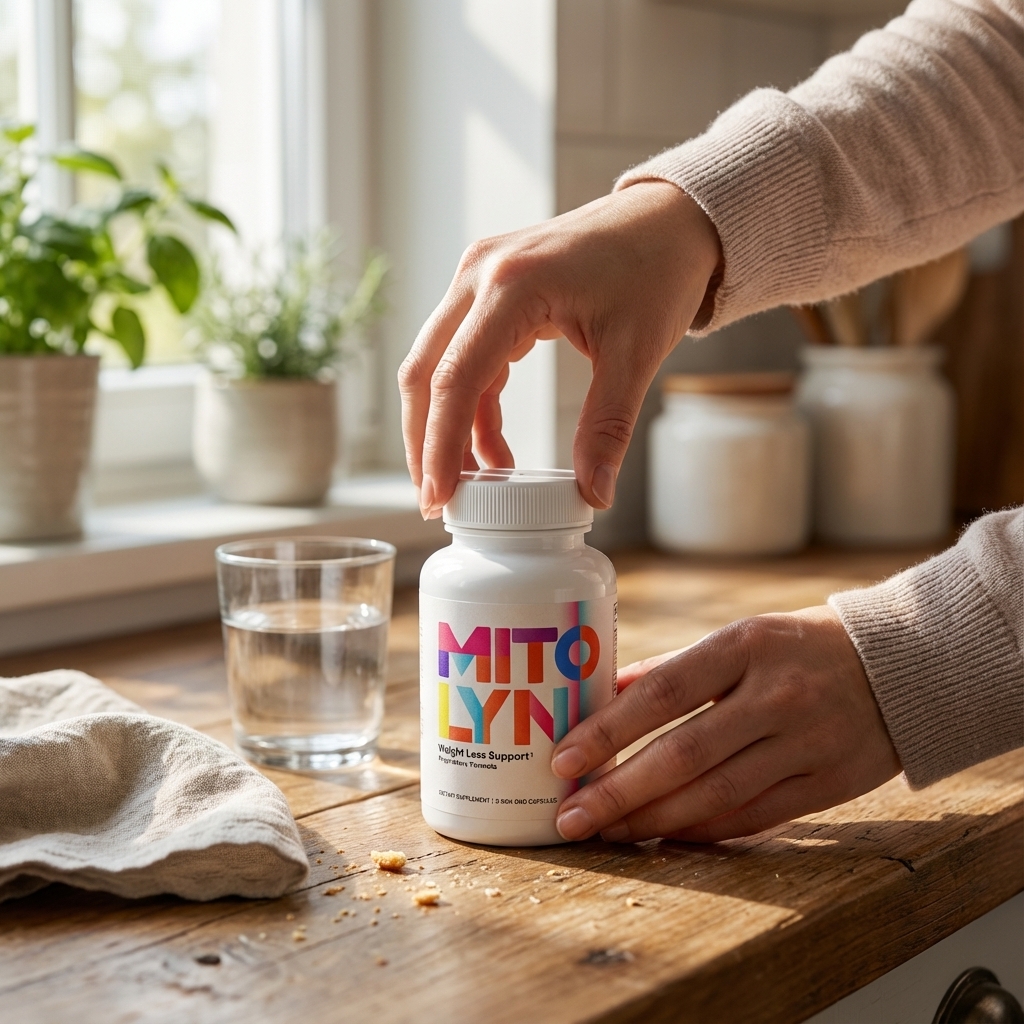
Mitolyn is designed to support healthy mitochondria levels—the tiny “energy makers” inside your cells that help make energy from the food you eat. When you’re changing meals and testing triggers, that steady support helps your routine feel more stable. Take one capsule with a big glass of cold water daily.
-
Designed to support healthy mitochondria levels
-
Helps your routine feel steadier during food testing
-
Simple once-a-day capsule
And with Mitolyn anchoring my mornings, I didn’t feel like I was free-falling. I felt like I had a rhythm—something consistent enough to create a baseline I could actually measure against.
⸻
Reintroduction: where the truth lives

The reintroduction phase is where you stop theorizing and start knowing. Because it’s one thing to feel better when everything’s gone. It’s another to bring one food back and watch your body light up like a dashboard warning.
I brought foods back one at a time—slowly, with a notebook and zero denial. That process changed how I thought about my body.
It wasn’t “being dramatic.” It wasn’t “all in my head.” It was information.
Gluten: the unmistakable no
Day one: toast for breakfast. By noon, my stomach felt like a water balloon—heavy, tight, unmovable. By 3 PM, my brain was in that thick fog where even simple tasks feel hard.
I used to call that “Monday.” Turns out, it was just gluten.
Dairy: the skin betrayal
Dairy didn’t just upset my stomach. It announced itself on my face. Two days of yogurt and cheese, and my chin broke out like clockwork—the kind of breakouts that ache before they surface.
My body was speaking. I’d just been ignoring it.
Coffee: the jittery crash I romanticized
This one hurt. I love coffee: the smell, the ritual, the warm mug in my hands. But when I brought it back, I didn’t feel energized—I felt wired. Shaky. Like my nervous system was running on overdrive with no off switch.
The crash came fast. The mood dip came faster.
Nightshades and sugar: the slow creep
These were sneakier. The reaction wasn’t instant. It showed up as puffiness the next morning, achiness in my joints, a low-grade feeling of why do I feel inflamed?
Sugar was the mood thief. It gave me a quick lift, then yanked the floor out—energy borrowed at a terrible interest rate.
Through all of it, Mitolyn stayed constant. And that mattered more than I expected. When you’re testing foods every few days, one reliable “unchanging variable” keeps the experiment clear—and keeps you sane.
The “healthy foods” that surprised me
Here’s the plot twist: it wasn’t only the obvious stuff. Some of the foods I thought were saving me were quietly part of the problem.
I didn’t want that to be true. I wanted the clean list to be the safe list.
But my gut didn’t care what a food symbolized. It cared what it could actually handle.
Whole grains I wanted to love
Quinoa. Brown rice. Oats. On paper: perfect. In my gut: chaos. When I reintroduced them, I got immediate bloating and gas—not because whole grains are “bad,” but because my system, at that moment, couldn’t handle them in the portions I was eating.
That was a revelation: sensitivity isn’t always permanent. Sometimes it’s situational.
Raw vegetables that felt “too virtuous”
I thought I was being so healthy with giant raw salads—carrots, broccoli, bell peppers, all the crunch. My gut thought otherwise.
Cooking those same vegetables was a game changer. Softer, warmer, easier to digest. My body relaxed.
Fruit that turned on me
Certain fruits—especially high-FODMAP ones—made me gassy within an hour. Again: not a moral judgment. A body fact.
Once I stopped trying to force “healthy” foods my body didn’t want, I started actually feeling healthy.
⸻
How Mitolyn changed the equation
Elimination diets make you feel vulnerable. You strip away the foods that gave you comfort, convenience, and a sense of control—and that exposure either makes you quit, or it makes you find something that holds you steady.
For me, Mitolyn was that anchor. It gave me structure when everything else was shifting: a daily habit I didn’t have to question, a baseline that made the food experiments feel less chaotic. Instead of waking up anxious about what I could eat, I woke up with a routine that supported me.
Mitolyn is why I stopped searching.
Not because it erased every trigger—but because it made my baseline strong enough that I could finally see what was actually happening. It removed the constant hum of instability that made every symptom feel like a crisis.
Six-Ingredient Formula
When your routine feels sensitive, simple matters.
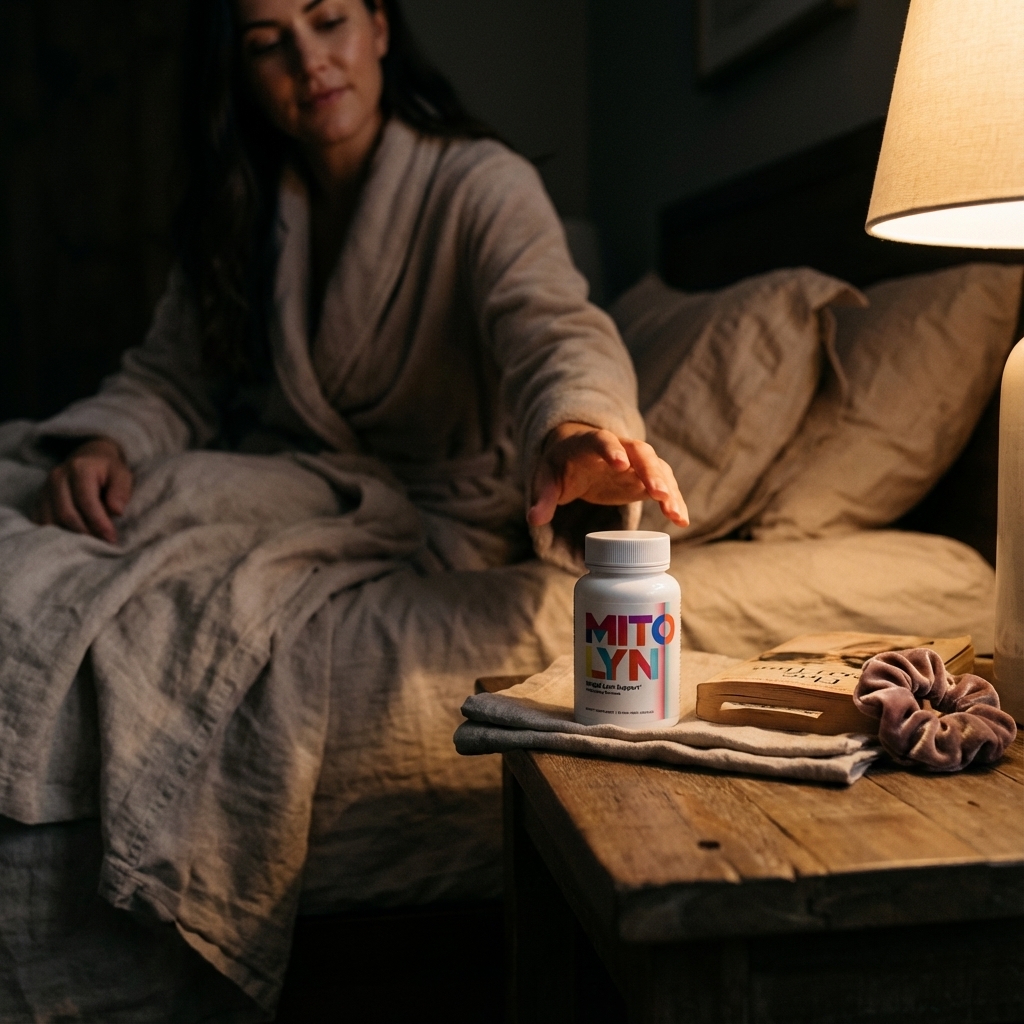
Here’s what Mitolyn contains: a proprietary blend of 6 ingredients—Maqui Berry, Rhodiola, Haematococcus, Amla, Theobroma Cacao, and Schisandra. The product page also lists: plant ingredients, non-GMO, easy to swallow, no stimulants, and non-habit forming. If you’re building a calmer routine, this is an easy “yes.”
-
Six-ingredient proprietary blend
-
Plant-based and non-GMO
-
No stimulants
What I keep out (and why it doesn’t feel like sacrifice anymore)
After testing everything, some decisions became obvious—not because a diet told me to, but because my body did.
Gluten stays out. The bloating and brain fog aren’t worth it. Dairy stays limited; my gut and skin both vote no. Coffee is occasional; I choose calm over jittery. Sugar stopped being a daily thing; steady energy beats borrowed energy.
And here’s what I didn’t expect: once Mitolyn became part of my routine, those choices stopped feeling like restrictions.
They started feeling like self-respect.
If you’re about to start, let me tell you what no one else will
You don’t need more rules. You need permission to trust what you’re feeling. You’re not dramatic for noticing your stomach hurts after meals. You’re not weak for being tired all the time. You’re not “too sensitive” for reacting to foods other people eat without thinking twice.
When your gut is struggling, your whole world contracts. You plan routes around bathrooms. You wear loose clothes. You cancel plans. You stop trusting your own body.
An elimination diet can give you answers—but answers come easier when you’re not doing it raw. That’s why I’d start Mitolyn at the beginning, not after you’re already depleted: because the beginning—when you’re removing foods and feeling exposed—is when you need support most.
You don’t have to live in food fear

I don’t avoid meals anymore. I don’t stare at my reflection wondering when the bloating will hit. I don’t treat my body like an enemy I’m trying to outsmart.
I learned my patterns. I built a routine that works. And I kept the one thing that made it all feel sustainable: Mitolyn.
Once you know what “steady” feels like, you won’t settle for anything less.
If you’ve been stuck in the cycle—bloat roulette, mystery breakouts, energy that vanishes by afternoon—stop guessing what your body hates. Start finding out what it actually needs. And give yourself a steady anchor while you do it.
Written by Elias Menden — for those who seek steady energy.
Related reading
- Hormones and Weight Gain: The Day I Stopped Treating My Body Like a Math Problem
- Cell Health Gut Healing: The Day I Stopped Blaming Food and Started Feeding My Cells
- How I Finally Learned to Support Hormones for Weight Loss (and Stopped Fighting My Body)
- When Your Body Stops Feeling Like Home: My Gut Microbiome Reset