The cashier was waiting for my card. I was staring at the reader, hand hovering, completely blank on whether I’d already tapped or not. The line behind me rustled with impatience. I tried to laugh—”Sorry, long day”—but my voice came out flat.
Walking to my car, I realized I couldn’t remember what I’d just bought. That’s when the word finally landed: burnout.
But I still didn’t understand what it actually was. I thought it meant I needed a vacation. Maybe therapy. Definitely better boundaries.
What I didn’t know yet was that burnout wasn’t just happening in my mind. It was happening in my cells.
⸻
The thing about inflammation and burnout nobody tells you
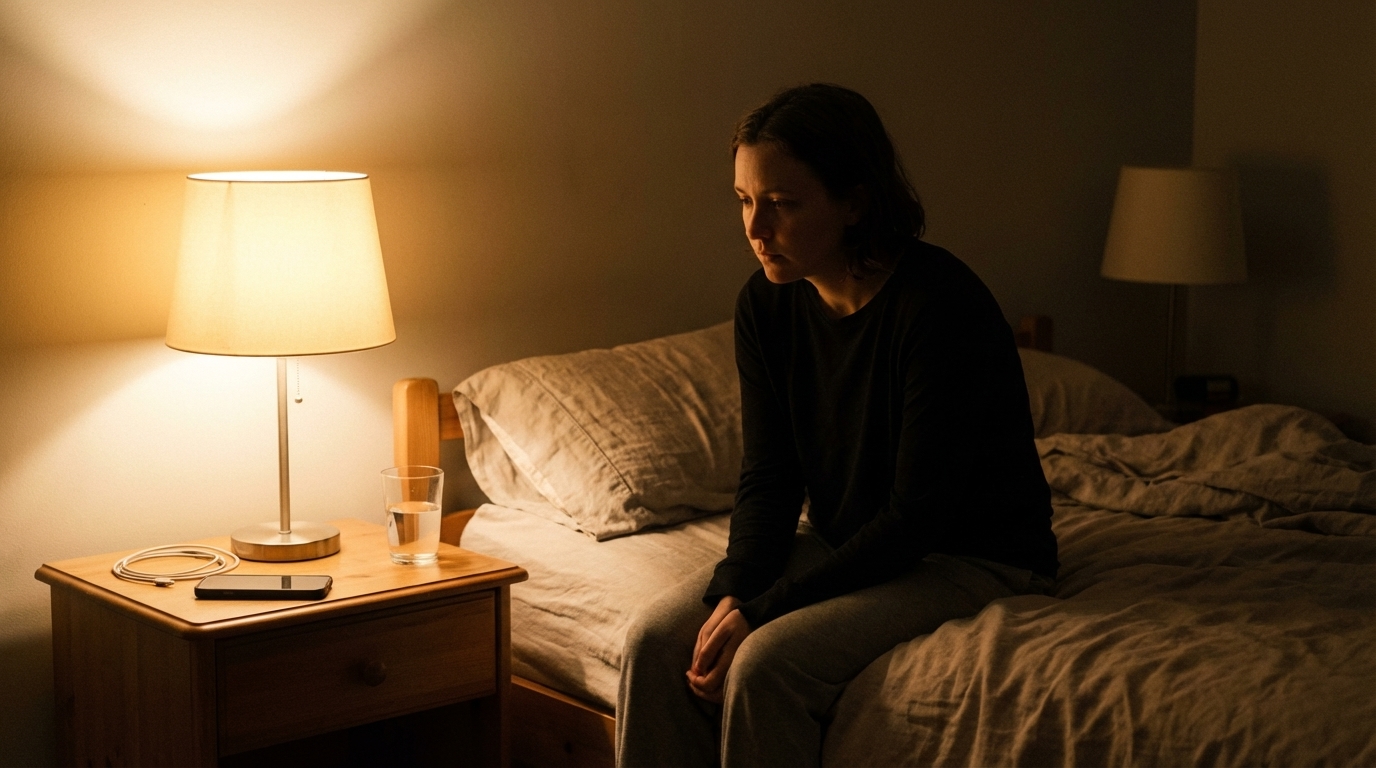
For months, I kept trying to solve the wrong problem. I’d tell myself: You’re overwhelmed. Just organize better. Sleep more. Stop overthinking.
But here’s what I wish someone had said plainly:
Stress doesn’t just live in your thoughts. It rewires your body.
When pressure doesn’t let up, your system treats it like a threat that never ends. Your body stays alert. Your immune response stays active. Resources that should go toward repair get redirected toward defense.
That’s where chronic inflammation comes in—not the kind that shows up red and swollen, but the kind that hums quietly under everything, like a motor that never turns off. And the brutal part? Inflammation and burnout start feeding each other.
Burnout makes you reach for quick fixes—sugar, caffeine, skipped meals, late nights scrolling. Those choices keep inflammation simmering. Inflammation makes you more tired, more foggy, more reactive. So you rely even harder on the quick fixes.
The loop tightens.
I thought I was just bad at managing my life. Turns out, my body was managing a crisis I didn’t know I’d declared.
⸻
The signs I explained away

The hard part about living with low-grade inflammation is that nothing feels urgent enough to name.
You don’t wake up and think, Oh, this is a medical situation.
You wake up and think:
- “I’m just not myself lately.”
- “Maybe I need more sleep.”
- “Everyone feels like this sometimes.”
For me, it showed up as:
- Tiredness that rest didn’t touch.
Not “I stayed up late” tired. More like my whole system was running on fumes, even after a full night’s sleep. - A mind that felt muffled.
I’d sit down to focus and feel like I was thinking through gauze. Sentences took effort. Decisions felt enormous. - A body that ached for no reason.
Neck stiff. Shoulders tight. Knees creaky in the morning like I’d run a marathon in my sleep. - A gut that stopped cooperating.
Bloating after meals. Weird cravings. That uncomfortable fullness that didn’t match what I’d eaten. - Skin that looked tired.
Dull. Uneven. Little flare-ups that seemed tied to stress but never quite went away.
None of it was dramatic. That’s exactly why I ignored it. But when I finally connected the dots, I saw it clearly: my body wasn’t failing me. It was telling me.
⸻
The afternoon I stopped pretending

I was sitting on my couch, staring at my laptop, cursor blinking. I had work to do. I had energy drinks in the fridge. I had a list.
But I couldn’t move.
Not because I was sad. Not because I was distracted.
Because I felt empty—like someone had drained my battery and forgotten to plug me back in.
That’s when I made a decision that felt small but changed everything:
I wasn’t going to push anymore. I was going to support.
Not a grand plan. Just a quiet shift in how I treated my own system.
⸻
What actually started to turn things around
I didn’t overhaul my life. I didn’t join a gym or start meal prepping on Sundays.
I just began choosing things that felt like they were for my body, not against it.
- I started eating like I was trying to calm something down.
More whole foods that didn’t spike me and then drop me. Leafy greens. Berries. Simple proteins. Fermented things that felt gentle on my gut. Less processed stuff that tasted like convenience but left me feeling worse an hour later. - I hydrated like it mattered.
Not just water. Warm drinks that felt soothing. Herbal teas. Sometimes just hot water with lemon. Little signals to my nervous system that we weren’t running from anything. - I moved in ways that didn’t feel like punishment.
A walk around the block. Stretching on the floor while my coffee brewed. Nothing intense. Just circulation. Just reminding my body it could still feel good to move.
And then—this is the part I didn’t expect—I realized I needed support that went deeper than surface habits. I needed something that worked at the level where energy actually gets made.
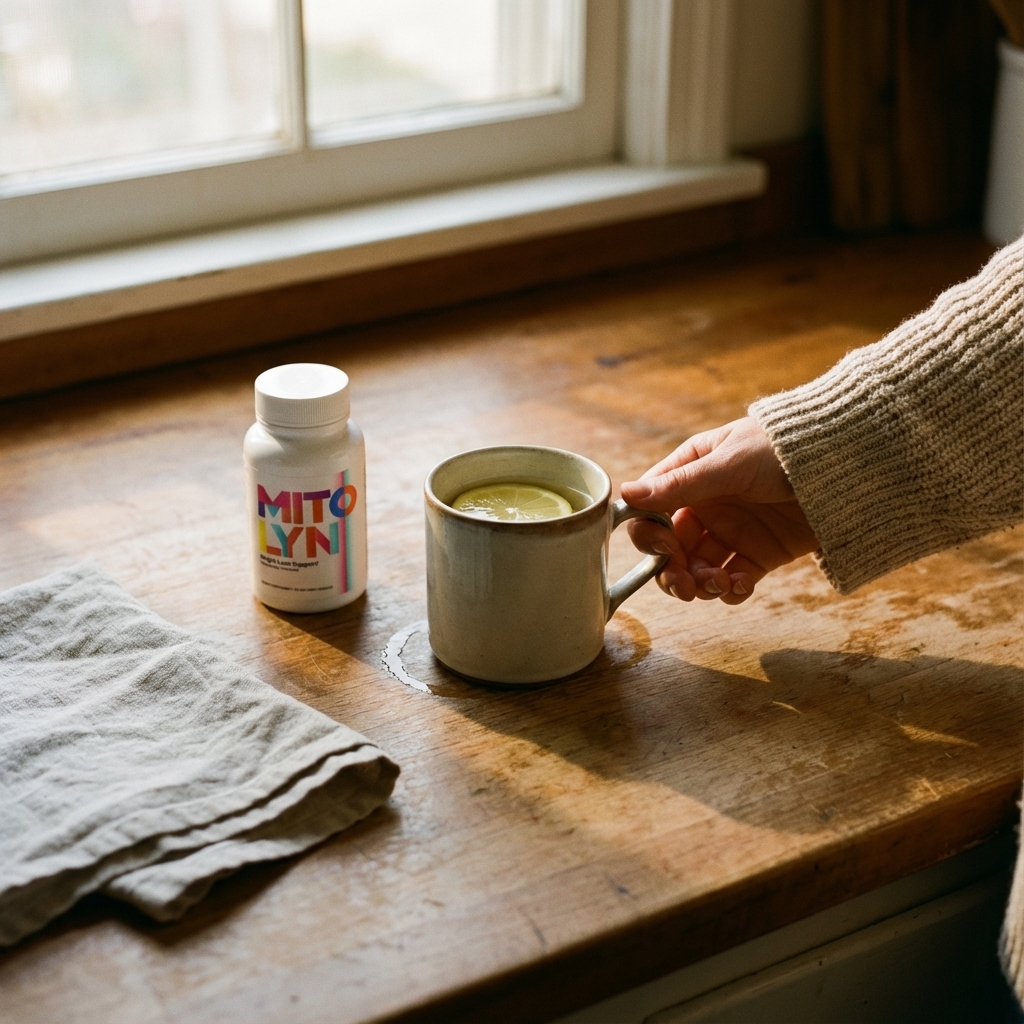
Rebuild Your Daily Energy
If you’re tired to the bone, coffee can’t fix that
Mitolyn is made to support cellular energy—so you can feel more like yourself again. Take it daily to help your system produce steadier energy instead of relying on quick fixes. If burnout has been stealing your mornings and focus, start here.
-
More workable mornings
-
Clearer, less “muffled” thinking
-
Smoother energy across the day
That’s when I came across Mitolyn.
⸻
How Mitolyn showed up in my routine
I’m cautious about supplements. I’ve tried things that made me jittery, or crashed me later, or just sat unused in my cabinet.
So when I started looking into mitochondrial support, I wasn’t looking for hype. I was looking for something that felt steady.
Mitolyn wasn’t marketed like a miracle. It was framed as support for cellular energy—helping the parts of your cells that actually produce energy to work a little better.
I started taking it during a stretch where I was already trying to eat better and move more. And at first, I didn’t feel much.
No lightning bolt. No sudden clarity.
Just… small things I noticed after a few weeks.
Mornings felt less impossible.
I didn’t leap out of bed, but I also didn’t lie there bargaining with myself for twenty minutes.
My brain felt less sluggish.
The fog was still there sometimes, but thinner. I could hold a thought long enough to finish it. I could focus without rereading the same email three times.
I felt steadier through the day.
Burnout had made me brittle—every little stress felt like it could snap me. But something shifted. I had more buffer. More give.
It wasn’t dramatic. It was cumulative.
And that made it real.
⸻
The part burnout doesn’t advertise: it makes you doubt everything

One of the cruelest things about burnout is how it erodes your trust in yourself. You start questioning if you’re lazy. If you’re flaky. If you’re just not trying hard enough.
You look at other people moving through their days and wonder what’s wrong with you.
But if inflammation and burnout are part of the picture, then it’s not a character problem. It’s a system problem.
When I stopped treating my exhaustion like a moral failing and started treating it like information, something loosened. My body didn’t have to work so hard to convince me it needed help. And when that tension eased, recovery finally had room to start.
⸻
What I’d say if you asked me in person
If you’re reading this because you feel that deep, bone-tired feeling—the kind that doesn’t go away with coffee or a weekend off—I want you to know this:
You’re not imagining it. You’re not weak. You’re not failing.
You might just be caught in the inflammation and burnout loop.
And the way out isn’t dramatic.

Less Fog, More You
Burnout makes everything feel harder than it should
Mitolyn supports the way your cells make energy—so you can feel more steady day to day. It’s not about forcing productivity. It’s about giving your system a better foundation, especially when stress has been running the show for a long time.
-
A calmer kind of momentum
-
Fewer “crash” afternoons
-
More mental breathing room
It’s small, steady choices that tell your body: We’re safe. We can slow down. We can repair.
For me, those choices looked like food that didn’t inflame me, hydration that felt like care, movement that felt like relief, and a supplement—Mitolyn—that gave my cells the support they needed to make energy again.
Not fake energy. Not borrowed energy.
The kind that feels like it’s actually yours.
⸻
The kind of shift you feel, not just see

Healing from burnout doesn’t announce itself. It shows up quietly.
- You realize you finished a task and didn’t need a nap afterward.
- You notice you’re laughing again—really laughing, the kind that reaches your chest.
- You wake up and think, I feel okay today, without even trying to.
That’s what I was chasing. Not transformation. Just ease.
If you’re in that tired place right now—where sleep doesn’t help and rest doesn’t stick—it might be worth exploring what happens when you lower the heat in your body. For me, that meant anti-inflammatory choices and mitochondrial support through Mitolyn.
Not because you need another thing on your to-do list.
Because you deserve to feel like yourself again.
⸻
Written by Elias Menden — for those who seek steadiness in their energy.