The meeting started at 9 AM sharp, but my brain was still somewhere in the gray space between sleep and waking. I watched my colleague’s mouth move, heard the familiar rhythm of quarterly projections and action items, but the words felt like they were reaching me through thick glass. I nodded at what seemed like appropriate moments, scribbled notes that made no sense when I looked at them later, and felt that familiar knot in my stomach—the one that comes when you realize you’re not fully present in your own life.
For months, I’d been living in this strange twilight state. Not sick, not tired exactly, just… muffled. Like someone had turned down the brightness on my thoughts. I’d reach for a word and find empty space. Start a sentence and lose the thread halfway through.
Walk into rooms and forget why I came.
The worst part wasn’t the forgetfulness itself—it was the creeping fear that this was just how things were now.
That somewhere in my thirties, my sharp edges had gone soft, and I was supposed to accept it as the price of getting older.
When Sharp Becomes Scattered

I used to pride myself on mental agility. In college, I could juggle five different projects while maintaining detailed conversations about each one. My mind felt like a well-organized filing system—everything accessible, everything in its place. But lately, that filing system had become a junk drawer. Important thoughts buried under mental clutter. Simple decisions taking forever because I couldn’t hold all the variables in my head at once.
The change happened so gradually I almost didn’t notice it. First, I started writing more things down—not because I was being organized, but because I couldn’t trust my memory for even basic tasks. Then I noticed I was re-reading emails multiple times before responding, not because they were complex, but because the meaning wouldn’t stick.
Conversations became exhausting because I had to work so hard to follow along.
My partner started gently repeating things I’d apparently forgotten. Friends would reference conversations I had no memory of having. I felt like I was living behind a thin veil that made everything slightly harder to grasp, slightly more effort than it should be.
Ready to give your brain the targeted support it’s been asking for?
The Usual Suspects

I did what anyone does when their brain starts betraying them—I went looking for obvious culprits. Sleep first. I downloaded apps, bought blackout curtains, tried meditation before bed. My sleep improved, but the fog remained. Then caffeine. I cut back, thinking maybe I was over-stimulating myself into a crash.
The fog got worse without coffee, but didn’t lift with it either.
Exercise became my next obsession. I read about increased blood flow to the brain, about how movement clears mental cobwebs. I started running again, added strength training, took long walks during lunch breaks. My body felt better, stronger, more alive. My mind still felt like it was operating through molasses.
Diet came next. I eliminated sugar, thinking maybe blood sugar spikes were scrambling my neurons. Then processed foods. Then gluten, just in case. I ate clean, whole foods, drank more water, added omega-3s.
My energy stabilized, but that muffled quality to my thoughts persisted like background static I couldn’t tune out.
Curious about research-backed nutrition that actually makes a difference in mental clarity?
The Doctor Visit That Changed Nothing

When lifestyle changes failed to clear the haze, I finally made the appointment I’d been putting off. My doctor was thorough—blood work, thyroid function, vitamin levels. Everything came back normal. “Stress,” she concluded with a sympathetic smile. “Maybe try yoga.”
I wanted to scream.
Yes, I was stressed—stressed because I felt like I was losing myself one forgotten thought at a time. Stressed because tasks that used to be automatic now required enormous mental effort. Stressed because I was starting to avoid situations where I needed to be sharp, declining invitations and dodging challenges that once energized me.
The “everything’s normal” diagnosis felt like a dead end. If my blood work was fine and my symptoms weren’t textbook anything, what was I supposed to do? Accept that mental clarity was something I used to have, like the metabolism of my twenties or the boundless energy of childhood?
That night, I sat at my kitchen table with a cup of tea that had gone cold while I stared at nothing in particular, and I made a decision. Normal test results or not, something had changed.
My brain was asking for help in the only way it knew how—by working less efficiently until I paid attention.
Tired of working twice as hard for half the mental results you used to get?
The Missing Piece I Hadn’t Considered

The breakthrough came not from a doctor or a book, but from a conversation with my sister. She mentioned reading about cognitive supplements—not miracle pills or sketchy nootropics, but research-backed compounds that support the brain’s basic functions. I’d always been skeptical of supplements, lumping them all together as expensive placebos for people who didn’t want to do the real work of lifestyle changes.
But I’d done the lifestyle work. I’d optimized everything I could think of, and my brain was still running at half capacity.
Maybe the missing piece wasn’t about what I was doing wrong, but about what my brain specifically needed to function at its best. Maybe after years of stress, poor college eating habits, and the general wear of adult life, my neural pathways needed more targeted support than a good night’s sleep could provide.
That’s when I discovered CogniCare Pro—a comprehensive brain supplement designed to address the exact symptoms I’d been struggling with. Unlike the random nootropics I’d seen advertised with bold claims and no substance, this had actual research behind its ingredients. B-vitamins for cognitive function, antioxidants for neural protection, compounds that support neurotransmitter production.
What caught my attention wasn’t promises of superhuman focus or instant genius. It was the understanding that brain fog often stems from nutritional gaps—missing building blocks that make clear thinking possible. The ingredients made sense: phosphatidylserine for memory formation, bacopa for information processing, ginkgo for circulation.
Not magic, just science applied to the specific ways brains get stuck.
What if the missing piece isn’t willpower, but the right nutritional building blocks?
The First Signs of Clearing

I started with one capsule in the morning, as recommended. The first week felt like nothing—maybe a placebo effect, maybe wishful thinking. But by day ten, something subtle had shifted. I found myself finishing sentences without that mid-thought pause where I’d usually lose the thread. Email responses came easier, less labored.
The constant mental effort that had become my normal started to ease.
Week two brought more noticeable changes. I stopped re-reading paragraphs multiple times. Names came when I reached for them instead of hovering just out of mental reach. Most surprising was how conversations felt lighter—I wasn’t working so hard to keep up, wasn’t exhausted by social interaction the way I had been.
By the third week, the difference was unmistakable. Not superhuman clarity or laser focus, but something more valuable—my brain felt like my brain again.
That filing system was reorganizing itself. Thoughts flowed in logical sequences. I could hold complex ideas without losing pieces along the way. The fog didn’t disappear overnight, but it thinned gradually until one morning I realized it was gone.
I woke up sharp. Alert. Present in a way I’d forgotten was possible.
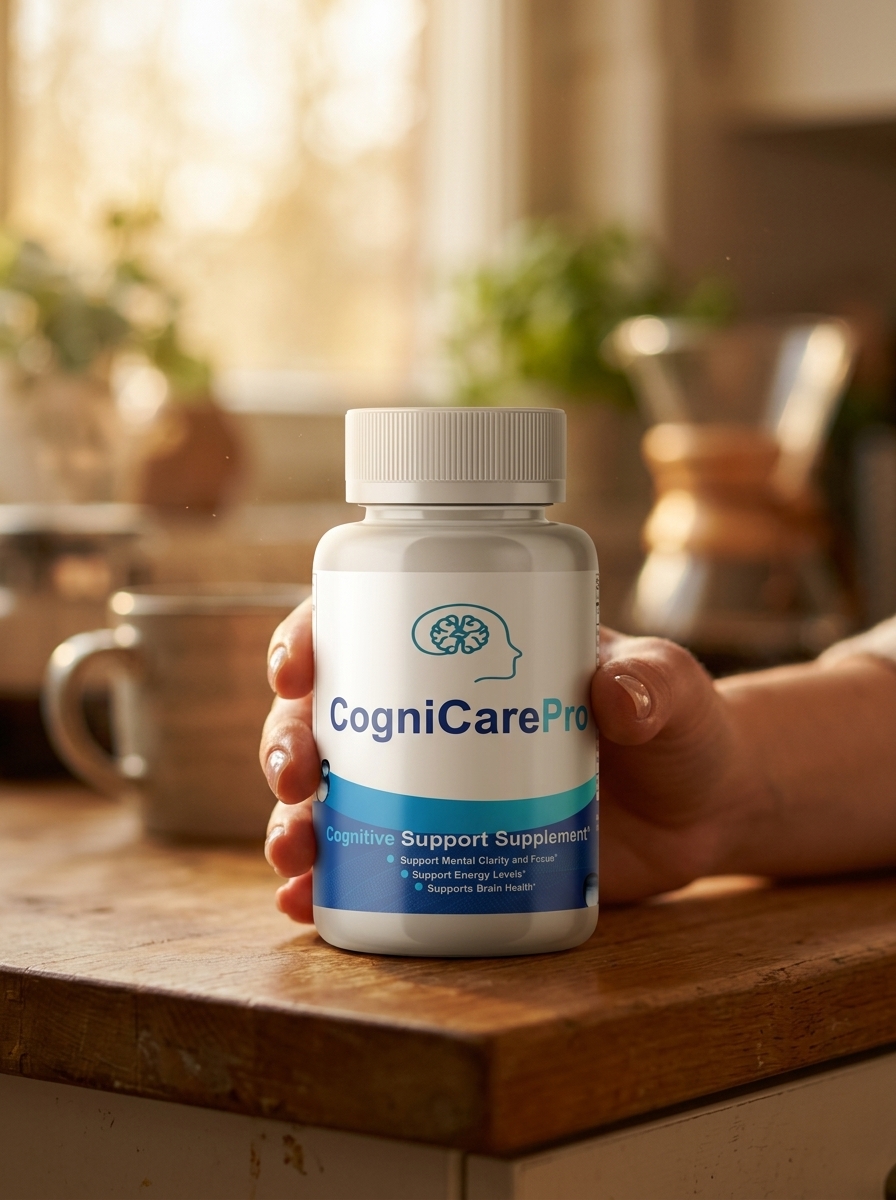
Reclaim Mental Clarity
When brain fog steals your sharpness, targeted nutrition can bring it back.
CogniCare Pro combines research-backed ingredients like phosphatidylserine, bacopa, and B-vitamins to support cognitive function and memory formation. Not magic pills, but science applied to the specific ways brains need nutritional support. Experience the return of mental ease—thoughts that flow, words that come when called, focus that feels effortless again.
- ✓ Thoughts connect without mental strain
- ✓ Words come readily instead of hovering just out of reach
- ✓ Mental fatigue replaced by natural cognitive energy
What Actually Changed

The transformation wasn’t dramatic or cinematic. No lightning bolt of genius, no sudden ability to memorize phone books. Instead, it was the return of mental ease—the ability to think without thinking about thinking. Conversations flowed naturally. Reading became pleasure instead of work. Problem-solving felt intuitive rather than forced.
Work meetings became engaging again instead of endurance tests. I started contributing ideas instead of just nodding along.
Projects that had felt overwhelming suddenly seemed manageable. Not because they’d gotten easier, but because my capacity to handle complexity had returned. Perhaps most importantly, I stopped avoiding mental challenges. I took on the presentation I’d been dreading. Joined conversations I might have sidestepped. Started reading books that required focus instead of just skimming articles.
My confidence in my own cognitive abilities began rebuilding itself one clear thought at a time.
Ready to stop accepting brain fog as the price of getting older?
Beyond the Supplement

While CogniCare Pro addressed what felt like a fundamental nutritional gap, I learned that sustainable mental clarity requires a more comprehensive approach. The supplement gave my brain the building blocks it needed, but I still had to maintain the foundation—good sleep, regular movement, stress management, meaningful social connection.
What changed was that these lifestyle factors became effective again.
Sleep actually restored me instead of just passing time. Exercise cleared my head instead of just exhausting my body. Stress management techniques worked because my brain had the resources to implement them. The supplement didn’t replace healthy habits; it made them functional again.
I also realized how much mental energy I’d been spending compensating for the fog. Writing everything down, double-checking basic tasks, avoiding situations that required sharp thinking. As my natural cognitive abilities returned, that compensatory energy became available for more interesting pursuits—creativity, deep conversation, complex problem-solving.
Want to experience thoughts that flow instead of struggle through mental molasses?
The Clarity I Didn’t Know I’d Lost

Six months later, brain fog feels like a strange chapter in my life rather than an ongoing struggle. I wake up sharp and stay sharp throughout the day. Thoughts connect logically. Words come when I call them. The mental fatigue that had become so familiar it felt normal has been replaced by the kind of effortless focus I remember from my best days.
The biggest revelation wasn’t about the supplement itself, but about recognizing when my brain was asking for help.
That foggy, muffled quality to my thoughts wasn’t something I had to accept or work around. It was a signal that something essential was missing, something that targeted nutritional support could provide.
Now when friends mention similar struggles—the tip-of-the-tongue moments, the mental fatigue, the sense of operating at reduced capacity—I share what I learned. Not as a prescription, but as possibility. Sometimes our brains need more than good intentions and healthy habits.
Sometimes they need the specific nutrients that make clear thinking possible.
The fog has lifted, and I’m myself again. Sharp, engaged, fully present in my own life. It’s a gift I don’t take for granted, and a reminder that the brain, like any other part of the body, sometimes needs targeted support to function at its best.
Written by Elias Menden — for those who seek mental clarity
Imagine waking up sharp and staying sharp throughout your entire day again.